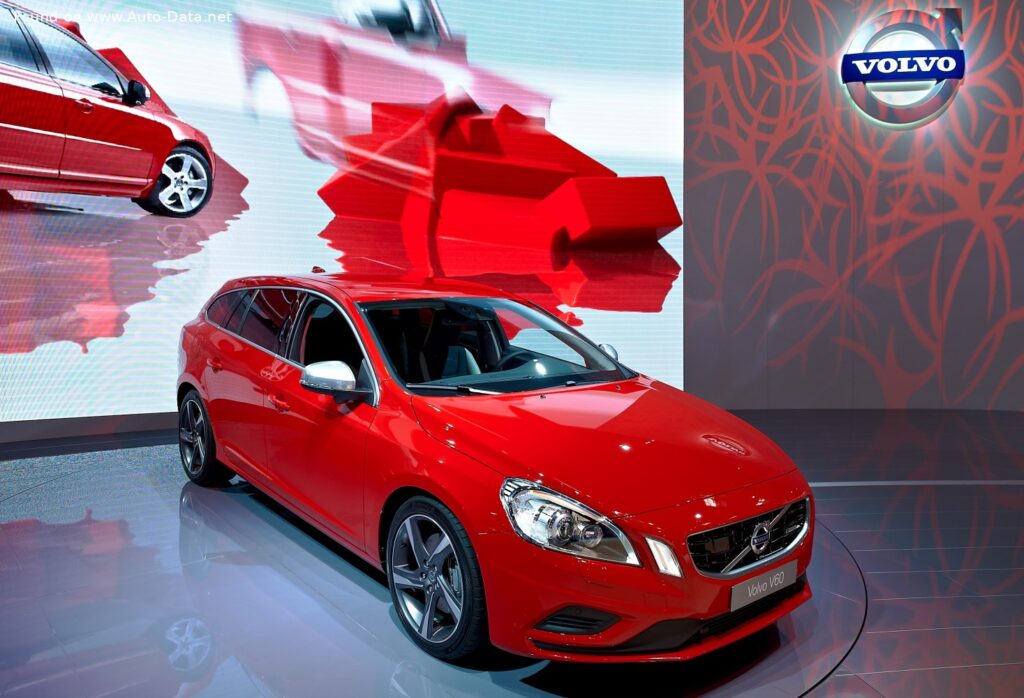
In an automotive landscape increasingly dominated by SUVs and crossovers, the sight of a high-performance station wagon can feel like a refreshing anomaly. For North American enthusiasts in the mid-2010s, one such vehicle stood out: the Volvo V60 I (2013 facelift) Polestar 3.0 T6 (350 Hp) AWD Automatic. More than just a practical family hauler, this limited-production model represented a bold statement from Volvo, showcasing their commitment to exhilarating performance without sacrificing the brand’s core values of safety and understated design. It was a true “sleeper” – a wolf in a distinctly Swedish sheep’s clothing, challenging perceptions and carving out a unique niche in the performance segment.
The Genesis of a Performance Icon: Volvo V60 I (2013 facelift) Polestar
Before Polestar evolved into its own electric performance brand, it was Volvo’s dedicated performance arm, much like AMG for Mercedes-Benz or M for BMW. Polestar’s involvement brought a newfound aggression and athleticism to Volvo’s traditionally sensible lineup. The V60, a compact executive wagon, was already a stylish and practical offering, but the Polestar treatment transformed it into something truly special.
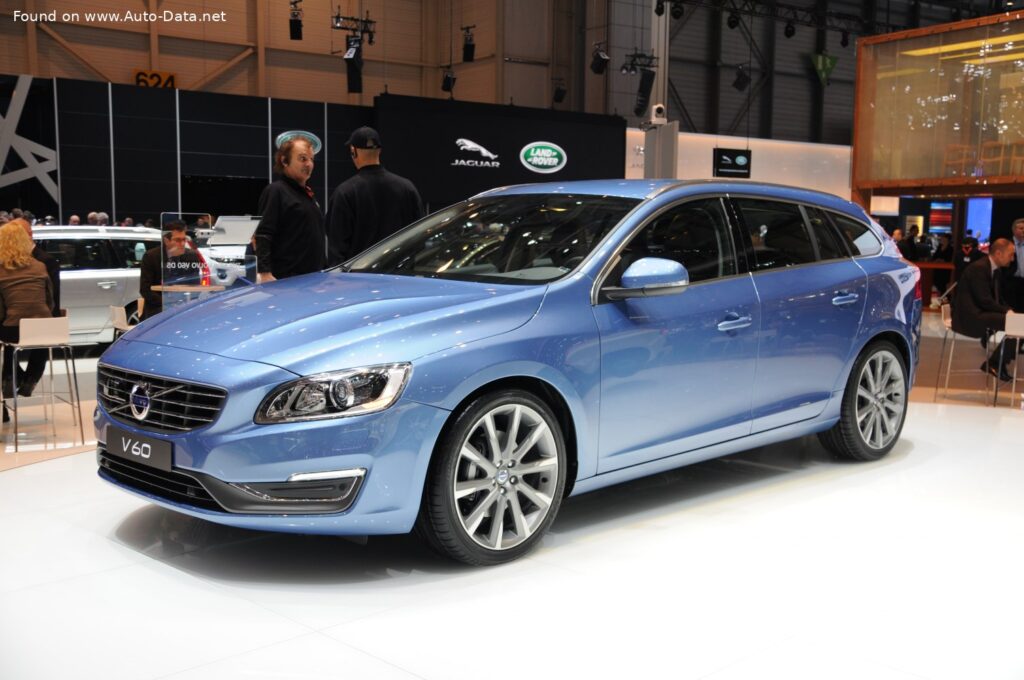
The Volvo V60 I (2013 facelift), which debuted with its refreshed styling in 2013, provided the perfect canvas. The Polestar variant, produced for a brief two-year run from 2014 to 2015, took this handsome wagon and imbued it with a significant power boost and chassis enhancements, creating a vehicle that was both eminently usable daily and thrilling on a winding road. Its distinctive Rebel Blue paint, unique alloy wheels, and subtle aerodynamic tweaks hinted at its capabilities without resorting to overt flashiness, perfectly embodying the Swedish ethos of sophisticated performance.
Engine & Performance
At the core of the V60 Polestar’s appeal was its formidable powertrain. Under the hood resided a heavily modified version of Volvo’s venerable 3.0-liter T6 inline-six engine. Codenamed B6304T5, this turbocharged and intercooled unit was meticulously tuned by Polestar engineers to deliver a substantial boost in output.
The result was an impressive 350 horsepower at 5250 rpm, a significant jump over the standard T6. More critically for real-world driving, the engine produced a robust 368.78 lb-ft of torque, available across a wide and accessible band from 3000 to 4750 rpm. This broad torque curve ensured immediate and relentless acceleration, making highway passing a breeze and spirited driving immensely rewarding.
Power was routed through a sophisticated six-speed automatic transmission to Volvo’s Haldex-based All-Wheel Drive (AWD) system. This combination provided exceptional traction and stability, allowing the V60 Polestar to launch with authority, regardless of weather conditions. The performance figures speak for themselves: the sprint from 0 to 60 mph was dispatched in a blistering 4.8 seconds, while 0-100 km/h took an equally rapid 5 seconds. Top speed was electronically limited to 155.34 mph (250 km/h), a testament to its high-speed cruising capabilities.
Despite its potent performance, the V60 Polestar maintained a degree of practicality. Its combined fuel economy was rated at 10.2 l/100 km, or approximately 23.1 US mpg, making it a surprisingly efficient choice for a performance car of its caliber.
Design & Features
As a modern performance vehicle from the mid-2010s, the V60 Polestar skillfully integrated cutting-edge technology and safety features with its enhanced driving dynamics.
Exterior Design
The exterior of the V60 Polestar retained the elegant lines of the standard V60 but added subtle yet purposeful enhancements. The most striking feature was often the exclusive Rebel Blue paint, which became synonymous with Polestar’s performance identity. Beyond the vibrant color, the car featured unique 20-inch alloy wheels, a more aggressive front splitter, a rear diffuser, and a discreet rear spoiler. These elements were not merely cosmetic; they contributed to improved aerodynamics and a more planted stance, signaling the car’s performance capabilities without resorting to overt wings or vents. The twin-exit exhaust system also provided a visual and auditory cue to the car’s sporting intentions.
Interior & Infotainment
Inside, the V60 Polestar offered a blend of luxury, sportiness, and Scandinavian ergonomics. High-quality materials, including leather and Alcantara, adorned the sport seats, which provided excellent lateral support during spirited driving. Polestar branding was subtly integrated throughout the cabin, appearing on the steering wheel, gear selector, and seats. The instrument cluster featured unique blue accents, further distinguishing it from standard V60 models.
The V60 Polestar featured Volvo’s Sensus infotainment system, which, for its time, offered a comprehensive suite of features. This included navigation, Bluetooth connectivity for hands-free calling and audio streaming, and various media playback options. While not as graphically advanced as today’s systems, it was intuitive and functional, providing essential connectivity for North American drivers. The sound system, often a premium Harman Kardon unit, delivered excellent audio quality, complementing the comfortable and quiet cabin.
Safety Systems (ADAS)
Volvo’s reputation for safety is legendary, and the V60 Polestar was no exception. It came equipped with a range of advanced driver-assistance systems (ADAS) that were innovative for the era. Standard features included ABS (Anti-lock Braking System), Electronic Stability Control (ESC), and a robust suite of airbags, including front, side, and curtain airbags. The car’s high-strength steel safety cage was designed to protect occupants in a collision. Depending on optional packages, features like City Safety (Volvo’s low-speed collision mitigation system that could automatically brake to avoid or lessen impacts), blind-spot monitoring (BLIS), lane departure warning, and adaptive cruise control would have been available, reinforcing Volvo’s commitment to proactive and passive safety. This comprehensive approach ensured that the performance wagon did not compromise on the brand’s core safety values.
Technical Specifications
| Category | Specification |
|---|---|
| Model | Volvo V60 I (2013 facelift) Polestar 3.0 T6 AWD Automatic |
| Production Years | 2014-2015 |
| Body Type | 5-door Station Wagon |
| Engine Type | 3.0-liter (2953 cm³) T6 Inline-Six, Turbocharged and Intercooled (B6304T5) |
| Horsepower | 350 HP at 5250 rpm |
| Torque | 368.78 lb-ft (500 Nm) at 3000-4750 rpm |
| Transmission | 6-speed Automatic |
| Drivetrain | All-Wheel Drive (AWD) |
| 0-60 mph Acceleration | 4.8 seconds |
| 0-100 km/h Acceleration | 5.0 seconds |
| Top Speed | 155.34 mph (250 km/h), electronically limited |
| Combined Fuel Economy | 23.1 US mpg (10.2 l/100 km) |
| Fuel Type | Premium Unleaded |
| Brakes | Ventilated Disc Brakes (Front & Rear), Polestar-tuned Brembo calipers |
| Suspension | Polestar-tuned Öhlins shock absorbers |
| Curb Weight (Approx.) | ~3,900 lbs (1770 kg) |
Legacy & Market Impact
The Volvo V60 Polestar carved out a distinctive niche in the North American market, often referred to as a “sleeper” performance car. In an era where SUVs and crossovers were rapidly gaining dominance, a high-performance station wagon was a rare and appealing proposition for enthusiasts. Its limited production run (reportedly only 750 units globally, with a significant portion allocated to the US and Canada) ensured its exclusivity and desirability from the outset.
Competitors in its performance segment were primarily sedans or SUVs. In Europe, it might have faced rivals like the Audi S4 Avant, BMW 3 Series Touring, or Mercedes-Benz C-Class Estate, but these high-performance wagons were often not widely available in the US. In North America, its closest rivals were arguably performance sedans like the Audi S4, BMW 340i, and Mercedes-Benz C400, or perhaps even performance crossovers like the Porsche Macan S, though none offered the specific blend of wagon practicality and understated aggression that the V60 Polestar did. It appealed to a discerning buyer who desired thrilling performance and everyday usability without the ostentatious styling often associated with other performance brands.
The V60 Polestar played a crucial role in establishing Polestar’s credibility as a serious performance tuner before its transition into a standalone electric performance brand. It demonstrated that Volvo could produce a car capable of competing with established German performance marques while retaining its unique Scandinavian identity. The car’s robust inline-six engine, sophisticated AWD system, and finely tuned chassis, featuring Öhlins dampers and Brembo brakes, showcased Polestar’s engineering prowess. Its distinctive Rebel Blue paint became an iconic symbol of this era of Volvo performance.
Today, the Volvo V60 Polestar is highly regarded by enthusiasts and collectors. Its rarity, unique blend of performance and practicality, and its significance in Volvo’s and Polestar’s history contribute to its enduring appeal. It represents a bygone era of internal combustion performance wagons from Volvo, a testament to the brand’s ability to surprise and delight with a truly engaging driver’s car.