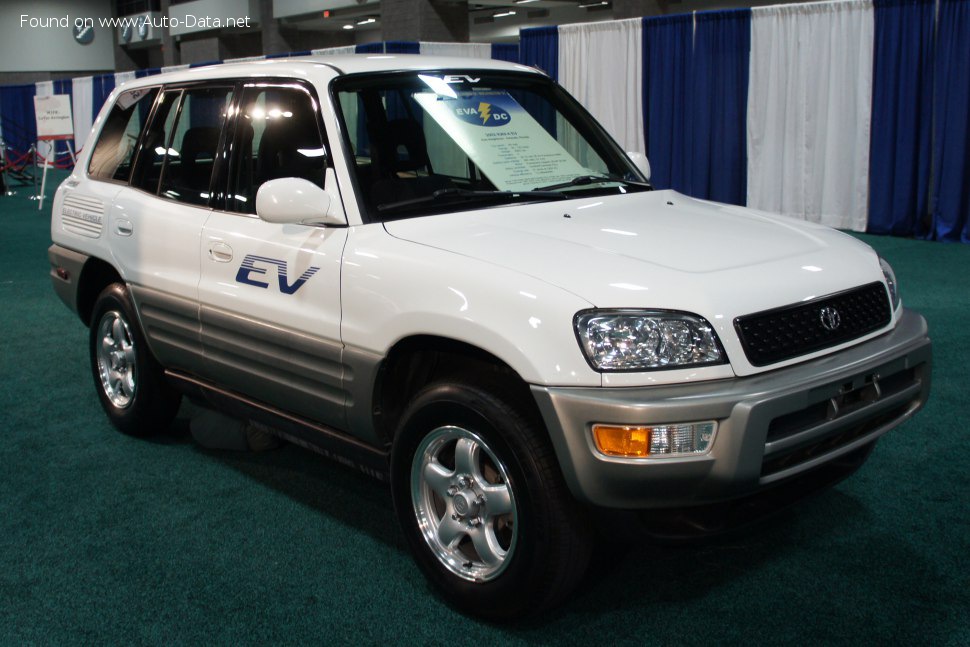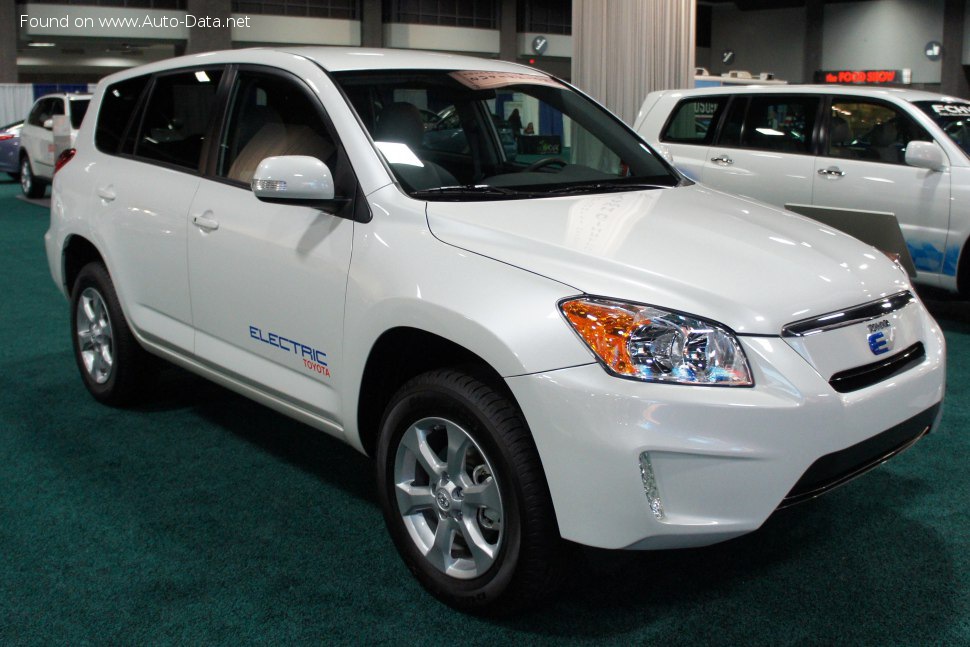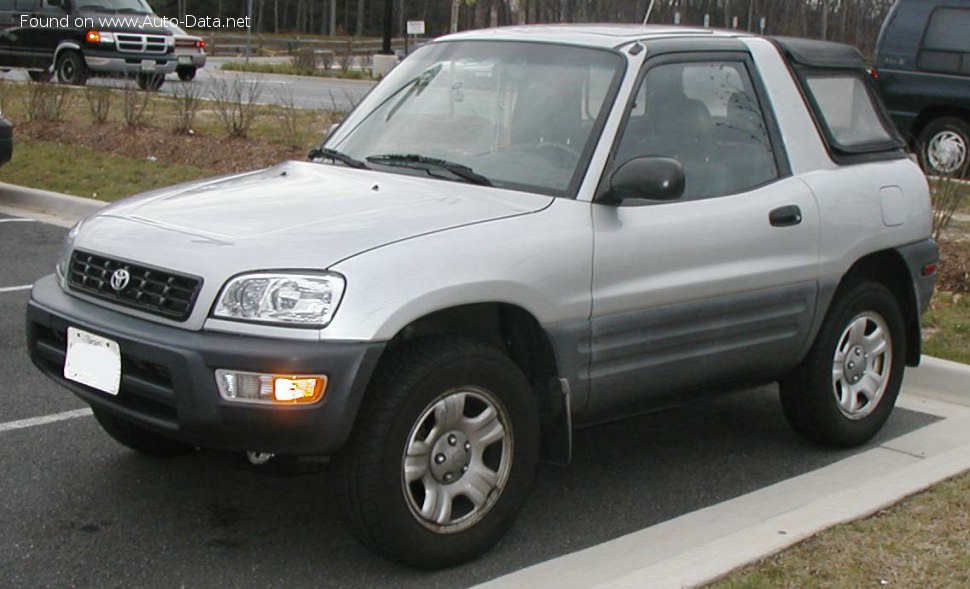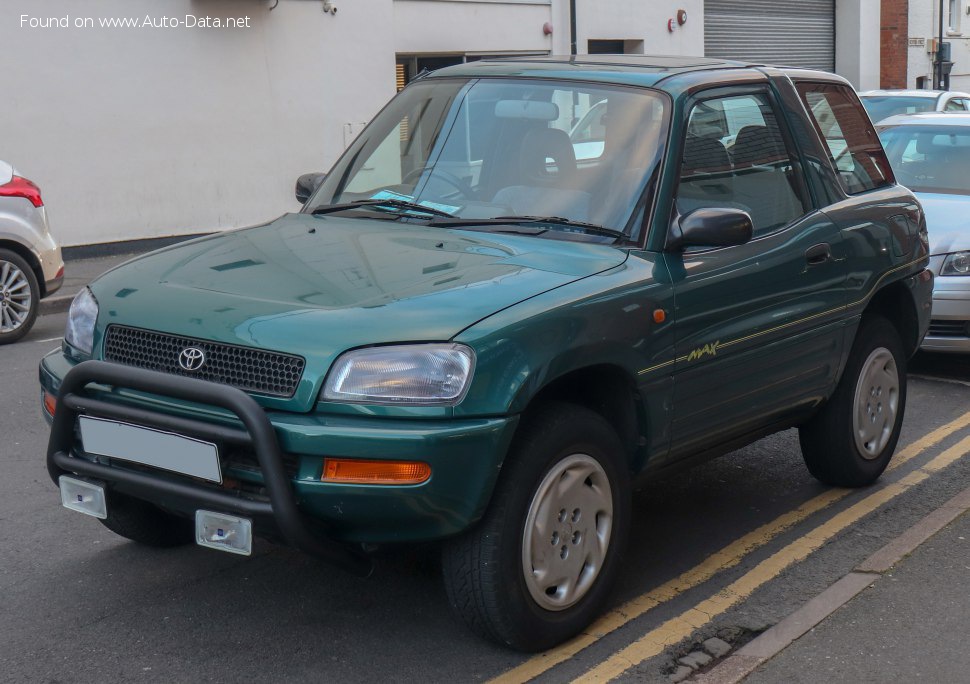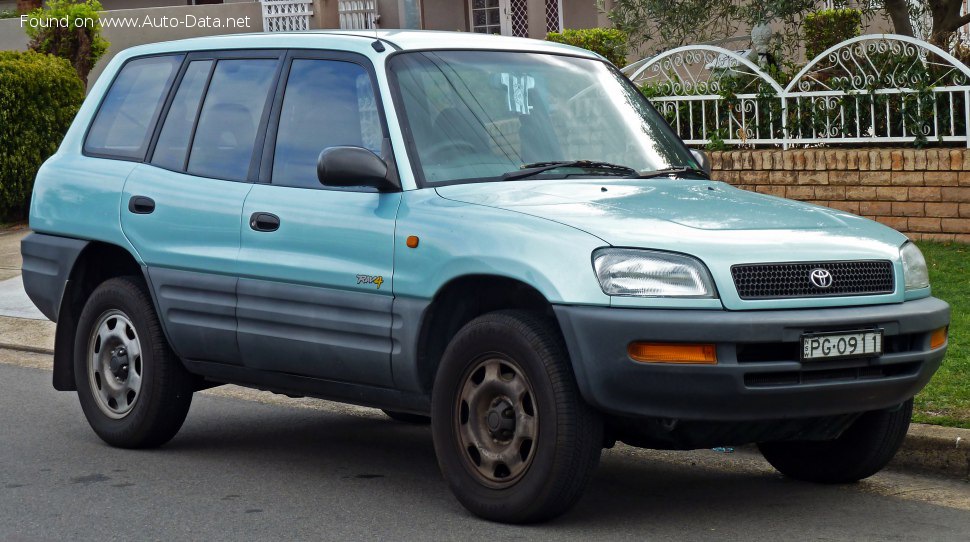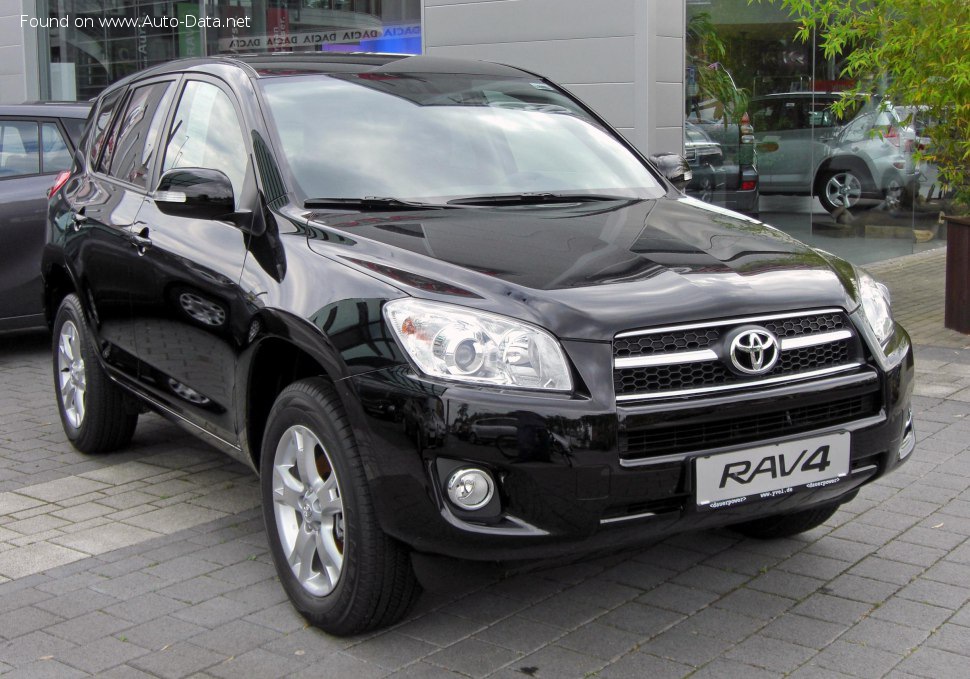
Introduction to the Toyota RAV4 III (XA30 facelift) 2.2 D-CAT (177 Hp) 4WD
The Toyota RAV4, an acronym for “Recreational Activity Vehicle: 4-wheel drive,” pioneered the compact SUV segment upon its introduction in 1994. The third generation, known internally as the XA30, marked a significant evolution in the model’s history, moving away from its more utilitarian roots towards a refined, family-oriented crossover. The XA30 series received a notable facelift in April 2008, introducing updated styling, enhanced features, and revised powertrain options. Among these, the Toyota RAV4 III (XA30 facelift) 2.2 D-CAT (177 Hp) 4WD stands out as a particularly robust and efficient variant, primarily targeting European and other international markets where diesel powertrains were highly favored for their blend of fuel economy and torque. This specific model, produced from April 2008 to May 2010, exemplified Toyota’s commitment to offering diverse options within its global best-seller, combining a powerful diesel engine with an advanced all-wheel-drive system.
Engine & Performance of the Toyota RAV4 III (XA30 facelift) 2.2 D-CAT (177 Hp) 4WD
At the heart of this particular RAV4 variant lies a sophisticated 2.2-liter (2231 cm³ or 136.14 cubic inches) D-CAT (Diesel Clean Advanced Technology) inline-four engine, designated by the code 2AD-FHV. This powerplant was engineered to deliver a compelling balance of power and environmental performance, meeting the stringent Euro 5 emission standards of its time thanks to a standard particulate filter. The engine features a Double Overhead Camshaft (DOHC) valvetrain with 4 valves per cylinder, a bore of 86 mm (3.39 inches) and a stroke of 96 mm (3.78 inches), and a relatively high compression ratio of 15.7:1, indicative of its diesel nature.
Power output is rated at a strong 177 horsepower at 3600 revolutions per minute, translating to an impressive 79.3 horsepower per liter. More significantly for an SUV, the engine generates a substantial 400 Nm (295.02 lb-ft) of torque, available at a low 2000 rpm. This ample torque is crucial for responsive acceleration, confident overtaking, and effective towing capabilities. The engine’s robust performance is further augmented by a turbocharger and intercooler system, ensuring efficient air intake and combustion. Power is channeled through a precise 6-speed manual transmission to an advanced all-wheel-drive (4×4) system, providing enhanced traction and stability across various driving conditions.
In terms of outright performance, the Toyota RAV4 III (XA30 facelift) 2.2 D-CAT (177 Hp) 4WD is quite capable for its class. It can accelerate from 0 to 60 mph in an estimated 8.8 seconds and achieve a top speed of 124.27 mph (200 km/h). Despite its performance credentials, the D-CAT engine maintains commendable fuel efficiency. The combined fuel economy is rated at 6.7 liters per 100 kilometers, which translates to approximately 35.1 US miles per gallon. Urban consumption stands at 7.9 l/100 km (29.8 US mpg), while extra-urban driving yields an impressive 5.9 l/100 km (39.9 US mpg).
Design & Features
The XA30 generation RAV4, particularly after its 2008 facelift, presented a more mature and sophisticated design compared to its predecessors. As a 5-door, 5-seat SUV, it offered practical versatility without compromising on style. The facelift brought subtle but effective aesthetic enhancements, including revised front grilles, updated bumpers, and new headlight designs, giving the vehicle a fresher and more contemporary appearance. Its dimensions – a length of 170.67 inches (4335 mm), a width of 73.03 inches (1855 mm), and a height of 66.34 inches (1685 mm) – positioned it firmly within the compact SUV segment, making it maneuverable in urban environments yet spacious enough for family adventures.
The vehicle’s architecture features a front, transverse engine layout, optimizing interior space. The wheelbase measures 100.79 inches (2560 mm), contributing to a stable ride. With a ground clearance of 7.09 inches (180 mm), the RAV4 maintained a decent capability for light off-road excursions, further supported by approach, departure, and ramp-over angles of 28.0°, 24.0°, and 20.0° respectively, along with a wading depth of 11.81 inches (300 mm). Its minimum turning circle of 38.06 feet (11.6 meters) ensured good agility.
The suspension system was designed for a comfortable yet controlled ride, featuring an independent McPherson strut setup with coil springs and an anti-roll bar at the front, complemented by a double wishbone arrangement at the rear. Braking duties were handled by ventilated discs at the front and solid discs at the rear, supported by an Anti-lock Braking System (ABS) for enhanced safety. The steering system utilized a precise rack and pinion setup. The vehicle rode on 235/55 R18 tires mounted on 7.5J x 18 wheel rims, providing a good balance of grip and ride comfort.
Inside, the RAV4 offered a practical and well-appointed cabin. The trunk space was generous, ranging from 20.69 cubic feet (586 liters) with all seats in place, expanding to a cavernous 61.87 cubic feet (1752 liters) with the rear seats folded down. This flexibility underscored its utility as a family vehicle or for hauling cargo. The kerb weight of the vehicle was 3692.74 lbs (1675 kg), with a maximum permissible weight of 4828.12 lbs (2190 kg), allowing for a maximum load of 1135.38 lbs (515 kg). The fuel tank capacity of 15.85 US gallons (60 liters) provided a respectable cruising range, especially with the efficient diesel engine.
Technical Specifications
| Category | Specification | US Equivalent / Notes |
|---|---|---|
| General Information | ||
| Brand | Toyota | |
| Model | RAV4 | |
| Generation | RAV4 III (XA30, facelift 2008) | |
| Type (Engine) | 2.2 D-CAT (177 Hp) 4WD | |
| Production Start | April, 2008 | |
| Production End | May, 2010 | |
| Powertrain Architecture | Internal Combustion engine | |
| Body Type | SUV | |
| Seats | 5 | |
| Doors | 5 | |
| Performance Specifications | ||
| Fuel Consumption (Urban) | 7.9 l/100 km | 29.8 US mpg |
| Fuel Consumption (Extra Urban) | 5.9 l/100 km | 39.9 US mpg |
| Fuel Consumption (Combined) | 6.7 l/100 km | 35.1 US mpg |
| CO2 Emissions | 177 g/km | |
| Fuel Type | Diesel | |
| Acceleration 0 – 60 mph | 8.8 sec | |
| Maximum Speed | 200 km/h | 124.27 mph |
| Emission Standard | Euro 5 | |
| Weight-to-Power Ratio | 9.5 kg/Hp | 105.7 Hp/tonne |
| Weight-to-Torque Ratio | 4.2 kg/Nm | 238.8 Nm/tonne |
| Engine Specifications | ||
| Power | 177 Hp @ 3600 rpm | |
| Power per liter | 79.3 Hp/l | |
| Torque | 400 Nm @ 2000 rpm | 295.02 lb-ft @ 2000 rpm |
| Engine Layout | Front, Transverse | |
| Engine Model/Code | 2AD-FHV | |
| Engine Displacement | 2231 cm³ | 2.2 Liters / 136.14 cu. in. |
| Number of Cylinders | 4 | |
| Engine Configuration | Inline | |
| Cylinder Bore | 86 mm | 3.39 in. |
| Piston Stroke | 96 mm | 3.78 in. |
| Compression Ratio | 15.7:1 | |
| Valves per Cylinder | 4 | |
| Fuel Injection System | Diesel Commonrail | |
| Engine Aspiration | Turbocharger, Intercooler | |
| Valvetrain | DOHC | |
| Engine Oil Capacity | 5.9 l | 6.23 US qt |
| Coolant Capacity | 7.3 l | 7.71 US qt |
| Engine Systems | Particulate filter | |
| Space, Volume, and Weights | ||
| Kerb Weight | 1675 kg | 3692.74 lbs |
| Maximum Weight | 2190 kg | 4828.12 lbs |
| Maximum Load | 515 kg | 1135.38 lbs |
| Trunk Space (Minimum) | 586 l | 20.69 cu. ft. |
| Trunk Space (Maximum) | 1752 l | 61.87 cu. ft. |
| Fuel Tank Capacity | 60 l | 15.85 US gal |
| Max. Roof Load | 100 kg | 220.46 lbs |
| Permitted Trailer Load (with brakes) | 2000 kg | 4409.25 lbs |
| Permitted Trailer Load (without brakes) | 750 kg | 1653.47 lbs |
| Permitted Towbar Download | 80 kg | 176.37 lbs |
| Dimensions | ||
| Length | 4335 mm | 170.67 in. |
| Width | 1855 mm | 73.03 in. |
| Height | 1685 mm | 66.34 in. |
| Wheelbase | 2560 mm | 100.79 in. |
| Ride Height (Ground Clearance) | 180 mm | 7.09 in. |
| Minimum Turning Circle | 11.6 m | 38.06 ft. |
| Approach Angle | 28.0° | |
| Departure Angle | 24.0° | |
| Ramp-over (Brakeover) Angle | 20.0° | |
| Wading Depth | 300 mm | 11.81 in. |
| Drivetrain, Brakes, and Suspension | ||
| Drive Wheel | All-wheel drive (4×4) | |
| Gearbox | 6 gears, manual transmission | |
| Front Suspension | Independent, McPherson with coil spring and anti-roll bar | |
| Rear Suspension | ||