
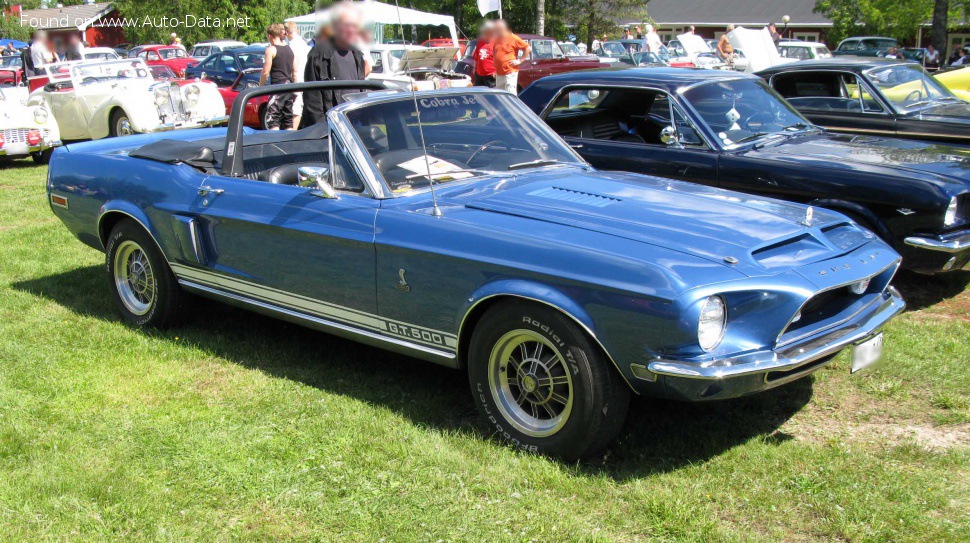
The Legendary Ford Shelby I Cabrio Cobra GT 350 5.0 V8 (340 Hp)
The Ford Shelby I Cabrio Cobra GT 350 5.0 V8 (340 Hp) represents a pinnacle of American automotive performance and design from a golden era. Produced between 1968 and 1970, this iconic cabriolet was a direct evolution of the collaboration between Ford Motor Company and legendary racing driver and automotive designer Carroll Shelby. Positioned at the forefront of the burgeoning “muscle car” segment, the Shelby GT350 convertible offered a potent blend of raw power, distinctive styling, and open-air driving excitement. It was more than just a modified Mustang; it was a bespoke performance machine engineered for enthusiasts who demanded exhilarating performance and a unique presence on the road. This generation of Shelby vehicles, particularly the convertible variants, captured the spirit of American ingenuity and horsepower, cementing its place as a highly coveted classic.
Engine and Performance: The Heart of the Cobra GT 350 5.0 V8 (340 Hp)
At the core of the Ford Shelby I Cabrio Cobra GT 350 5.0 V8 (340 Hp)‘s appeal was its formidable powertrain. This particular variant was equipped with a 5.0-liter (4942 cm3 or 301.58 cubic inches) V8 engine, configured longitudinally at the front of the vehicle. While the GT350 traditionally featured a 302 cubic inch engine, the specification of a supercharger on this particular model indicates a significant performance boost beyond its standard configuration, pushing its output to an impressive 340 horsepower at 5200 rpm. This power output was remarkable for its time, especially from a relatively compact V8.
The engine’s architecture included 8 cylinders in a V-configuration, with two valves per cylinder, a common and robust design for American V8s of the era. Fuel delivery was handled by a carburetor, a staple of performance engines before widespread electronic fuel injection. The inclusion of a supercharger was a critical factor in achieving its high power density of 68.8 horsepower per liter, providing forced induction that dramatically increased air intake and combustion efficiency.
Peak torque for this powerplant stood at a substantial 440 Nm (324.53 lb.-ft.) delivered at a relatively low 3200 rpm. This characteristic flat torque curve provided excellent off-the-line acceleration and strong pulling power through the mid-range, making the GT350 a thrilling car to drive both on the street and on the occasional track day. Mated to this powerful engine was a robust 4-speed manual transmission, offering drivers direct control over the power delivery and enhancing the engaging driving experience. The powertrain architecture drove the rear wheels, a classic setup for performance vehicles that contributed to its dynamic handling characteristics. With a curb weight of 3406.14 lbs (1545 kg), the car boasted a favorable weight-to-power ratio of 4.5 kg/Hp (220.1 Hp/tonne) and a weight-to-torque ratio of 3.5 kg/Nm (284.8 Nm/tonne), underscoring its impressive performance credentials.
Design and Features: The Shelby Aesthetic
The Ford Shelby I Cabrio Cobra GT 350 was unmistakably a Shelby, combining the inherent muscularity of the Ford Mustang with distinctive design elements that set it apart. As a two-door cabriolet with seating for four, it offered a blend of sportiness and practicality, allowing occupants to enjoy the thrill of open-air motoring. Its exterior dimensions – a length of 186.61 inches (4740 mm), a width of 70.91 inches (1801 mm), and a height of 51.42 inches (1306 mm) – gave it a commanding presence on the road. The wheelbase of 107.99 inches (2743 mm) contributed to a stable ride, while identical front and rear track widths of 58.11 inches (1476 mm) hinted at its balanced handling.
Shelby models were renowned for their aggressive styling cues, which typically included functional hood scoops, unique grilles, side scoops for brake cooling, and distinctive badging. While specific interior features for this exact variant are not detailed, period Shelby Mustangs typically offered sportier seating, a wood-rimmed steering wheel, and a full complement of gauges to monitor the engine’s vitals. For its era, the GT350 provided a driver-focused cockpit, emphasizing performance without sacrificing a degree of comfort.
In terms of chassis and braking, the GT350 featured front disc brakes, a significant upgrade for performance vehicles of the late 1960s, providing superior stopping power and fade resistance compared to drum brakes. Rear braking was handled by drum brakes, a common configuration that still offered adequate performance for the rear axle. The drivetrain architecture, as noted, was rear-wheel drive, a classic layout that provided predictable handling and a thrilling driving experience. The minimum turning circle of 38.06 feet (11.6 m) indicated decent maneuverability for a car of its size.
Technical Specifications: Ford Shelby I Cabrio Cobra GT 350 5.0 V8 (340 Hp)
| Category | Specification | US Equivalent |
|---|---|---|
| General Information | ||
| Brand | Ford Shelby | |
| Model | Shelby I Cabrio Cobra GT 350 5.0 V8 (340 Hp) | |
| Production Start | 1968 | |
| Production End | 1970 | |
| Body Type | Cabriolet | |
| Seats | 4 | |
| Doors | 2 | |
| Powertrain Architecture | Internal Combustion Engine | |
| Performance Specs | ||
| Fuel Type | Petrol (Gasoline) | |
| Weight-to-Power Ratio | 4.5 kg/Hp | 220.1 Hp/tonne |
| Weight-to-Torque Ratio | 3.5 kg/Nm | 284.8 Nm/tonne |
| Engine Specs | ||
| Power | 340 Hp @ 5200 rpm | |
| Power per Liter | 68.8 Hp/l | |
| Torque | 440 Nm @ 3200 rpm | 324.53 lb.-ft. @ 3200 rpm |
| Engine Layout | Front, Longitudinal | |
| Engine Displacement | 4942 cm3 | 301.58 cu. in. |
| Number of Cylinders | 8 | |
| Engine Configuration | V-engine | |
| Cylinder Bore | 101.6 mm | 4 in. |
| Piston Stroke | 76.2 mm | 3 in. |
| Compression Ratio | 10.5:1 | |
| Valves per Cylinder | 2 | |
| Fuel Injection System | Carburetor | |
| Engine Aspiration | Supercharger | |
| Space, Volume, and Weights | ||
| Kerb Weight | 1545 kg | 3406.14 lbs. |
| Fuel Tank Capacity | 64 l | 16.91 US gal |
| Dimensions | ||
| Length | 4740 mm | 186.61 in. |
| Width | 1801 mm | 70.91 in. |
| Height | 1306 mm | 51.42 in. |
| Wheelbase | 2743 mm | 107.99 in. |
| Front Track | 1476 mm | 58.11 in. |
| Rear Track | 1476 mm | 58.11 in. |
| Minimum Turning Circle | 11.6 m | 38.06 ft. |
| Drivetrain, Brakes, and Suspension Specs | ||
| Drivetrain Architecture | Internal Combustion Engine (ICE) drives rear wheels | |
| Drive Wheel | Rear-wheel drive | |
| Gearbox Type | 4 gears, manual transmission | |
| Front Brakes | Disc | |
| Rear Brakes | Drum |
Legacy and Market Impact
The Ford Shelby I Cabrio Cobra GT 350 5.0 V8 (340 Hp) emerged during a fiercely competitive era in the American automotive landscape, often referred to as the “muscle car wars.” Its direct competitors included other high-performance pony cars and muscle cars such as the Chevrolet Camaro Z/28, Pontiac GTO, Plymouth Barracuda, and AMC Javelin. What set the Shelby GT350 apart was its unique blend of Mustang affordability with race-bred performance enhancements overseen by Carroll Shelby himself. The GT350, particularly in its convertible form, offered a more exclusive and performance-oriented alternative to the standard Mustang, appealing to a niche market of enthusiasts seeking a more visceral driving experience.
The reputation of the Shelby GT350 was built on its formidable power, distinctive styling, and its association with Shelby’s racing heritage. It was designed to be a “street legal race car,” a philosophy that resonated deeply with the American car-buying public who craved performance and individuality. The introduction of the supercharger in certain models, as evidenced by the data provided, further amplified its performance credentials, making it one of the most potent vehicles available in its class.
Today, the Ford Shelby I Cabrio Cobra GT 350 is revered as a highly collectible classic car. Its limited production run, combined with its historical significance and the Shelby nameplate, contributes to its enduring value and desirability. These vehicles are not merely transportation; they are artifacts of a bygone era, representing a time when horsepower ruled the roads and design was bold and unapologetic. The GT350’s legacy is one of raw power, iconic design, and a testament to Carroll Shelby’s vision for creating some of America’s most celebrated performance machines. It continues to influence modern performance vehicles and remains a benchmark for American muscle car enthusiasts worldwide.
