The Volkswagen Polo III Classic 1.7 SDI (60 Hp): A European Workhorse of the Late 1990s
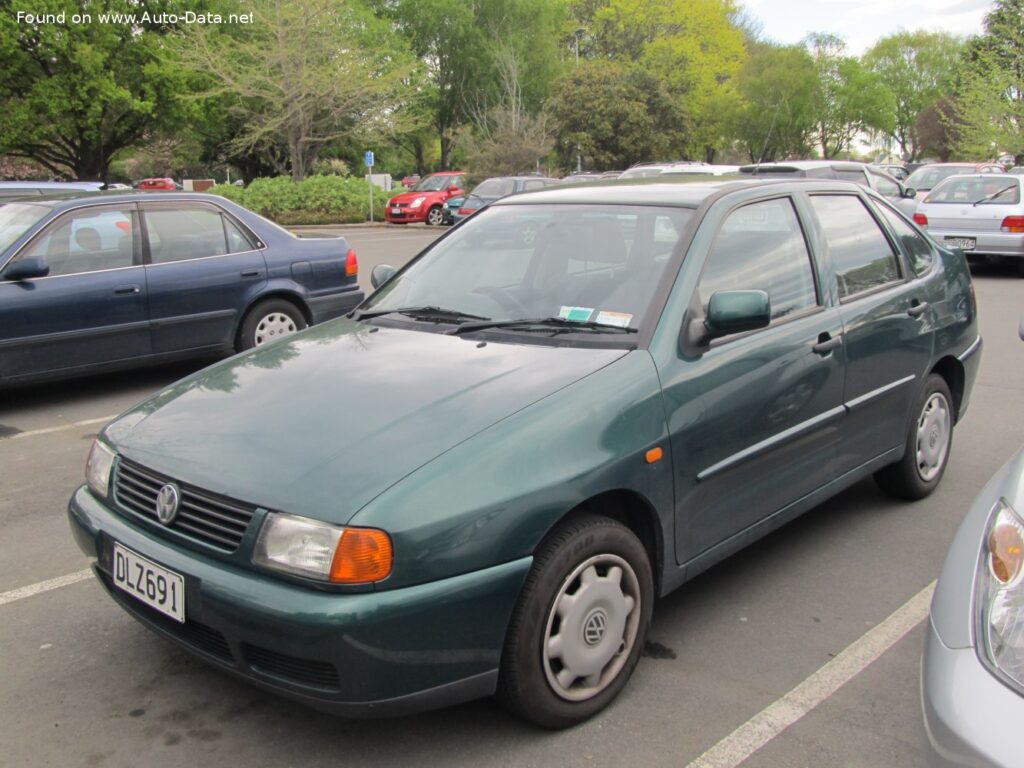
The Volkswagen Polo III Classic 1.7 SDI (60 Hp) represents a significant, albeit understated, chapter in the history of Volkswagen’s compact car lineage. Introduced as part of the third generation Polo (Typ 6N) and produced between 1997 and 2000, this particular variant distinguished itself as a practical and highly economical sedan in the bustling European market. Unlike its hatchback siblings, the “Classic” designation denoted a four-door sedan body style, offering enhanced trunk space and a more traditional silhouette, catering to consumers seeking greater utility and a more conventional aesthetic than the popular hatchbacks. While never officially sold in the United States, the Polo III Classic played a crucial role in Volkswagen’s global strategy, particularly in Europe, Asia, and other emerging markets, where its blend of compact dimensions, robust engineering, and impressive fuel efficiency made it a popular choice for both private owners and fleet operators.
The third-generation Polo, which debuted in 1994, marked a substantial leap forward from its predecessors, sharing its platform with the contemporary SEAT Ibiza and Cordoba models. This generation saw a diversification of body styles, with the Classic sedan appealing to a segment of the market that valued practicality and a more formal appearance over the sportier or more compact nature of the three- and five-door hatchbacks. The 1.7 SDI engine variant, specifically, epitomized the era’s focus on diesel power for economy and durability, offering a no-frills, reliable powertrain designed for longevity and low running costs.
Engine & Performance: The Robust 1.7 SDI Powertrain
At the heart of the Volkswagen Polo III Classic 1.7 SDI (60 Hp) was its naturally aspirated 1.7-liter (1716 cm³ or 104.72 cu. in.) diesel engine, designated with the code AKU. This inline four-cylinder unit, featuring direct injection and two valves per cylinder, was engineered for maximum fuel efficiency and reliability rather than outright speed. Producing a modest 60 horsepower at 4200 rpm and 84.82 lb.-ft. (115 Nm) of torque at a low 2200 rpm, the engine delivered adequate power for urban commuting and relaxed highway cruising, especially when paired with its standard 5-speed manual transmission.
The SDI (Suction Diesel Injection or Saugdiesel Direkteinspritzung) technology, a precursor to the more powerful TDI (Turbocharged Direct Injection) engines, was renowned for its simplicity and robustness. Without a turbocharger, the engine’s power delivery was linear and predictable, making it easy to drive. While its acceleration figures — 0 to 60 mph in a leisurely 17.2 seconds and a top speed of 96.31 mph (155 km/h) — might seem modest by today’s standards, they were entirely competitive for a non-turbo diesel compact car of its time. The engine’s high compression ratio of 19.5:1 was typical for a diesel of this era, contributing to its efficiency. Its impressive fuel economy, rated at 34.6 US mpg in urban driving and an outstanding 58.8 US mpg on the extra-urban cycle, was a major selling point, cementing its reputation as an economical choice for daily transportation.
The powertrain architecture featured a front, transverse engine layout, driving the front wheels, a common and efficient configuration for compact cars. This design contributed to good interior packaging and predictable handling characteristics, making the Polo III Classic a sensible and user-friendly vehicle in its segment.
Design & Features: Practicality in a Compact Sedan
The Volkswagen Polo III Classic, with its four-door sedan body, offered a distinct alternative to the more common hatchback variants. Measuring 163.94 inches (4164 mm) in length, 64.57 inches (1640 mm) in width, and 55.67 inches (1414 mm) in height, it was a compact vehicle, perfectly suited for navigating narrow European city streets and tight parking spaces. The wheelbase of 96.1 inches (2441 mm) provided a stable ride for its size, while the interior was designed to comfortably accommodate five occupants, making it a viable family car for those on a budget.
One of the Classic’s most compelling features was its generous trunk space, which ranged from a minimum of 16.07 cu. ft. (455 liters) to a maximum of 26.84 cu. ft. (760 liters) with the rear seats folded. This substantial cargo capacity was a significant advantage over its hatchback counterparts and many direct competitors, appealing to buyers who needed more utility for luggage, groceries, or equipment. The design was understated and functional, reflecting Volkswagen’s ethos of practical, no-nonsense engineering. Its clean lines and unfussy aesthetics ensured a timeless appeal, characteristic of Volkswagen vehicles of the period.
In terms of chassis and safety, the Polo III Classic was equipped with a robust suspension system, featuring wishbones at the front and a suspension with traction connecting levers at the rear, providing a comfortable yet competent ride. Braking duties were handled by ventilated discs at the front and traditional drum brakes at the rear, complemented by an Anti-lock Braking System (ABS), a significant safety feature for its time. Hydraulic power steering, utilizing a rack and pinion system, offered a direct and responsive feel, enhancing maneuverability. The car rode on 185/60 R14 tires fitted to 6J x 14 wheel rims, a common size for compact cars, balancing grip with ride comfort and affordability.
Technical Specifications: Volkswagen Polo III Classic 1.7 SDI (60 Hp)
| Category | Specification |
|---|---|
| General Information | |
| Brand | Volkswagen |
| Model | Polo |
| Generation | Polo III Classic |
| Type (Engine) | 1.7 SDI (60 Hp) |
| Start of Production | 1997 |
| End of Production | 2000 |
| Powertrain Architecture | Internal Combustion Engine |
| Body Type | Sedan |
| Seats | 5 |
| Doors | 4 |
| Performance Specs | |
| Fuel Consumption (Urban) | 6.8 l/100 km (34.6 US mpg) |
| Fuel Consumption (Extra Urban) | 4 l/100 km (58.8 US mpg) |
| Fuel Type | Diesel |
| Acceleration 0-60 mph | 17.2 seconds |
| Maximum Speed | 96.31 mph (155 km/h) |
| Weight-to-Power Ratio | 17.7 kg/Hp, 56.6 Hp/tonne |
| Weight-to-Torque Ratio | 9.2 kg/Nm, 108.5 Nm/tonne |
| Engine Specs | |
| Power | 60 Hp @ 4200 rpm |
| Power per Liter | 35 Hp/l |
| Torque | 84.82 lb.-ft. (115 Nm) @ 2200 rpm |
| Engine Layout | Front, Transverse |
| Engine Model/Code | AKU |
| Engine Displacement | 1.7 liters (1716 cm³ / 104.72 cu. in.) |
| Number of Cylinders | 4 |
| Engine Configuration | Inline |
| Cylinder Bore | 3.13 inches (79.5 mm) |
| Piston Stroke | 3.4 inches (86.4 mm) |
| Compression Ratio | 19.5:1 |
| Valves per Cylinder | 2 |
| Fuel Injection System | Direct Injection |
| Engine Aspiration | Naturally Aspirated |
| Engine Oil Capacity | 4.97 US qt (4.7 l) |
| Coolant Capacity | 6.87 US qt (6.5 l) |
| Space, Volume and Weights | |
| Kerb Weight | 2336.9 lbs (1060 kg) |
| Max. Weight | 3351.03 lbs (1520 kg) |
| Max Load | 1014.13 lbs (460 kg) |
| Trunk (Boot) Space – Minimum | 16.07 cu. ft. (455 l) |
| Trunk (Boot) Space – Maximum | 26.84 cu. ft. (760 l) |
| Fuel Tank Capacity | 11.89 US gal (45 l) |
| Dimensions | |
| Length | 163.94 inches (4164 mm) |
| Width | 64.57 inches (1640 mm) |
| Height | 55.67 inches (1414 mm) |
| Wheelbase | 96.1 inches (2441 mm) |
| Front Track | 56.26 inches (1429 mm) |
| Rear Track | 55.51 inches (1410 mm) |
| Drivetrain, Brakes and Suspension Specs | |
| Drivetrain Architecture | Front-wheel drive, Internal Combustion Engine |
| Drive Wheel | Front Wheel Drive |
| Number of Gears & Gearbox Type | 5 gears, Manual Transmission |
| Front Suspension | Wishbone |
| Rear Suspension | Suspension with Traction Connecting Levers |
| Front Brakes | Ventilated Discs |
| Rear Brakes | Drum |
| Assisting Systems | ABS (Anti-lock Braking System) |
| Steering Type | Steering Rack and Pinion |
| Power Steering | Hydraulic Steering |
| Tires Size | 185/60 R14 |
| Wheel Rims Size | 6J x 14 |
Legacy and Market Impact of the Volkswagen Polo III Classic 1.7 SDI (60 Hp)
The Volkswagen Polo III Classic 1.7 SDI (60 Hp) carved out a significant niche for itself in the European compact car market during its production run. It wasn’t designed to be a flashy or performance-oriented vehicle, but rather a dependable, cost-effective, and practical mode of transportation. Its primary competitors included other compact sedans popular in Europe and emerging markets, such as the Ford Fiesta sedan variants (like the Courier), Opel Corsa B sedan, and some Asian imports like the Toyota Corolla and Honda Civic, which often offered sedan options in various markets. The Polo Classic stood out due to Volkswagen’s reputation for build quality and its particularly frugal diesel engine.
Its historical significance lies in its embodiment of the late 1990s trend towards efficient diesel engines in mainstream compact cars, especially before the widespread adoption of common-rail direct injection and turbocharging made diesels more powerful and refined. The SDI engine, while basic, was a testament to robust engineering, offering excellent longevity and low maintenance costs, which appealed greatly to budget-conscious buyers and businesses. It was a common sight in rental fleets, as company cars, and among families seeking a reliable daily driver with ample cargo space.
The Polo III Classic, particularly in its SDI guise, contributed to Volkswagen’s overall sales success in Europe and helped solidify the Polo’s reputation as a versatile and dependable compact car range. While the sedan body style eventually waned in popularity in Western Europe in favor of hatchbacks and later, SUVs, the Classic demonstrated Volkswagen’s ability to adapt its core models to diverse market demands. Today, surviving examples of the 1.7 SDI are appreciated for their mechanical simplicity, exceptional fuel economy, and the enduring quality associated with the Volkswagen brand, serving as a reminder of an era when straightforward, efficient engineering was paramount in the compact segment.