
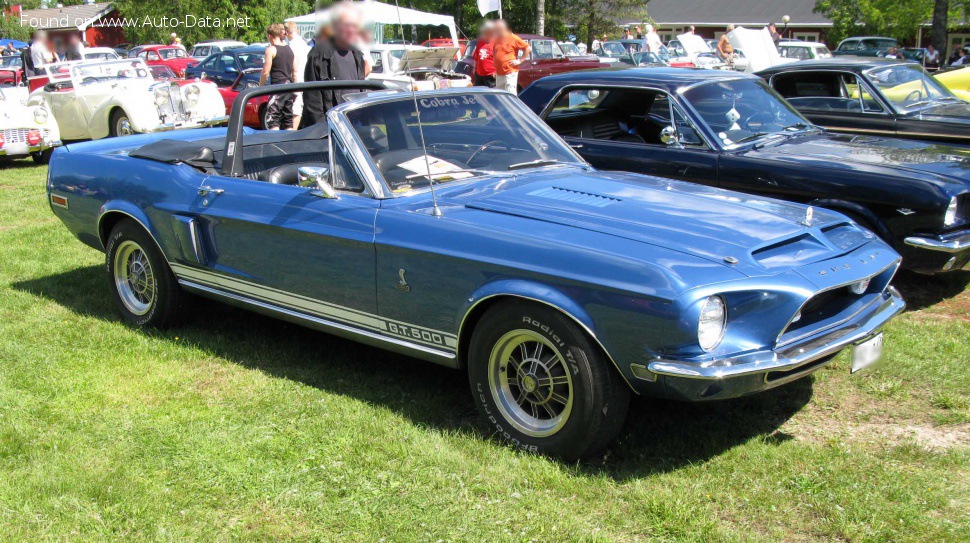
Introduction to the Ford Shelby I Cabrio GT 350 5.8 V8 (294 Hp)
The automotive landscape of the late 1960s was a vibrant battleground for performance and style, particularly in the burgeoning American muscle car segment. Amidst this era of roaring V8s and aggressive aesthetics, the Ford Shelby I Cabrio GT 350 5.8 V8 (294 Hp) emerged as a potent and highly desirable machine. Produced for the 1969 and 1970 model years, this specific iteration represented a significant evolution in Carroll Shelby’s legendary collaboration with Ford, transforming the already popular Mustang into a more focused and formidable street machine. As a convertible, it offered an unparalleled blend of open-air exhilaration and raw American horsepower, cementing its status as a coveted classic.
Building on the foundational success of the Ford Mustang, Carroll Shelby’s touch elevated these pony cars from mere sporty coupes to genuine performance icons. The 1969-1970 models, distinct from earlier Shelby Mustangs, were integrated more directly into Ford’s production lines, yet retained the unique Shelby flair and performance enhancements. The GT350 Convertible, in particular, offered a unique proposition: the thrill of a powerful V8, precise handling for its time, and the immersive experience of top-down driving. It was a car designed not just for speed, but for making a statement, embodying the spirit of American automotive freedom and engineering prowess.
The Iconic Ford Shelby I Cabrio GT 350 5.8 V8 (294 Hp)
Powertrain and Performance Dynamics
At the heart of the Ford Shelby I Cabrio GT 350 5.8 V8 (294 Hp) lay a formidable powertrain designed to deliver exhilarating performance. The engine was a naturally aspirated 5.8-liter (specifically, 351.86 cubic inches or 5766 cm3) V8, a quintessential American powerplant. This robust unit was configured in a classic V-engine layout with eight cylinders, each featuring two valves. Fuel delivery was handled by a carburetor, a common and effective system for the era, feeding the engine with gasoline.
This impressive engine generated a healthy 294 horsepower at 4800 rpm, providing ample thrust for spirited driving. Torque output was equally compelling, peaking at 385.01 lb.-ft. (522 Nm) at a relatively low 3200 rpm. This low-end torque was crucial for the car’s strong acceleration and responsive feel, characteristic of muscle cars of the period. With a compression ratio of 10.7:1, the engine was tuned for optimal power output from its displacement.
Power was transmitted to the rear wheels via a 4-speed manual transmission, offering drivers direct control over the engine’s output and contributing significantly to the engaging driving experience. This traditional drivetrain architecture, with the engine mounted longitudinally in the front, was the standard for performance vehicles of its day. The car’s curb weight of 3688.33 lbs (1673 kg) resulted in a weight-to-power ratio of 5.7 kg/Hp (175.7 Hp/tonne), indicating a strong power-to-weight balance for a vehicle of its class and era. This combination of powerful engine, manual gearbox, and rear-wheel drive created a visceral and authentic driving sensation that enthusiasts continue to revere.
Design, Aesthetics, and Cabin Features
The design of the Ford Shelby I Cabrio GT 350 5.8 V8 (294 Hp) was a masterful fusion of Ford’s Mustang platform with Carroll Shelby’s aggressive, performance-oriented styling cues. As a two-door convertible, it presented a visually striking profile, especially with the top down, embodying the quintessential American cruising experience coupled with raw power. The body boasted distinct Shelby modifications that set it apart
