The Renault Megane III Coupe (Phase III, 2014): A European Diesel Dynamo
The Renault Megane III Coupe, specifically the Phase III model launched in 2014 and produced from 2015 to 2016, represents a significant chapter in the history of Renault’s highly competitive C-segment offering. While the Megane nameplate is well-known globally, this particular iteration, especially with the advanced 1.6 Energy dCi (130 Hp) Start&Stop powertrain, was a staple of the European market and was not officially sold in the United States. It carved out its niche as a stylish, fuel-efficient, and dynamically engaging three-door coupe, offering a sportier alternative to its more utilitarian hatchback and station wagon siblings. This model epitomized Renault’s commitment to innovative diesel technology and appealing design for the discerning European consumer.
The third generation of the Megane, initially launched in 2008, underwent a series of facelifts and technical updates. The Phase III, introduced for the 2014 model year, brought refreshed styling elements, enhanced interior finishes, and updated powertrains, including the sophisticated “Energy” series of engines. The Renault Megane III Coupe with the 1.6 Energy dCi engine was particularly notable for blending performance with class-leading fuel economy and adherence to stringent Euro 6 emission standards, making it a highly relevant vehicle in its primary markets.
Engine and Performance: The 1.6 Energy dCi (130 Hp) Start&Stop
At the heart of this particular Renault Megane III Coupe variant was the R9M 414 engine, a 1.6-liter (1598 cm3 or 97.52 cubic inches) inline-four diesel powerplant. This “Energy dCi” engine was a testament to Renault’s engineering prowess, designed to deliver a compelling balance of power, torque, and remarkable efficiency. Utilizing a common rail direct fuel injection system, combined with a turbocharger and intercooler, the engine produced a robust 130 horsepower at 4000 rpm. More impressively, it generated a substantial 236.02 lb-ft of torque at a low 1750 rpm, providing excellent pulling power and responsiveness across the rev range, a characteristic highly valued in diesel engines.
The inclusion of Renault’s Start&Stop system was a key feature in maximizing fuel efficiency and reducing emissions. This technology automatically shuts off the engine when the vehicle is stationary (e.g., at a stoplight) and restarts it seamlessly when the driver depresses the clutch, significantly cutting down on idle fuel consumption in urban environments. Paired with a slick-shifting 6-speed manual transmission, the powertrain architecture directed power to the front wheels, a common and efficient setup for this segment.
In terms of outright performance, the Megane III Coupe 1.6 Energy dCi was no slouch. It could accelerate from 0 to 60 mph in a respectable 9.3 seconds, with a top speed of 124.27 mph. While not a performance sports car, these figures placed it competitively within its segment, offering ample power for both city driving and highway cruising. However, where this powertrain truly shone was its fuel economy. With a combined consumption rating of 57.4 US mpg (4.1 l/100 km), and an impressive 63.6 US mpg (3.7 l/100 km) on the extra-urban cycle, it delivered exceptional mileage, minimizing trips to the fuel pump. Its CO2 emissions of just 106 g/km and Euro 6 compliance underscored its environmentally conscious design for the European market.
Design and Features of the Renault Megane III Coupe
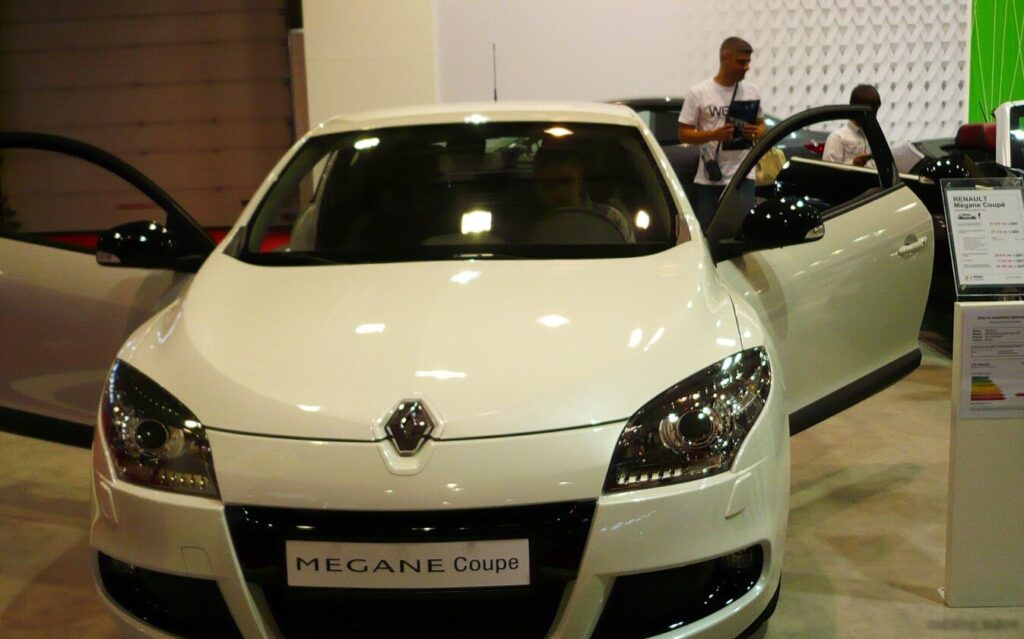
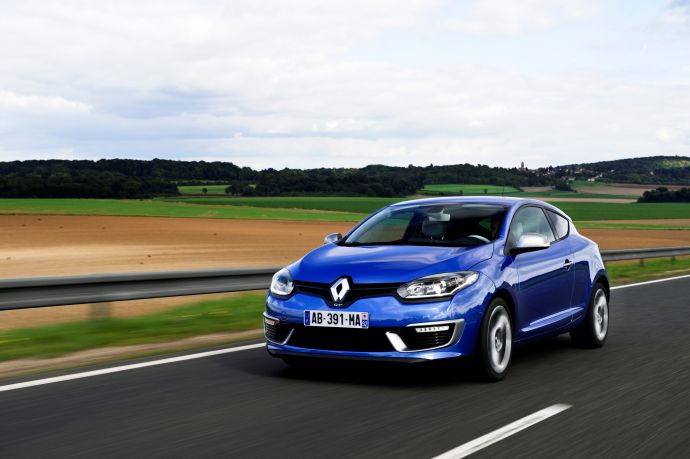
The Renault Megane III Coupe stood out from its more conventional siblings with its distinctively sporty and flowing design. Unlike the five-door hatchback, the coupe featured a more aggressive stance, a lower roofline, and sculpted body panels that emphasized its dynamic character. Despite its three-door configuration, it surprisingly offered seating for five, making it a versatile option for those who desired coupe aesthetics without sacrificing too much practicality. The length of 169.25 inches, width of 70.28 inches, and a height of 56.02 inches gave it compact dimensions suitable for navigating European cityscapes while maintaining a substantial road presence.
Inside, the Megane III Coupe offered a well-appointed cabin, characteristic of Renault’s focus on comfort and ergonomics. While specific trim levels and features varied by market, standard equipment typically included an anti-lock braking system (ABS) for enhanced safety, and an electric power steering system, which provided precise control and made maneuvering easier at lower speeds. The driver-focused cockpit, with clear instrumentation and intuitive controls, contributed to an engaging driving experience. Trunk space was practical for a coupe, offering a minimum of 12.15 cubic feet (344 liters) and expanding to a useful 35 cubic feet (991 liters) with the rear seats folded down, demonstrating a thoughtful blend of style and utility.
The suspension setup, featuring an independent MacPherson type in the front and a torsion beam at the rear, provided a comfortable ride quality while maintaining competent handling dynamics. Braking was handled by ventilated discs at the front and solid discs at the rear, ensuring confident stopping power. Various wheel and tire options were available, ranging from 205/55 R16 to more aggressive 225/40 R18 setups, allowing customers to tailor the car’s appearance and handling characteristics.
Technical Specifications
| Category | Specification |
|---|---|
| Brand | Renault |
| Model | Megane III Coupe (Phase III, 2014) |
| Engine Type | 1.6 Energy dCi (130 Hp) Start&Stop |
| Production Start | 2015 |
| Production End | 2016 |
| Body Type | Coupe, 3 Doors, 5 Seats |
| Powertrain Architecture | Internal Combustion Engine, Front Wheel Drive |
| Fuel Type | Diesel |
| Engine Displacement | 1.6 Liters (1598 cm3 / 97.52 cu. in.) |
| Cylinders | 4, Inline |
| Power | 130 Hp @ 4000 rpm |
| Torque | 236.02 lb-ft (320 Nm) @ 1750 rpm |
| Acceleration 0-60 mph | 9.3 seconds |
| Maximum Speed | 124.27 mph (200 km/h) |
| Fuel Economy (Combined) | 57.4 US mpg (4.1 l/100 km) |
| Fuel Economy (Urban) | 48 US mpg (4.9 l/100 km) |
| Fuel Economy (Extra Urban) | 63.6 US mpg (3.7 l/100 km) |
| CO2 Emissions | 106 g/km |
| Emission Standard | Euro 6 |
| Transmission | 6-speed manual |
| Kerb Weight | 2910.1 lbs (1320 kg) |
| Max. Weight | 4076.35 lbs (1849 kg) |
| Max Load | 1166.25 lbs (529 kg) |
| Trunk Space (Min/Max) | 12.15 – 35 cu. ft. (344 – 991 l) |
| Fuel Tank Capacity | 15.85 US gallons (60 l) |
| Length | 169.25 inches (4299 mm) |
| Width | 70.28 inches (1785 mm) |
| Height | 56.02 inches (1423 mm) |
| Wheelbase | 103.94 inches (2640 mm) |
| Ground Clearance | 4.72 inches (120 mm) |
| Front Suspension | Independent type McPherson |
| Rear Suspension | Torsion |
| Front Brakes | Ventilated discs |
| Rear Brakes | Disc |
| Assisting Systems | ABS (Anti-lock braking system) |
| Steering Type | Steering rack and pinion, Electric Power Steering |
| Tire Sizes | 205/55 R16 91H; 205/50 R17 89V; 225/40 R18 |
Legacy and Market Impact in Europe
The Renault Megane has historically been a cornerstone of the European compact car segment, consistently competing against formidable rivals such as the Volkswagen Golf, Ford Focus, Opel Astra, and Peugeot 308. The Megane III Coupe, and particularly the Phase III 1.6 Energy dCi variant, played a crucial role in Renault’s strategy to offer a more emotionally appealing and stylish option to buyers who might typically opt for a hot hatchback or a premium compact. It distinguished itself with its unique styling, which was often praised for its sleek lines and distinctive rear end, setting it apart from its more conventional competitors.
In a market where diesel engines were, and to some extent still are, highly prevalent and favored for their fuel efficiency and robust torque, the 1.6 Energy dCi engine was a significant draw. Its ability to meet strict Euro 6 emission standards while delivering strong performance and exceptional mileage resonated strongly with European consumers facing rising fuel costs and increasing environmental regulations. The “Energy” designation highlighted Renault’s dedication to developing highly efficient powertrains, incorporating technologies like Start&Stop to optimize consumption and reduce the ecological footprint.
The Megane III Coupe contributed to the overall reputation of the Megane family as a reliable, comfortable, and well-handling vehicle. While not a track-focused machine, it offered a balanced driving experience, blending a compliant ride with enough agility for enjoyable country road driving. Its relatively spacious cabin for a coupe and practical trunk space also enhanced its appeal, making it a viable option for small families or individuals seeking a stylish daily driver. The Megane III Coupe, with its sophisticated diesel engine, represented a compelling package for the European market, demonstrating Renault’s ability to combine attractive design with advanced, efficient powertrain technology in a highly competitive segment.