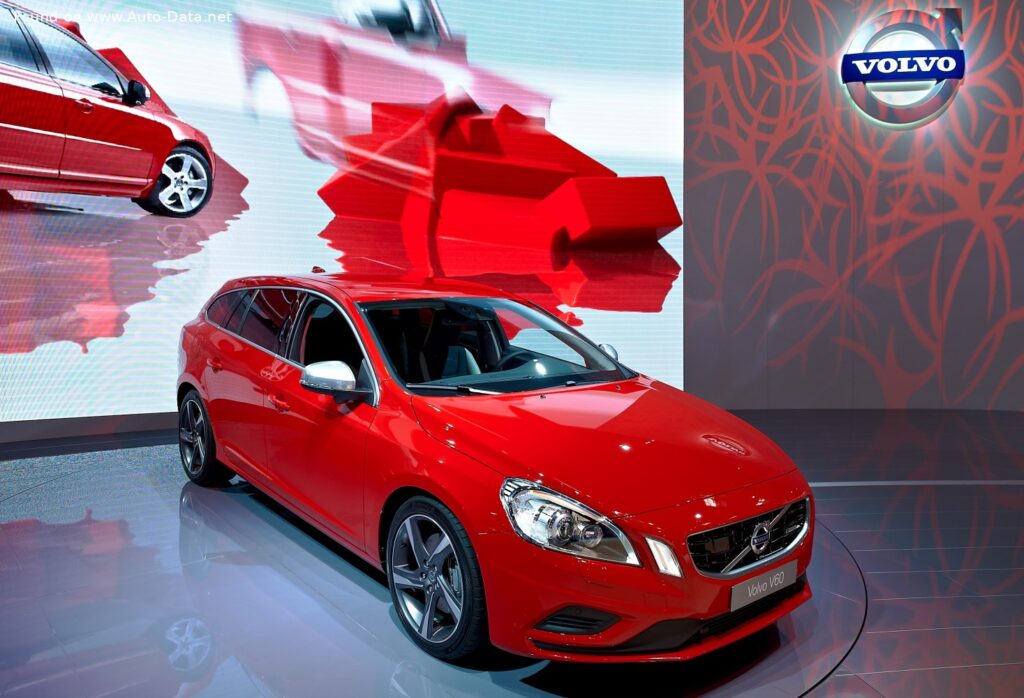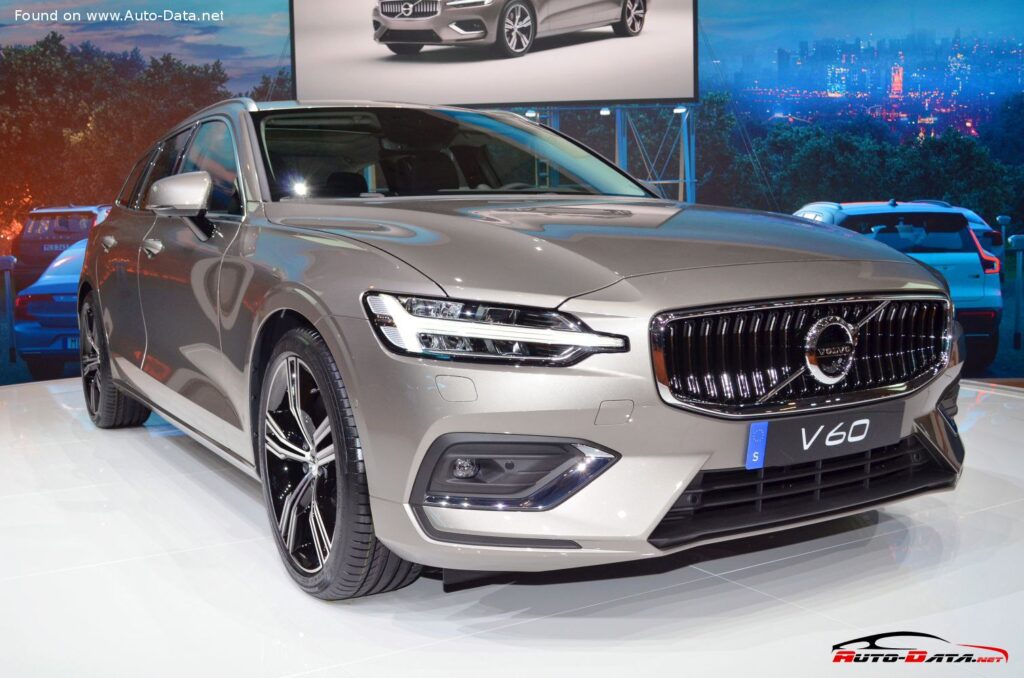
The Volvo V60 II 2.0 D3 (150 Hp): A European Mid-Size Premium Wagon
The Volvo V60 II 2.0 D3 (150 Hp) represents a significant iteration in Volvo’s commitment to the premium mid-size station wagon segment. Launched in July 2018 as part of the second generation V60, this particular variant, with its efficient D3 diesel powertrain, was a cornerstone offering primarily in the European market. Known for its elegant Scandinavian design, robust safety features, and practical versatility, the V60 II, built on Volvo’s advanced Scalable Product Architecture (SPA) platform, aimed to blend luxury, comfort, and a dynamic driving experience. While specific diesel variants like the D3 were not typically offered in the United States, the V60 II family as a whole continued Volvo’s tradition of offering sophisticated wagons to a discerning global audience, solidifying its reputation as a leader in this niche.
Engine and Performance of the Volvo V60 II 2.0 D3 (150 Hp)
At the heart of the Volvo V60 II 2.0 D3 (150 Hp) lies Volvo’s D4204T16 engine, a 2.0-liter (120.16 cubic inches) inline four-cylinder diesel unit. This engine, a testament to Volvo’s Drive-E powertrain philosophy, emphasizes efficiency and refined performance. Equipped with a turbocharger and intercooler, it delivers a respectable 150 horsepower at 3750 rpm. The power output per liter stands at 76.2 horsepower per liter, indicating a well-tuned and efficient engine design for its class.
Perhaps more critically for a diesel engine, the torque figures are impressive. The D3 generates 320 Nm (236.02 lb.-ft.) of torque, available across a broad rev range from 1750 to 3000 rpm. This wide torque band ensures strong, flexible acceleration and confident overtaking capabilities, making it particularly well-suited for varied driving conditions, from city commutes to highway cruising. Power is delivered to the front wheels via a standard 6-speed manual transmission, a choice that appeals to drivers who prefer direct engagement with the vehicle’s mechanics.
In terms of outright performance, the V60 II 2.0 D3 accelerates from 0 to 60 mph in an estimated 9.4 seconds (0-100 km/h in 9.9 seconds), with a top speed of 127.38 mph (205 km/h). While not a performance-oriented variant, these figures are more than adequate for daily driving and long-distance travel, aligning with the V60’s pragmatic and comfortable character.
Fuel economy was a major selling point for this diesel powertrain, especially in its target markets. According to WLTP (Worldwide Harmonized Light Vehicles Test Procedure) standards, combined fuel consumption ranged from 5.1-5.8 liters per 100 km, translating to an impressive 40.6 to 46.1 US mpg. Under the older NEDC equivalent (combined economy), it could achieve 4.3-4.5 liters per 100 km, or 52.3-54.7 US mpg. These figures underscore the D3’s efficiency, contributing to lower running costs and reduced environmental impact, with CO2 emissions ranging from 133-153 g/km.
Design and Features of the Volvo V60 II
The second-generation Volvo V60, including the 2.0 D3 variant, embodies Volvo’s modern design language, characterized by clean lines, elegant proportions, and a strong visual identity. As a 5-door station wagon (often referred to as an “estate” in Europe), it masterfully combines practicality with premium aesthetics. Its dimensions – 187.44 inches long, 72.83 inches wide (80.31 inches including mirrors), and 56.18 inches tall – give it a substantial yet graceful road presence. The long wheelbase of 113.07 inches contributes to both interior space and ride comfort.
Inside, the V60 II offers a sophisticated and ergonomically designed cabin with seating for five. Volvo’s commitment to interior comfort and material quality is evident, providing a serene environment for occupants. The primary focus of a wagon, however, is its cargo versatility. The V60 II excels here, offering a generous minimum trunk space of 29.7 cubic feet (841 liters), which expands to a cavernous 48.17 cubic feet (1364 liters) with the rear seats folded down. This makes it an ideal vehicle for families, outdoor enthusiasts, or anyone requiring substantial cargo capacity without sacrificing style.
Safety, a hallmark of the Volvo brand, is deeply integrated into the V60 II’s design. While specific safety features can vary by trim and region, the SPA platform itself is engineered for high levels of passive safety. Active safety systems, typically including ABS (Anti-lock Braking System) as standard, along with a suite of driver-assistance technologies (depending on specification), further enhance occupant protection and accident prevention. The vehicle features ventilated disc brakes at the front and disc brakes at the rear, ensuring strong stopping power. The suspension system, comprising a double wishbone setup at the front and a composite leaf spring at the rear, is tuned to provide a comfortable yet composed ride, characteristic of a premium European touring vehicle. The electric power steering system offers precise and responsive handling.
Technical Specifications: Volvo V60 II 2.0 D3 (150 Hp)
| Category | Specification |
|---|---|
| General Information | |
| Brand | Volvo |
| Model | V60 II |
| Type (Engine) | 2.0 D3 (150 Hp) |
| Production Start | July, 2018 |
| Production End | July, 2020 |
| Powertrain Architecture | Internal Combustion engine |
| Body Type | Station wagon (estate) |
| Seats | 5 |
| Doors | 5 |
| Performance Specifications | |
| Fuel Type | Diesel |
| Fuel Consumption (WLTP Combined) | 5.1-5.8 l/100 km (40.6-46.1 US mpg) |
| Fuel Consumption (Economy – Combined) | 4.3-4.5 l/100 km (52.3-54.7 US mpg) |
| CO2 Emissions (WLTP) | 133-153 g/km |
| Acceleration 0-60 mph | 9.4 sec |
| Acceleration 0-100 km/h | 9.9 sec |
| Maximum Speed | 127.38 mph (205 km/h) |
| Engine Specifications | |
| Power | 150 Hp @ 3750 rpm |
| Power per liter | 76.2 Hp/l |
| Torque | 320 Nm (236.02 lb.-ft.) @ 1750-3000 rpm |
| Engine Layout | Front, Transverse |
| Engine Model/Code | D4204T16 |
| Engine Displacement | 1969 cm³ (120.16 cu. in.) |
| Number of Cylinders | 4 |
| Engine Configuration | Inline |
| Cylinder Bore | 82 mm (3.23 in.) |
| Piston Stroke | 93.2 mm (3.67 in.) |
| Compression Ratio | 16:1 |
| Valves per Cylinder | 4 |
| Fuel Injection System | Diesel Commonrail |
| Engine Aspiration | Turbocharger, Intercooler |
| Engine Oil Capacity | 5.2 l (5.49 US qt) |
| Space, Volume and Weights | |
| Trunk Space (Minimum) | 841 l (29.7 cu. ft.) |
| Trunk Space (Maximum) | 1364 l (48.17 cu. ft.) |
| Fuel Tank Capacity | 55 l (14.53 US gal) |
| Max. Roof Load | 75 kg (165.35 lbs.) |
| Permitted Trailer Load (with brakes, 12%) | 1600-2000 kg (3527.4-4409.25 lbs.) |
| Dimensions | |
| Length | 4761 mm (187.44 in.) |
| Width | 1850 mm (72.83 in.) |
| Width with mirrors folded | 1916 mm (75.43 in.) |
| Width including mirrors | 2040 mm (80.31 in.) |
| Height | 1427 mm (56.18 in.) |
| Wheelbase | 2872 mm (113.07 in.) |
| Front Track | 1593-1610 mm (62.72-63.39 in.) |
| Rear Track | 1593-1610 mm (62.72-63.39 in.) |
| Ride Height (Ground Clearance) | 128 mm (5.04 in.) |
| Drag Coefficient (Cd) | 0.29 |
| Minimum Turning Circle | 11.0-11.7 m (36.09-38.39 ft.) |
| Drivetrain, Brakes and Suspension | |
| Drivetrain Architecture | Internal combustion engine drives the front wheels. |
| Drive Wheel | Front-wheel drive |
| Gearbox Type | 6 gears, manual transmission |
| Front Suspension | Double wishbone |
| Rear Suspension | Leaf spring (composite) |
| Front Brakes | Ventilated discs |
| Rear Brakes | Disc |
| Assisting Systems | ABS (Anti-lock Braking System) |
| Steering Type | Steering rack and pinion |
| Power Steering | Electric Steering |
Note: The rear suspension in modern SPA-platform Volvos, while technically a “leaf spring,” refers to a lightweight composite transverse leaf spring, which saves space and weight compared to traditional coil springs.
Legacy and Market Impact
The Volvo V60 II 2.0 D3 (150 Hp) played a crucial role in Volvo’s European product portfolio during its production run from 2018 to 2020. In markets where diesel engines remained a popular and practical choice, especially for long-distance drivers and company car fleets, the D3 variant offered a compelling blend of premium features, strong fuel economy, and environmental responsibility (for a diesel). It competed primarily in the fiercely contested European premium mid-size segment against rivals such as the BMW 3 Series Touring, Audi A4 Avant, and Mercedes-Benz C-Class Estate. While these German competitors often offered a broader range of performance-oriented engines, the V60 D3 carved out its niche with its distinctive Scandinavian luxury, emphasis on comfort, and unparalleled safety reputation.
Its historical significance lies in its embodiment of Volvo’s modern resurgence under Geely ownership. The V60 II, along with its larger S90/V90 siblings, showcased the versatility and elegance of the SPA platform, proving that Volvo could compete effectively with established luxury brands while maintaining its unique identity. The D3 engine, specifically, demonstrated Volvo’s continued commitment to efficient internal combustion engines alongside its rapidly expanding electrification strategy. For many European buyers, it represented the ideal family car: spacious, safe, stylish, and remarkably efficient.
Although this particular diesel variant was not marketed in the United States, the V60 nameplate itself resonates globally as a symbol of practical luxury. The V60 II’s success in its primary markets helped reinforce Volvo’s image as a sophisticated, design-led automaker, capable of delivering highly competitive vehicles that prioritize human-centric innovation and environmental consciousness. The V60 II D3 stands as a testament to Volvo’s ability to cater to specific regional market demands with tailored powertrain options, contributing significantly to its overall brand strength and market presence during its tenure.