The Renault Espace V 1.6 dCi (160 Hp) EDC: A European Crossover’s Evolution
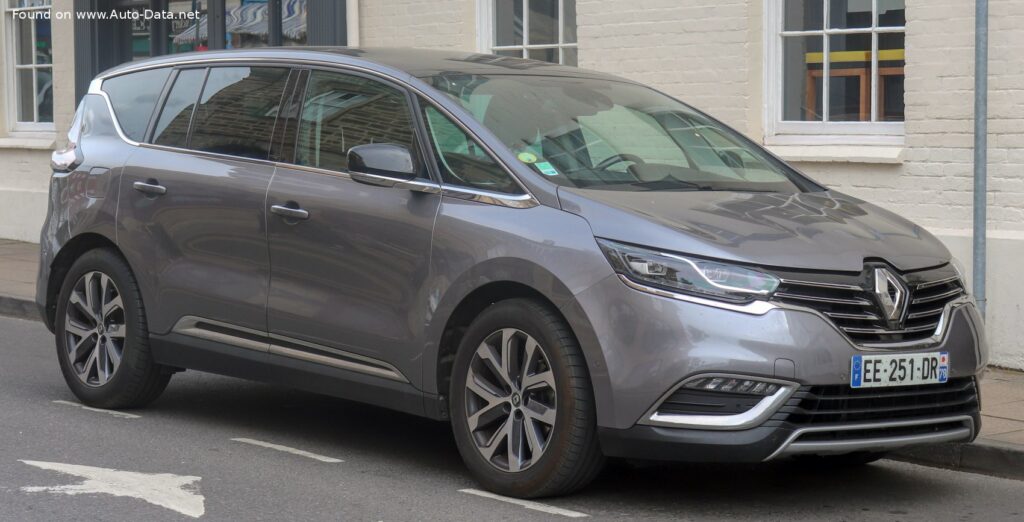
The Renault Espace V 1.6 dCi (160 Hp) EDC represents the fifth generation of Renault’s pioneering Espace model line, a vehicle that redefined the European family car segment. Launched in 2015 and produced until 2018 in this specific powertrain configuration, the Espace V marked a significant departure from its predecessors. While the Espace nameplate traditionally signified a groundbreaking minivan (Multi-Purpose Vehicle or MPV in Europe), the fifth generation boldly transitioned into a more crossover-like design, blending the practicality of a family hauler with the stylistic cues and elevated driving position of an SUV. This strategic shift aimed to capture the evolving preferences of European consumers, who were increasingly gravitating towards crossovers and SUVs. The Espace V, particularly with its efficient 1.6-liter dCi diesel engine and sophisticated EDC automatic transmission, was positioned as a premium, versatile, and fuel-efficient option within the competitive European market, a segment not typically served by such a model in the North American automotive landscape.
Engine and Performance of the Renault Espace V 1.6 dCi (160 Hp) EDC
At the heart of this particular Renault Espace V variant is the R9M 1.6-liter dCi (diesel Commonrail injection) four-cylinder engine. This powerplant, known for its compact design and robust performance, delivers a respectable 160 horsepower at 4000 rpm. Its strength, however, lies in its torque output, producing a substantial 280.27 lb.-ft. (380 Nm) available at a low 1750 rpm. This ample low-end torque is crucial for a vehicle of the Espace’s size and intended purpose, providing strong acceleration from a standstill and effortless cruising, especially when fully loaded or towing.
The engine’s architecture features an inline four-cylinder configuration with 16 valves (four per cylinder), fed by a common rail fuel injection system and boosted by a turbocharger with an intercooler. This combination ensures efficient combustion and a broad powerband. Despite its relatively modest displacement of 97.52 cubic inches (1598 cm³), the engine achieves a notable power per liter of 100.1 Hp/l, showcasing modern diesel engineering prowess.
Power is channeled to the front wheels through a 6-speed EDC (Efficient Dual Clutch) automatic transmission. This dual-clutch unit offers the convenience of an automatic with the efficiency and responsiveness often associated with manual gearboxes, contributing significantly to both performance and fuel economy. The Espace V 1.6 dCi (160 Hp) EDC accelerates from 0 to 60 mph in a swift 9.4 seconds (0-100 km/h in 9.9 seconds) and can reach a maximum speed of 125.52 mph (202 km/h). These figures demonstrate that despite its family-oriented nature, the Espace V offers more than adequate performance for European highways.
Fuel efficiency is a critical aspect for European diesel vehicles, and the Espace V excels here. It boasts a combined fuel economy of 50-51.1 US mpg (4.6-4.7 l/100 km), with extra urban figures reaching an impressive 53.5 US mpg (4.4 l/100 km). Urban consumption is rated at 46.1-47 US mpg (5.0-5.1 l/100 km). These figures, combined with CO2 emissions of 123 g/km, allow the vehicle to comply with the Euro 6b emission standard, making it an environmentally conscious choice for its segment during its production years. A particulate filter system further enhances its clean diesel credentials.
Design and Features of the Espace V
The fifth-generation Espace fundamentally reimagined the model’s identity. Moving away from the boxy, purely functional minivan aesthetic, the Espace V adopted a sleek, dynamic profile with a more aggressive front fascia and higher ground clearance, blurring the lines between a traditional MPV and a contemporary crossover. Its dimensions – 191.22 inches (4857 mm) in length, 74.33 inches (1888 mm) in width, and 66.02 inches (1677 mm) in height – provide a substantial road presence while ensuring ample interior volume. The 113.54-inch (2884 mm) wheelbase contributes to a stable ride and generous cabin space.
Inside, the Espace V was designed to offer a premium and technologically advanced experience. While this specific variant is listed with 5 seats, the Espace V platform typically allowed for flexible seating configurations, often including a 7-seat option in other markets or trims. The minimum trunk space of 24.01 cubic feet (680 liters) is exceptionally generous for a vehicle of this class, expanding to a cavernous 74.2 cubic feet (2101 liters) with the rear seats folded down, underscoring its utility as a family vehicle capable of swallowing significant cargo.
Key features for a vehicle of this era (2015-2018) would include a focus on connectivity, safety, and driving comfort. The Espace V typically came equipped with Renault’s R-Link 2 infotainment system, offering a large touchscreen display for navigation, media, and vehicle settings. Standard safety features included ABS (Anti-lock Braking System), and higher trims would have offered advanced driver-assistance systems (ADAS) like adaptive cruise control, lane departure warning, and blind-spot monitoring, reflecting the era’s push for enhanced automotive safety. The electric power steering system and McPherson strut front suspension, combined with a semi-independent rear suspension, were tuned to provide a comfortable yet engaging driving experience, characteristic of European family cars. The 18-inch wheels with 235/60 R18 tires further contributed to both the vehicle’s appearance and handling dynamics.
Technical Specifications: Renault Espace V 1.6 dCi (160 Hp) EDC
| Category | Specification | US/Imperial Equivalent |
|---|---|---|
| General Information | ||
| Brand | Renault | |
| Model | Espace | |
| Generation | Espace V | |
| Type (Engine) | 1.6 dCi (160 Hp) EDC | |
| Production Years | 2015 – 2018 | |
| Powertrain Architecture | Internal Combustion engine | |
| Body Type | Minivan, Crossover | |
| Seats | 5 | |
| Doors | 5 | |
| Performance Specs | ||
| Fuel Consumption (Urban) | 5.0-5.1 l/100 km | 47 – 46.1 US mpg |
| Fuel Consumption (Extra Urban) | 4.4 l/100 km | 53.5 US mpg |
| Fuel Consumption (Combined) | 4.6-4.7 l/100 km | 51.1 – 50 US mpg |
| CO2 Emissions | 123 g/km | |
| Fuel Type | Diesel | |
| Acceleration 0 – 62 mph (0-100 km/h) | 9.9 sec | |
| Acceleration 0 – 60 mph (Calculated) | 9.4 sec | |
| Maximum Speed | 202 km/h | 125.52 mph |
| Emission Standard | Euro 6 b | |
| Weight-to-power ratio | 10.4 kg/Hp | 96.4 Hp/tonne |
| Weight-to-torque ratio | 4.4 kg/Nm | 229.1 Nm/tonne |
| Engine Specs | ||
| Power | 160 Hp @ 4000 rpm | |
| Power per liter | 100.1 Hp/l | |
| Torque | 380 Nm @ 1750 rpm | 280.27 lb.-ft. @ 1750 rpm |
| Engine Layout | Front, Transverse | |
| Engine Model/Code | R9M | |
| Engine Displacement | 1598 cm³ | 97.52 cu. in. |
| Number of Cylinders | 4 | |
| Engine Configuration | Inline | |
| Cylinder Bore | 80 mm | 3.15 in. |
| Piston Stroke | 79.5 mm | 3.13 in. |
| Number of valves per cylinder | 4 | |
| Fuel Injection System | Diesel Commonrail | |
| Engine Aspiration | Turbocharger, Intercooler | |
| Engine Oil Capacity | 6.2 l | 6.55 US qt |
| Coolant Capacity | 7.2 l | 7.61 US qt |
| Engine Systems | Particulate filter | |
| Space, Volume and Weights | ||
| Kerb Weight | 1659 kg | 3657.47 lbs. |
| Max. Weight (GVWR) | 2471 kg | 5447.62 lbs. |
| Max Load | 812 kg | 1790.15 lbs. |
| Trunk (Boot) Space – Minimum | 680 l | 24.01 cu. ft. |
| Trunk (Boot) Space – Maximum | 2101 l | 74.2 cu. ft. |
| Fuel Tank Capacity | 58 l | 15.32 US gal |
| Permitted Trailer Load with Brakes (12%) | 2000 kg | 4409.25 lbs. |
| Permitted Trailer Load without Brakes | 750 kg | 1653.47 lbs. |
| Dimensions | ||
| Length | 4857 mm | 191.22 in. |
| Width | 1888 mm | 74.33 in. |
| Width with mirrors folded | 1914 mm | 75.35 in. |
| Width including mirrors | 2128 mm | 83.78 in. |
| Height | 1677 mm | 66.02 in. |
| Wheelbase | 2884 mm | 113.54 in. |
| Front Track | 1630 mm | 64.17 in. |
| Rear (Back) Track | 1621 mm | 63.82 in. |
| Front Overhang | 1034 mm | 40.71 in. |
| Rear Overhang | 939 mm | 36.97 in. |
| Ride Height (Ground Clearance) | 160 mm | 6.3 in. |
| Minimum Turning Circle (Diameter) | 12.4 m | 40.68 ft. |
| Drivetrain, Brakes and Suspension | ||
| Drivetrain Architecture | Front-wheel drive, Internal Combustion Engine | |
| Drive Wheel | Front-wheel drive | |
| Number of gears and type of gearbox | 6 gears, automatic transmission EDC | |
| Front Suspension | Independent, McPherson with coil spring and anti-roll bar | |
| Rear Suspension | Semi-independent, coil spring | |
| Front Brakes | Ventilated discs | |
| Rear Brakes | Disc | |
| Assisting Systems | ABS (Anti-lock braking system) | |
| Steering Type | Steering rack and pinion | |
| Power Steering | Electric Steering | |
| Tires Size | 235/60 R18 | |
| Wheel Rims Size | 18 inches |
Legacy and Market Impact of the Renault Espace V
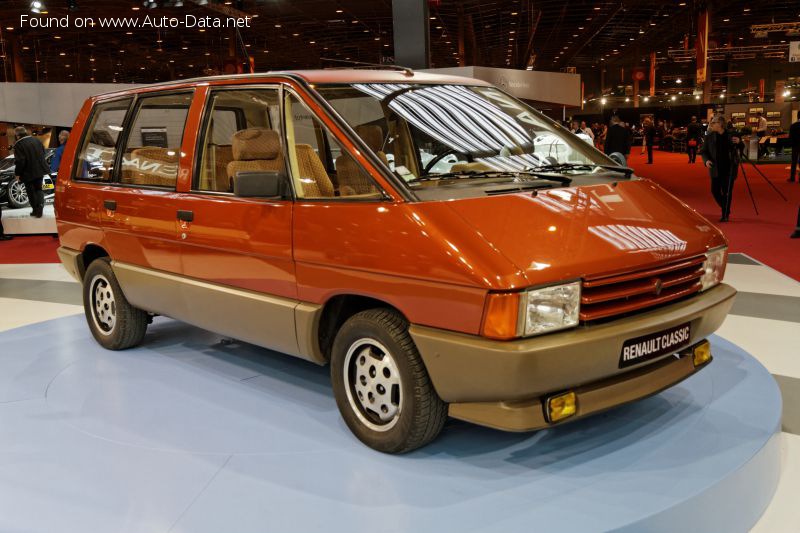
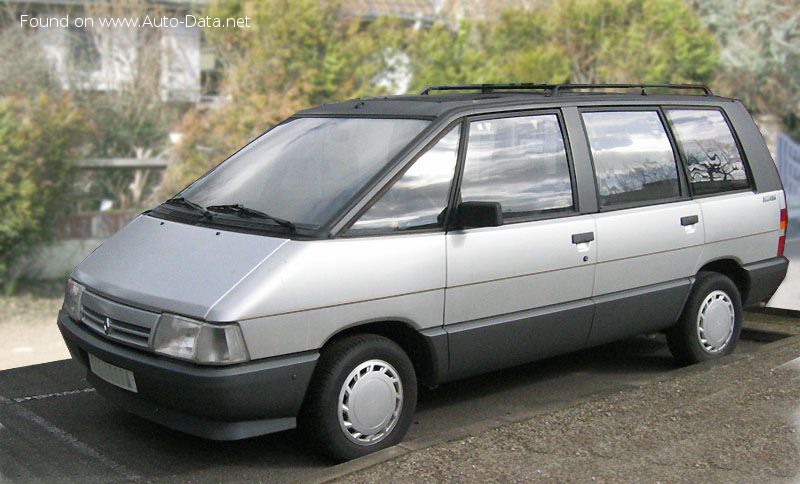
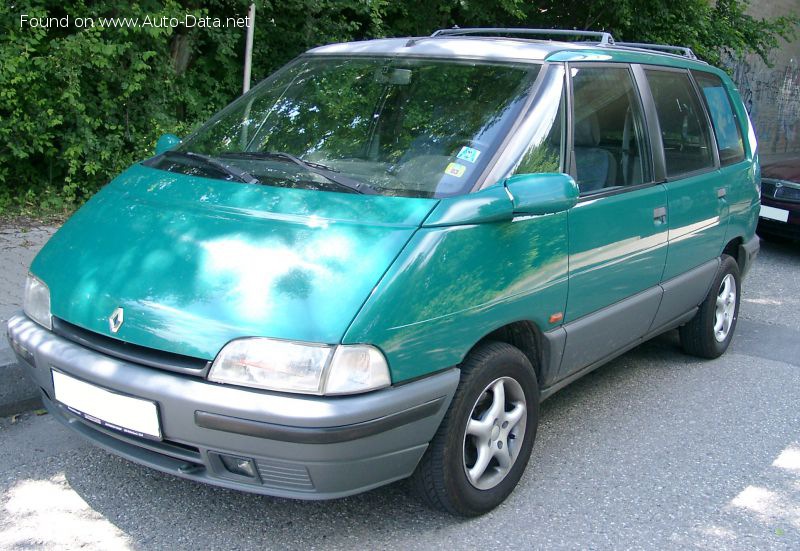
The Renault Espace holds a significant place in European automotive history as the progenitor of the modern minivan concept, first introduced in 1984. Each subsequent generation brought innovations, and the Espace V continued this tradition, albeit with a radical shift in philosophy. Its transformation from a pure minivan to a “crossover” or “crossover-minivan” hybrid was a bold move by Renault to adapt to changing market dynamics. The Espace V aimed to retain its core values of space, versatility, and comfort, while adding a more aspirational design and driving experience that resonated with SUV-loving consumers.
In its primary European market, the Renault Espace V 1.6 dCi (160 Hp) EDC competed against a diverse range of vehicles. Traditional MPV rivals included the Ford S-Max, Volkswagen Sharan, SEAT Alhambra, and the Citroën Grand C4 Picasso (later SpaceTourer). However, its crossover styling also pitted it against larger family SUVs like the Skoda Kodiaq, Peugeot 5008, and even some premium offerings from brands like Audi or BMW (though at a different price point). The Espace V carved out a niche by offering minivan-level practicality with a more stylish and less utilitarian aesthetic than its direct MPV competitors, and often superior interior flexibility compared to similarly sized SUVs.
The 1.6 dCi (160 Hp) EDC variant was particularly impactful due to its blend of performance and outstanding fuel economy. Diesel engines have historically been popular in Europe for their efficiency and torque, making this powertrain a compelling choice for families traveling long distances or requiring strong towing capabilities (up to 4409.25 lbs. with brakes). The Espace V’s commitment to efficiency, combined with its Euro 6b compliance, underscored Renault’s engineering prowess in developing clean and potent diesel powertrains for the mass market.
While the Espace V never officially made its way to the North American market, its design philosophy and technical advancements reflect global trends in automotive development. Its legacy is one of adaptation and innovation, demonstrating how a heritage nameplate can evolve to remain relevant in a rapidly changing industry. The Espace V showcased Renault’s ability to blend practicality with an emotional design, offering a unique proposition that resonated with European families seeking a versatile, stylish, and efficient vehicle that transcended traditional segment boundaries. It remains a testament to European automotive ingenuity in creating sophisticated and efficient family transportation solutions.