The Volkswagen Polo III Classic 1.9 TDI (90 Hp): A European Workhorse
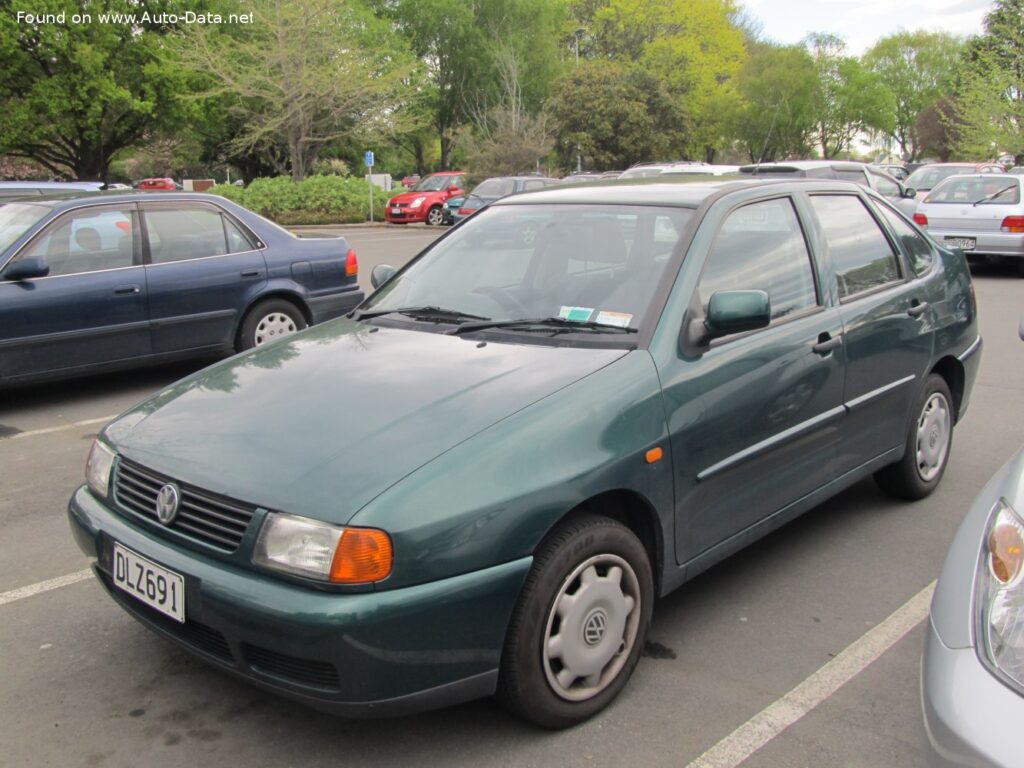
The Volkswagen Polo, a name synonymous with compact practicality and robust engineering, saw its third generation, internally designated Typ 6N, debut in 1994. While the hatchback variant was the most recognizable, Volkswagen also offered a sedan version, known as the Polo Classic, particularly for markets where a three-box design was preferred. The Volkswagen Polo III Classic 1.9 TDI (90 Hp), produced between 1996 and 2000, stood out as a particularly efficient and dependable choice within this range, leveraging Volkswagen’s renowned Turbocharged Direct Injection (TDI) diesel technology. This model carved a significant niche in European and other global markets, offering a blend of economical running costs, respectable performance, and surprising interior space for its subcompact classification, though it was never officially imported to the United States market.
The Polo III Classic represented a strategic move by Volkswagen to cater to a broader demographic, providing a more formal and spacious alternative to its hatchback sibling. Positioned firmly in the European B-segment (subcompact), it competed against a diverse array of vehicles, often appealing to buyers seeking an affordable, fuel-efficient daily driver with a useful trunk capacity. Its diesel powertrain, a hallmark of Volkswagen’s engineering prowess during this era, was a key differentiator, promising longevity and low fuel consumption – attributes highly valued by consumers outside North America.
Engine and Performance of the Volkswagen Polo III Classic 1.9 TDI (90 Hp)
At the heart of the Volkswagen Polo III Classic 1.9 TDI (90 Hp) was a powertrain designed for efficiency and durability. The 1.9-liter (1896 cm³, 115.7 cu. in.) inline four-cylinder diesel engine, identified by codes such as AHU or ALE, was a cornerstone of Volkswagen’s diesel lineup. This unit featured a single overhead camshaft (OHC) and two valves per cylinder, a configuration that prioritized reliability and low-end torque delivery over high-revving power.
The engine’s standout feature was its Turbocharged Direct Injection (TDI) system, which included an intercooler. This technology was revolutionary for its time, significantly improving fuel efficiency and reducing emissions compared to older indirect injection diesels. It allowed the engine to produce a healthy 90 horsepower at a modest 3750 rpm, translating to a power-per-liter figure of 47.5 Hp/l. More impressively for a vehicle of its stature, the engine delivered a robust 210 Nm (154.89 lb.-ft.) of torque at an exceptionally low 1900 rpm. This characteristic low-end torque made the Polo III Classic 1.9 TDI feel surprisingly sprightly in urban driving and provided ample pulling power for highway cruising, a key advantage for a car often used for longer journeys in Europe.
Mated to a 5-speed manual transmission, the front-wheel-drive Polo III Classic could accelerate from 0 to 60 mph in a respectable 11.4 seconds (0-100 km/h in 12 seconds), and reach a top speed of 111.85 mph (180 km/h). While not a performance car, these figures were more than adequate for its target market, highlighting its capability as a practical and economical vehicle. The engine’s compression ratio of 19:1 underscored its diesel nature, optimized for efficiency. With a curb weight of 2524.29 lbs. (1145 kg), the car achieved a weight-to-power ratio of 12.7 kg/Hp and an even more impressive weight-to-torque ratio of 5.5 kg/Nm, further emphasizing its responsive feel for everyday driving.
Design and Features of the Polo III Classic
The Volkswagen Polo III Classic adopted a conventional four-door, five-seat sedan body style, distinguishing itself from the more common hatchback. With a length of 163.94 inches (4164 mm), a width of 64.57 inches (1640 mm), and a height of 55.67 inches (1414 mm), it presented a compact yet well-proportioned silhouette. The wheelbase of 96.1 inches (2441 mm) contributed to a stable ride quality for its class, while front and rear track widths of 56.26 inches (1429 mm) and 55.51 inches (1410 mm) respectively ensured competent handling.
In terms of practicality, the Polo III Classic excelled with its spacious trunk, offering a minimum capacity of 16.07 cu. ft. (455 liters), expandable to 26.84 cu. ft. (760 liters) with the rear seats folded, a significant advantage over its hatchback counterpart for families or individuals requiring more cargo space. The fuel tank capacity of 11.89 US gallons (45 liters) combined with the TDI engine’s efficiency provided an excellent cruising range, a highly desirable trait for European drivers.
Standard features for the era included a hydraulic rack and pinion steering system, offering direct and predictable feedback. For safety, the Polo III Classic was equipped with an Anti-lock Braking System (ABS), a crucial active safety feature that was becoming more common in subcompacts during the late 1990s. The braking system comprised disc brakes at the front and drum brakes at the rear, a typical setup for vehicles in this segment. Suspension was handled by a wishbone setup at the front and a suspension with traction connecting levers at the rear, providing a comfortable ride without sacrificing stability. The car rode on 185/60 R14 tires mounted on 6J x 14 wheel rims, a practical size offering a good balance of grip and ride comfort.
Technical Specifications
| Category | Specification |
|---|---|
| Brand | Volkswagen |
| Model | Polo III Classic |
| Type (Engine) | 1.9 TDI (90 Hp) |
| Production Start | 1996 year |
| Production End | 2000 year |
| Powertrain Architecture | Internal Combustion engine |
| Body type | Sedan |
| Seats | 5 |
| Doors | 4 |
| Performance Specs | |
| Fuel Type | Diesel |
| Acceleration 0 – 60 mph | 11.4 sec |
| Maximum speed | 111.85 mph (180 km/h) |
| Weight-to-power ratio | 12.7 kg/Hp |
| Weight-to-torque ratio | 5.5 kg/Nm |
| Engine Specs | |
| Power | 90 Hp @ 3750 rpm |
| Power per liter | 47.5 Hp/l |
| Torque | 154.89 lb.-ft. (210 Nm) @ 1900 rpm |
| Engine layout | Front, Transverse |
| Engine Model/Code | AHU, ALE |
| Engine displacement | 1.9 l (1896 cm³, 115.7 cu. in.) |
| Number of cylinders | 4 |
| Engine configuration | Inline |
| Compression ratio | 19:1 |
| Number of valves per cylinder | 2 |
| Fuel injection system | Direct injection |
| Engine aspiration | Turbocharger, Intercooler |
| Valvetrain | OHC |
| Engine oil capacity | 4.54 US qt (4.3 l) |
| Coolant capacity | 6.34 US qt (6 l) |
| Space, Volume and Weights | |
| Kerb Weight | 2524.29 lbs. (1145 kg) |
| Max. weight | 3538.42 lbs. (1605 kg) |
| Max load | 1014.13 lbs. (460 kg) |
| Trunk (boot) space – minimum | 16.07 cu. ft. (455 l) |
| Trunk (boot) space – maximum | 26.84 cu. ft. (760 l) |
| Fuel tank capacity | 11.89 US gal (45 l) |
| Dimensions | |
| Length | 163.94 in. (4164 mm) |
| Width | 64.57 in. (1640 mm) |
| Height | 55.67 in. (1414 mm) |
| Wheelbase | 96.1 in. (2441 mm) |
| Front track | 56.26 in. (1429 mm) |
| Rear (Back) track | 55.51 in. (1410 mm) |
| Drivetrain, Brakes and Suspension Specs | |
| Drivetrain Architecture | Front-wheel drive, Internal Combustion engine |
| Drive wheel | Front wheel drive |
| Number of gears and type of gearbox | 5 gears, manual transmission |
| Front suspension | Wishbone |
| Rear suspension | Suspension with traction connecting levers |
| Front brakes | Disc |
| Rear brakes | Drum |
| Assisting systems | ABS (Anti-lock braking system) |
| Steering type | Steering rack and pinion |
| Power steering | Hydraulic Steering |
| Tires size | 185/60 R14 |
| Wheel rims size | 6J x 14 |
Legacy and Market Impact of the Volkswagen Polo III Classic 1.9 TDI (90 Hp)
The Volkswagen Polo III Classic 1.9 TDI (90 Hp) played a crucial role in Volkswagen’s global strategy, particularly in markets outside of North America. It represented a segment where affordability, practicality, and especially fuel efficiency were paramount. While the Polo nameplate is well-known globally, the Classic sedan variant specifically addressed the demand for a compact, four-door vehicle with a distinct trunk, which was often preferred over hatchbacks in Southern European, Eastern European, and certain Asian and Latin American markets.
Its reputation was built on several pillars: the legendary robustness and fuel economy of the 1.9 TDI engine, Volkswagen’s perceived quality and reliability, and its straightforward, no-nonsense design. The 90 Hp TDI engine, in particular, was a workhorse, known for its longevity and low running costs, making it a favorite among taxi drivers, small businesses, and families on a budget. This engine helped solidify Volkswagen’s leadership in diesel passenger cars during the late 1990s and early 2000s.
In its primary markets, the Polo III Classic 1.9 TDI (90 Hp) faced competition from a range of subcompact sedans, including models like the Fiat Siena, Opel Corsa Sedan (also known as the Chevrolet Corsa Classic in some markets), Ford Fiesta Sedan, and Renault Clio Symbol/Thalia. What set the Polo Classic apart was often its superior build quality, the refinement and efficiency of its TDI engine, and the strong Volkswagen brand image, which often commanded a slight premium but was justified by perceived durability and resale value.
The car’s historical significance lies in its contribution to making diesel technology accessible and desirable in the mainstream compact segment. It demonstrated that a small, affordable car could offer impressive torque and excellent fuel economy without sacrificing too much in terms of performance or comfort. For many, it was an introduction to the benefits of direct-injection diesel engines, paving the way for wider acceptance of diesel powertrains in passenger vehicles globally. Although never sold in the U.S., the Volkswagen Polo III Classic 1.9 TDI (90 Hp) remains a testament to Volkswagen’s engineering philosophy of creating durable, efficient, and practical vehicles that met the specific needs of diverse international markets.