The Rover 800 Hatchback 820 Sport: A British Executive Performer (1994-1996)
The Rover 800 Hatchback 820 Sport (197 Hp) represents a distinctive chapter in the history of the British automotive industry. Launched in 1994 as part of the second-generation Rover 800 series (often referred to as the R17 facelift), this particular variant carved out a niche as a performance-oriented executive hatchback. Positioned as the flagship model for the brand in the UK and European markets, the Rover 800 aimed to combine traditional British luxury and comfort with contemporary engineering and a dash of sporting prowess. While never officially sold in the United States, the 800 series was Rover’s answer to the competitive European executive car segment, competing against established rivals from Germany, Sweden, and Japan. The 820 Sport variant, with its potent powertrain and practical hatchback body style, offered a compelling blend of everyday usability and genuine performance for its era.
Evolution of the Rover 800 Hatchback
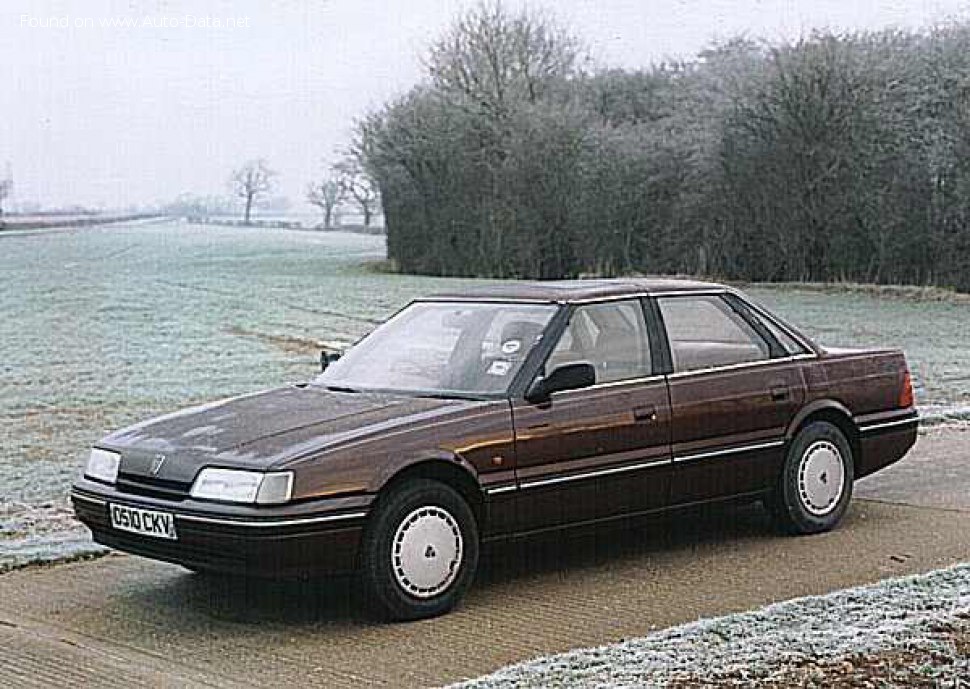
The Rover 800 series itself had a complex lineage, initially developed in collaboration with Honda and sharing platforms with the Honda Legend (known as the Acura Legend in North America). By the time the R17 facelift arrived in 1991, Rover had significantly re-engineered the vehicle, moving away from some of its Honda roots to infuse more of its own design and engineering philosophy. The 800 Hatchback, a versatile 5-door configuration, was a popular choice, offering greater practicality than its sedan counterpart. The 1994-1996 model years saw the range mature, with the 820 Sport variant standing out as a particularly performance-focused offering. It was a testament to Rover’s ambition to offer a truly competitive product in a demanding market, embodying a blend of traditional craftsmanship and modern performance capabilities.
Engine and Performance of the Rover 800 Hatchback 820 Sport
At the heart of the Rover 800 Hatchback 820 Sport (197 Hp) was a robust internal combustion engine, specifically the T16T unit. While its designation might suggest a turbocharged variant, the provided technical data indicates this particular 820 Sport was equipped with a naturally aspirated engine. This is a remarkable detail, as achieving 197 horsepower from a naturally aspirated 2.0-liter four-cylinder engine in 1994 was an impressive feat, placing it among the most powerful non-turbocharged engines in its class at the time. This high output underscored the “Sport” designation, promising brisk acceleration and an engaging driving experience.
The T16T engine, running on petrol (gasoline), was known for its durability and responsiveness. With 197 horsepower on tap, the 820 Sport offered compelling performance for an executive hatchback, allowing it to keep pace with, and in some cases outperform, its more overtly sporting rivals. The engine’s design would have focused on efficient breathing and a relatively high compression ratio to extract such significant power without forced induction. The meticulous engineering required to develop such an engine highlights Rover’s technical capabilities during this period.
Maintaining optimal engine health for such a high-performance naturally aspirated unit was crucial. The engine required 4.5 liters (4.76 US quarts) of engine oil, a standard capacity for a four-cylinder of its size. The cooling system, with a capacity of 8.5 liters (8.98 US quarts), was equally critical for managing the heat generated by the powerful engine, ensuring reliability and consistent performance even under demanding conditions. This combination of power and careful engineering made the 820 Sport a dynamic and respectable performer in its segment.
Design and Features
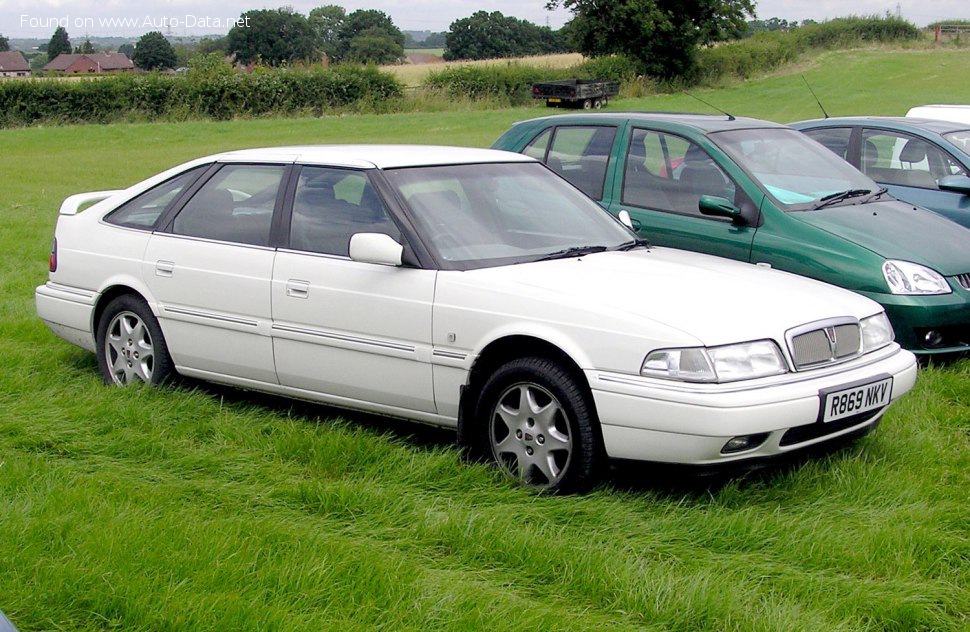
The Rover 800 Hatchback presented a sophisticated and somewhat understated design that reflected its executive aspirations. The 5-door hatchback body style provided an excellent balance between elegant aesthetics and practical utility. With seating for five occupants, the 800 Hatchback offered ample space for families or business travelers, complemented by a generous cargo area accessible via the large rear tailgate.
Externally, the R17 facelift models, including the 820 Sport, featured a more rounded and contemporary look compared to the earlier 800s. A redesigned front fascia with a more prominent grille, updated headlights, and smoother body lines gave the car a more cohesive and modern appearance. The “Sport” variant likely featured subtle visual cues to denote its performance pedigree, such as specific alloy wheel designs, perhaps a slightly lowered suspension, or discreet badging, without resorting to overly aggressive styling that would detract from its executive image.
Inside, the Rover 800 Hatchback was renowned for its traditional British luxury. High-quality materials were a hallmark, often including real wood trim on the dashboard and door panels, along with plush fabric or leather upholstery. Features common for an executive car of the mid-1990s would have included power windows and mirrors, central locking, air conditioning, and a premium audio system. Safety features, while not as advanced as modern vehicles, would have typically included anti-lock braking systems (ABS), airbags for the driver and front passenger, and robust chassis construction designed to meet contemporary safety standards. The cabin environment was designed to be comfortable and refined, providing a serene experience for both driver and passengers, even when exploiting the car’s performance capabilities.
Technical Specifications: Rover 800 Hatchback 820 Sport (197 Hp)
| Category | Specification |
|---|---|
| Brand | Rover |
| Model | 800 |
| Generation | 800 Hatchback |
| Type (Engine) | 820 Sport (197 Hp) |
| Start of Production | 1994 year |
| End of Production | 1996 year |
| Powertrain Architecture | Internal Combustion engine |
| Body type | Hatchback |
| Seats | 5 |
| Doors | 5 |
| Fuel Type | Petrol (Gasoline) |
| Power | 197 Hp |
| Engine Model/Code | T16T |
| Engine Aspiration | Naturally aspirated engine |
| Engine oil capacity | 4.5 L (4.76 US qt) |
| Coolant | 8.5 L (8.98 US qt) |
Legacy and Market Impact
The Rover 800 Hatchback 820 Sport (197 Hp) holds a unique place in automotive history, particularly within the context of the British car industry. It represented Rover’s earnest attempt to compete in the challenging executive car market, a segment traditionally dominated by German marques like BMW (5 Series) and Mercedes-Benz (E-Class), as well as strong contenders from Sweden (Volvo 850) and Japan (Saab 9000, Honda Legend, Toyota Camry). In its home market, it also faced domestic competition from the Ford Scorpio and Vauxhall Omega.
The 820 Sport’s reputation was built on its blend of refinement, comfort, and surprisingly strong performance. The 197-horsepower naturally aspirated engine was a significant talking point, offering enthusiastic drivers a spirited experience without the complexities of forced induction often associated with high-performance variants. This made it a somewhat niche but highly respected choice for those seeking a distinguished British executive car with a sporting edge.
Historically, the 800 series, and specifically its performance variants like the 820 Sport, showcased Rover’s engineering capabilities and its commitment to offering premium products. It was a testament to the brand’s resilience and its ambition to retain a foothold in the upper echelons of the automotive market, even as its corporate landscape was undergoing significant changes. The car’s elegant styling, luxurious interior appointments, and robust powertrain contributed to its appeal among buyers who appreciated a blend of tradition and performance.
While the Rover 800 series eventually ceased production, making way for the smaller 75, the 820 Sport remains a noteworthy example of a British executive car that dared to challenge established norms. Its legacy is one of a capable and comfortable cruiser that could also deliver an exciting drive, a true reflection of Rover’s efforts to combine its heritage with contemporary demands for performance and practicality. Today, well-preserved examples of the 820 Sport are appreciated by enthusiasts for their unique character, performance, and their significant role in the latter-day history of the Rover brand.