The Renault Espace V 1.6 TCe (200 Hp) EDC 7 Seat: A European Crossover MPV Redefined
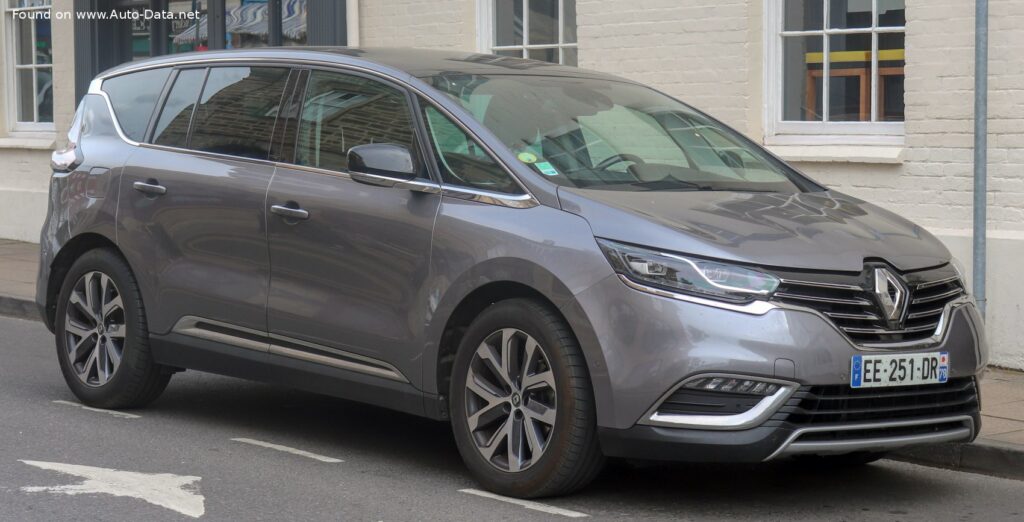
The Renault Espace V 1.6 TCe (200 Hp) EDC 7 Seat represents the fifth generation of Renault’s pioneering Espace model line, a vehicle that fundamentally reshaped the European automotive landscape for multi-purpose vehicles (MPVs). Introduced in 2015, this iteration marked a significant departure from its predecessors, transitioning from a traditional, boxy minivan silhouette to a more dynamic, crossover-inspired design. While never officially sold in the United States, the Espace V played a crucial role in the European market, offering a sophisticated blend of family practicality, advanced technology, and a more assertive aesthetic. This specific variant, produced between 2015 and 2017, featured a potent 1.6-liter turbocharged engine coupled with a modern dual-clutch automatic transmission, positioning it as a premium contender in the evolving family vehicle segment.
Evolution and Market Positioning of the Renault Espace V
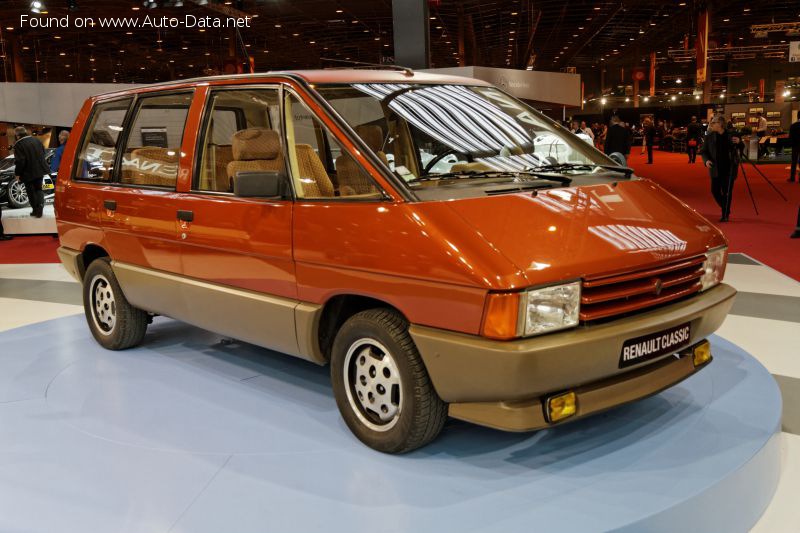
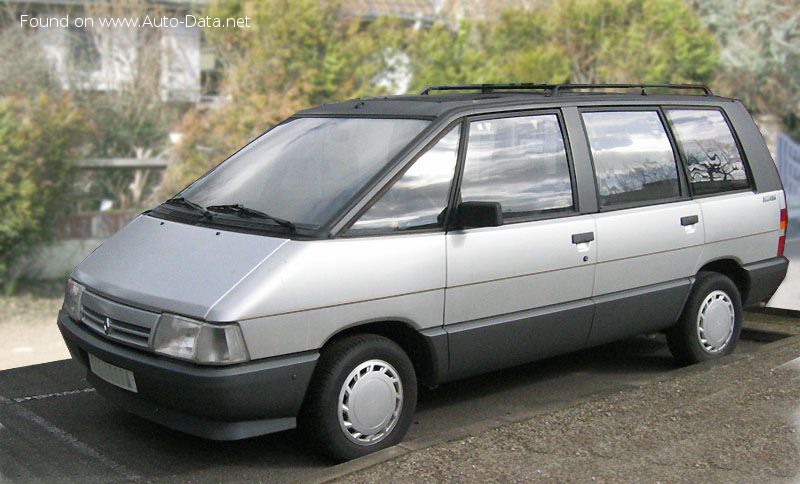
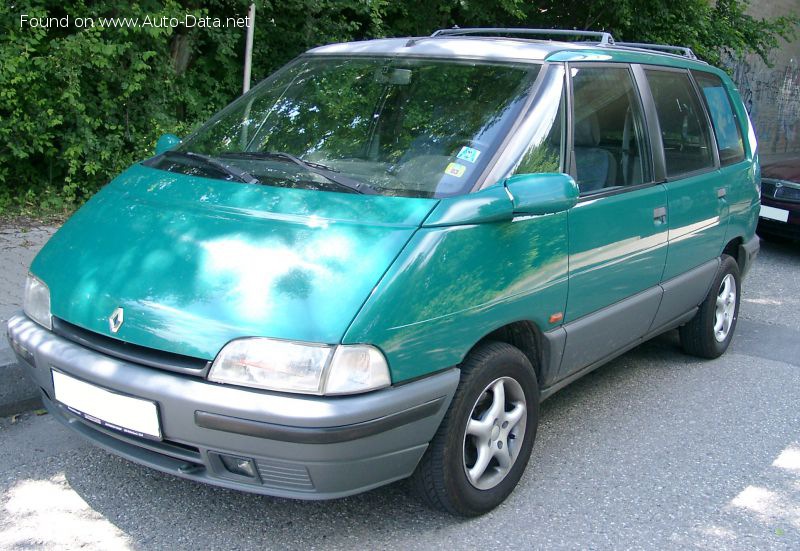
The original Renault Espace, launched in 1984, is often credited with inventing the modern European MPV segment. For decades, it set the benchmark for spaciousness, versatility, and innovative interior design. However, by the mid-2010s, the market had shifted dramatically, with SUVs and crossovers increasingly dominating consumer preferences. Renault responded to this trend with the Espace V, transforming it into a vehicle that blended the traditional strengths of an MPV—generous interior space, modular seating, and family-friendliness—with the elevated driving position, rugged styling cues, and perceived prestige of a crossover.
This strategic repositioning aimed to capture a broader audience, appealing to those who desired the practicality of a seven-seater but were drawn to the contemporary aesthetics of an SUV. The Espace V, therefore, became a testament to Renault’s adaptability and willingness to innovate within its core product lines, offering a distinctive proposition in a highly competitive segment. Its premium aspirations were evident in its design, material quality, and the advanced features it offered to European consumers.
Engine and Performance
Under the hood, the Renault Espace V 1.6 TCe (200 Hp) EDC 7 Seat featured a sophisticated powertrain designed to deliver a balance of performance and efficiency. The heart of this variant was Renault’s M5M-code 1.6-liter (1618 cm³ or 98.74 cu. in.) turbocharged inline-four gasoline engine. This compact yet powerful unit was equipped with direct fuel injection and an intercooler, allowing it to produce a robust 200 horsepower at 5750 rpm. Torque output was equally impressive for its displacement, generating 191.77 lb.-ft. (260 Nm) at a relatively low 2500 rpm, ensuring strong pulling power across the rev range.
Power was sent to the front wheels via Renault’s Efficient Dual Clutch (EDC) 7-speed automatic transmission. This advanced gearbox provided smooth and rapid gear changes, contributing significantly to both driving dynamics and fuel economy. The combination of the turbocharged engine and the precise EDC transmission allowed the Espace V to accelerate from 0 to 60 mph in a respectable 8.2 seconds, with a top speed of 131.11 mph.
Despite its performance capabilities, this Espace variant also demonstrated commendable fuel efficiency for a vehicle of its size and seating capacity. It achieved an estimated combined fuel economy of 37.9 US mpg (6.2 l/100 km), with urban consumption rated at 30.2 US mpg and extra-urban at 44.4 US mpg. CO2 emissions were kept to 140 g/km, meeting the stringent Euro 6b emission standard, underscoring Renault’s commitment to environmental responsibility alongside performance. The engine’s architecture, with four valves per cylinder and a front, transverse layout, optimized packaging and weight distribution.
Design and Features
The design of the Renault Espace V was a radical departure from its predecessors, embracing a sleek, modern aesthetic that blurred the lines between a traditional minivan and a contemporary crossover. Its body type was officially classified as a Minivan/Crossover, reflecting its dual appeal. The vehicle featured five doors and a versatile seven-seat configuration, prioritizing passenger comfort and cargo flexibility.
Dimensionally, the Espace V was a substantial vehicle, measuring 191.22 inches in length, 74.33 inches in width (83.78 inches including mirrors), and 66.02 inches in height. A generous wheelbase of 113.54 inches contributed to a spacious interior and stable ride. With a ground clearance of 6.3 inches, it offered a slightly elevated stance compared to conventional sedans, reinforcing its crossover credentials without compromising ease of entry and exit. The vehicle’s curb weight stood at 3547.24 lbs., which, combined with the 200 HP engine, resulted in a weight-to-power ratio of 8 kg/Hp (124.3 Hp/tonne).
The interior was designed with modularity in mind, offering a minimum trunk space of 8.72 cu. ft. with all seats in place, expanding to an impressive 71.87 cu. ft. when the rear seats were folded, making it highly adaptable for various family needs. Safety features, standard for modern European vehicles, included ABS (Anti-lock Braking System), with ventilated discs at the front and disc brakes at the rear providing confident stopping power. The electric power steering system offered light and precise control, enhancing maneuverability, particularly given its 40.68 ft. turning circle. The Espace V rode on 18-inch wheels fitted with 235/60 R18 tires, providing a comfortable ride and ample grip. The suspension system comprised an independent McPherson setup with coil springs and an anti-roll bar at the front, complemented by a semi-independent, coil spring rear suspension, tuned for a refined ride quality.
Technical Specifications: Renault Espace V 1.6 TCe (200 Hp) EDC 7 Seat (2015-2017)
| Category | Specification |
|---|---|
| General Information | |
| Brand | Renault |
| Model | Espace V |
| Type (Engine) | 1.6 TCe (200 Hp) EDC 7 Seat |
| Production Start | 2015 |
| Production End | 2017 |
| Powertrain Architecture | Internal Combustion Engine |
| Body Type | Minivan, Crossover |
| Seats | 7 |
| Doors | 5 |
| Performance Specs | |
| Fuel Consumption (Urban) | 30.2 US mpg (7.8 l/100 km) |
| Fuel Consumption (Extra Urban) | 44.4 US mpg (5.3 l/100 km) |
| Fuel Consumption (Combined) | 37.9 US mpg (6.2 l/100 km) |
| CO2 Emissions | 140 g/km |
| Fuel Type | Petrol (Gasoline) |
| Acceleration 0-60 mph | 8.2 seconds |
| Acceleration 0-62 mph (0-100 km/h) | 8.6 seconds |
| Maximum Speed | 131.11 mph (211 km/h) |
| Emission Standard | Euro 6 b |
| Weight-to-Power Ratio | 8 kg/Hp (124.3 Hp/tonne) |
| Weight-to-Torque Ratio | 6.2 kg/Nm (161.6 Nm/tonne) |
| Engine Specs | |
| Power | 200 Hp @ 5750 rpm |
| Power per liter | 123.6 Hp/l |
| Torque | 191.77 lb.-ft. (260 Nm) @ 2500 rpm |
| Engine Layout | Front, Transverse |
| Engine Model/Code | M5M |
| Engine Displacement | 1.6 liters (1618 cm³, 98.74 cu. in.) |
| Number of Cylinders | 4 |
| Engine Configuration | Inline |
| Cylinder Bore | 3.14 in. (79.7 mm) |
| Piston Stroke | 3.19 in. (81.1 mm) |
| Valves per Cylinder | 4 |
| Fuel Injection System | Direct Injection |
| Engine Aspiration | Turbocharger, Intercooler |
| Engine Oil Capacity | 4.54 US qt (4.3 l) |
| Coolant Capacity | 5.71 US qt (5.4 l) |
| Space, Volume, and Weights | |
| Kerb Weight | 3547.24 lbs. (1609 kg) |
| Max. Weight | 5313.14 lbs. (2410 kg) |
| Max Load | 1765.9 lbs. (801 kg) |
| Trunk (boot) Space (Min) | 8.72 cu. ft. (247 l) |
| Trunk (boot) Space (Max) | 71.87 cu. ft. (2035 l) |
| Fuel Tank Capacity | 15.32 US gal (58 l) |
| Permitted Trailer Load (with brakes) | 4409.25 lbs. (2000 kg) |
| Permitted Trailer Load (without brakes) | 1653.47 lbs. (750 kg) |
| Dimensions | |
| Length | 191.22 in. (4857 mm) |
| Width | 74.33 in. (1888 mm) |
| Width with mirrors folded | 75.35 in. (1914 mm) |
| Width including mirrors | 83.78 in. (2128 mm) |
| Height | 66.02 in. (1677 mm) |
| Wheelbase | 113.54 in. (2884 mm) |
| Front Track | 64.17 in. (1630 mm) |
| Rear Track | 63.82 in. (1621 mm) |
| Front Overhang | 40.71 in. (1034 mm) |
| Rear Overhang | 36.97 in. (939 mm) |
| Ride Height (Ground Clearance) | 6.3 in. (160 mm) |
| Minimum Turning Circle | 40.68 ft. (12.4 m) |
| Drivetrain, Brakes, and Suspension Specs | |
| Drivetrain Architecture | Front-wheel drive, Internal Combustion Engine |
| Drive Wheel | Front-wheel drive |
| Number of Gears / Gearbox Type | 7 gears, automatic transmission EDC |
| Front Suspension | Independent, McPherson with coil spring and anti-roll bar |
| Rear Suspension | Semi-independent, coil spring |
| Front Brakes | Ventilated discs |
| Rear Brakes | Disc |
| Assisting Systems | ABS (Anti-lock Braking System) |
| Steering Type | Steering rack and pinion |
| Power Steering | Electric Steering |
| Tires Size | 235/60 R18 |
| Wheel Rims Size | 18 inches |
Legacy and Market Impact
The Renault Espace V represented a bold reinvention of a storied nameplate. By embracing a crossover aesthetic, Renault aimed to revitalize the Espace’s appeal in a market increasingly dominated by SUVs. Its primary competitors in the European market included other versatile family vehicles like the Ford S-Max, Volkswagen Sharan, Peugeot 5008, and Citroën Grand C4 Picasso, all vying for a share of the family-oriented segment. The Espace V stood out with its distinctive styling, which blended SUV-like proportions with the traditional MPV strengths of spaciousness and modularity.
While it may not have recaptured the groundbreaking sales figures of the first few Espace generations, the fifth-generation model successfully repositioned the Espace as a more stylish and aspirational vehicle. It demonstrated Renault’s ability to adapt to changing consumer tastes and to innovate within its established segments. The 1.6 TCe (200 Hp) EDC 7 Seat variant, in particular, offered a compelling package of spirited performance, impressive fuel economy, and ample space, making it a strong choice for European families seeking a sophisticated and capable multi-purpose vehicle. Its legacy lies in its role as a transitional model, bridging the gap between the traditional minivan and the burgeoning crossover market, and proving that the concept of a versatile family hauler could evolve with contemporary design trends. It remains a testament to Renault’s engineering prowess and its understanding of the nuances of the European automotive consumer.