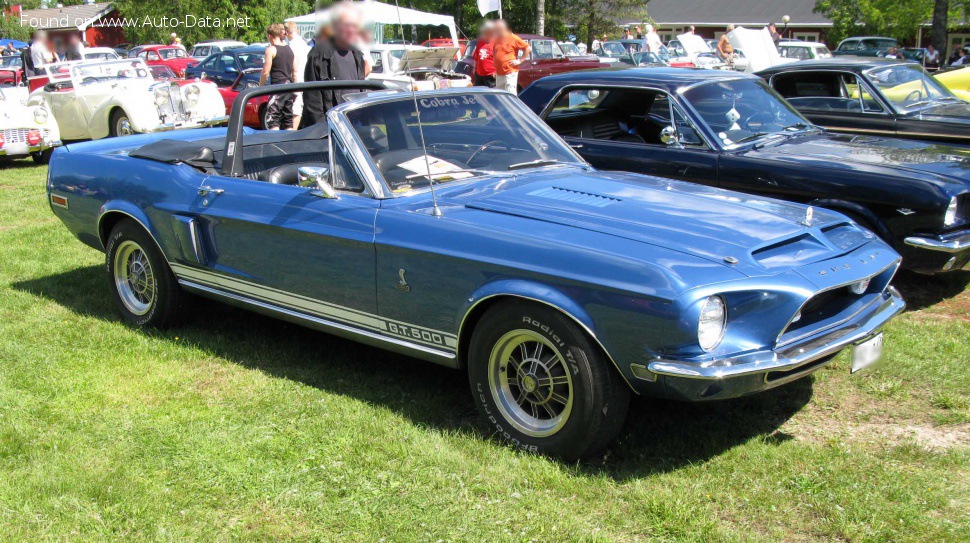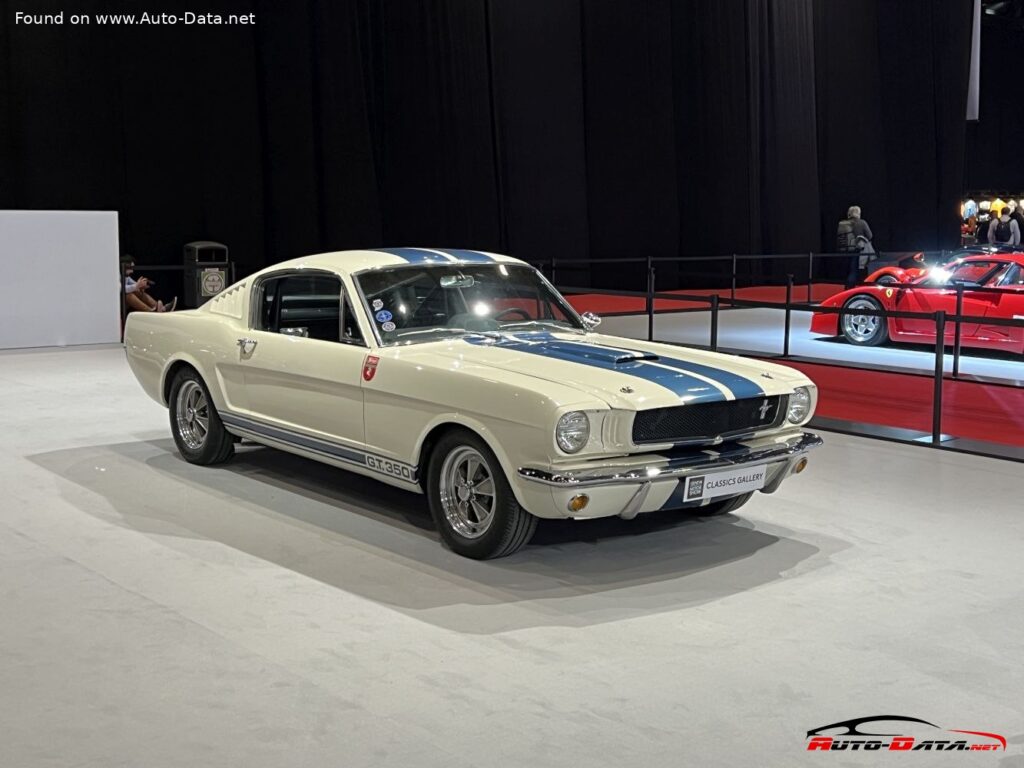
Ford Shelby I Cobra GT 350 5.0 V8 (340 Hp) Automatic: An American Muscle Icon
The Ford Shelby I Cobra GT 350 5.0 V8 (340 Hp) Automatic represents a pivotal chapter in American automotive history, embodying the raw power and distinctive style of the late 1960s muscle car era. Produced between 1968 and 1970, this iteration of the Shelby GT 350 was the result of the legendary collaboration between Ford Motor Company and racing icon Carroll Shelby. Based on the Ford Mustang, the Shelby GT 350 transformed the popular pony car into a formidable performance machine, designed for both street dominance and track prowess. The “Shelby I” designation often refers to the first distinct generation of Shelby-modified Mustangs, setting the benchmark for high-performance Ford vehicles. This particular model, with its potent 5.0-liter supercharged V8 engine and automatic transmission, offered a unique blend of brute force and surprising civility for its time, cementing its legacy as a highly sought-after classic.
Engine and Performance: The Heart of the Ford Shelby I Cobra GT 350
At the core of the Ford Shelby I Cobra GT 350‘s formidable reputation was its powertrain. Under the elongated hood resided a robust 5.0-liter (4942 cm³ or 301.58 cu. in.) V8 engine, configured in a classic front, longitudinal layout. What truly set this specific variant apart was its engine aspiration: a supercharger, which was a significant performance enhancer for the era. While many GT350s were naturally aspirated, the inclusion of a supercharger on this model boosted its output considerably.
This supercharged V8 generated an impressive 340 horsepower at 5200 rpm, translating to a power-per-liter rating of 68.8 Hp/l. Torque figures were equally compelling, with 440 Nm (324.53 lb.-ft.) available at a relatively low 3200 rpm, ensuring strong acceleration off the line and flexible power delivery across the rev range. The engine featured an 8-cylinder V-configuration with a bore of 101.6 mm (4 in.) and a piston stroke of 76.2 mm (3 in.), yielding a compression ratio of 10.5:1. Fuel delivery was handled by a traditional carburetor system, typical of the period, feeding four valves per cylinder.
Power was sent to the rear wheels via a 3-speed automatic transmission. While a manual gearbox was often preferred by purists for ultimate control, the automatic offered convenience and, for many drag racers, consistency in quarter-mile times. The drivetrain architecture, with its internal combustion engine driving the rear wheels, was standard for American muscle cars, providing a classic, engaging driving experience. With a curb weight of 3240.8 lbs. (1470 kg), the car boasted a favorable weight-to-power ratio of 4.3 kg/Hp (231.3 Hp/tonne) and a weight-to-torque ratio of 3.3 kg/Nm (299.3 Nm/tonne), indicating its strong performance potential.
Design and Features: The Iconic Cobra GT 350 Aesthetic
The Ford Shelby I Cobra GT 350 was more than just a powerful engine; it was a visual statement. As a 2-door coupe with seating for four, its body type exuded the classic muscle car silhouette. While sharing its basic underpinnings with the Mustang, Shelby’s modifications gave it a distinct, more aggressive identity. These changes typically included a fiberglass hood with functional scoops, unique grilles, side scoops for brake cooling (or aesthetic effect), revised badging, and often distinctive paint schemes with racing stripes.
From a dimensional standpoint, the car measured 186.61 inches (4740 mm) in length, 70.91 inches (1801 mm) in width, and had a wheelbase of 107.99 inches (2743 mm). The front and rear tracks were identical at 58.11 inches (1476 mm), contributing to a balanced stance. Despite its performance focus, aerodynamics were considered, evidenced by a drag coefficient (Cd) of 0.47, which was respectable for a car of its size and era.
Braking performance was handled by disc brakes at the front and drum brakes at the rear, a common setup for the time, providing adequate stopping power for street use. The steering, with a minimum turning circle of 38.06 ft. (11.6 m), offered reasonable maneuverability. Inside, the GT 350 often featured specific Shelby instrumentation, unique steering wheels, and upgraded upholstery, distinguishing it from its more pedestrian Mustang siblings and reinforcing its high-performance persona. Safety features, by modern standards, were rudimentary, focusing on basic structural integrity and seatbelts, reflecting the priorities and regulations of the late 1960s.
Technical Specifications: Ford Shelby I Cobra GT 350 5.0 V8 (340 Hp) Automatic
| Category | Specification |
|---|---|
| Brand | Ford |
| Model | Shelby |
| Generation | Shelby I |
| Type (Engine) | Cobra GT 350 5.0 V8 (340 Hp) Automatic |
| Start of Production | 1968 year |
| End of Production | 1970 year |
| Powertrain Architecture | Internal Combustion engine |
| Body type | Coupe |
| Seats | 4 |
| Doors | 2 |
| Performance Specs | |
| Fuel Type | Petrol (Gasoline) |
| Weight-to-power ratio | 4.3 kg/Hp, 231.3 Hp/tonne |
| Weight-to-torque ratio | 3.3 kg/Nm, 299.3 Nm/tonne |
| Engine Specs | |
| Power | 340 Hp @ 5200 rpm. |
| Power per liter | 68.8 Hp/l |
| Torque | 440 Nm @ 3200 rpm. (324.53 lb.-ft. @ 3200 rpm.) |
| Engine layout | Front, Longitudinal |
| Engine displacement | 4942 cm³ (4.9 liters / 301.58 cu. in.) |
| Number of cylinders | 8 |
| Engine configuration | V-engine |
| Cylinder Bore | 101.6 mm (4 in.) |
| Piston Stroke | 76.2 mm (3 in.) |
| Compression ratio | 10.5:1 |
| Number of valves per cylinder | 4 |
| Fuel injection system | Carburetor |
| Engine aspiration | Supercharger |
| Space, Volume and Weights | |
| Kerb Weight | 1470 kg (3240.8 lbs.) |
| Fuel tank capacity | 64 l (16.91 US gal) |
| Dimensions | |
| Length | 4740 mm (186.61 in.) |
| Width | 1801 mm (70.91 in.) |
| Width with mirrors folded | 1306 mm (51.42 in.) |
| Wheelbase | 2743 mm (107.99 in.) |
| Front track | 1476 mm (58.11 in.) |
| Rear (Back) track | 1476 mm (58.11 in.) |
| Drag coefficient (Cd) | 0.47 |
| Minimum turning circle (turning diameter) | 11.6 m (38.06 ft.) |
| Drivetrain, Brakes and Suspension Specs | |
| Drivetrain Architecture | The Internal combustion engine (ICE) drives the rear wheels of the vehicle. |
| Drive wheel | Rear wheel drive |
| Number of gears and type of gearbox | 3 gears, automatic transmission |
| Front brakes | Disc |
| Rear brakes | Drum |
Legacy and Market Impact of the Ford Shelby I Cobra GT 350
The Ford Shelby I Cobra GT 350, particularly the supercharged 5.0 V8 automatic variant from 1968-1970, holds a revered place in the pantheon of American muscle cars. It wasn’t just another performance car; it was a symbol of an era when horsepower reigned supreme and design was bold and unapologetic. Its reputation was built on its impressive straight-line performance, distinctive styling, and the legendary name of Carroll Shelby, whose touch transformed ordinary Fords into extraordinary machines.
In its primary market, the United States, the Shelby GT 350 competed fiercely with other iconic muscle cars of the time. Its rivals included the Chevrolet Camaro Z/28, Pontiac GTO, Plymouth Barracuda, and Dodge Challenger. While some competitors offered larger displacement engines, the Shelby GT 350 distinguished itself with its relatively nimble chassis (for a muscle car), racing pedigree, and the prestige associated with the Shelby name. The supercharged version would have been particularly potent, offering an edge in acceleration and top speed against many of its naturally aspirated counterparts.
The historical significance of the Cobra GT 350 lies in its contribution to the golden age of muscle cars. It showcased how a production car could be elevated to near-race-car performance levels, making high-performance driving accessible to a wider audience. The collaboration between Ford and Shelby also set a precedent for manufacturer-tuner partnerships, influencing countless special edition models in subsequent decades.
Today, the Ford Shelby I Cobra GT 350 5.0 V8 (340 Hp) Automatic is a highly collectible classic. Its rarity, combined with its historical importance and the Shelby mystique, ensures strong demand among enthusiasts and collectors worldwide. Cars from this specific production run are celebrated for their authentic representation of 1960s American performance engineering, their unmistakable presence, and the thrill of driving a piece of automotive legend. Its enduring appeal is a testament to its original design, formidable power, and the indelible mark it left on the automotive landscape.