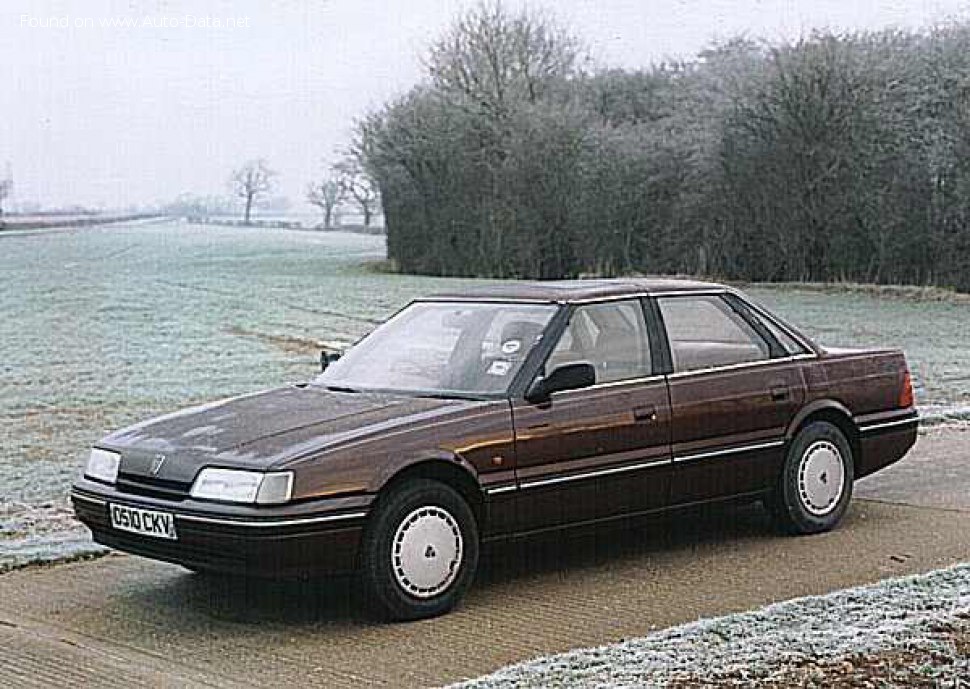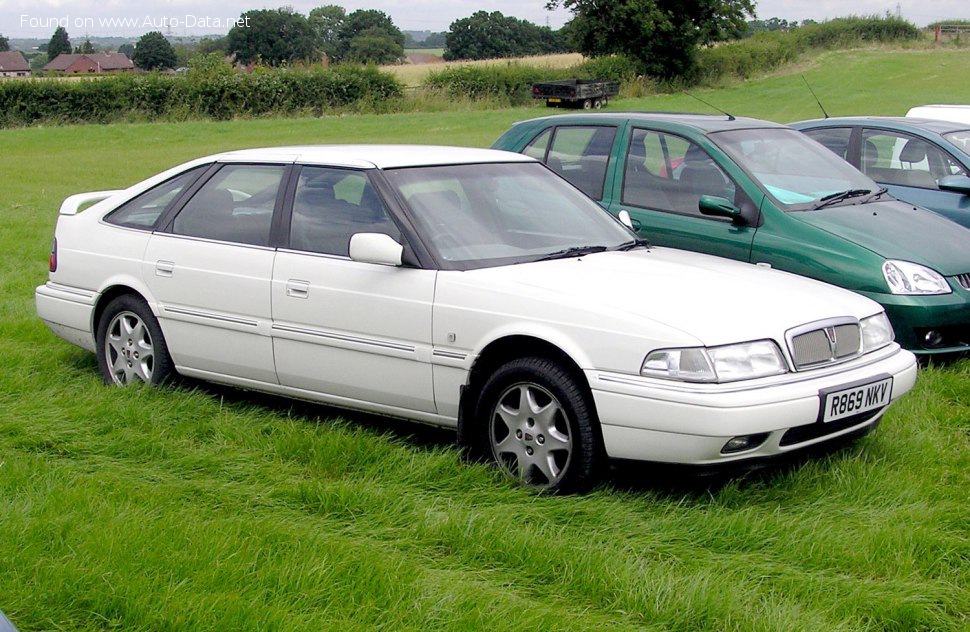
Introduction to the Rover 800 Hatchback 825 D/SD (XS)
The Rover 800 series represented the British automaker’s ambitious foray into the executive car segment, primarily targeting European markets. Launched in 1986 as a collaborative effort with Honda (known as the Sterling in North America), the 800 series underwent a significant redesign in 1991, colloquially known as the “R17” generation. The variant in focus, the Rover 800 Hatchback 825 D/SD (XS), was part of this second-generation lineup, produced from 1992 to 1999. This particular model, with its 118 horsepower powertrain, aimed to offer a blend of traditional British luxury, competitive performance, and enhanced practicality through its five-door hatchback configuration, appealing to a discerning European clientele seeking an alternative to dominant German and French rivals.
The Rover 800 Hatchback: A European Executive Contender
The Rover 800 series was a pivotal model for the company, designed to compete with established players in the demanding executive car market. While the initial “XX” generation shared much with the Honda Legend, the “R17” facelift brought a more distinctly Rover identity, characterized by a rounded, more contemporary aesthetic and an interior that emphasized traditional British craftsmanship. The addition of a hatchback body style, alongside the existing sedan and coupe, significantly broadened its appeal, offering superior cargo flexibility without compromising the executive presence. The Rover 800 Hatchback 825 D/SD (XS), in particular, was positioned to cater to drivers prioritizing fuel efficiency and robust torque for long-distance European travel, often a hallmark of the diesel executive segment.
Powertrain and Performance Characteristics
Under the hood, the Rover 800 Hatchback 825 D/SD (XS) featured an internal combustion engine, specified to produce 118 horsepower. The “825 D/SD” designation historically denotes a 2.5-liter diesel engine, typically the VM Motori HR 425 OHV unit, which was a common choice for diesel variants across various European manufacturers during this period. However, the provided technical data indicates “Fuel Type Petrol (Gasoline)” and describes it as a “Naturally aspirated engine.” This presents a notable discrepancy, as a 2.5-liter gasoline engine from that era would typically yield significantly more power than 118 horsepower, and a diesel engine of that displacement producing 118 horsepower was almost universally turbocharged.
Assuming the “825 D/SD” moniker refers to its historical diesel context—a more plausible scenario for a 118 HP 2.5-liter engine in a European executive car of that period, even if the aspiration data is contradictory—this powertrain would have delivered strong low-end torque, making it well-suited for relaxed cruising on autobahns and motorways. Such an engine configuration would have been engineered for durability and fuel economy, crucial attributes for its target market. The engine’s architecture, regardless of the fuel type debate, was designed for smooth power delivery, ensuring a refined driving experience characteristic of the executive class. The specified engine oil capacity of 6.4 liters (6.76 US quarts) and a coolant capacity of 8 liters (8.45 US quarts) are typical for an engine of this displacement, indicating robust thermal management and lubrication systems.
Design, Interior, and Features
The Rover 800 Hatchback, particularly the R17 generation, showcased a design language that balanced modernity with traditional British elegance. Its five-door hatchback body offered a sleek profile that belied its practical nature. The exterior featured smoother lines and a more cohesive appearance than its predecessor, with a distinctive grille and lighting signature that aligned with Rover’s updated brand image. The hatchback configuration provided considerable versatility, allowing for easy loading of luggage or larger items, a significant advantage over its sedan counterpart for family use or business travel requiring more cargo space.
Inside, the Rover 800 Hatchback 825 D/SD (XS) emphasized comfort and a sense of understated luxury. The cabin was typically appointed with high-quality materials, often featuring wood veneer trim, plush seating (available in velour or leather), and ergonomic controls. For its era, standard features would likely have included power windows, central locking, and a sophisticated audio system. Safety features, while not as comprehensive as modern vehicles, would have incorporated essentials like front airbags and anti-lock braking systems (ABS), which were becoming increasingly standard in executive vehicles during the 1990s. The five-seat configuration ensured ample space for occupants, making it a comfortable long-distance cruiser. The overall design philosophy aimed to create a refined and comfortable environment, reinforcing Rover’s reputation for classic British luxury.
Technical Specifications of the Rover 800 Hatchback 825 D/SD (XS)
Below is a detailed table of the technical specifications for the Rover 800 Hatchback 825 D/SD (XS) (118 Hp).
| Category | Specification |
|---|---|
| Brand | Rover |
| Model | 800 |
| Generation | 800 Hatchback |
| Type (Engine) | 825 D/SD (XS) (118 Hp) |
| Start of Production | 1992 year |
| End of Production | 1999 year |
| Powertrain Architecture | Internal Combustion engine |
| Body type | Hatchback |
| Seats | 5 |
| Doors | 5 |
| Fuel Type | Petrol (Gasoline) |
| Power | 118 Hp |
| Engine Model/Code | 4924 SHI RG |
| Engine Aspiration | Naturally aspirated engine |
| Engine Oil Capacity | 6.4 l (6.76 US qt | 5.63 UK qt) |
| Coolant Capacity | 8 l (8.45 US qt | 7.04 UK qt) |
Legacy and Market Impact
The Rover 800 series, including the Rover 800 Hatchback 825 D/SD (XS), held a significant, albeit challenging, position in the European executive car market. It was designed to compete with a formidable array of rivals, including the Ford Scorpio, Vauxhall/Opel Omega, Citroën XM, Peugeot 605, and even entry-level variants of the BMW 5 Series and Mercedes-Benz E-Class. Rover aimed to carve out a niche by offering a distinct blend of British character, comfort, and value for money, often undercutting its German counterparts on price while providing a comparable level of equipment and refinement.
The 800 series, particularly after its R17 facelift, was generally well-received for its improved styling, comfortable ride, and luxurious interiors. The availability of a diesel engine variant like the 825 D/SD was crucial for its success in Europe, where diesel powertrains were highly favored for their fuel efficiency and lower running costs, especially for business users and high-mileage drivers. This particular model would have appealed to those who appreciated the traditional Rover ethos but also demanded practicality and economical operation.
Despite its merits, the Rover 800 series faced an uphill battle against the established prestige of German brands and the innovative designs of its French competitors. Reliability perceptions, often unfairly generalized across the British automotive industry, also played a role. Nevertheless, the 800 represented Rover’s best effort to maintain a presence in the executive segment during a period of intense competition and significant corporate restructuring for the company. Its discontinuation in 1999 marked the end of an era for Rover in the large executive car market, paving the way for the smaller 75 model. Today, the Rover 800 Hatchback, especially a well-maintained 825 D/SD variant, is appreciated by enthusiasts for its comfortable ride, distinctive styling, and as a tangible piece of British automotive history, embodying Rover’s last significant independent attempt to challenge the European automotive hierarchy.