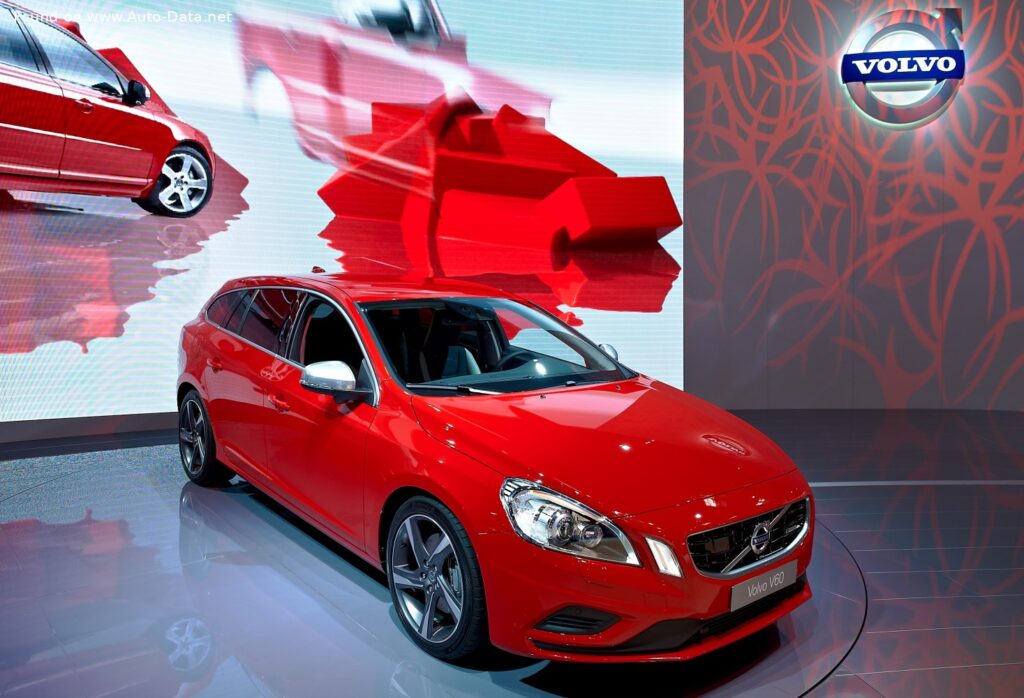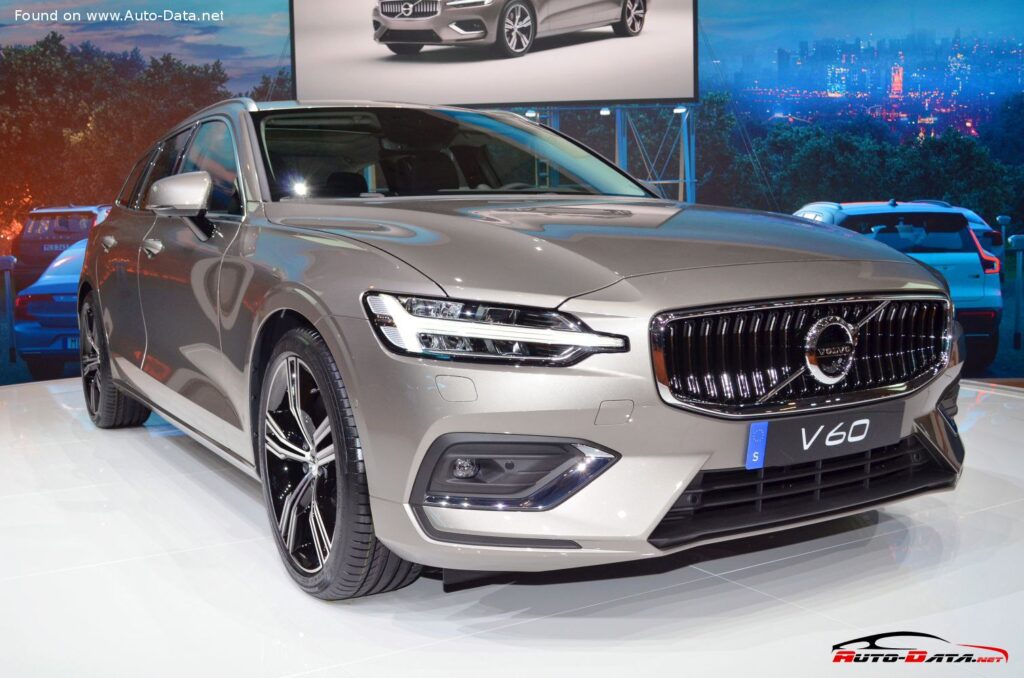
Introduction to the Volvo V60 II 2.0 T5 (250 Hp) AWD Automatic
The Volvo V60 II, representing the second generation of Volvo’s mid-size premium station wagon, debuted in 2018, building upon the acclaimed Scalable Product Architecture (SPA) platform shared with larger Volvo models like the S90, V90, and XC60. This platform was instrumental in defining a new era for the Swedish automaker, emphasizing sophisticated design, advanced safety technologies, and efficient powertrains. The specific variant under review, the Volvo V60 II 2.0 T5 (250 Hp) AWD Automatic, was produced for a concentrated period from March 2019 to March 2020, showcasing a potent blend of performance, practicality, and all-weather capability. It positioned itself as a compelling option in the competitive premium mid-size segment, particularly for discerning buyers seeking the versatility of a station wagon without compromising on luxury or dynamic driving characteristics. The V60 II 2.0 T5 with all-wheel drive and an automatic transmission offered a balanced proposition, combining a spirited turbocharged engine with the inherent safety and elegance expected from the Volvo brand.
Engine & Performance: Powering the Volvo V60 II 2.0 T5 (250 Hp) AWD Automatic
At the heart of the Volvo V60 II 2.0 T5 (250 Hp) AWD Automatic lies Volvo’s advanced Drive-E powertrain philosophy. This particular model is equipped with a 2.0-liter (1969 cm³ or 120.16 cu. in.) inline four-cylinder engine, designated by the engine code B4204T26. This powerplant benefits from direct fuel injection and a sophisticated turbocharger with an intercooler, allowing it to produce a robust 250 horsepower at 5500 rpm. The power output per liter is an impressive 127 Hp/l, highlighting the engine’s efficiency and modern design.
Torque delivery is equally impressive, with a substantial 350 Newton-meters (258.15 lb.-ft.) available across a broad rev range, from 1800 to 4800 rpm. This wide torque band ensures responsive acceleration and effortless cruising, whether navigating city streets or tackling highway merges. The engine’s compression ratio of 10.8:1, combined with its DOHC valvetrain and four valves per cylinder, optimizes combustion for both power and efficiency.
Power is channeled to all four wheels through an advanced 8-speed automatic transmission, a crucial component for the “AWD Automatic” designation. This transmission is renowned for its smooth shifts and intelligent programming, seamlessly adapting to various driving conditions and driver inputs. The all-wheel-drive (AWD) system provides enhanced traction and stability, particularly beneficial in adverse weather conditions or on challenging road surfaces, underscoring the V60’s role as a versatile family vehicle.
Performance metrics for the V60 II 2.0 T5 are quite respectable for a premium station wagon. It can accelerate from 0 to 60 mph in a swift 6.2 seconds (0-100 km/h in 6.5 seconds), and its top speed is electronically limited to 146.02 mph (235 km/h). The vehicle’s weight-to-power ratio stands at 7.1 kg/Hp (141.1 Hp/tonne), indicating a well-balanced power-to-weight characteristic that contributes to its agile handling and spirited performance. Braking performance is also strong, with a stopping distance from 100 km/h to 0 in approximately 35 meters, supported by four-wheel disc brakes and an Anti-lock Braking System (ABS).
Design & Features of the Volvo V60 II
The Volvo V60 II embodies a sophisticated and understated Scandinavian design language, characterized by clean lines, elegant proportions, and a strong visual presence. As a station wagon (often referred to as an “estate” in European markets), it masterfully blends functionality with aesthetic appeal. The body type features five doors and comfortable seating for five occupants, making it an ideal choice for families or individuals requiring ample cargo space.
The exterior design of the V60 II is instantly recognizable as a modern Volvo, featuring the distinctive “Thor’s Hammer” LED daytime running lights, a prominent grille, and sleek taillights that extend vertically up the tailgate. Its dimensions – 187.44 inches in length, 72.83 inches in width (80.31 inches including mirrors), and 56.38 inches in height – contribute to its athletic stance while ensuring a spacious interior. The relatively low drag coefficient (Cd) of 0.29 speaks to its aerodynamic efficiency, contributing to both fuel economy and reduced wind noise.
Inside, the V60 II offers a premium cabin experience, typical of Volvo’s modern offerings. High-quality materials, meticulous craftsmanship, and ergonomic design create a serene and luxurious environment. While specific interior features are not detailed in the provided data, a modern Volvo from this era would typically include an advanced Sensus infotainment system with a large touchscreen display, smartphone integration (Apple CarPlay and Android Auto), and a suite of connectivity features.
Safety, a cornerstone of the Volvo brand, is paramount in the V60 II. Built on the SPA platform, it integrates advanced driver-assistance systems (ADAS) and passive safety features. These would include, but are not limited to, City Safety (Volvo’s autonomous emergency braking system that detects vehicles, pedestrians, cyclists, and large animals), Pilot Assist (a semi-autonomous driving system combining adaptive cruise control and steering assistance), lane keeping aid, road sign information, and various airbags. The robust body structure, combined with these active and passive safety systems, ensures a high level of occupant protection.
Practicality is a key selling point for any station wagon, and the V60 II excels in this regard. It offers a generous minimum trunk (boot) space of 529 liters (18.68 cu. ft.), which expands significantly to a maximum of 1441 liters (50.89 cu. ft.) with the rear seats folded down. This flexibility makes it highly adaptable for carrying luggage, sports equipment, or larger items. Furthermore, the vehicle boasts a permitted trailer load with brakes of 1800 kg (3968.32 lbs.), underscoring its utility for towing.
Technical Specifications: Volvo V60 II 2.0 T5 (250 Hp) AWD Automatic
| Category | Specification | US Equivalent |
|---|---|---|
| Brand | Volvo | |
| Model | V60 | |
| Generation | V60 II | |
| Type (Engine) | 2.0 T5 (250 Hp) AWD Automatic | |
| Production Start | March 2019 | |
| Production End | March 2020 | |
| Powertrain Architecture | Internal Combustion Engine | |
| Body Type | Station Wagon (Estate) | |
| Seats | 5 | |
| Doors | 5 | |
| Performance Specifications | ||
| Fuel Type | Petrol (Gasoline) | |
| Combined Fuel Consumption (WLTP) | 7.7-8.9 l/100 km | 30.5 – 26.4 US mpg |
| CO2 Emissions (WLTP) | 175-202 g/km | |
| Combined Fuel Consumption (NEDC) | 7.1-7.3 l/100 km | 33.1 – 32.2 US mpg |
| CO2 Emissions (NEDC) | 161-167 g/km | |
| Acceleration 0-60 mph | 6.2 sec | |
| Acceleration 0-100 km/h | 6.5 sec | |
| Maximum Speed | 235 km/h | 146.02 mph |
| Braking 100 km/h – 0 | 35 m | 114.83 ft |
| Weight-to-Power Ratio | 7.1 kg/Hp | 15.65 lbs/Hp |
| Weight-to-Torque Ratio | 5.1 kg/Nm | 11.24 lbs/Nm |
| Engine Specifications | ||
| Power | 250 Hp @ 5500 rpm | |
| Power per liter | 127 Hp/l | |
| Torque | 350 Nm @ 1800-4800 rpm | 258.15 lb.-ft. @ 1800-4800 rpm |
| Maximum Engine Speed | 6000 rpm | |
| Engine Layout | Front, Transverse | |
| Engine Model/Code | B4204T26 | |
| Engine Displacement | 1969 cm³ | 120.16 cu. in. |
| Number of Cylinders | 4 | |
| Engine Configuration | Inline | |
| Cylinder Bore | 82 mm | 3.23 in. |
| Piston Stroke | 93.2 mm | 3.67 in. |
| Compression Ratio | 10.8:1 | |
| Valves per Cylinder | 4 | |
| Fuel Injection System | Direct Injection | |
| Engine Aspiration | Turbocharger, Intercooler | |
| Valvetrain | DOHC | |
| Engine Oil Capacity | 5.6 l | 5.92 US qt |
| Dimensions, Volume & Weights | ||
| Kerb Weight | 1772 kg | 3906.59 lbs |
| Trunk Space (minimum) | 529 l | 18.68 cu. ft. |
| Trunk Space (maximum) | 1441 l | 50.89 cu. ft. |
| Fuel Tank Capacity | 60 l | 15.85 US gal |
| Max. Roof Load | 75 kg | 165.35 lbs |
| Permitted Trailer Load (with brakes 12%) | 1800 kg | 3968.32 lbs |
| Permitted Trailer Load (without brakes) | 750 kg | 1653.47 lbs |
| Length | 4761 mm | 187.44 in. |
| Width | 1850 mm | 72.83 in. |
| Width with mirrors folded | 1916 mm | 75.43 in. |
| Width including mirrors | 2040 mm | 80.31 in. |
| Height | 1432 mm | 56.38 in. |
| Wheelbase | 2872 mm | 113.07 in. |
| Front Track | 1593-1610 mm | 62.72 – 63.39 in. |
| Rear Track | 1593-1610 mm | 62.72 – 63.39 in. |
| Ride Height (Ground Clearance) | 142 mm | 5.59 in. |
| Drag Coefficient (Cd) | 0.29 | |
| Minimum Turning Circle | 11.4-11.7 m | 37.4 – 38.39 ft |
| Drivetrain, Brakes & Suspension | ||
| Drive Wheel | All-Wheel Drive (4×4) | |
| Number of Gears & Gearbox Type | 8 gears, Automatic Transmission | |
| Front Suspension | Double Wishbone | |
| Rear Suspension | Independent Multi-link, Leaf Spring | |
| Front Brakes | Disc | |
| Rear Brakes | Disc | |
| Assisting Systems | ABS (Anti-lock Braking System) | |
| Steering Type | Steering Rack and Pinion | |
| Power Steering | Electric Steering | |
| Wheel Rims Size | Front: 16, 17, 18; Rear: 16, 17 | |
Legacy & Market Impact of the Volvo V60 II
The Volvo V60 II, particularly in its 2.0 T5 (250 Hp) AWD Automatic configuration, solidified Volvo’s position as a leader in the premium station wagon segment. While the station wagon body style has seen fluctuating popularity in the American market, it remains a beloved and practical choice in Europe and other global regions. The V60 II, with its elegant design and robust capabilities, offered a compelling alternative to the ubiquitous SUV, providing comparable cargo space and versatility with superior driving dynamics and fuel efficiency.
In its primary markets, the V60 II competed directly with established German rivals such as the Audi A4 Avant (and its more rugged A4 Allroad variant), the BMW 3 Series Touring, and the Mercedes-Benz C-Class Estate. What set the Volvo apart was its unique blend of Scandinavian luxury, a strong emphasis on safety innovation, and a distinct design philosophy that eschewed overt aggression for sophisticated elegance. The T5 engine, with its 250 horsepower and standard all-wheel drive, provided a strong performance foundation that could hold its own against similarly powered competitors, often at a more competitive price point or with a more comprehensive suite of standard features.
The relatively short production window for this specific T5 AWD variant (March 2019 to March 2020) indicates Volvo’s continuous refinement of its powertrain offerings, often evolving to meet new emissions standards or introduce more advanced mild-hybrid or plug-in hybrid technologies. Nevertheless, this particular iteration represented a sweet spot for many buyers, offering strong conventional gasoline performance with the added confidence of all-wheel drive.
The V60 II contributed significantly to Volvo’s brand resurgence under Geely ownership, showcasing the success of the SPA platform and the Drive-E engine family. It helped reinforce Volvo’s reputation for building safe, comfortable, and aesthetically pleasing vehicles that cater to a discerning clientele. Its legacy is one of a highly capable and stylish premium station wagon that successfully navigated a challenging market segment, proving that practicality and luxury can indeed coexist harmoniously. For enthusiasts and families alike, the Volvo V60 II 2.0 T5 (250 Hp) AWD Automatic stands as a testament to Volvo’s enduring commitment to engineering excellence and thoughtful design.