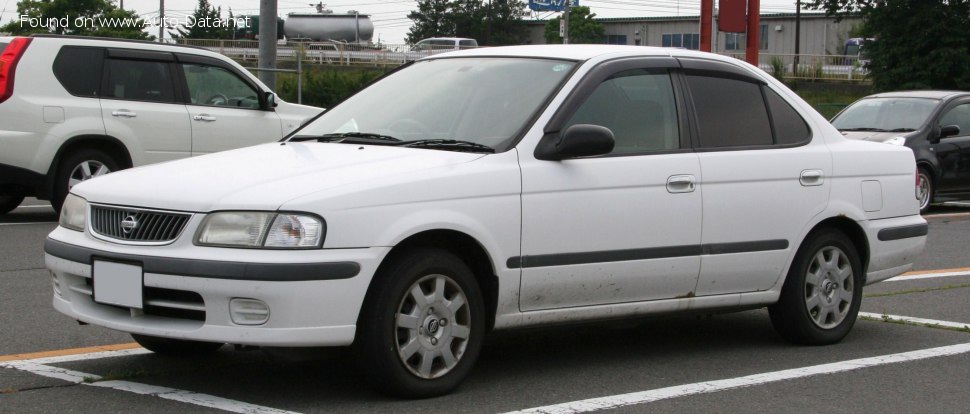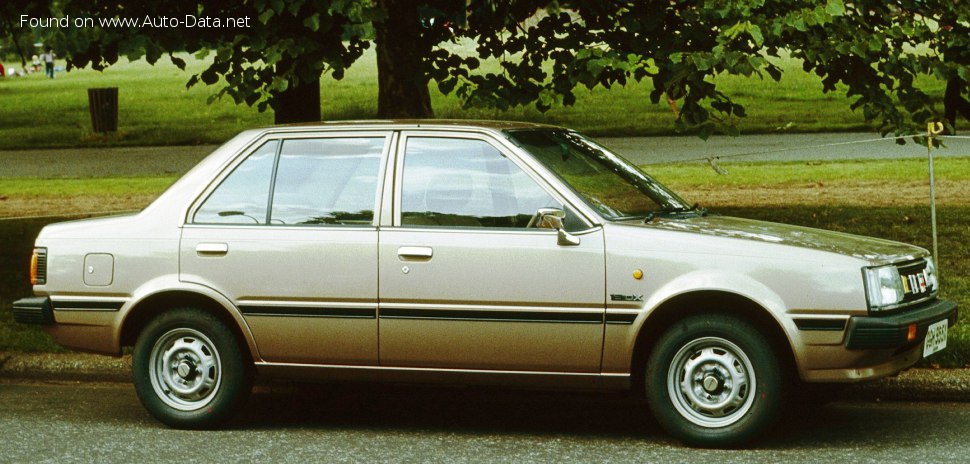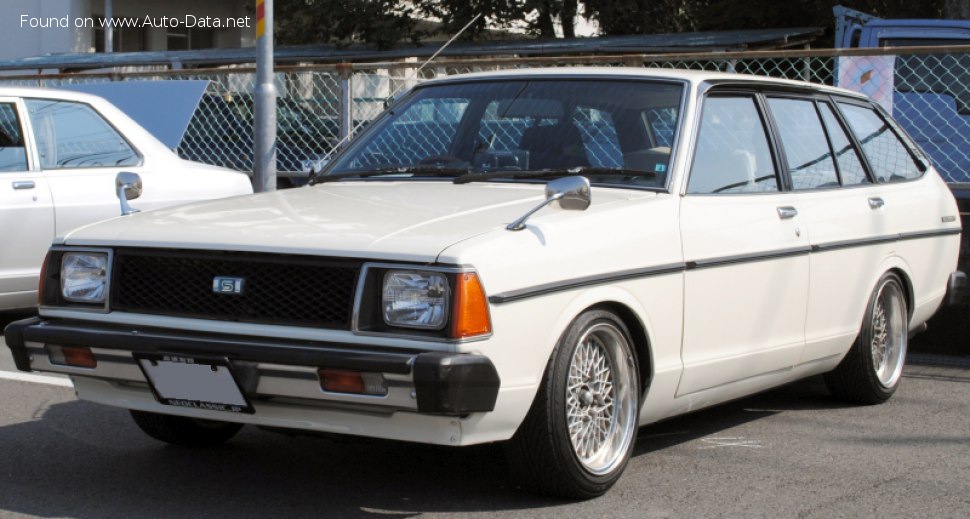
Introduction to the Nissan Sunny Traveller (140Y, 150Y)
The Nissan Sunny Traveller (140Y, 150Y) represents a pivotal offering within the B310 generation of Nissan’s globally renowned Sunny lineup. Produced from 1979 to 1982, this particular variant carved out a significant niche as a highly practical and economical station wagon. Positioned as a versatile workhorse, it catered to a broad spectrum of buyers, from families needing ample cargo space to small businesses requiring reliable transport. The B310 generation itself was a testament to Nissan’s growing automotive prowess, building upon the success of its predecessors by offering improved refinement, efficiency, and durability.
During this era, Nissan vehicles were frequently marketed under the Datsun brand in many international markets, including North America, a strategy aimed at establishing a distinct identity before unifying under the Nissan nameplate. The Sunny Traveller, with its robust engineering and no-nonsense design, exemplified the Japanese automotive industry’s commitment to delivering reliable and affordable transportation solutions worldwide. While not a performance icon, its strengths lay in its unwavering dependability and low running costs, attributes that resonated strongly with consumers in an era grappling with fluctuating fuel prices and a demand for sensible motoring. The 1.4-liter (HBL310) engine variant, producing a modest but efficient 65 horsepower, was central to its appeal as an accessible and economical choice.
Engine and Performance of the Nissan Sunny Traveller (140Y, 150Y)
Under the hood, the Nissan Sunny Traveller (140Y, 150Y) 1.4 (HBL310) was equipped with a naturally aspirated internal combustion gasoline engine, designed for maximum reliability and fuel efficiency rather than outright speed. This 1.4-liter powerplant delivered 65 horsepower, a figure that, while modest by today’s standards, was perfectly adequate for the vehicle’s intended purpose. The engine’s design prioritized longevity and ease of maintenance, making it a popular choice in markets where simple, robust mechanics were highly valued.
The naturally aspirated setup meant a straightforward engine architecture, reducing complexity and potential points of failure. This characteristic contributed significantly to the Sunny Traveller’s reputation as a dependable vehicle capable of enduring demanding daily use. Power delivery was smooth and predictable, suitable for city driving and highway cruising, albeit without exhilarating acceleration. The focus was squarely on economy and consistency, allowing drivers to achieve respectable fuel mileage, a crucial factor during the late 1970s and early 1980s when the global automotive landscape was still reeling from the energy crises of the previous decade.
While specific transmission details are not provided, vehicles of this era and segment typically came standard with a manual transmission, often a 4-speed or 5-speed unit, which further optimized fuel consumption. An automatic transmission, likely a 3-speed, might have been offered as an option in certain markets, catering to drivers who preferred the convenience of two-pedal driving. Regardless of the transmission choice, the powertrain architecture of the Nissan Sunny Traveller (140Y, 150Y) was engineered to deliver a practical and economical driving experience, cementing its role as a reliable family or light commercial vehicle.
Design and Features
The Nissan Sunny Traveller (140Y, 150Y) adopted a classic station wagon body style, a design choice driven entirely by practicality and utility. Its exterior design was characterized by clean, functional lines, a hallmark of automotive styling from the late 1970s and early 1980s. The boxy silhouette was not merely an aesthetic choice; it was a deliberate engineering decision to maximize interior volume, particularly the cargo area. This allowed the Traveller to offer generous space for luggage, groceries, or commercial goods, making it an ideal vehicle for a variety of tasks.
The design featured large glass areas, providing excellent visibility for the driver and passengers, a significant safety and convenience feature in an era before advanced driver-assistance systems were commonplace. Robust bumpers and simple, durable body panels were designed to withstand the rigors of daily use in diverse environments. Depending on the market, exterior trim levels might have varied, but the core design remained focused on utility and longevity.
Inside, the Sunny Traveller’s cabin reflected its utilitarian purpose. Materials were chosen for their durability and ease of cleaning, rather than luxury. The dashboard layout was straightforward and ergonomic, with essential controls easily accessible. Common features for the time included manual window winders, a basic heating and ventilation system, and often an AM/FM radio. Seating was designed for comfort during long journeys, with durable fabric or vinyl upholstery. The rear bench seat could typically be folded down, further expanding the already substantial cargo capacity, transforming the vehicle into a highly capable hauler. Safety features, while rudimentary by modern standards, included three-point seatbelts for front occupants and lap belts for rear passengers, along with a sturdy chassis providing basic occupant protection. The overall design ethos was one of dependable functionality, a trait that contributed immensely to its widespread acceptance and enduring appeal.
Technical Specifications
| Attribute | Detail |
|---|---|
| Brand | Nissan |
| Model | Sunny Traveller (140Y, 150Y) |
| Generation | B310 Series |
| Engine Type | 1.4 (HBL310) |
| Production Start Year | 1979 |
| Production End Year | 1982 |
| Body Type | Station Wagon (Estate) |
| Powertrain Architecture | Internal Combustion Engine |
| Fuel Type | Petrol (Gasoline) |
| Power Output | 65 Hp |
| Engine Aspiration | Naturally Aspirated |
Legacy and Market Impact of the Nissan Sunny Traveller (140Y, 150Y)
The Nissan Sunny Traveller (140Y, 150Y) left a significant legacy, particularly in its primary markets across Asia, Europe, and other global regions where practical, affordable, and reliable transportation was paramount. As part of the B310 generation, it continued Nissan’s tradition of offering a robust and economical compact car that could withstand diverse road conditions and climates. Its impact was not measured in groundbreaking technology or segment-leading performance, but rather in its unwavering dependability and accessibility to a broad consumer base.
In many markets, the Sunny Traveller served as a crucial entry point for families and small businesses into vehicle ownership. Its low purchase price, coupled with excellent fuel economy and minimal maintenance requirements, made it an economically sensible choice. This contributed significantly to Nissan’s (and Datsun’s) growing reputation as a manufacturer of durable and value-for-money vehicles, helping to solidify their global presence against established European and American competitors.
Competitors in its segment varied by region but typically included other compact station wagons such as the Toyota Corolla Wagon, the Ford Escort Wagon (especially in Europe), and potentially smaller offerings like the Honda Civic Wagon. What set the Sunny Traveller apart was its often-superior build quality for its price point and its reputation for bulletproof mechanicals. It was not uncommon for these vehicles to rack up hundreds of thousands of miles with proper care, a testament to their robust engineering.
Historically, the Sunny Traveller played a vital role in demonstrating Nissan’s capability to produce vehicles that met global standards for quality and utility. It reinforced the notion that Japanese automakers could deliver cars that were not only efficient and affordable but also remarkably long-lasting. This reliability fostered immense brand loyalty and paved the way for the success of future Nissan models, including later generations of the Sunny and its eventual successor, the Sentra.
Even decades after its production ended, examples of the Nissan Sunny Traveller (140Y, 150Y) can still be found operating in various parts of the world, particularly in regions where classic Japanese vehicles are cherished for their simplicity and resilience. Its enduring presence underscores its design for longevity and its status as a true workhorse. While it may not command the collector prestige of some high-performance classics, its historical significance as a reliable, economical, and highly practical vehicle that shaped Nissan’s global reputation is undeniable. The Sunny Traveller embodied the very essence of dependable motoring for an entire generation.