The Renault Megane III Grandtour: A European Family Workhorse (2010-2012)
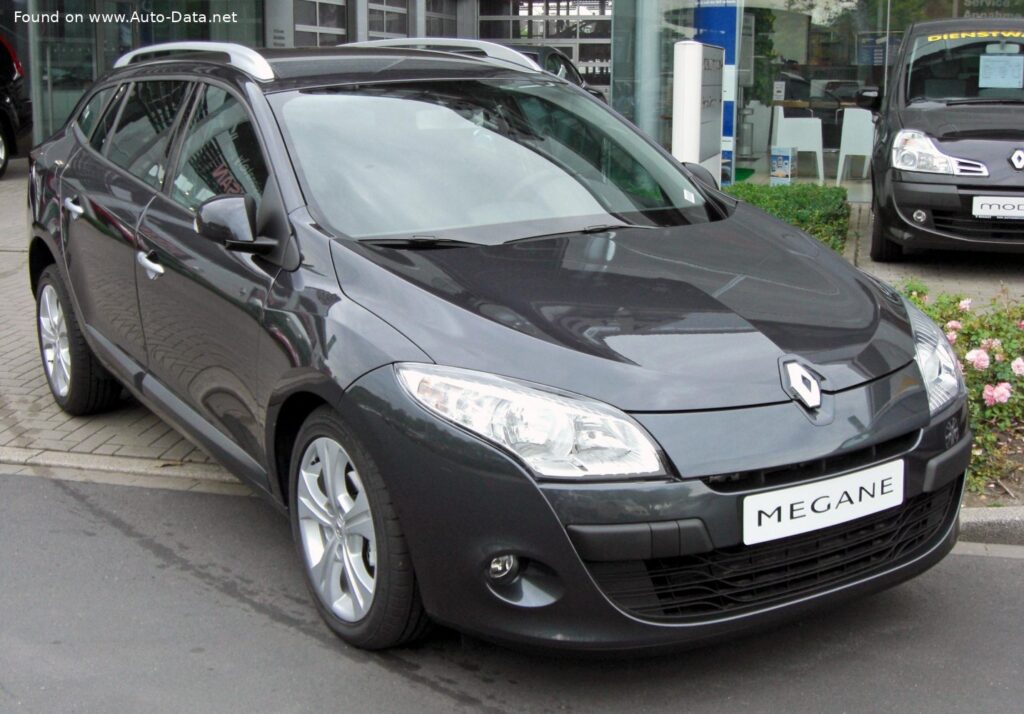
The Renault Megane III Grandtour 1.6 16V (110 Hp), produced between 2010 and 2012, represents a key offering in the highly competitive European C-segment (compact car) market. As a five-door station wagon (often referred to as an “estate” in Europe), this particular variant was designed to cater to families and individuals prioritizing practicality, cargo capacity, and fuel efficiency, all while maintaining a comfortable and refined driving experience characteristic of Renault vehicles. While never officially sold in the United States, the Megane III Grandtour played a significant role in solidifying Renault’s position as a prominent automaker in its primary European and select Asian markets, offering a compelling blend of French design sensibilities and everyday usability.
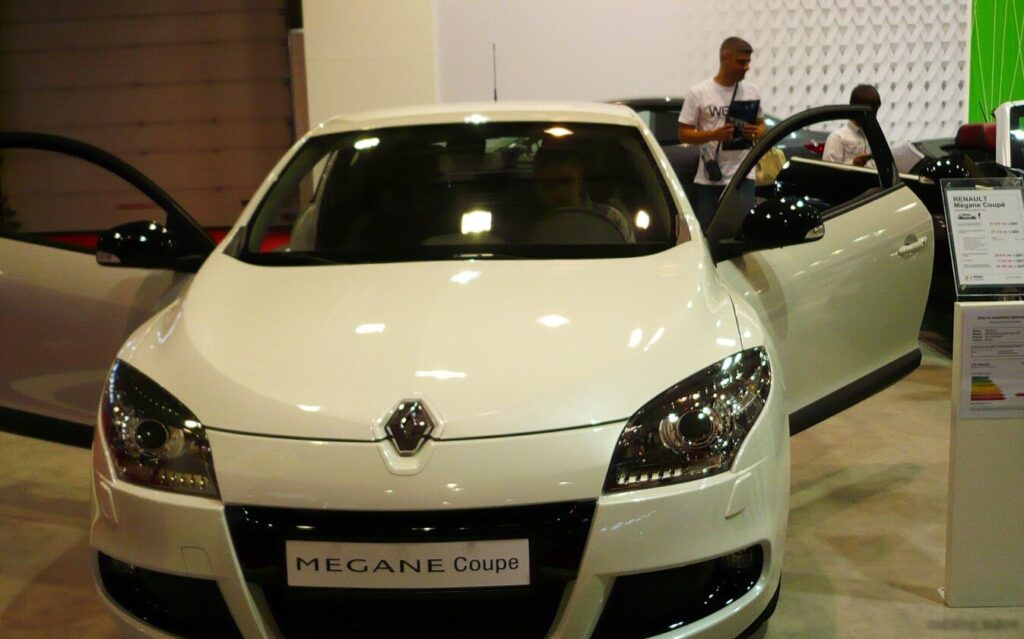
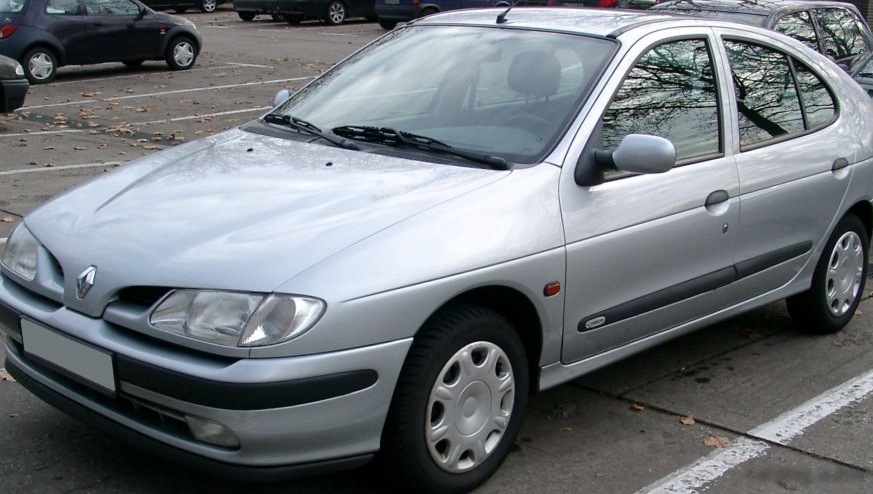
Succeeding the visually distinctive Megane II, the third-generation Megane adopted a more conventional yet elegant design language, aiming for broader appeal. The Grandtour, specifically, extended the hatchback’s platform to provide significantly enhanced cargo volume, making it an attractive proposition for those needing more utility than a standard sedan or hatchback could offer. This article delves into the specifics of the 1.6-liter, 110 horsepower model, examining its engineering, performance, design, and overall market impact during its production run.
Engine and Performance
At the heart of the 2010-2012 Renault Megane III Grandtour 1.6 16V lies Renault’s venerable K4M 858 engine. This naturally aspirated, 1.6-liter (1598 cm³ or 97.52 cubic inches) inline-four gasoline engine was a well-established and reliable unit within the Renault-Nissan alliance. Featuring a 16-valve cylinder head (four valves per cylinder) and multi-port manifold injection, it was engineered to deliver a balanced combination of power and economy for everyday driving.
The engine produces a respectable 110 horsepower at 6000 rpm, which, for a non-turbocharged engine of its displacement, provided adequate motivation for the Grandtour’s dimensions and intended use. Torque output stood at 111.37 lb.-ft. (151 Nm) available at 4250 rpm, ensuring sufficient pulling power for city driving and highway cruising. Power is delivered to the front wheels via a smooth-shifting 6-speed manual transmission, a common and preferred choice in European markets for its efficiency and driver engagement.
In terms of acceleration, the Megane III Grandtour 1.6 16V achieved a 0 to 60 mph sprint in an estimated 10.3 seconds (0-100 km/h in 10.8 seconds), placing it firmly in the mainstream of compact family cars of its era. Its maximum speed was rated at 118.06 mph (190 km/h). Fuel efficiency was a strong point for this powertrain, with a combined cycle rating of 34.1 US mpg (6.9 l/100 km). Urban consumption was rated at 25 US mpg (9.4 l/100 km), while extra-urban driving could yield up to 42.8 US mpg (5.5 l/100 km). These figures, combined with CO2 emissions of 159 g/km, allowed the vehicle to comply with the Euro 5 emission standard, reflecting a commitment to environmental responsibility for its time. The car’s weight-to-power ratio was 11.6 kg/Hp (86.3 Hp/tonne), indicating a practical rather than overtly sporty performance profile.
Design and Features
The Renault Megane III Grandtour distinguished itself with a design that was both contemporary and functional. Its “station wagon” (estate) body type, featuring five doors and comfortable seating for five occupants, was a direct response to the European consumer’s demand for versatile family vehicles. The Grandtour’s length of 179.49 inches (4559 mm) provided a substantial footprint, contributing to both interior space and on-road stability. Its width of 69.53 inches (1766 mm) and height of 57.52 inches (1461 mm) ensured a balanced and proportionate stance. A generous wheelbase of 106.42 inches (2703 mm) was crucial for maximizing rear passenger legroom and ride comfort.
Aesthetically, the Megane III Grandtour adopted a more conventional and elegant approach compared to its predecessor, with smooth lines and a cohesive design language that emphasized maturity and quality. The drag coefficient (Cd) of 0.32 was competitive for a vehicle of its size and type, contributing to both fuel efficiency and reduced wind noise at speed.
Inside, the Megane III Grandtour prioritized ergonomics and practicality. The trunk space was a standout feature, offering a minimum of 18.5 cubic feet (524 liters) with all seats in place, which could expand to an impressive 56.33 cubic feet (1595 liters) when the rear seats were folded down. This made it an ideal choice for carrying luggage, sports equipment, or even small furniture. The maximum load capacity was 1113.33 lbs. (505 kg), further underscoring its utility.
The vehicle’s chassis and suspension setup were engineered for comfort and predictability. It featured an independent McPherson strut front suspension and a torsion beam rear suspension, a common and cost-effective arrangement for front-wheel-drive compact cars, offering a good balance between ride comfort and handling stability. Steering was managed by a rack and pinion system with electric power steering, providing ease of maneuverability, particularly in urban environments with a minimum turning circle of 36.25 feet (11.05 meters). Braking performance was handled by ventilated discs at the front and disc brakes at the rear, augmented by an Anti-lock Braking System (ABS) for enhanced safety during emergency stops. The car was typically fitted with either 195/65 R15 or 205/55 R16 tires on 15-inch or 16-inch wheel rims, respectively, offering a comfortable ride quality.
Technical Specifications: Renault Megane III Grandtour 1.6 16V (110 Hp)
| Category | Specification | Value |
|---|---|---|
| General Information | ||
| Brand | Renault | |
| Model | Megane | |
| Generation | Megane III Grandtour | |
| Type (Engine) | 1.6 16V (110 Hp) | |
| Start of production | 2010 year | |
| End of production | 2012 year | |
| Powertrain Architecture | Internal Combustion engine | |
| Body type | Station wagon (estate) | |
| Seats | 5 | |
| Doors | 5 | |
| Performance Specs | ||
| Fuel consumption (economy) – urban | 25 US mpg (9.4 l/100 km) | |
| Fuel consumption (economy) – extra urban | 42.8 US mpg (5.5 l/100 km) | |
| Fuel consumption (economy) – combined | 34.1 US mpg (6.9 l/100 km) | |
| CO2 emissions | 159 g/km | |
| Fuel Type | Petrol (Gasoline) | |
| Acceleration 0 – 60 mph (Calculated) | 10.3 sec | |
| Acceleration 0 – 100 km/h | 10.8 sec | |
| Maximum speed | 118.06 mph (190 km/h) | |
| Emission standard | Euro 5 | |
| Weight-to-power ratio | 11.6 kg/Hp, 86.3 Hp/tonne | |
| Weight-to-torque ratio | 8.4 kg/Nm, 118.4 Nm/tonne | |
| Engine Specs | ||
| Power | 110 Hp @ 6000 rpm | |
| Power per liter | 68.8 Hp/l | |
| Torque | 111.37 lb.-ft. (151 Nm) @ 4250 rpm | |
| Engine layout | Front, Transverse | |
| Engine Model/Code | K4M 858 | |
| Engine displacement | 1.6 liters (1598 cm³, 97.52 cu. in.) | |
| Number of cylinders | 4 | |
| Engine configuration | Inline | |
| Cylinder Bore | 3.13 in. (79.5 mm) | |
| Piston Stroke | 3.17 in. (80.5 mm) | |
| Compression ratio | 10:1 | |
| Number of valves per cylinder | 4 | |
| Fuel injection system | Multi-port manifold injection | |
| Engine aspiration | Naturally aspirated engine | |
| Engine oil capacity | 5.07 US qt (4.8 l) | |
| Coolant capacity | 5.6 US qt (5.3 l) | |
| Space, Volume and Weights | ||
| Kerb Weight | 2810.89 lbs. (1275 kg) | |
| Max. weight | 3924.23 lbs. (1780 kg) | |
| Max load | 1113.33 lbs. (505 kg) | |
| Trunk (boot) space – minimum | 18.5 cu. ft. (524 l) | |
| Trunk (boot) space – maximum | 56.33 cu. ft. (1595 l) | |
| Fuel tank capacity | 15.85 US gal (60 l) | |
| Max. roof load | 176.37 lbs. (80 kg) | |
| Permitted trailer load with brakes (12%) | 2866.01 lbs. (1300 kg) | |
| Permitted trailer load without brakes | 1488.12 lbs. (675 kg) | |
| Permitted towbar download | 165.35 lbs. (75 kg) | |
| Dimensions | ||
| Length | 179.49 in. (4559 mm) | |
| Width | 69.53 in. (1766 mm) | |
| Height | 57.52 in. (1461 mm) | |
| Wheelbase | 106.42 in. (2703 mm) | |
| Front track | 60.87 in. (1546 mm) | |
| Rear (Back) track | 60.91 in. (1547 mm) | |
| Front overhang | 33.94 in. (862 mm) | |
| Rear overhang | 39.13 in. (994 mm) | |
| Ride height (ground clearance) | 4.72 in. (120 mm) | |
| Drag coefficient (Cd) | 0.32 | |
| Minimum turning circle (turning diameter) | 36.25 ft. (11.05 m) | |
| Drivetrain, Brakes and Suspension Specs | ||
| Drivetrain Architecture | The Internal combustion engine (ICE) drives the front wheels of the vehicle. | |
| Drive wheel | Front wheel drive | |
| Number of gears and type of gearbox | 6 gears, manual transmission | |
| Front suspension | Independent type McPherson | |
| Rear suspension | Torsion | |
| Front brakes | Ventilated discs | |
| Rear brakes | Disc | |
| Assisting systems | ABS (Anti-lock braking system) | |
| Steering type | Steering rack and pinion | |
| Power steering | Electric Steering | |
| Tires size | 195/65 R15; 205/55 R16 | |
| Wheel rims size | 15; 16 | |
Legacy and Market Impact
The Renault Megane III Grandtour, particularly the 1.6 16V (110 Hp) model, carved out a strong niche for itself in the European compact station wagon segment. Its reputation was built on a foundation of solid practicality, competitive fuel economy for its class, and a comfortable, stable ride quality that appealed to families and long-distance commuters. Renault positioned the Megane III as a more mature and refined offering, moving away from some of the more avant-garde styling cues of its predecessor, which helped it compete more directly with established rivals.
In its primary markets, the Megane III Grandtour faced stiff competition from a host of well-regarded European models. Key competitors included the Volkswagen Golf Variant (Estate), known for its Teutonic solidity and strong resale values; the Ford Focus Estate, celebrated for its engaging driving dynamics; the Opel Astra Sports Tourer, offering stylish design and practical features; and the Peugeot 308 SW, another French contender emphasizing comfort and distinctive styling. Skoda’s Octavia Combi also presented a formidable challenge, particularly with its reputation for value and cavernous cargo space. Despite this fierce competition, the Megane Grandtour managed to maintain a healthy market share due to its attractive design, comprehensive safety features (including standard ABS and typically multiple airbags for the era), and Renault’s strong dealer network and brand loyalty in many European countries.
Historically, the Megane III Grandtour represents an important evolutionary step for Renault’s compact offering. It demonstrated the brand’s ability to produce a mainstream, highly functional family vehicle that met stringent European emission standards (Euro 5) while delivering on consumer expectations for efficiency and comfort. Its focus on cargo versatility, combined with a dependable naturally aspirated engine and a sensible manual transmission, made it a sensible and popular choice for those who needed more than a hatchback but preferred not to step into a larger, potentially more expensive SUV. The 1.6 16V variant, in particular, was a workhorse engine that underlined Renault’s commitment to offering robust and economical options across its range, contributing significantly to the Megane’s enduring legacy as a cornerstone of the European automotive landscape.