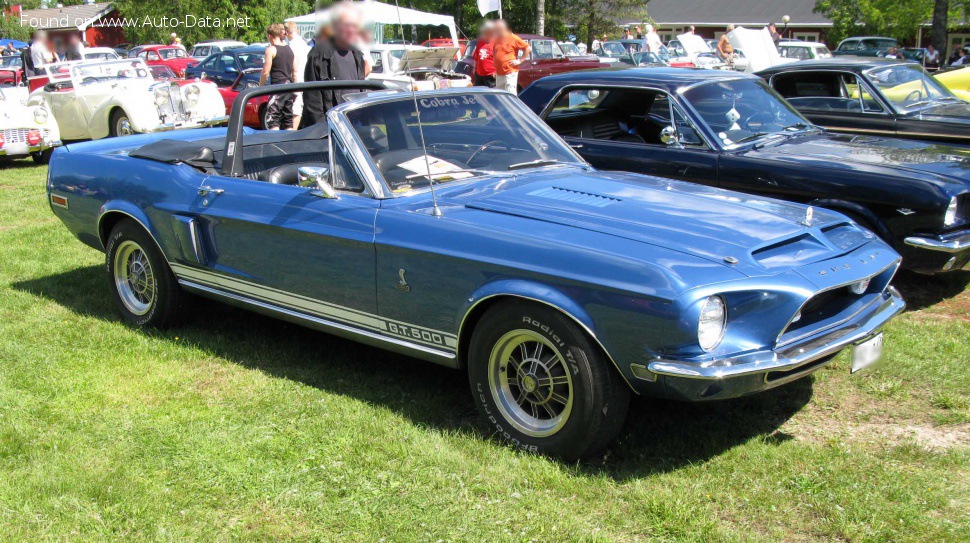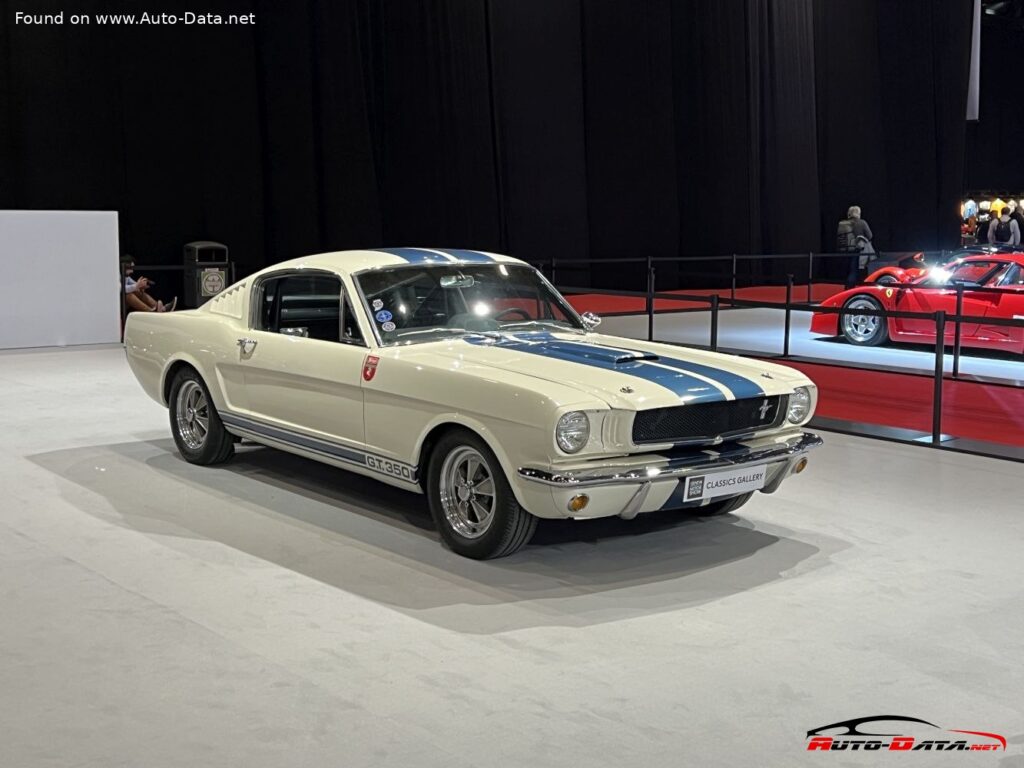
The Iconic Ford Shelby I GT 350H: A “Rent-A-Racer” Legend
The Ford Shelby I GT 350H stands as a legendary icon in American automotive history, representing a unique collaboration between Ford Motor Company and legendary racer and performance visionary Carroll Shelby. Produced from 1966 to 1970, the Shelby I GT 350H was a high-performance variant of the first-generation Ford Mustang, specifically tailored for the Hertz “Rent-A-Racer” program. This distinctive model was not merely a performance package but a purpose-built machine designed to bring track-ready performance to the masses, albeit on a rental basis. It cemented its place in the muscle car pantheon as a powerful, distinctive, and highly sought-after classic, combining raw American horsepower with Shelby’s race-bred engineering prowess.
Initially conceived to boost the Mustang’s performance image and offer a thrilling driving experience, the GT 350H (where ‘H’ denotes Hertz) was a limited-production vehicle that allowed enthusiasts to experience a genuine Shelby Mustang without the commitment of ownership. These cars were typically finished in Raven Black with gold racing stripes, a livery that has become synonymous with the Hertz program. While rooted in the already popular Mustang platform, the Shelby modifications transformed it into a formidable sports car, capable of challenging more exotic machinery of its era and setting a benchmark for American performance.
Engine and Performance: The Heart of the Ford Shelby I GT 350H
At the core of the Ford Shelby I GT 350H was its potent 4.7-liter (288.46 cubic inch) V8 engine, a highly modified version of Ford’s small-block Windsor unit. This naturally aspirated powerhouse was equipped with a four-barrel carburetor, a testament to the analog performance engineering of the 1960s. Shelby’s team meticulously tuned the engine, elevating its output to a robust 310 horsepower at 6000 rpm and generating an impressive 328.95 lb-ft of torque at 4200 rpm. This power output, especially for its displacement, was remarkable for the time, providing exhilarating acceleration and a thrilling exhaust note that became a hallmark of Shelby vehicles.
The performance figures of the GT 350H were truly impressive, even by today’s standards. It could sprint from 0 to 60 mph in a blistering 5.6 seconds, a figure that placed it firmly in the upper echelons of sports cars and muscle cars of the mid-1960s. The engine’s power-per-liter ratio of 65.6 horsepower per liter highlighted its efficiency in extracting performance from its displacement. Power was delivered to the rear wheels via a robust 4-speed manual transmission, offering drivers direct control over the formidable V8. This drivetrain architecture, with its front-longitudinal engine layout, provided optimal weight distribution for a performance car of its era, contributing to its dynamic capabilities.
The GT 350H’s performance was not just about straight-line speed; Shelby’s modifications extended to handling and braking as well. While the data specifies disc brakes for both front and rear, this was a significant upgrade for a production car in 1966, providing superior stopping power compared to the more common drum brakes found on many contemporary vehicles. The combination of raw power, responsive handling, and effective braking made the Shelby GT 350H a true driver’s car, capable of delivering a visceral experience on both the street and the track.
Design and Features: Aggressive Styling and Functional Upgrades
The design of the Ford Shelby I GT 350H was rooted in the attractive lines of the first-generation Ford Mustang fastback, but with distinctive modifications that proclaimed its performance pedigree. It featured a classic 2-door coupe body style, accommodating four seats, though the rear seats were often considered more suitable for occasional use or additional storage. The overall length of 181.61 inches and a width of 68.19 inches gave it a compact yet muscular stance, perfectly aligning with the burgeoning muscle car aesthetic.
Key design elements that differentiated the Shelby GT 350H included a unique front grille with a prominent running pony emblem (or sometimes the GT 350 emblem), functional hood scoops for engine cooling, and distinctive side scoops that fed air to the rear brakes (on some models) or simply enhanced the car’s aggressive profile. The iconic racing stripes, typically gold over black for the Hertz models, were not just aesthetic but a visual cue to its racing heritage. Inside, the GT 350H featured a more performance-oriented cockpit with upgraded instrumentation, including a tachometer and oil pressure gauge, and often a wood-rimmed steering wheel, enhancing the driver’s connection to the machine.
While safety features in the 1960s were rudimentary compared to modern standards, the GT 350H incorporated elements like upgraded brakes and a more rigid suspension setup, which indirectly contributed to safer handling at higher speeds. The car’s low height of 51.18 inches and relatively wide stance (front track of 56.5 inches, rear track of 57.01 inches) contributed to its stability and road-holding capabilities. The drag coefficient of 0.47, though high by today’s aerodynamic standards, was typical for a performance coupe of its time and did not hinder its impressive acceleration.
Technical Specifications
| Category | Specification | Value |
|---|---|---|
| General Information | ||
| Brand | Ford | Shelby |
| Model | Shelby I | GT 350H 4.7 V8 (310 Hp) |
| Production Years | Start – End | 1966 – 1970 |
| Powertrain Architecture | Internal Combustion Engine | |
| Body Type | Coupe | |
| Seats | 4 | |
| Doors | 2 | |
| Performance Specifications | ||
| Fuel Type | Petrol (Gasoline) | |
| Acceleration 0-60 mph | 5.6 sec | |
| Weight-to-power ratio | 4.1 kg/Hp (244.1 Hp/tonne) | |
| Weight-to-torque ratio | 2.8 kg/Nm (351.2 Nm/tonne) | |
| Engine Specifications | ||
| Power | 310 Hp @ 6000 rpm | |
| Power per liter | 65.6 Hp/l | |
| Torque | 446 Nm (328.95 lb-ft) @ 4200 rpm | |
| Engine Layout | Front, Longitudinal | |
| Engine Displacement | 4727 cm3 (288.46 cu. in.) | |
| Number of Cylinders | 8 | |
| Engine Configuration | V-engine | |
| Cylinder Bore | 101.6 mm (4 in.) | |
| Piston Stroke | 72.89 mm (2.87 in.) | |
| Compression Ratio | 10.5:1 | |
| Valves per Cylinder | 4 | |
| Fuel Injection System | Carburetor | |
| Engine Aspiration | Naturally Aspirated | |
| Space, Volume, and Weights | ||
| Kerb Weight | 1270 kg (2799.87 lbs) | |
| Fuel Tank Capacity | 61 l (16.11 US gal) | |
| Dimensions | ||
| Length | 4613 mm (181.61 in.) | |
| Width | 1732 mm (68.19 in.) | |
| Height | 1300 mm (51.18 in.) | |
| Wheelbase | 2743 mm (107.99 in.) | |
| Front Track | 1435 mm (56.5 in.) | |
| Rear Track | 1448 mm (57.01 in.) | |
| Drag Coefficient (Cd) | 0.47 | |
| Minimum Turning Circle | 11.6 m (38.06 ft.) | |
| Drivetrain, Brakes, and Suspension | ||
| Drivetrain Architecture | Internal combustion engine drives the rear wheels. | |
| Drive Wheel | Rear-wheel drive | |
| Gearbox | Type & Number of Gears | 4 gears, Manual transmission |
| Front Brakes | Disc | |
| Rear Brakes | Disc | |
Legacy and Market Impact
The Ford Shelby I GT 350H carved out a unique niche in the competitive American muscle car market of the 1960s. Its primary market impact stemmed from the innovative Hertz “Rent-A-Racer” program, which introduced a broader audience to high-performance driving. While some cars were reportedly abused by renters, the program undeniably fueled the legend of the Shelby Mustang and demonstrated Ford’s commitment to performance. Competitors in its segment included other formidable muscle cars like the Chevrolet Camaro Z/28, Pontiac GTO, and Plymouth Barracuda, but the GT 350H always stood apart due to its direct connection to Carroll Shelby’s racing heritage and its distinctive rental history.
The GT 350H’s reputation was built on its combination of raw power, distinctive styling, and the allure of Shelby’s racing pedigree. It was more than just a fast car; it was a symbol of American ingenuity and a testament to what could be achieved when a mainstream platform was infused with high-performance engineering. Its historical significance lies not only in its performance figures but also in its role in popularizing performance cars and making them accessible, even temporarily, to a wider public.
Today, the Ford Shelby I GT 350H is a highly coveted classic car among collectors and enthusiasts worldwide. Its limited production numbers (around 1,000 units for the 1966 model year, with some variations in subsequent years) and unique backstory contribute significantly to its value and desirability. Restored examples regularly command high prices at auction, reflecting their status as true automotive legends. The legacy of the GT 350H continues to influence modern performance vehicles, particularly within the Mustang lineage, reminding us of a golden era when horsepower reigned supreme and the thrill of driving was paramount. It remains a shining example of how a visionary partnership can create an enduring automotive icon.