The Renault Espace V (Phase II, 2020): A European Crossover Evolution
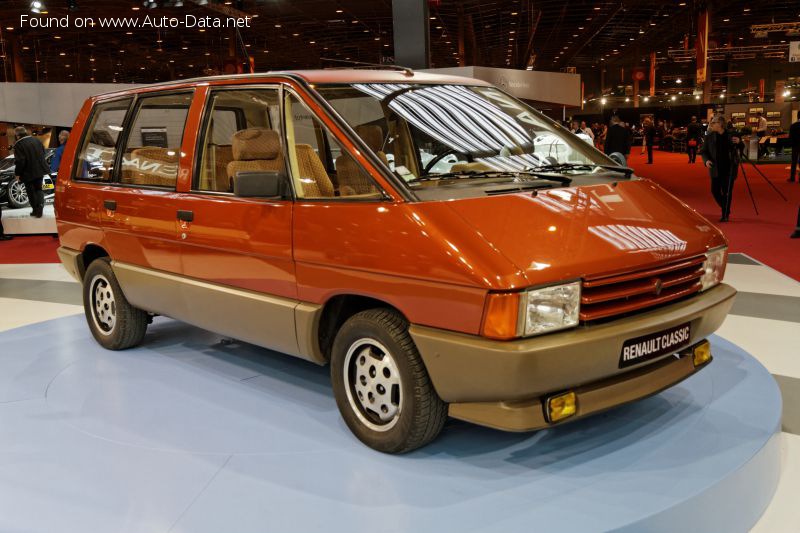
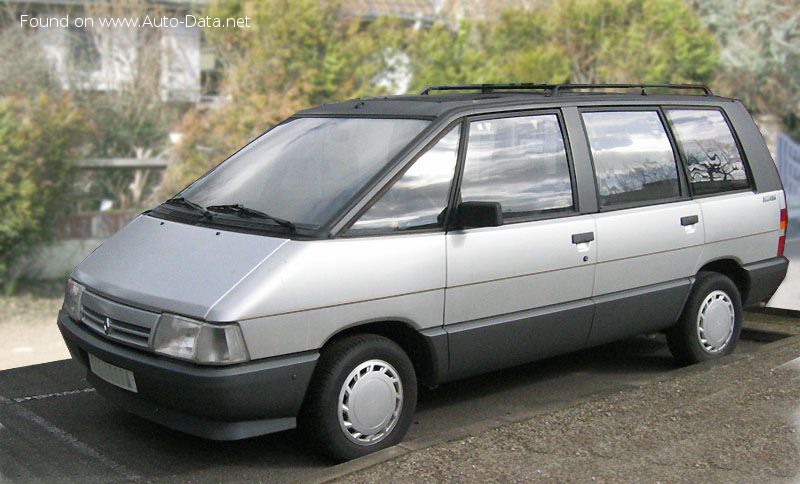
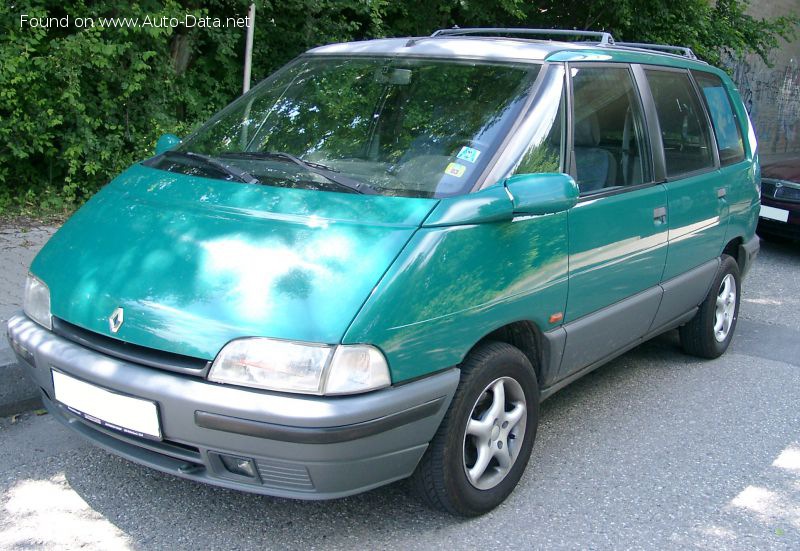
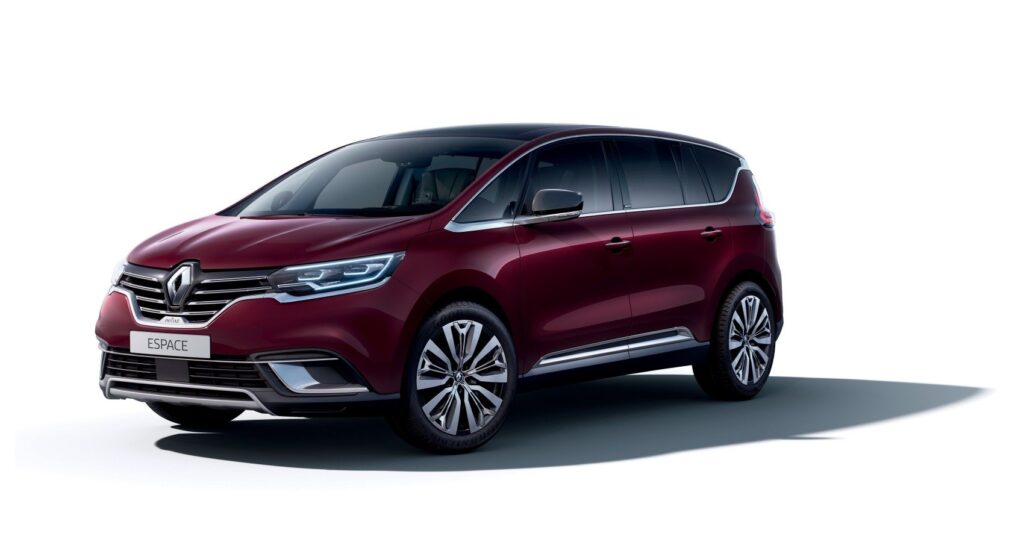
The Renault Espace V (Phase II, 2020) represents a significant evolution in Renault’s long-standing Espace lineage, a nameplate synonymous with innovation in the European family vehicle segment. Originally pioneering the multi-purpose vehicle (MPV) concept in the 1980s, the Espace underwent a radical transformation with its fifth generation, launched in 2015, shifting from a traditional minivan silhouette to a more contemporary crossover-SUV design. The Phase II refresh, introduced in February 2020, further refined this vision, aiming to blend the practicality and spaciousness expected of an Espace with the elevated driving position and stylistic appeal of a modern sport utility vehicle.
This particular iteration, featuring the 1.8 TCe (225 Hp) EDC FAP powertrain, was a key offering during its brief production run from February to November 2020. Positioned in the upper-midsize segment, the Espace V (Phase II, 2020) targeted European families seeking a premium, versatile, and technologically advanced vehicle that could comfortably accommodate five occupants and their cargo, while delivering a dynamic driving experience. While never officially sold in the United States, understanding its role in the European market provides insight into the diverse automotive landscape and Renault’s strategic response to changing consumer preferences away from conventional minivans towards more adventurous, SUV-inspired designs.
Engine and Performance: The 1.8 TCe Powertrain
At the heart of the Renault Espace V (Phase II, 2020) 1.8 TCe (225 Hp) EDC FAP lies a sophisticated turbocharged inline-four gasoline engine, designated M5P 403. With an engine displacement of 1.8 liters (1798 cm³ or 109.72 cubic inches), this powerplant was engineered for a compelling blend of performance and efficiency. It delivers a robust 225 horsepower at 5600 rpm, translating to an impressive power-per-liter output of 125.1 Hp/l. Torque is equally substantial, peaking at 221.27 lb.-ft. (300 Nm) at a low 2000 rpm, ensuring strong acceleration and flexible everyday driving.
The engine features a front, transverse layout and utilizes direct injection for precise fuel delivery and optimal combustion. A turbocharger with an intercooler boosts air intake, contributing significantly to its power output while maintaining fuel efficiency. The powertrain is mated to a 7-speed EDC (Efficient Dual Clutch) automatic transmission, providing smooth and rapid gear changes, enhancing both performance and driving comfort. Power is sent to the front wheels, a common configuration for vehicles in this class, optimizing traction and packaging.
Performance figures for the Espace V (Phase II, 2020) 1.8 TCe are commendable for a vehicle of its size and segment. It accelerates from 0 to 60 mph in an estimated 7.5 seconds, with a 0 to 100 km/h sprint completed in 7.9 seconds. The top speed is rated at 139.19 mph (224 km/h). Fuel economy, while varying by driving conditions, is respectable: an urban consumption of 23.8 US mpg, an extra-urban figure of 37.3 US mpg, and a combined average of 30.9 US mpg (7.6 l/100 km). With CO2 emissions of 174 g/km, the vehicle complies with the stringent Euro 6 d-TEMP emission standard, reflecting its modern environmental credentials. A particulate filter (FAP) is also integrated into the exhaust system, further reducing harmful emissions.
Design and Features: Blending Practicality with Premium Appeal
The design of the Renault Espace V (Phase II, 2020) is a crucial aspect of its identity, embodying the crossover philosophy that defined its fifth generation. While retaining some of the spaciousness inherent to its minivan heritage, its exterior styling is distinctly more dynamic and SUV-like. It features a bold front fascia, prominent grille, and distinctive C-shaped LED signature lighting that became a hallmark of Renault’s contemporary design language. The body type is officially classified as a Minivan, Crossover, offering five doors and comfortable seating for five occupants.
Dimensions contribute to its imposing road presence and interior volume. The vehicle measures 191.3 inches (4859 mm) in length, 74.33 inches (1888 mm) in width (83.78 inches or 2128 mm including mirrors), and stands between 66.18 and 67.36 inches (1681-1711 mm) tall, depending on specification. A generous wheelbase of 113.54 inches (2884 mm) is key to both its stable ride and expansive interior. The ground clearance of 6.3 inches (160 mm) further underscores its crossover aspirations, allowing for confident navigation over varying road conditions.
Inside, the Espace V (Phase II, 2020) prioritizes comfort, versatility, and technology. The cabin is designed with premium materials and finishes, aiming for an upscale ambiance. The digital instrument cluster and large, vertically oriented infotainment touchscreen (typical of modern Renaults) provide intuitive control over vehicle functions, navigation, and entertainment. The spacious interior is highly adaptable, offering a minimum trunk space of 27.72 cubic feet (785 liters) with all seats in place, expanding to a cavernous 74.2 cubic feet (2101 liters) with the rear seats folded, making it exceptionally practical for family trips or hauling cargo.
Safety and driving dynamics are enhanced by a range of features. The Espace comes equipped with an independent McPherson-type front suspension for a comfortable and controlled ride. Braking is handled by ventilated discs measuring 320 mm at the front and solid discs of 290 mm at the rear, supported by an Anti-lock Braking System (ABS). Electric power steering provides precise and effortless maneuverability, complemented by a minimum turning circle of 39.04 feet (11.9 meters). The vehicle rides on 18-inch wheels fitted with 235/60 R18 tires, balancing ride comfort with road holding.
Technical Specifications
| Category | Specification |
|---|---|
| General Information | |
| Brand | Renault |
| Model | Espace |
| Generation | Espace V (Phase II, 2020) |
| Type (Engine) | 1.8 TCe (225 Hp) EDC FAP |
| Start of Production | February, 2020 |
| End of Production | November, 2020 |
| Powertrain Architecture | Internal Combustion engine |
| Body type | Minivan, Crossover |
| Seats | 5 |
| Doors | 5 |
| Performance Specs | |
| Fuel consumption (economy) – urban | 23.8 US mpg (9.9 l/100 km) |
| Fuel consumption (economy) – extra urban | 37.3 US mpg (6.3 l/100 km) |
| Fuel consumption (economy) – combined | 30.9 US mpg (7.6 l/100 km) |
| CO2 emissions | 174 g/km |
| Fuel Type | Petrol (Gasoline) |
| Acceleration 0 – 60 mph | 7.5 sec |
| Acceleration 0 – 100 km/h | 7.9 sec |
| Maximum speed | 139.19 mph (224 km/h) |
| Emission standard | Euro 6 d-TEMP |
| Weight-to-power ratio | 7.3 kg/Hp, 137.8 Hp/tonne |
| Weight-to-torque ratio | 5.4 kg/Nm, 183.7 Nm/tonne |
| Engine Specs | |
| Power | 225 Hp @ 5600 rpm |
| Power per liter | 125.1 Hp/l |
| Torque | 221.27 lb.-ft. (300 Nm) @ 2000 rpm |
| Engine layout | Front, Transverse |
| Engine Model/Code | M5P 403 |
| Engine displacement | 1.8 liters (1798 cm³ / 109.72 cu. in.) |
| Number of cylinders | 4 |
| Engine configuration | Inline |
| Cylinder Bore | 3.14 in. (79.7 mm) |
| Piston Stroke | 3.55 in. (90.1 mm) |
| Number of valves per cylinder | 4 |
| Fuel injection system | Direct injection |
| Engine aspiration | Turbocharger, Intercooler |
| Engine systems | Particulate filter |
| Space, Volume and Weights | |
| Kerb Weight | 3600.15 lbs. (1633 kg) |
| Max. weight | 5313.14 lbs. (2410 kg) |
| Max load | 1712.99 lbs. (777 kg) |
| Trunk (boot) space – minimum | 27.72 cu. ft. (785 l) |
| Trunk (boot) space – maximum | 74.2 cu. ft. (2101 l) |
| Fuel tank capacity | 14.79 US gal (56 l) |
| Permitted trailer load with brakes (12%) | 4409.25 lbs. (2000 kg) |
| Permitted trailer load without brakes | 1653.47 lbs. (750 kg) |
| Dimensions | |
| Length | 191.3 in. (4859 mm) |
| Width | 74.33 in. (1888 mm) |
| Width with mirrors folded | 75.35 in. (1914 mm) |
| Width including mirrors | 83.78 in. (2128 mm) |
| Height | 66.18 – 67.36 in. (1681-1711 mm) |
| Wheelbase | 113.54 in. (2884 mm) |
| Front track | 64.17 in. (1630 mm) |
| Rear (Back) track | 63.82 in. (1621 mm) |
| Front overhang | 40.55 in. (1030 mm) |
| Rear overhang | 37.17 in. (944 mm) |
| Ride height (ground clearance) | 6.3 in. (160 mm) |
| Minimum turning circle (turning diameter) | 39.04 ft. (11.9 m) |
| Drivetrain, Brakes and Suspension Specs | |
| Drivetrain Architecture | Front wheel drive, Internal Combustion engine |
| Drive wheel | Front wheel drive |
| Number of gears and type of gearbox | 7 gears, automatic transmission EDC |
| Front suspension | Independent type McPherson |
| Front brakes | Ventilated discs, 320 mm |
| Rear brakes | Disc, 290 mm |
| Assisting systems | ABS (Anti-lock braking system) |
| Steering type | Steering rack and pinion |
| Power steering | Electric Steering |
| Tires size | 235/60 R18 |
| Wheel rims size | 18 |
Legacy and Market Impact in the European Segment
The Renault Espace holds a unique and revered position in European automotive history. Its initial generations virtually invented the mainstream minivan segment, offering unparalleled space and modularity for families. The Espace V, and particularly its Phase II refresh in 2020, marked a pivotal moment in this legacy. It represented Renault’s bold strategy to adapt the Espace nameplate to a rapidly changing market, where traditional minivans were losing ground to the surging popularity of SUVs and crossovers. By adopting a more rugged, elevated stance and dynamic styling, the Espace aimed to capture the essence of its spacious past while embracing the aesthetic and aspirational qualities of a modern crossover.
In its primary European market, the Espace V (Phase II, 2020) competed against a diverse array of vehicles. On one hand, it still contended with remaining traditional MPVs like the Ford S-Max and Volkswagen Sharan, offering comparable interior flexibility. On the other, its crossover styling put it in direct competition with larger, premium-oriented SUVs such as the Peugeot 5008, Skoda Kodiaq, and even entry-level models from luxury brands. Its distinct blend of minivan practicality, SUV presence, and a touch of executive sedan refinement carved out a unique niche.
The 1.8 TCe (225 Hp) EDC FAP variant, with its powerful yet efficient gasoline engine, contributed to the Espace’s reputation as a capable long-distance cruiser, well-suited for European highways. Its advanced powertrain, coupled with a comfortable and technologically rich interior, positioned it as a premium offering in the non-luxury segment. The relatively short production window for this specific Phase II variant (February to November 2020) highlights the rapid pace of development and market response in the automotive industry, potentially signaling a transition towards future electrification or a further refinement of Renault’s family vehicle strategy. Ultimately, the Espace V (Phase II, 2020) stands as a testament to Renault’s continuous effort to innovate and adapt, ensuring its iconic family vehicle nameplate remained relevant in a fiercely competitive and evolving European landscape.