Introduction to the Ford Shelby I GT 500 7.0 V8 (360 Hp) Automatic
The Ford Shelby I GT 500 7.0 V8 (360 Hp) Automatic represents a legendary chapter in American automotive history, a true icon of the muscle car era. Produced between 1967 and 1970, this vehicle was the epitome of raw power and aggressive styling, born from the collaboration between Ford Motor Company and the legendary automotive designer and racer Carroll Shelby. As part of the first generation of Shelby Mustangs, often referred to as the “Shelby I,” the GT500 was designed to dominate both the street and the drag strip, offering an unparalleled driving experience for its time. It carved out a niche as one of the most desirable high-performance vehicles, blending Mustang’s popular platform with Shelby’s race-bred enhancements.
Positioned at the pinnacle of the Mustang lineup, the GT500 was not merely a cosmetic upgrade; it was a comprehensive performance machine. It entered a fiercely competitive market segment, battling other American powerhouses for supremacy. Its significant displacement V8 engine, robust construction, and distinctive aesthetic set it apart, making it an enduring symbol of American automotive engineering and a highly sought-after collector’s item today. This article delves into the intricate details of its engineering, design, and lasting impact on the global automotive landscape, focusing on the specific variant equipped with the formidable 7.0-liter V8 and an automatic transmission.
Engine and Performance: The Heart of the Ford Shelby I GT 500 7.0 V8 (360 Hp) Automatic
Powertrain Philosophy and Execution
At the core of the Ford Shelby I GT 500 7.0 V8 (360 Hp) Automatic’s formidable reputation lies its powertrain. This generation of the GT500 was endowed with a massive 7.0-liter (6997 cm3 or 426.98 cubic inches) V8 engine, a testament to the era’s “no replacement for displacement” philosophy. This naturally aspirated, carbureted engine was engineered to deliver immense power and torque, characteristic of the muscle car ethos. With a reported output of 360 horsepower at 5400 rpm, the GT500 was a force to be reckoned with. More impressively, it generated a colossal 420.41 lb.-ft. (570 Nm) of torque at a relatively low 3200 rpm, ensuring breathtaking acceleration from a standstill and robust mid-range pull.
The engine’s architecture featured an eight-cylinder V-configuration with a front, longitudinal layout, driving the rear wheels. Key specifications included a cylinder bore of 4.13 inches (104.9 mm) and a piston stroke of 3.98 inches (101.19 mm), contributing to its substantial displacement. A compression ratio of 10.5:1 was considered high performance for the period, optimizing combustion efficiency for the available gasoline. Fuel delivery was handled by a carburetor system, a common and effective method for high-performance engines before the widespread adoption of electronic fuel injection. Each cylinder was equipped with four valves, an advanced feature for maximizing airflow and performance in a pushrod V8 of that era.
Power was transferred to the rear wheels via a robust 3-speed automatic transmission. While some purists preferred a manual gearbox, the automatic offered rapid shifts and consistent power delivery, making it highly effective for drag racing and spirited street driving, especially given the engine’s prodigious torque output. The curb weight of 3351.03 lbs. (1520 kg) meant the GT500 boasted an impressive weight-to-power ratio of 4.2 kg/Hp (236.8 Hp/tonne) and a weight-to-torque ratio of 2.7 kg/Nm (375 Nm/tonne), underscoring its ability to translate raw engine power into thrilling performance. The internal combustion engine (ICE) architecture, driving the rear wheels, firmly cemented its place as a quintessential American muscle car.
Design and Features
Distinctive Aesthetics and Purpose-Built Engineering
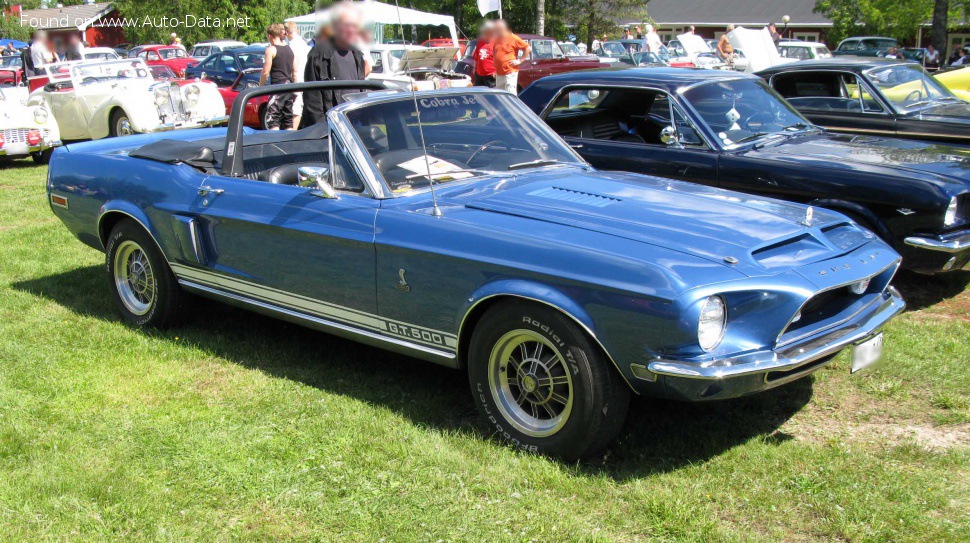
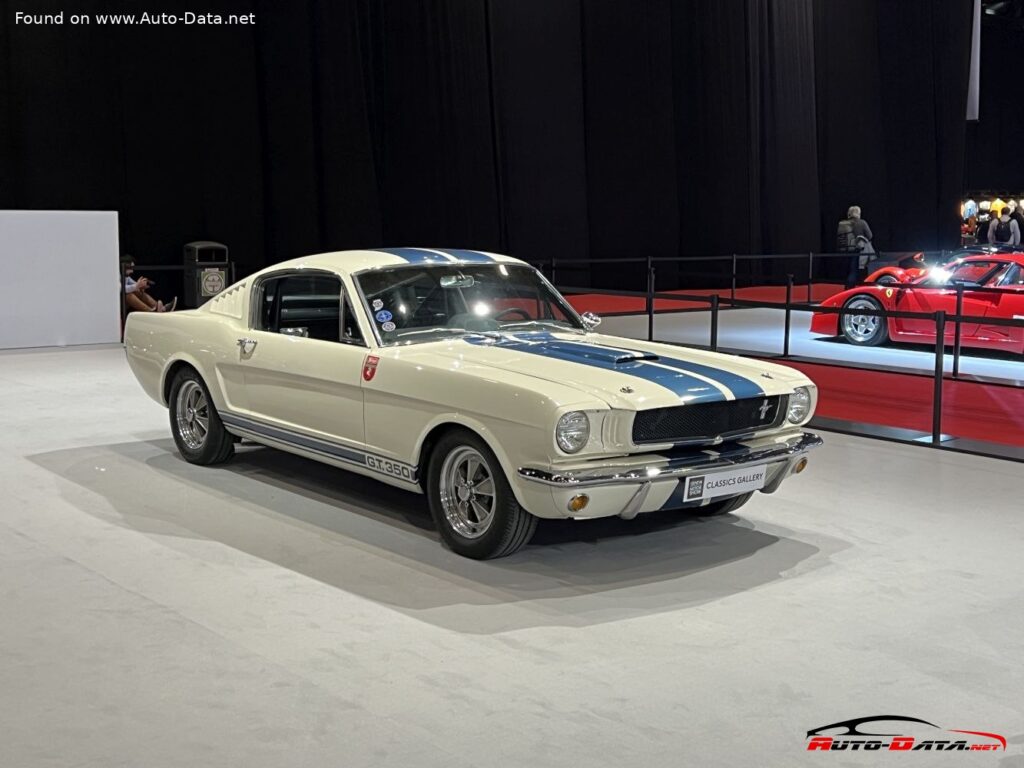
The Ford Shelby I GT 500 was unequivocally a two-door coupe, designed with an aggressive stance that immediately conveyed its performance intentions. Its body lines were a more muscular and refined evolution of the standard Ford Mustang, incorporating unique Shelby styling cues that enhanced both aerodynamics and visual appeal. The car measured 186.61 inches (4740 mm) in length, 70.91 inches (1801 mm) in width, and stood 51.61 inches (1311 mm) tall, giving it a powerful, low-slung profile. A wheelbase of 107.99 inches (2743 mm) provided a stable platform for its high-speed endeavors.
Visually, the GT500 was distinguished by its unique front fascia, often featuring additional driving lights, a prominent grille, and a functional hood scoop designed to feed the thirsty V8 engine with cool air. Side scoops, racing stripes, and special Shelby badging further differentiated it from its lesser Mustang siblings. The rear featured distinctive taillights and often a spoiler, contributing to its iconic look. The interior, while rooted in the Mustang’s design, received performance-oriented upgrades such as a specialized steering wheel, additional gauges to monitor engine vitals, and often upgraded seating to provide better support during spirited driving. Despite its performance focus, it retained a 4-seat configuration, making it a powerful grand tourer capable of carrying passengers.
In terms of chassis and braking, the GT500 featured ventilated disc brakes at the front, a significant advantage for stopping power compared to the standard drum brakes found on many cars of the era. The rear utilized drum brakes, a common setup for powerful rear-wheel-drive vehicles of the time. This combination provided adequate stopping performance for its era, though modern standards have far surpassed it. The car’s turning circle was 38.06 feet (11.6 m), reflecting its longer wheelbase and performance-oriented steering. Its drag coefficient (Cd) of 0.47, while high by today’s standards, was typical for a powerful, boxy muscle car designed more for straight-line acceleration and visual impact than ultimate aerodynamic efficiency. The overall design was a harmonious blend of form and function, creating a vehicle that was as thrilling to look at as it was to drive.
Technical Specifications
| Category | Specification |
|---|---|
| Brand | Ford |
| Model | Shelby |
| Generation | Shelby I |
| Type (Engine) | GT 500 7.0 V8 (360 Hp) Automatic |
| Start of Production | 1967 year |
| End of Production | 1970 year |
| Powertrain Architecture | Internal Combustion engine |
| Body type | Coupe |
| Seats | 4 |
| Doors | 2 |
| Performance Specs | |
| Fuel Type | Petrol (Gasoline) |
| Weight-to-power ratio | 4.2 kg/Hp, 236.8 Hp/tonne |
| Weight-to-torque ratio | 2.7 kg/Nm, 375 Nm/tonne |
| Engine Specs | |
| Power | 360 Hp @ 5400 rpm. |
| Power per liter | 51.5 Hp/l |
| Torque | 570 Nm @ 3200 rpm. (420.41 lb.-ft. @ 3200 rpm.) |
| Engine layout | Front, Longitudinal |
| Engine displacement | 6997 cm3 (426.98 cu. in.) |
| Number of cylinders | 8 |
| Engine configuration | V-engine |
| Cylinder Bore | 104.9 mm (4.13 in.) |
| Piston Stroke | 101.19 mm (3.98 in.) |
| Compression ratio | 10.5:1 |
| Number of valves per cylinder | 4 |
| Fuel injection system | Carburetor |
| Engine aspiration | Naturally aspirated engine |
| Space, Volume and Weights | |
| Kerb Weight | 1520 kg (3351.03 lbs.) |
| Fuel tank capacity | 64 l (16.91 US gal) |
| Dimensions | |
| Length | 4740 mm (186.61 in.) |
| Width | 1801 mm (70.91 in.) |
| Height | 1311 mm (51.61 in.) |
| Wheelbase | 2743 mm (107.99 in.) |
| Front track | 1473 mm (57.99 in.) |
| Rear (Back) track | 1473 mm (57.99 in.) |
| Drag coefficient (Cd) | 0.47 |
| Minimum turning circle (turning diameter) | 11.6 m (38.06 ft.) |
| Drivetrain, Brakes and Suspension Specs | |
| Drivetrain Architecture | The Internal combustion engine (ICE) drives the rear wheels of the vehicle. |
| Drive wheel | Rear wheel drive |
| Number of gears and type of gearbox | 3 gears, automatic transmission |
| Front brakes | Ventilated discs |
| Rear brakes | Drum |
Legacy and Market Impact
The Ford Shelby I GT 500 7.0 V8 (360 Hp) Automatic holds an indelible place in the pantheon of American muscle cars. Its production run from 1967 to 1970 coincided with the peak of the muscle car wars, a period of intense competition among U.S. automakers to produce the most powerful and visually striking performance vehicles. The GT500, with its potent 7.0-liter V8, stood as a formidable contender against rivals such as the Chevrolet Camaro Z/28, Pontiac GTO, Plymouth Hemi ‘Cuda, and the Dodge Charger R/T. While these competitors each offered their unique blend of power and style, the Shelby GT500 distinguished itself through its direct lineage to Carroll Shelby’s racing expertise and its highly aggressive, yet refined, Mustang platform.
Carroll Shelby’s influence was paramount in transforming the Mustang into the fire-breathing GT500. His vision was to create a car that could offer both track-ready performance and street legality, a philosophy evident in the GT500’s robust engine and performance-tuned chassis. The car’s reputation quickly grew, not just among enthusiasts and racers, but also within popular culture. Its distinctive styling and raw power made it a star in numerous films and television shows, cementing its status as a symbol of American automotive prowess and freedom.
Today, the Shelby I GT500 is highly sought after by collectors and enthusiasts worldwide. Its limited production numbers, historical significance, and the enduring legacy of Carroll Shelby contribute to its immense value in the classic car market. It represents an era when engine displacement and horsepower figures were king, and performance cars were characterized by their visceral driving experience. The GT500’s impact extended beyond its sales figures; it inspired generations of performance vehicles and remains a benchmark for what a truly great American muscle car should be. Its legacy is not just in its impressive technical specifications but in its ability to capture the imagination and embody the spirit of high-octane American motoring.