The Volkswagen Polo IV (9N) 1.9 TDI (101 Hp): A Quintessential European Subcompact
The Volkswagen Polo IV, internally designated as the 9N, represented a significant evolution for Volkswagen’s popular subcompact car line, building upon a legacy of practicality, efficiency, and understated design. Launched in 2001 and produced until 2005, this generation solidified the Polo’s position as a dominant force in the highly competitive European supermini segment. The specific variant, the Volkswagen Polo IV (9N) 1.9 TDI (101 Hp), stood out for its robust turbodiesel engine, offering an impressive blend of fuel economy and usable performance that resonated deeply with European consumers facing rising fuel costs and a demand for durable, long-distance commuters. While never officially sold in the United States, the Polo 9N played a crucial role in Volkswagen’s global strategy, serving as a benchmark for compact efficiency and driving dynamics in markets across Europe, Asia, and other regions.
The 9N generation was a completely new design, sharing its platform with the Škoda Fabia and SEAT Ibiza, marking a departure from its predecessor’s architecture. It introduced a more mature and sophisticated aesthetic, alongside advancements in safety, comfort, and powertrain technology. The 1.9 TDI engine, a familiar and highly regarded powerplant within the Volkswagen Group, was a cornerstone of the Polo 9N’s appeal, providing a compelling option for those seeking a practical, yet spirited, daily driver.
Engine and Performance: The Heart of the Volkswagen Polo IV (9N) 1.9 TDI (101 Hp)
At the core of the Volkswagen Polo IV (9N) 1.9 TDI (101 Hp) lies Volkswagen’s venerable 1.9-liter (1896 cm3 or 115.7 cu. in.) turbodiesel engine, a powerplant renowned for its reliability, torque, and exceptional fuel efficiency. This inline-four cylinder engine, identified by codes such as ATD or AXR, delivered a respectable 101 horsepower at 4000 rpm. While 101 horsepower might seem modest by contemporary standards, the true strength of this diesel unit lay in its torque output: a substantial 177.01 lb.-ft. (240 Nm) available at a remarkably low 1800 rpm. This characteristic low-end torque made the Polo 1.9 TDI feel remarkably responsive and effortless in urban driving and highway cruising, minimizing the need for frequent gear changes.
The engine featured a sophisticated pump-nozzle (unit injector) fuel injection system, which, at the time, was a cutting-edge technology for direct injection diesels, allowing for precise fuel delivery and improved combustion efficiency. Coupled with a turbocharger and intercooler, this setup ensured optimal air-fuel mixture and sustained power output across the rev range, particularly beneficial for highway overtakes. The engine’s architecture included two valves per cylinder and an OHC (Overhead Camshaft) valvetrain, contributing to its robust and straightforward design. With a high compression ratio of 19:1, typical for a diesel engine, and a bore of 3.13 inches (79.5 mm) paired with a piston stroke of 3.76 inches (95.5 mm), the engine was engineered for durability and consistent performance. The engine oil capacity was 4.54 US quarts (4.3 liters), and the cooling system required 6.34 US quarts (6 liters) of coolant, indicating a well-engineered thermal management system for longevity.
Power was delivered to the front wheels via a front-wheel-drive architecture, a standard and efficient setup for a vehicle in this class. The engine’s layout was specified as front, longitudinal, which is an interesting engineering choice for a compact, front-wheel-drive platform, typically associated with more premium or performance-oriented layouts in other segments. This configuration, combined with the diesel’s inherent efficiency, ensured that the Polo 9N 1.9 TDI offered a compelling package for drivers prioritizing low running costs and a spirited driving experience in its segment.
Design and Features: Practicality Meets Refinement
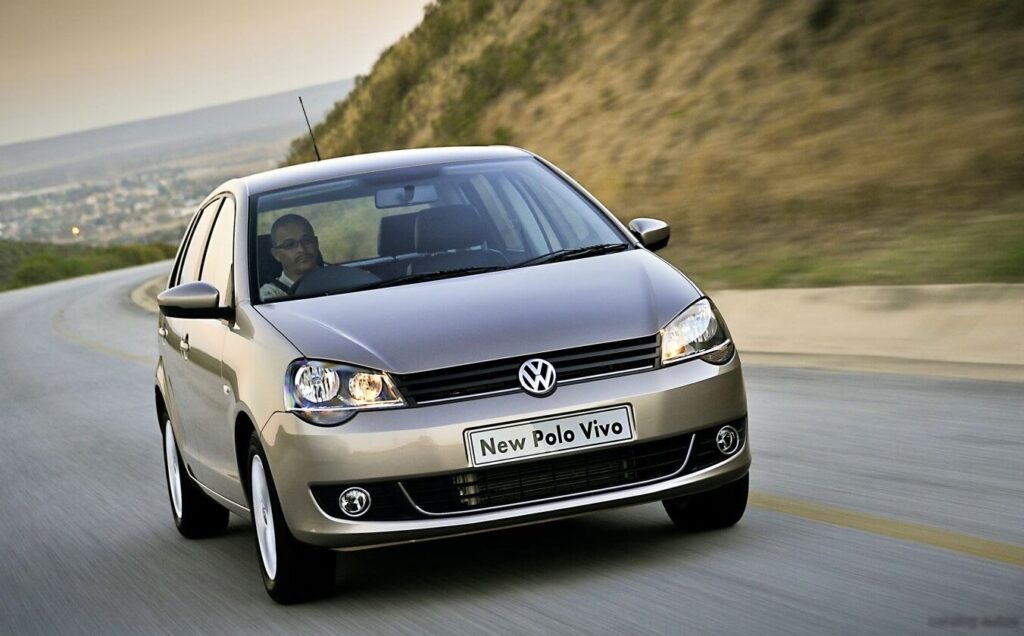
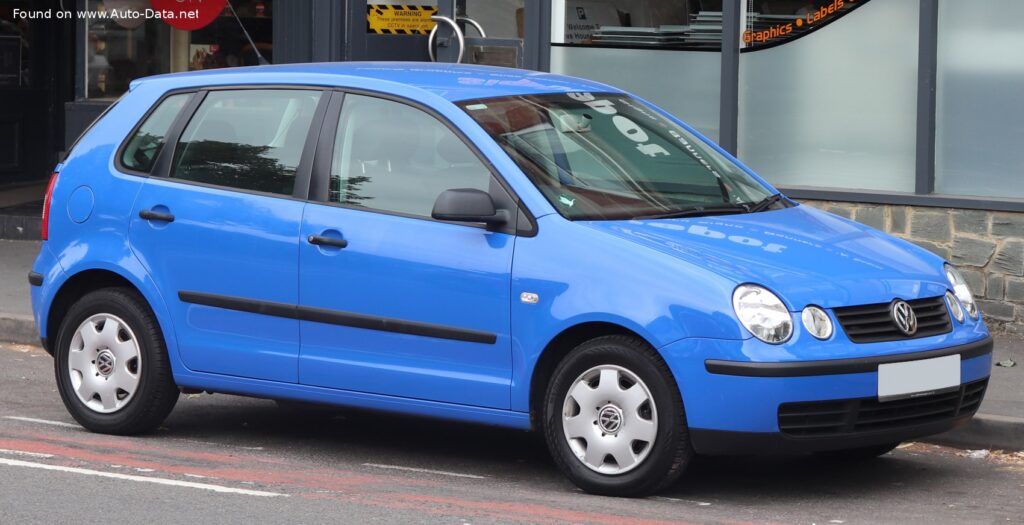
The Volkswagen Polo IV (9N) presented a more mature and refined design compared to its predecessors. Adopting a classic five-door hatchback body type, it offered a practical and versatile solution for urban families and individuals. Its styling cues, while unmistakably Volkswagen, borrowed elements from the larger Golf and Passat, giving it a more substantial and upscale appearance than its compact dimensions might suggest. The front fascia featured distinctive circular headlights, a design element that set it apart from its contemporaries and gave it a friendly yet purposeful look.
Inside, the Polo 9N emphasized ergonomics and quality materials, hallmarks of Volkswagen design. While specific trim levels and optional features varied by market, the focus was on creating a comfortable and functional cabin. Key features enhancing the driving experience and safety included an Anti-lock Braking System (ABS), which was becoming standard across many European vehicles of this era, providing crucial stability during emergency braking maneuvers. The inclusion of electric power steering was another significant upgrade, offering lighter steering effort at low speeds for easier parking and maneuverability, while providing more feedback at higher speeds. This system contributed to the Polo’s reputation for being an easy and enjoyable car to drive in a variety of conditions.
The vehicle rode on 15-inch wheels, typically fitted with 195/55 R15 tires, a common size for balancing ride comfort, grip, and affordability in the subcompact class. The front suspension utilized an independent McPherson strut setup, a proven design for its simplicity, effectiveness, and ability to provide a good balance between ride comfort and handling precision. The overall design philosophy of the Polo 9N was one of understated elegance and robust functionality, making it a highly appealing choice for a broad demographic in its primary markets.
Technical Specifications: Volkswagen Polo IV (9N) 1.9 TDI (101 Hp)
| General Information | |
|---|---|
| Brand | Volkswagen |
| Model | Polo |
| Generation | Polo IV (9N) |
| Type (Engine) | 1.9 TDI (101 Hp) |
| Start of Production | 2001 year |
| End of Production | 2005 year |
| Powertrain Architecture | Internal Combustion engine |
| Body Type | Hatchback |
| Performance Specifications | |
| Fuel Type | Diesel |
| Power | 101 Hp @ 4000 rpm |
| Power per liter | 53.3 Hp/l |
| Torque | 240 Nm (177.01 lb.-ft.) @ 1800 rpm |
| Engine Layout | Front, Longitudinal |
| Engine Model/Code | ATD, AXR |
| Engine Displacement | 1896 cm3 (115.7 cu. in.) |
| Number of Cylinders | 4 |
| Engine Configuration | Inline |
| Cylinder Bore | 79.5 mm (3.13 in.) |
| Piston Stroke | 95.5 mm (3.76 in.) |
| Compression Ratio | 19:1 |
| Number of Valves per Cylinder | 2 |
| Fuel Injection System | Pump-nozzle (Unit Injector) |
| Engine Aspiration | Turbocharger, Intercooler |
| Valvetrain | OHC |
| Engine Oil Capacity | 4.3 l (4.54 US qt) |
| Coolant Capacity | 6 l (6.34 US qt) |
| Space, Volume and Weights | |
| Fuel Tank Capacity | 45 l (11.89 US gal) |
| Drivetrain, Brakes and Suspension Specifications | |
| Drivetrain Architecture | The Internal Combustion Engine (ICE) drives the front wheels of the vehicle. |
| Drive Wheel | Front wheel drive |
| Front Suspension | Independent type McPherson |
| Assisting Systems | ABS (Anti-lock braking system) |
| Power Steering | Electric Steering |
| Tires Size | 195/55 R15 |
| Wheel Rims Size | 15 |
Legacy and Market Impact in the European Segment
The Volkswagen Polo IV (9N) 1.9 TDI (101 Hp) carved out a significant legacy, particularly in the European market, as a highly respected and sought-after subcompact. Its robust build quality, efficient diesel powertrain, and refined driving dynamics set it apart from many competitors. In an era where diesel engines were gaining immense popularity in Europe due to their superior fuel economy and lower CO2 emissions compared to gasoline counterparts, the 1.9 TDI variant of the Polo was a compelling proposition for both private buyers and fleet operators.
The Polo 9N faced stiff competition from a host of well-established rivals in the European supermini segment. Key competitors included the Ford Fiesta, known for its engaging driving dynamics; the Opel Corsa (Vauxhall Corsa in the UK), offering a strong value proposition; the Peugeot 206, celebrated for its distinctive styling; and the Renault Clio, often praised for its comfort and design. Despite this fierce rivalry, the Polo consistently performed well in sales, thanks to its reputation for reliability, strong residual values, and the perceived premium feel associated with the Volkswagen brand.
Its historical significance lies in its contribution to solidifying the Polo’s identity as a ‘mini-Golf’ – a car that offered much of the larger model’s quality and sophistication in a more compact and affordable package. The 1.9 TDI engine, in particular, was a testament to Volkswagen’s engineering prowess in diesel technology. It provided a remarkable balance of performance for its size and outstanding fuel efficiency, making it an economical choice for long-distance commuters and urban dwellers alike. The car’s durability meant that many units continued to serve reliably for well over a decade, contributing to its strong used car market presence. The Volkswagen Polo IV (9N) 1.9 TDI (101 Hp) remains a testament to practical, well-engineered motoring, embodying the values of efficiency and quality that Volkswagen championed in the early 2000s.