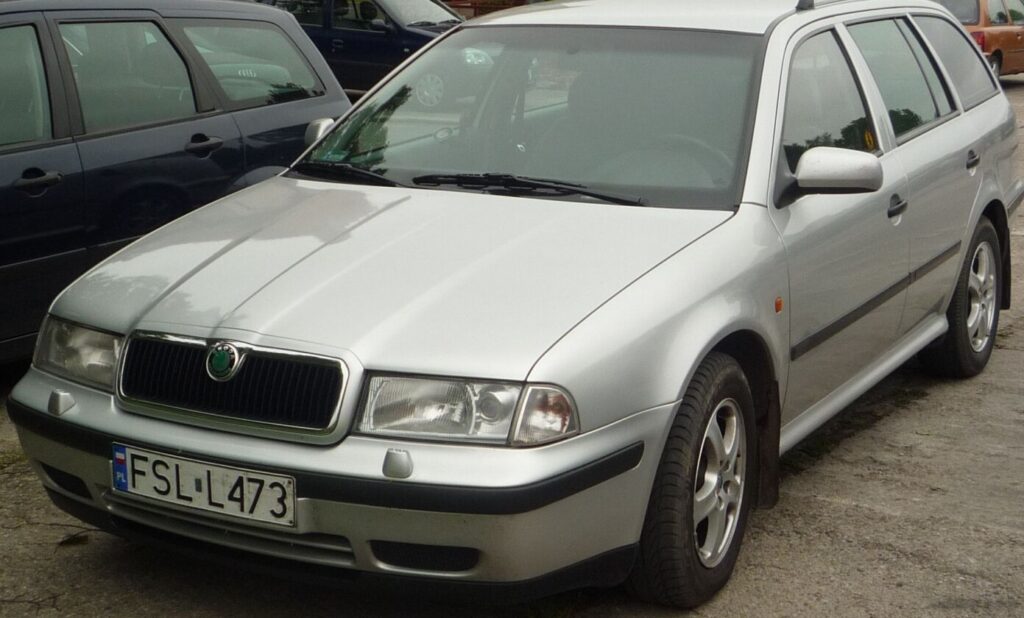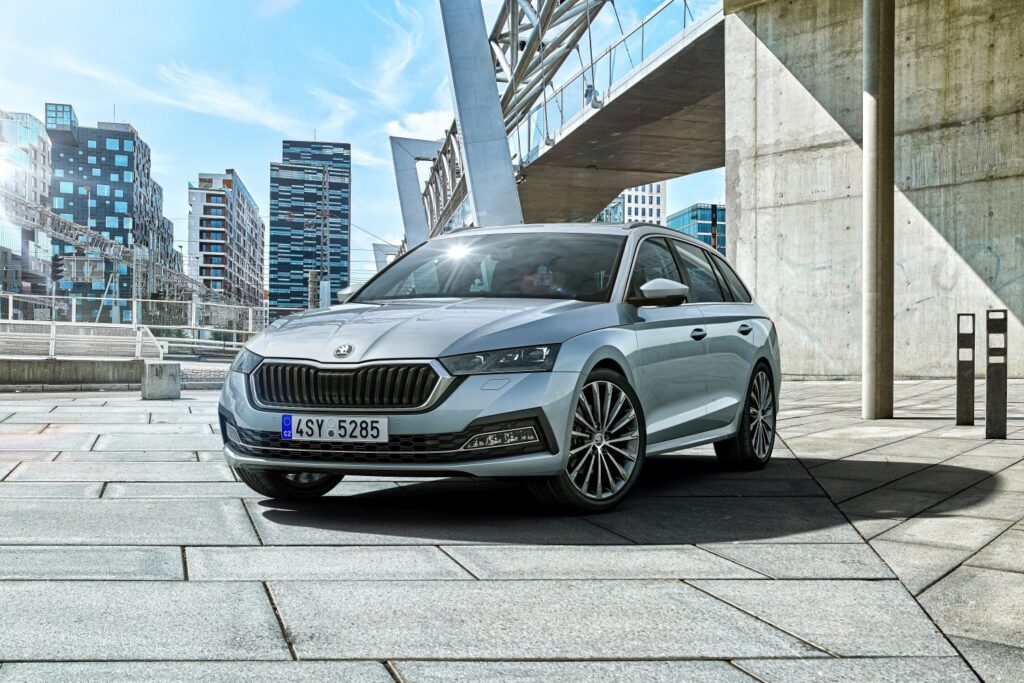
The Skoda Octavia, a cornerstone of the Czech automaker’s lineup and a prominent fixture across European roads, represents a compelling blend of practicality, value, and sophisticated engineering. The fourth generation, known as the Octavia IV, further cemented this reputation, particularly with its Combi (station wagon) variant. Among its diverse powertrain options, the Skoda Octavia IV Combi iV 1.4 TSI (204 Hp) Plug-in Hybrid DSG stands out as a testament to modern automotive efficiency and environmental consciousness. Introduced in September 2020 and produced until February 2023, this model exemplifies Skoda’s commitment to offering electrified solutions within its core product range, targeting families and professionals who demand both spaciousness and reduced running costs in the fiercely competitive European C-segment.
The Skoda Octavia IV Combi iV 1.4 TSI (204 Hp) Plug-in Hybrid DSG: A European Efficiency Standard
While the Skoda brand is not widely available in the United States market, its significance in Europe and other global regions is undeniable. The Octavia, in particular, has consistently been a top seller, often serving as a benchmark for practical family transportation. The “iV” designation signifies Skoda’s foray into electrification, with this specific model representing a plug-in hybrid electric vehicle (PHEV) architecture. This strategic move allowed the Octavia Combi to retain its renowned versatility and generous cargo capacity while dramatically improving fuel efficiency and reducing emissions, aligning with increasingly stringent European environmental regulations and consumer demand for greener alternatives. The integration of a sophisticated PHEV system without compromising the Octavia’s core attributes solidified its position as a thoughtful and forward-thinking option for the discerning European buyer.
Powertrain: Engine and Performance
The 1.4 TSI Engine
At the heart of the Skoda Octavia IV Combi iV 1.4 TSI (204 Hp) Plug-in Hybrid DSG lies a robust and efficient 1.4-liter turbocharged inline-four petrol engine. This internal combustion engine (ICE), identified by the DGEA code, is positioned transversely at the front of the vehicle. It features direct injection and a DOHC (Double Overhead Camshaft) valvetrain with four valves per cylinder, ensuring optimal fuel delivery and combustion efficiency. A turbocharger and intercooler system boost its performance, allowing it to produce a respectable 150 Hp between 5000 and 6000 rpm, and a solid 184.39 lb.-ft. of torque available across a broad range from 1550 to 3500 rpm. With a compression ratio of 10:1 and a bore of 2.93 inches (74.5 mm) and a stroke of 3.15 inches (80 mm), this 85.13 cubic inch (1395 cm3) engine is a proven performer within the Volkswagen Group, known for its balance of power and economy. It also incorporates a Start & Stop system and a particulate filter to further enhance efficiency and reduce emissions.
Integrated Plug-in Hybrid System
The Octavia iV’s true innovation lies in its sophisticated plug-in hybrid architecture. The 1.4 TSI engine is seamlessly integrated with an electric motor, which is strategically placed between the combustion engine and the transmission. This electric motor contributes a substantial 116 Hp and a robust 243.4 lb.-ft. of torque, providing instant acceleration and enabling pure electric driving. The combined efforts of the petrol engine and electric motor result in an impressive system power output of 204 Hp and a potent 258.15 lb.-ft. of system torque, delivered to the front wheels via a smooth and responsive 6-speed automatic DSG (Direct Shift Gearbox) transmission. Powering the electric motor is a 13 kWh gross (10 kWh net usable) Lithium-ion battery, weighing 286.6 lbs. (130 kg) and cleverly located below the floor, under the rear seats, to optimize weight distribution and preserve interior space.
Performance and Efficiency Metrics
The synergy between the conventional engine and the electric powertrain grants the Octavia iV impressive performance figures for a family station wagon. It can accelerate from 0 to 60 mph in a swift 7.1 seconds (0-100 km/h in 7.5 seconds) and reach a top speed of 136.7 mph (220 km/h). However, its most compelling attributes are found in its efficiency. The vehicle boasts an exceptional combined fuel consumption rating (WLTP) of 201-230.6 US mpg (1.02-1.17 l/100 km), thanks to its ability to operate on electricity alone for significant distances. The all-electric range (WLTP) is a practical 38.8 to 42.22 miles (62.45-67.95 km), making daily commutes emission-free for many drivers. Electricity consumption is rated at an average of 140-148 MPGe (14.12-14.92 kWh/100 km). With CO2 emissions as low as 22.44-26.44 g/km, the Octavia iV meets the stringent Euro 6 AP emission standard, underscoring its environmental credentials. The vehicle’s weight-to-power ratio stands at 7.6 kg/Hp (132 Hp/tonne), and its weight-to-torque ratio is 4.4 kg/Nm (226.5 Nm/tonne), indicating a well-balanced power delivery for its size and segment.
Design and Features
Station Wagon Practicality
The Skoda Octavia IV Combi body type is a traditional station wagon (estate), celebrated for its inherent practicality and spaciousness. Measuring 184.61 inches (4689 mm) in length, 72.01 inches (1829 mm) in width (78.86 inches or 2003 mm including mirrors), and 57.8 inches (1468 mm) in height, it offers a substantial footprint. The 105.75-inch (2686 mm) wheelbase ensures a comfortable ride and generous passenger legroom for its five occupants. With five doors, access to both the front and rear seats, as well as the cargo area, is effortless. The minimum trunk (boot) space of 17.3 cubic feet (490 liters) is highly competitive, despite the integration of the battery pack, providing ample room for luggage, groceries, or sports equipment. The vehicle’s kerb weight is 3406.14 lbs. (1545 kg), with a maximum permissible weight of 4537.11 lbs. (2058 kg), allowing for a maximum load of 1130.97 lbs. (513 kg). Furthermore, its towing capabilities are respectable, with a permitted trailer load of 3306.93 lbs. (1500 kg) with brakes and 1653.47 lbs. (750 kg) without brakes, enhancing its utility for active lifestyles.
Modern Skoda Aesthetics and Aerodynamics
The fourth-generation Octavia Combi showcases Skoda’s contemporary design language, characterized by sharp, sculpted lines, a distinctive front grille, and sleek LED lighting. The exterior design is not merely aesthetic but also functional, contributing to an impressive drag coefficient (Cd) of 0.26. This aerodynamic efficiency plays a crucial role in enhancing both fuel economy and all-electric range, particularly at higher speeds. The thoughtful integration of the PHEV components means there are minimal visual changes compared to its conventional counterparts, maintaining the Octavia’s understated yet sophisticated appeal.
Chassis, Braking, and Driver Aids
The Octavia iV Combi is built on the Volkswagen Group’s MQB platform, known for its versatility and robust engineering. It features a front-wheel-drive architecture, with both the ICE and electric motor driving the front wheels, capable of operating in full-electric or mixed modes. The suspension setup comprises an independent McPherson type with a transverse stabilizer at the front and a trailing arm design at the rear, providing a comfortable yet composed ride. Braking performance is handled by ventilated discs at the front and disc brakes at the rear, complemented by an Anti-lock Braking System (ABS) for enhanced safety. Steering is managed by an electric power-assisted rack and pinion system, offering precise control and ease of maneuverability, with a minimum turning circle of 36.42 feet (11.1 meters). The vehicle comes standard with 205/55 R17 tires mounted on 7J x 17 wheel rims, striking a balance between ride comfort and handling dynamics. The ground clearance of 5.63 inches (143 mm) is typical for its segment, suitable for urban and light rural driving.
Technical Specifications
| General Information | |
| Brand | Skoda |
| Model | Octavia |
| Generation | Octavia IV Combi |
| Type (Engine) | iV 1.4 TSI (204 Hp) Plug-in Hybrid DSG |
| Start of production | September, 2020 |
| End of production | February, 2023 |
| Powertrain Architecture | PHEV (Plug-in Hybrid Electric Vehicle) |
| Body type | Station wagon (estate) |
| Seats | 5 |
| Doors | 5 |
| Performance Specs | |
| Combined fuel consumption (WLTP) | 1.02-1.17 l/100 km (201-230.6 US mpg) |
| CO2 emissions (WLTP) | 22.44-26.44 g/km |
| Fuel Type | Petrol / electricity |
| Acceleration 0 – 60 mph | 7.1 sec |
| Acceleration 0 – 100 km/h | 7.5 sec |
| Maximum speed | 136.7 mph (220 km/h) |
| Emission standard | Euro 6 AP |
| Weight-to-power ratio | 7.6 kg/Hp (132 Hp/tonne) |
| Weight-to-torque ratio | 4.4 kg/Nm (226.5 Nm/tonne) |
| Electric Cars and Hybrids Specs | |
| Gross battery capacity | 13 kWh |
| Net (usable) battery capacity | 10 kWh |
| Battery technology | Lithium-ion (Li-Ion) |
| Battery weight | 286.6 lbs. (130 kg) |
| Battery location | Below the floor, under the rear seats |
| All-electric range (WLTP) | 38.8 – 42.22 miles (62.45-67.95 km) |
| Average Energy consumption (WLTP) | 14.12-14.92 kWh/100 km (140-148 MPGe) |
| Electric motor power | 116 Hp |
| Electric motor Torque | 243.4 lb.-ft. (330 Nm) |
| Electric motor location | Between the combustion engine and the transmission |
| System power | 204 Hp |
| System torque | 258.15 lb.-ft. (350 Nm) |
| Internal Combustion Engine Specs | |
| Power | 150 Hp @ 5000-6000 rpm |
| Power per liter | 107.5 Hp/l |
| Torque | 184.39 lb.-ft. @ 1550-3500 rpm (250 Nm @ 1550-3500 rpm) |
| Engine layout | Front, Transverse |
| Engine Model/Code | DGEA |
| Engine displacement | 1.4 liters (85.13 cu. in. / 1395 cm3) |
| Number of cylinders | 4 |
| Engine configuration | Inline |
| Cylinder Bore | 2.93 in. (74.5 mm) |
| Piston Stroke | 3.15 in. (80 mm) |
| Compression ratio | 10:1 |
| Number of valves per cylinder | 4 |
| Fuel injection system | Direct injection |
| Engine aspiration | Turbocharger, Intercooler |
| Valvetrain | DOHC |
| Engine oil capacity | 4.23 US qt (4 l) |
| Engine systems | Start & Stop System, Particulate filter |
| Space, Volume and Weights | |
| Kerb Weight | 3406.14 lbs. (1545 kg) |
| Max. weight | 4537.11 lbs. (2058 kg) |
| Max load | 1130.97 lbs. (513 kg) |
| Trunk (boot) space – minimum | 17.3 cu. ft. (490 l) |
| Fuel tank capacity | 10.43 US gal (39.5 l) |
| Permitted trailer load with brakes (12%) | 3306.93 lbs. (1500 kg) |
| Permitted trailer load without brakes | 1653.47 lbs. (750 kg) |
| Dimensions | |
| Length | 184.61 in. (4689 mm) |
| Width | 72.01 in. (1829 mm) |
| Width including mirrors | 78.86 in. (2003 mm) |
| Height | 57.8 in. (1468 mm) |
| Wheelbase | 105.75 in. (2686 mm) |
| Front track | 60.75 in. (1543 mm) |
| Rear (Back) track | 60.43 in. (1535 mm) |
| Front overhang | 35.83 in. (910 mm) |
| Rear overhang | 43.07 in. (1094 mm) |
| Ride height (ground clearance) | 5.63 in. (143 mm) |
| Drag coefficient (Cd) | 0.26 |
| Minimum turning circle (turning diameter) | 36.42 ft. (11.1 m) |
| Drivetrain, Brakes and Suspension Specs | |
| Drivetrain Architecture | PHEV, FWD. ICE and electric motor drive front wheels in full electric or mixed mode. |
| Drive wheel | Front wheel drive |
| Number of gears and type of gearbox | 6 gears, automatic transmission DSG |