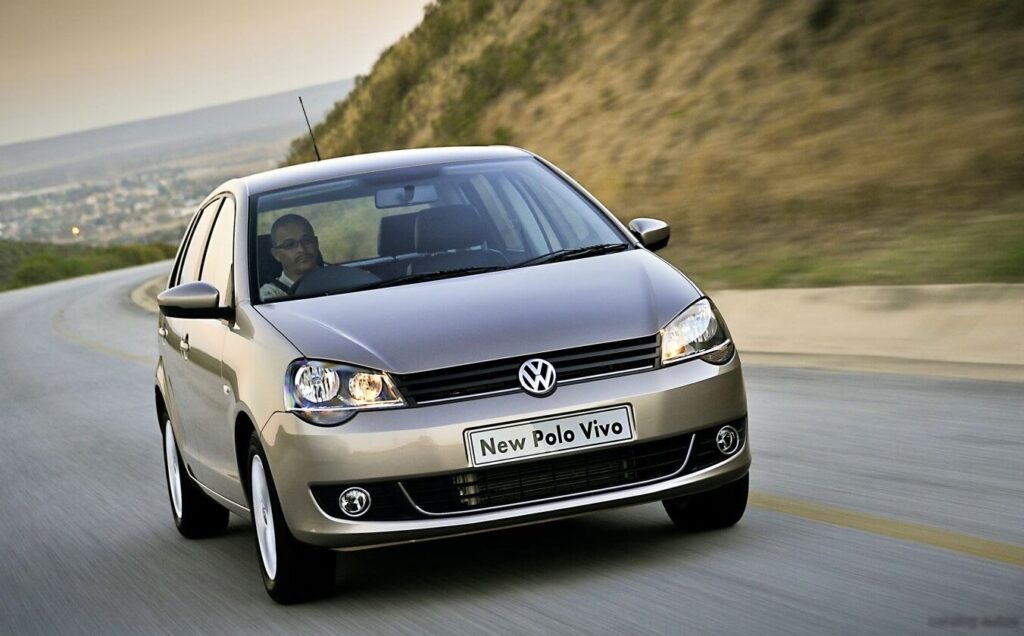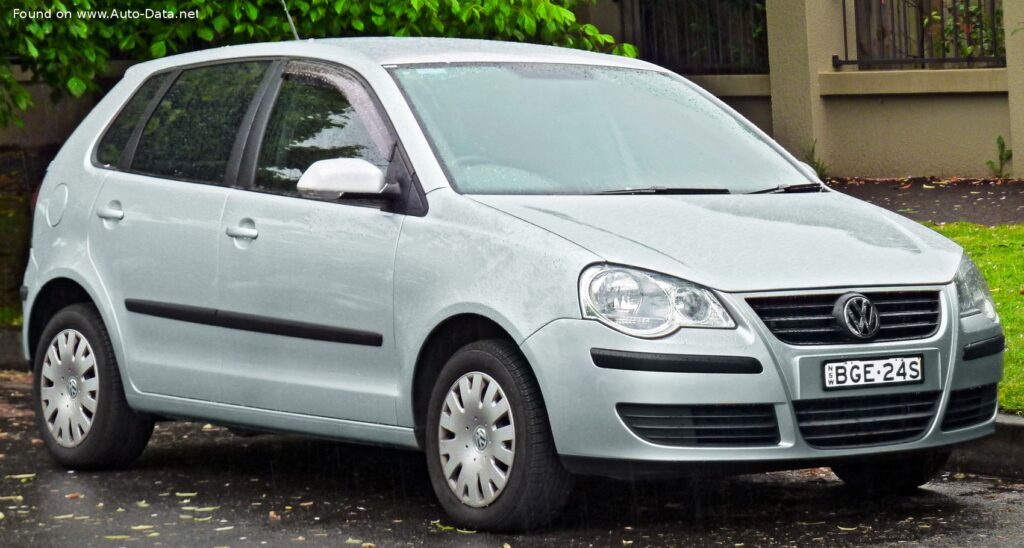
The Volkswagen Polo IV, specifically the 9N generation with its 2005 facelift, represented a significant evolution in the German automaker’s long-running subcompact (known as supermini in Europe) lineup. The variant in focus, the Volkswagen Polo IV (9N, facelift 2005) 1.6 (105 Hp) 5-d, was a popular choice in its primary markets, particularly across Europe, where it carved out a niche for its blend of practicality, build quality, and efficient performance. Produced from 2005 to 2009, this five-door hatchback iteration underscored Volkswagen’s commitment to delivering refined small cars, bridging the gap between entry-level models and the larger, more upscale Golf.
The Volkswagen Polo IV (9N, facelift 2005) 1.6 (105 Hp) 5-d: An Overview
The fourth generation of the Polo, internally designated as 9N, debuted in late 2001. The 2005 facelift brought a refreshed aesthetic, updating the car’s appearance to align with Volkswagen’s evolving design language, which included elements reminiscent of the larger Passat and Golf V. This update was crucial for maintaining competitiveness in a fiercely contested segment. The 1.6-liter engine variant, offering 105 horsepower, was positioned as a strong performer within the range, providing a balance of spirited driving dynamics and commendable fuel economy for a naturally aspirated engine of its time. Its five-door configuration maximized utility, making it a versatile option for urban commuters and small families alike.
Engine and Performance
At the heart of the Volkswagen Polo IV (9N, facelift 2005) 1.6 (105 Hp) 5-d was a robust 1.6-liter (1598 cm3 or 97.52 cu. in.) inline four-cylinder engine, identified by the code BTS. This naturally aspirated powerplant featured a Double Overhead Camshaft (DOHC) valvetrain with four valves per cylinder, a configuration known for its efficiency and smooth operation. Fuel was delivered via a multi-port manifold injection system, ensuring precise fuel-air mixture for optimal combustion. With a compression ratio of 11:1, the engine produced a healthy 105 horsepower at 5700 rpm and a peak torque of 109.16 lb.-ft. (148 Nm) at 4500 rpm. This power output translated into a respectable performance for a vehicle of its class, allowing the Polo to accelerate from 0 to 60 mph in an estimated 9.9 seconds, with a top speed of 119.3 mph (192 km/h).
The powertrain architecture for this Polo was a front, transverse-mounted internal combustion engine driving the front wheels, a typical and efficient layout for subcompacts. The specific variant featured a 6-speed automatic transmission, a notable offering in this segment during its production years, providing a more relaxed driving experience compared to manual alternatives, especially in congested urban environments. Despite its automatic transmission, the Polo maintained impressive fuel economy figures. The combined fuel consumption was rated at 35.1 US mpg (6.7 l/100 km). In urban driving conditions, it achieved 24.8 US mpg (9.5 l/100 km), while extra-urban cruising yielded an excellent 46.1 US mpg (5.1 l/100 km), highlighting its efficiency on longer journeys. The engine’s oil capacity was 3.6 liters (3.8 US qt), and the cooling system held 6 liters (6.34 US qt) of coolant.
Design and Features
The 2005 facelift brought a more mature and contemporary appearance to the Polo IV. While retaining its underlying 9N platform, the updated model featured revised headlights, a new grille, and subtly restyled bumpers, lending it a sharper, more sophisticated look akin to its larger Volkswagen siblings. The vehicle’s body type was a practical 5-door hatchback, offering easy access to both front and rear seating and a versatile cargo area. With seating for five occupants, the Polo was designed for maximum utility within its compact footprint.
Dimensions were critical to its urban appeal: a length of 153.43 inches (3897 mm), a width of 64.96 inches (1650 mm), and a height of 57.68 inches (1465 mm). Its wheelbase measured 96.85 inches (2460 mm), contributing to its stable ride and agile handling. The front track was 56.5 inches (1435 mm), and the rear track was 56.1 inches (1425 mm). The curb weight of the 1.6 (105 Hp) 5-d model was 2414.06 lbs (1095 kg), giving it a favorable weight-to-power ratio of 10.4 kg/Hp. Maximum permissible weight was 3637.63 lbs (1650 kg), allowing for a maximum load of 1223.57 lbs (555 kg).
Inside, the Polo offered a functional and well-appointed cabin, characterized by Volkswagen’s typical attention to ergonomics and material quality for its segment. Storage was practical, with a minimum trunk space of 9.53 cu. ft. (270 liters), expandable to a generous 36.37 cu. ft. (1030 liters) with the rear seats folded down, making it highly adaptable for various cargo needs. The fuel tank capacity was 11.89 US gallons (45 liters).
In terms of driver aids and safety, the Polo was equipped with an Anti-lock Braking System (ABS), a crucial feature for maintaining control during hard braking. The braking system itself comprised ventilated discs at the front and disc brakes at the rear, providing confident stopping power. Steering was handled by a hydraulic rack and pinion system, offering direct feedback and a connected driving feel. The suspension setup featured coil springs at the front and a trailing arm design at the rear, a common and effective arrangement for balancing ride comfort and handling in small cars. The vehicle rode on 165/70 R14 tires mounted on 14-inch wheel rims.
Technical Specifications
| Category | Specification |
|---|---|
| Brand | Volkswagen |
| Model | Polo |
| Generation | Polo IV (9N, facelift 2005) |
| Type (Engine) | 1.6 (105 Hp) 5-d |
| Start of production | 2005 year |
| End of production | 2009 year |
| Powertrain Architecture | Internal Combustion engine |
| Body type | Hatchback |
| Seats | 5 |
| Doors | 5 |
| Fuel consumption (economy) – urban | 9.5 l/100 km (24.8 US mpg) |
| Fuel consumption (economy) – extra urban | 5.1 l/100 km (46.1 US mpg) |
| Fuel consumption (economy) – combined | 6.7 l/100 km (35.1 US mpg) |
| Fuel Type | Petrol (Gasoline) |
| Acceleration 0 – 60 mph | 9.9 sec |
| Maximum speed | 119.3 mph (192 km/h) |
| Power | 105 Hp @ 5700 rpm |
| Torque | 109.16 lb.-ft. (148 Nm) @ 4500 rpm |
| Engine layout | Front, Transverse |
| Engine Model/Code | BTS |
| Engine displacement | 1.6 l (1598 cm3, 97.52 cu. in.) |
| Number of cylinders | 4 |
| Engine configuration | Inline |
| Cylinder Bore | 3.01 in. (76.5 mm) |
| Piston Stroke | 3.42 in. (86.9 mm) |
| Compression ratio | 11:1 |
| Number of valves per cylinder | 4 |
| Fuel injection system | Multi-port manifold injection |
| Engine aspiration | Naturally aspirated engine |
| Valvetrain | DOHC |
| Engine oil capacity | 3.6 l (3.8 US qt) |
| Coolant | 6 l (6.34 US qt) |
| Kerb Weight | 2414.06 lbs (1095 kg) |
| Max. weight | 3637.63 lbs (1650 kg) |
| Max load | 1223.57 lbs (555 kg) |
| Trunk (boot) space – minimum | 9.53 cu. ft. (270 l) |
| Trunk (boot) space – maximum | 36.37 cu. ft. (1030 l) |
| Fuel tank capacity | 11.89 US gal (45 l) |
| Length | 153.43 in. (3897 mm) |
| Width | 64.96 in. (1650 mm) |
| Height | 57.68 in. (1465 mm) |
| Wheelbase | 96.85 in. (2460 mm) |
| Front track | 56.5 in. (1435 mm) |
| Rear (Back) track | 56.1 in. (1425 mm) |
| Drivetrain Architecture | The Internal combustion engine (ICE) drives the front wheels of the vehicle. |
| Drive wheel | Front wheel drive |
| Number of gears and type of gearbox | 6 gears, automatic transmission |
| Front suspension | Coil spring |
| Rear suspension | Trailing arm |
| Front brakes | Ventilated discs |
| Rear brakes | Disc |
| Assisting systems | ABS (Anti-lock braking system) |
| Steering type | Steering rack and pinion |
| Power steering | Hydraulic Steering |
| Tires size | 165/70 R14 |
| Wheel rims size | 14 |
Legacy and Market Impact
The Volkswagen Polo IV (9N, facelift 2005) 1.6 (105 Hp) 5-d solidified the Polo’s reputation as a leader in the European supermini segment. It was widely praised for its mature driving dynamics, offering a comfortable ride quality that often felt more akin to a larger car, combined with agile handling perfect for urban environments. Its solid build quality and refined interior were hallmarks of Volkswagen engineering, setting it apart from some of its more budget-oriented competitors.
In the fiercely competitive European market, the Polo faced strong rivals such as the Ford Fiesta, Opel Corsa, Renault Clio, Peugeot 207, and Fiat Punto. Despite this competition, the Polo consistently performed well in sales, attracting buyers who valued its blend of reliability, sophisticated design, and a perceived premium feel for its class. The 1.6-liter engine, in particular, offered a compelling balance of performance and efficiency, making it a popular choice for those seeking a more capable engine than the entry-level options without venturing into the sportier, higher-priced GTI variants.
While the Polo has enjoyed immense success globally, particularly in Europe and Asia, this specific generation and variant were not officially sold in the United States. Volkswagen’s strategy for the North American market during this period focused on larger models like the Jetta, Passat, and Golf (sold as Rabbit for a time), believing that the subcompact segment was better served by other brands or that American consumers preferred larger vehicles. Nonetheless, the Polo IV, including the facelifted 1.6-liter model, remains a significant chapter in Volkswagen’s history, representing a period where the brand continued to refine and elevate the small car experience, influencing subsequent generations and maintaining its status as a benchmark for quality and practicality in its segment.