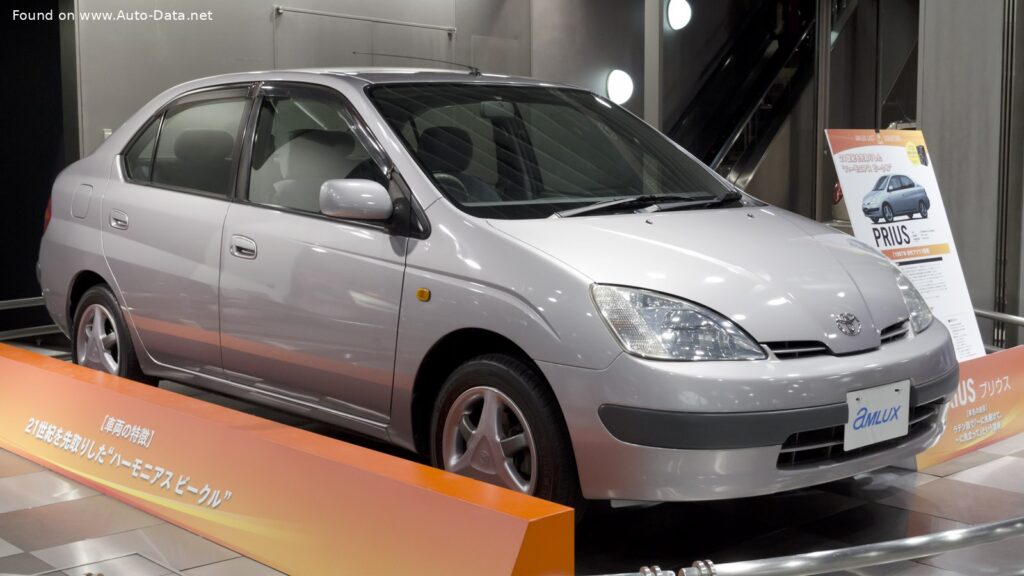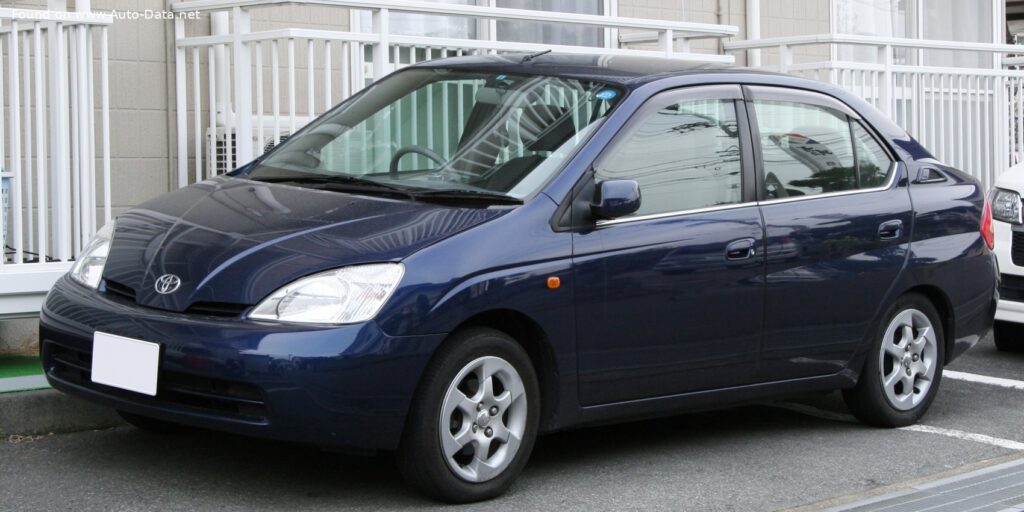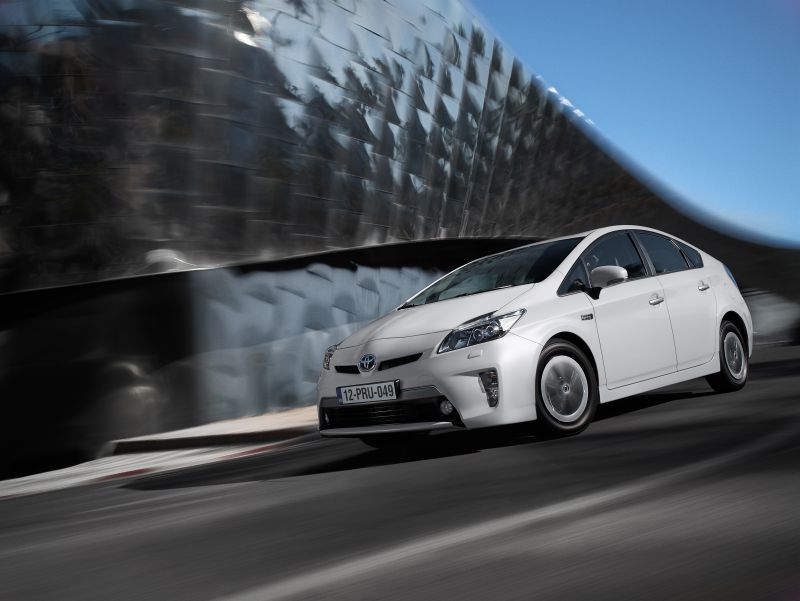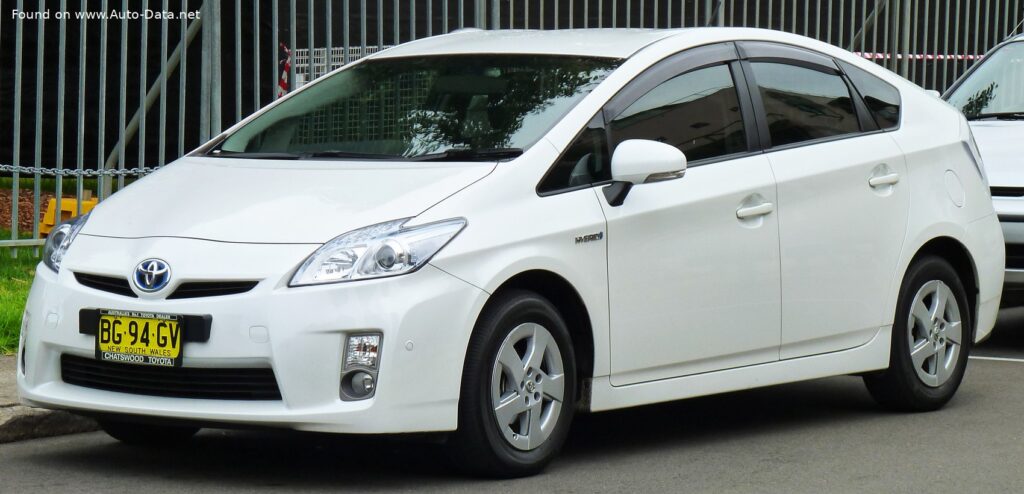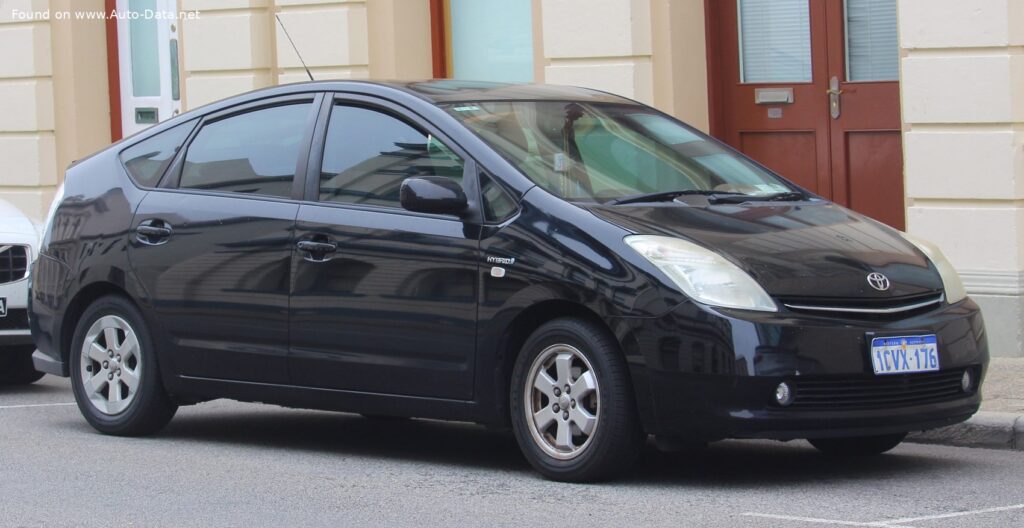
The Toyota Prius II (NHW20) 1.5 VVT-i (113 Hp) Hybrid e-CVT stands as a monumental vehicle in automotive history, solidifying the hybrid powertrain’s viability and paving the way for widespread electrification. Launched in 2003, this second-generation Prius transcended its predecessor’s niche appeal, evolving into a mainstream icon synonymous with fuel efficiency and environmental consciousness. Produced until 2009, the NHW20 model marked a pivotal moment for Toyota’s Hybrid Synergy Drive (HSD) system, demonstrating its reliability, sophisticated operation, and practical benefits for everyday drivers. Positioned as a compact liftback, it offered a compelling blend of advanced technology, spaciousness, and unparalleled fuel economy for its era, making it a global success story and a benchmark for subsequent hybrid designs.
The Evolution of Hybrid Technology: The Toyota Prius II (NHW20)
The Toyota Prius II (NHW20) represented a significant leap forward from the first-generation model. While the original Prius introduced the concept of a mass-produced hybrid, the NHW20 refined and popularized it, making hybrid technology accessible and desirable to a broader audience. Its powertrain architecture, a Full Hybrid Electric Vehicle (FHEV), allowed for pure electric driving at low speeds, combined gasoline-electric propulsion, and gasoline-only operation, seamlessly transitioning between modes to optimize efficiency. This sophisticated system was a testament to Toyota’s long-term commitment to sustainable mobility, proving that eco-friendly vehicles didn’t have to compromise on practicality or driving experience. The NHW20’s success was instrumental in shifting public perception towards hybrid vehicles, establishing them as a legitimate and highly effective solution for reducing fuel consumption and emissions.
Engine and Performance Dynamics
At the core of the Toyota Prius II (NHW20) 1.5 VVT-i (113 Hp) Hybrid e-CVT is a meticulously engineered powertrain designed for optimal efficiency and smooth operation. The internal combustion engine (ICE) component is a 1.5-liter (1497 cm³ or 91.35 cu. in.) 1NZ-FXE inline four-cylinder engine. This naturally aspirated unit features a DOHC valvetrain with Variable Valve Timing with intelligence (VVT-i), producing a respectable 78 horsepower at 5000 rpm and 84.82 lb.-ft. of torque at 4000 rpm. Its high compression ratio of 13:1 is indicative of its Atkinson cycle operation, a design choice specifically implemented to maximize fuel efficiency at the expense of peak power, which is then seamlessly compensated by the electric motor. This engine was also engineered for low emissions, meeting the Euro 4 standard.
Complementing the gasoline engine is a powerful synchronous electric motor, delivering 68 horsepower between 1200-1540 rpm and an impressive 295.02 lb.-ft. of instant torque available from 0 to 1200 rpm. This substantial low-end torque is crucial for the Prius’s immediate acceleration, its quiet operation during low-speed maneuvers, and its ability to operate in electric-only mode for short distances. The electric motor draws power from a 201.6-volt Nickel-metal hydride (NiMH) battery pack, a technology chosen for its proven reliability, durability, and cost-effectiveness at the time. The combined efforts of the ICE and electric motor result in a total system output of 113 horsepower and a robust 352.55 lb.-ft. of system torque, managed by Toyota’s innovative electronically controlled Continuously Variable Transmission (e-CVT). This transmission ensures seamless power delivery to the front wheels, eliminating traditional gear shifts and contributing to the vehicle’s remarkably smooth and quiet ride, a hallmark of the Prius experience.