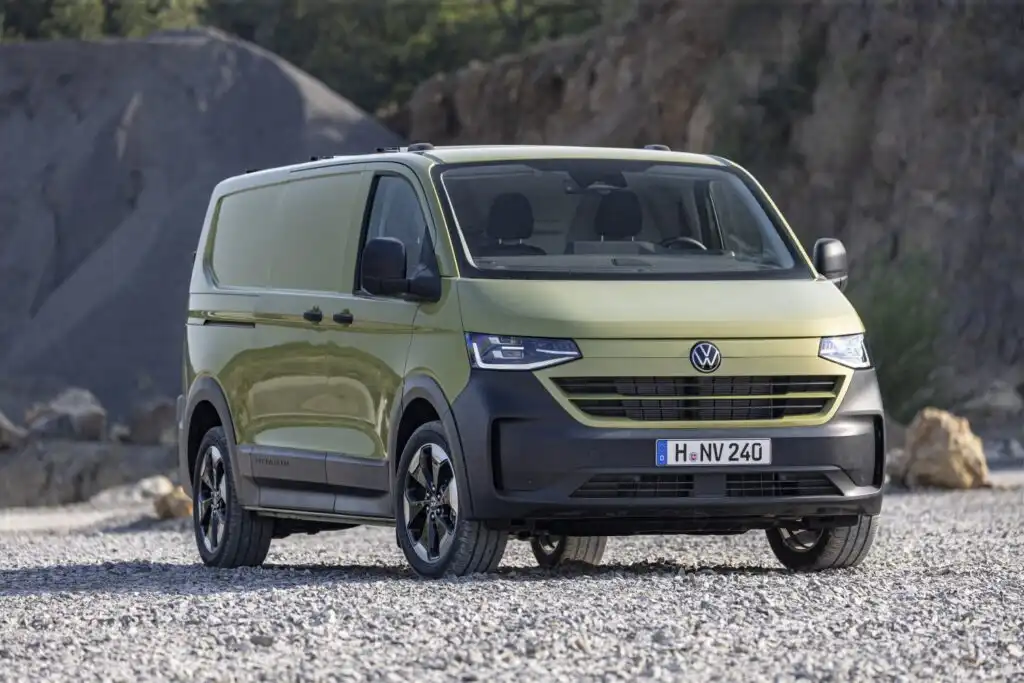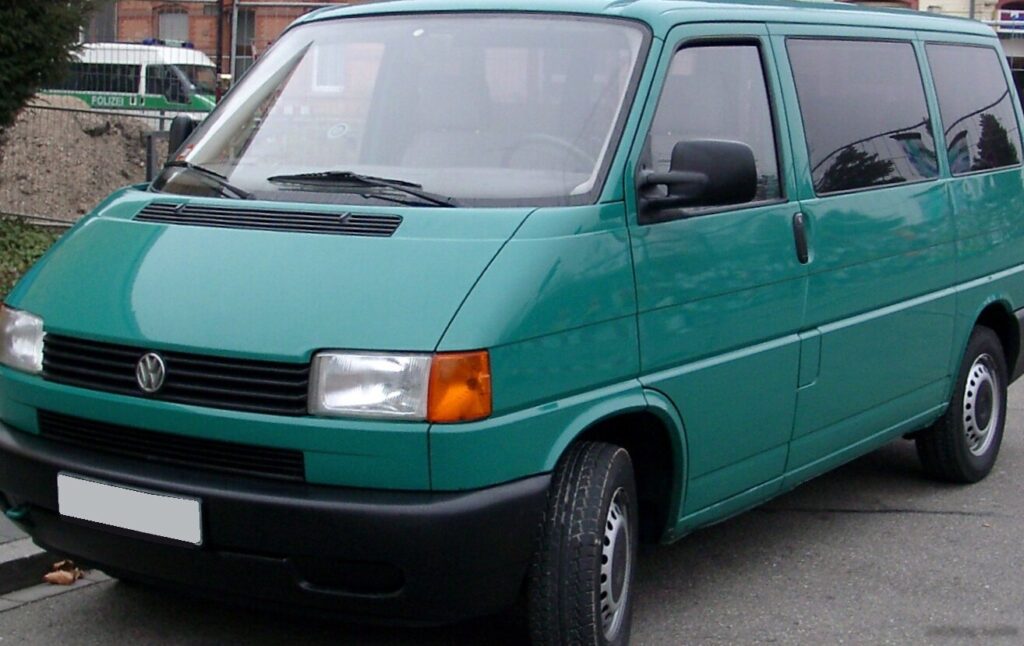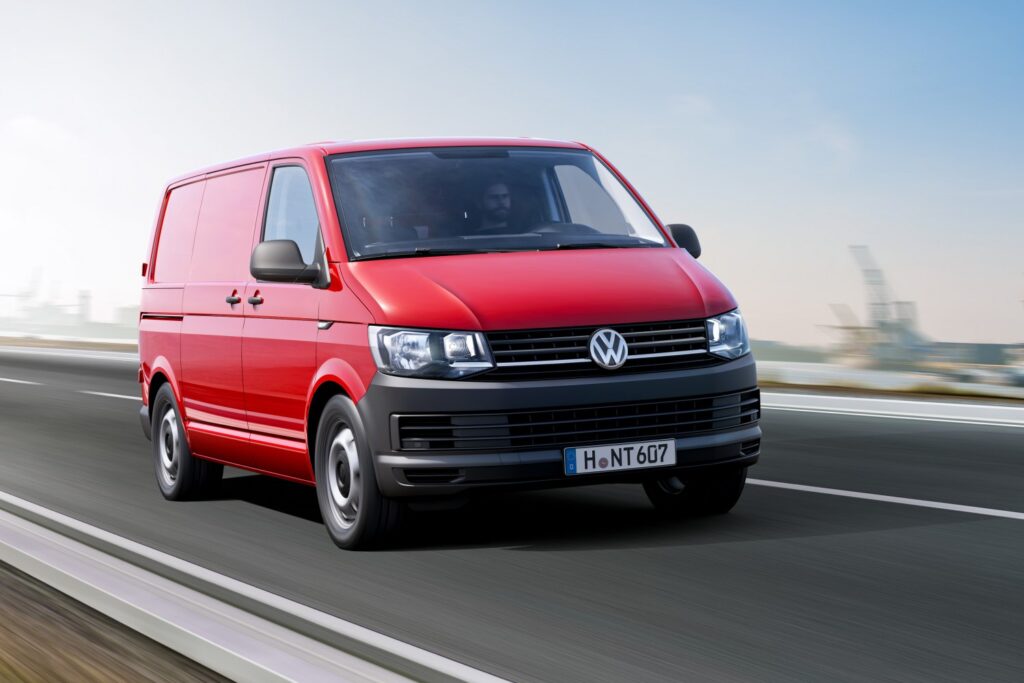
The Volkswagen Transporter, a name synonymous with versatility and robust utility across global markets, particularly in Europe, has consistently set benchmarks in the commercial vehicle segment. The T6 generation, produced from 2015 to 2023, continued this legacy, evolving the platform with enhanced technology, efficiency, and comfort. Among its diverse configurations, the Volkswagen Transporter (T6) Panel Van 2.0 TDI (180 Hp) L1H1 variant stands out as a powerful and practical workhorse, specifically catering to businesses requiring a blend of substantial cargo capacity and spirited performance. While not a primary offering in the U.S. market in its panel van form, the Transporter’s influence on global light commercial vehicles is undeniable, demonstrating Volkswagen’s engineering prowess in creating durable and highly adaptable vehicles. This specific model, produced between 2015 and 2016, represents a sweet spot in the T6’s early production run, combining a potent diesel engine with a compact, yet spacious, L1H1 (short wheelbase, standard roof) body type, making it an agile and capable urban and inter-urban delivery solution.
Engine and Performance of the Volkswagen Transporter (T6) Panel Van
At the heart of the Volkswagen Transporter (T6) Panel Van 2.0 TDI (180 Hp) L1H1 is a highly refined 2.0-liter (120.09 cubic inches) EA189 / CFCA inline four-cylinder turbodiesel engine. This powertrain, renowned for its balance of power and efficiency, generates a formidable 180 horsepower at 4000 rpm. Critically for a commercial vehicle, torque delivery is equally impressive, peaking at a substantial 295.02 lb.-ft. across a broad and accessible rev range of 1500 to 2500 rpm. This robust torque curve ensures excellent pulling power, crucial for hauling heavy loads or navigating challenging terrain, even when fully laden. The engine’s advanced architecture features a BiTurbo setup with an intercooler, optimizing air intake for enhanced combustion and power output without compromising fuel economy. A common rail direct fuel injection system further refines the combustion process, contributing to both efficiency and reduced emissions.
Power is efficiently managed through a precise 6-speed manual transmission, sending drive to the front wheels. This front-wheel-drive architecture is a common and practical choice for panel vans, offering improved traction in various conditions and optimizing interior space. Despite its commercial vehicle designation, the Transporter (T6) Panel Van 2.0 TDI offers surprisingly agile performance. It can accelerate from 0 to 60 mph in a swift 9.4 seconds, an impressive figure for a vehicle of its size and purpose. The maximum speed is rated at 118.68 mph, indicating its capability for sustained highway cruising. The engine also incorporates a DOHC (Dual Overhead Camshaft) valvetrain with 4 valves per cylinder, promoting efficient gas flow. With a compression ratio of 16.5:1, typical for a diesel, and a Bore of 3.19 inches paired with a Stroke of 3.76 inches, the engine is engineered for durability and consistent output.
Fuel efficiency, a paramount concern for commercial operators, is a strong suit for this Transporter variant. The combined fuel consumption (NEDC) is an estimated 33.6 to 32.2 US miles per gallon, translating to 7-7.3 liters per 100 km. Urban driving yields 27.4-26.4 US mpg, while extra-urban cycles can see figures as high as 38.6-36.8 US mpg. These figures are commendable for a vehicle with its performance capabilities and cargo capacity. Furthermore, the engine meets the Euro 5 emission standard, incorporating modern systems like a Start & Stop System and a Particulate Filter to minimize its environmental footprint. The vehicle’s weight-to-power ratio stands at 9.7 kg/Hp (103.1 Hp/tonne), and its weight-to-torque ratio is 4.4 kg/Nm (229.1 Nm/tonne), underscoring its ability to move substantial mass with relative ease.
Design and Practical Features of the Volkswagen Transporter (T6) Panel Van 2.0 TDI (180 Hp) L1H1
The design philosophy behind the Volkswagen Transporter (T6) Panel Van 2.0 TDI (180 Hp) L1H1 is rooted in functionality, durability, and ergonomic efficiency. As a panel van, its primary purpose is cargo transport, and the L1H1 designation signifies its short wheelbase and standard roof height, offering a balance between maneuverability and ample internal volume. The exterior dimensions are optimized for urban environments, with a length of 193.07 inches (4904 mm), a width of 74.96 inches (1904 mm), and a height of 78.35 inches (1990 mm). The compact wheelbase of 118.11 inches (3000 mm) contributes to a minimum turning circle of 39.04 feet (11.9 meters), making it surprisingly agile in tight spaces and city streets. The design is unmistakably Volkswagen, featuring clean lines, a robust front fascia, and practical, no-nonsense aesthetics that convey reliability.
Inside, the Transporter (T6) Panel Van is configured for 2-3 occupants, with a focus on driver comfort and accessibility to controls. While specific interior features like infotainment systems would vary by trim and market, the emphasis is always on robust materials and straightforward ergonomics suitable for daily commercial use. The true highlight, however, is its cavernous cargo area. With a maximum trunk (boot) space of 204.83 cubic feet (5800 liters), the L1H1 variant offers substantial volume for various goods and equipment. The payload capacity ranges from 2323.67 to 2506.66 lbs (1054-1137 kg), allowing businesses to transport significant loads. This is complemented by a robust maximum roof load of 220.46 lbs (100 kg) and impressive towing capabilities: 5511.56 lbs (2500 kg) with brakes and 1653.47 lbs (750 kg) without brakes, further enhancing its utility.
Safety and handling are addressed through a well-engineered chassis. The front suspension features an independent McPherson strut setup with coil springs and an anti-roll bar, providing excellent stability and ride comfort, even when unloaded. The rear employs an independent coil spring suspension with wishbones and a transverse stabilizer, ensuring predictable handling and load-bearing capability. Braking is handled by ventilated discs at both the front (308×29.5 mm) and rear (294×22 mm), complemented by an Anti-lock Braking System (ABS) for secure stopping power. The hydraulic power steering system, a rack and pinion type, offers precise control and good feedback. Standard tire sizes include 215/65 R16 or 235/55 R17, mounted on 6.5J x 16 or 7J x 17 wheel rims, respectively, providing a stable footprint. Overall, the Transporter (T6) Panel Van 2.0 TDI (180 Hp) L1H1 embodies Volkswagen’s commitment to producing a highly capable, efficient, and durable commercial vehicle designed to meet the rigorous demands of business operations.
Technical Specifications
| Brand | Volkswagen |
| Model | Transporter |
| Generation | Transporter (T6) Panel Van |
| Type (Engine) | 2.0 TDI (180 Hp) L1H1 |
| Start of production | 2015 year |
| End of production | 2016 year |
| Powertrain Architecture | Internal Combustion engine |
| Body type | Van |
| Seats | 2-3 |
| Doors | 4-5 |
| Fuel consumption (economy) – urban (NEDC) | 8.6-8.9 l/100 km (27.4 – 26.4 US mpg) |
| Fuel consumption (economy) – extra urban (NEDC) | 6.1-6.4 l/100 km (38.6 – 36.8 US mpg) |
| Fuel consumption (economy) – combined (NEDC) | 7-7.3 l/100 km (33.6 – 32.2 US mpg) |
| CO2 emissions (NEDC) | 184-192 g/km |
| Fuel Type | Diesel |
| Acceleration 0 – 60 mph | 9.4 sec |
| Maximum speed | 118.68 mph (191 km/h) |
| Emission standard | Euro 5 |
| Weight-to-power ratio | 9.7 kg/Hp, 103.1 Hp/tonne |
| Weight-to-torque ratio | 4.4 kg/Nm, 229.1 Nm/tonne |
| Power | 180 Hp @ 4000 rpm. |
| Power per litre | 91.5 Hp/l |
| Torque | 295.02 lb.-ft. @ 1500-2500 rpm. (400 Nm) |
| Engine layout | Front, Transverse |
| Engine Model/Code | EA189 / CFCA |
| Engine displacement | 2.0 liters (120.09 cu. in. / 1968 cm3) |
| Number of cylinders | 4 |
| Engine configuration | Inline |
| Cylinder Bore | 3.19 in. (81 mm) |
| Piston Stroke | 3.76 in. (95.5 mm) |
| Compression ratio | 16.5:1 |
| Number of valves per cylinder | 4 |
| Fuel injection system | Diesel Commonrail |
| Engine aspiration | BiTurbo, Intercooler |
| Valvetrain | DOHC |
| Engine oil capacity | 7.4 US qt (7 l) |
| Engine systems | Start & Stop System, Particulate filter |
| Kerb Weight | 3849.27 – 4548.14 lbs. (1746-2063 kg) |
| Max. weight | 6172.94 – 7054.79 lbs. (2800-3200 kg) |
| Max load | 2323.67 – 2506.66 lbs. (1054-1137 kg) |
| Trunk (boot) space – maximum | 204.83 cu. ft. (5800 l) |
| Fuel tank capacity | 21.13 US gal (80 l) |
| Max. roof load | 220.46 lbs. (100 kg) |
| Permitted trailer load with brakes (12%) | 5511.56 lbs. (2500 kg) |
| Permitted trailer load without brakes | 1653.47 lbs. (750 kg) |
| Permitted towbar download | 220.46 lbs. (100 kg) |
| Length | 193.07 in. (4904 mm) |
| Width | 74.96 in. (1904 mm) |
| Width including mirrors | 90.43 in. (2297 mm) |
| Height | 78.35 in. (1990 mm) |
| Wheelbase | 118.11 in. (3000 mm) |
| Front overhang | 35.75 in. (908 mm) |
| Rear overhang | 39.09 in. (993 mm) |
| Ride height (ground clearance) | 7.91 in. (201 mm) |
| Minimum turning circle (turning diameter) | 39.04 ft. (11.9 m) |
| Approach angle | 21.2° |
| Departure angle | 16.2° |
| Ramp-over (brakeover) angle | 13.7° |
| Drivetrain Architecture | The Internal combustion engine (ICE) drives the front wheels of the vehicle. |
| Drive wheel | Front wheel drive |
| Number of gears and type of gearbox | 6 gears, manual transmission |
| Front suspension | Independent, type McPherson with coil spring and anti-roll bar |
| Rear suspension | Independent coil spring, Wishbone, Transverse stabilizer |
| Front brakes | Ventilated discs, 308×29.5 mm |
| Rear brakes | Ventilated discs, 294×22 mm |
| Assisting systems | ABS (Anti-lock braking system) |
| Steering type | Steering rack and pinion |
| Power steering | Hydraulic Steering |
| Tires size | 215/65 R16; 235/55 R17 |
| Wheel rims size | 6.5J x 16; 7J x 17 |