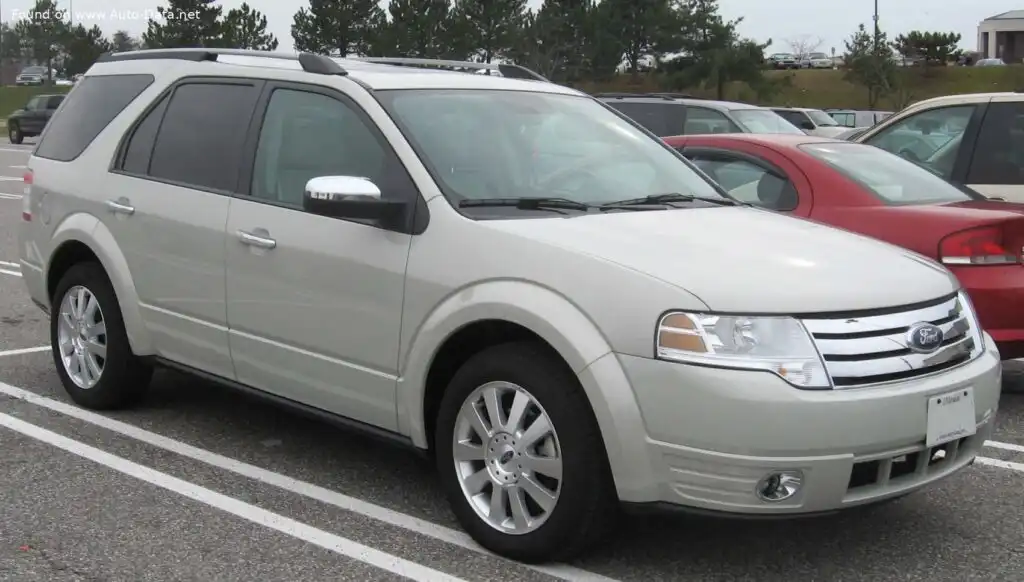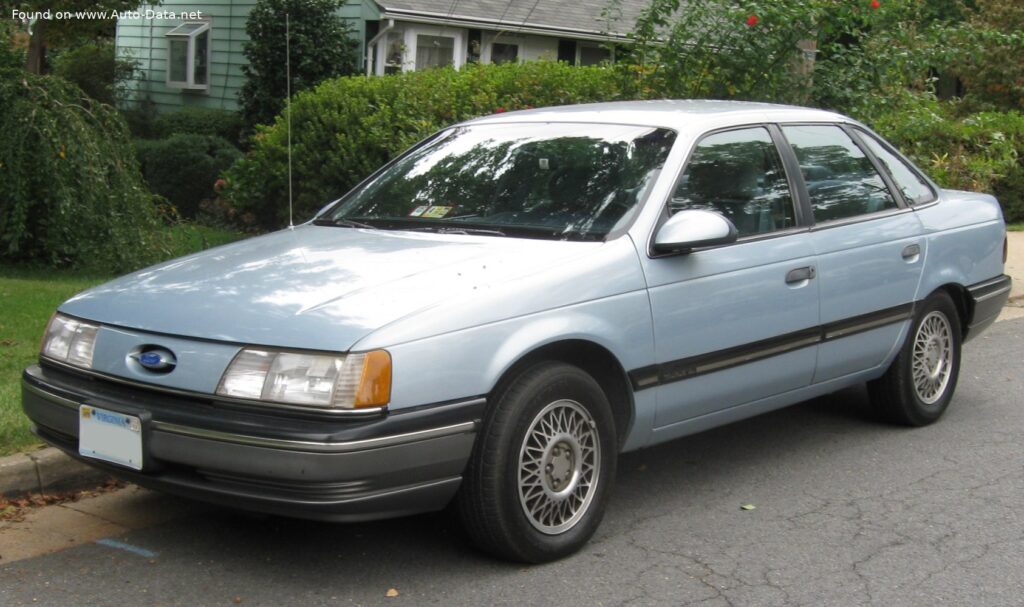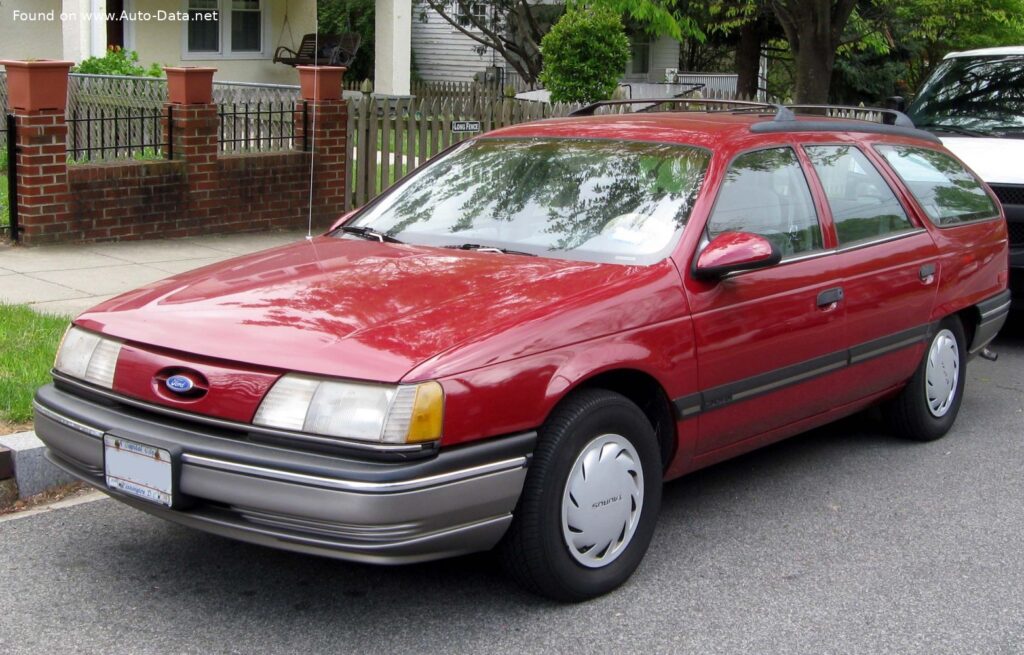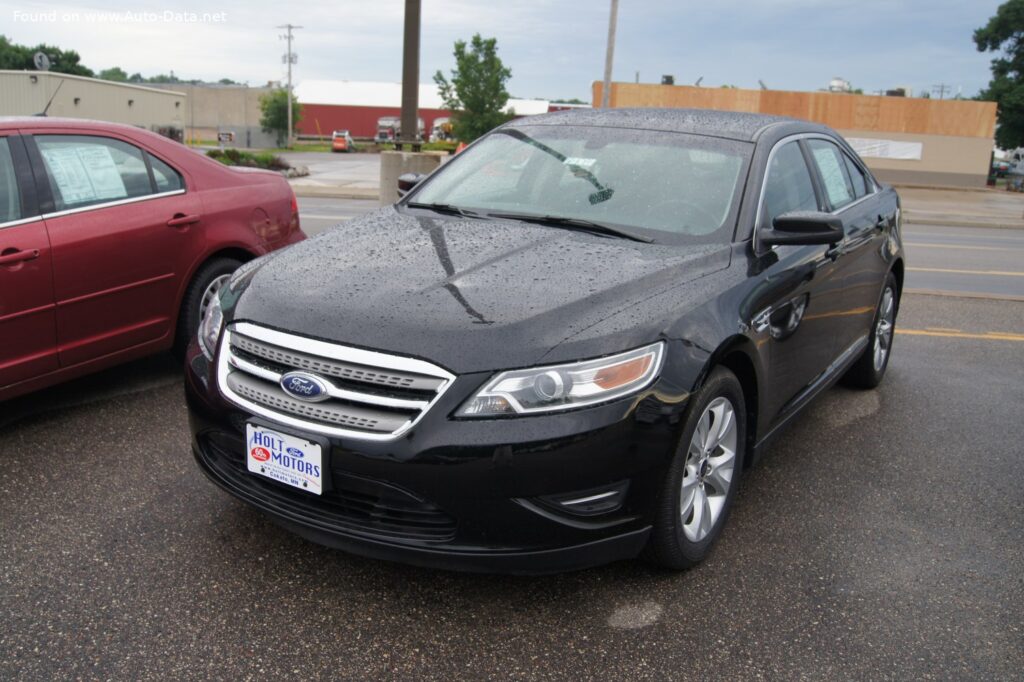
The Ford Taurus, a nameplate steeped in American automotive history, entered its sixth generation in 2009, marking a significant evolution in design, technology, and market positioning. Introduced for the 2010 model year, this iteration, often referred to as the D475 platform, sought to re-establish the Taurus as a formidable contender in the full-size sedan segment. The particular variant under scrutiny, the Ford Taurus VI 3.5 V6 24V (263 Hp) Automatic, represented a core offering within this generation’s initial lineup, produced from 2009 to 2012. Moving away from the more modest proportions of its immediate predecessor, the sixth-generation Taurus embraced a larger, more assertive stance, reflecting Ford’s aspiration to blend traditional American sedan characteristics with contemporary design cues and advanced engineering. This model was a crucial component of Ford’s strategy to revitalize its passenger car portfolio, emphasizing comfort, safety, and a refined driving experience for the discerning American consumer. Its powertrain architecture centered around a robust internal combustion engine, driving the front wheels, a configuration that delivered a blend of efficiency and predictable handling suitable for its intended market.
Engine & Performance: The Ford Taurus VI 3.5 V6 24V (263 Hp) Automatic Powertrain
At the heart of the Ford Taurus VI 3.5 V6 24V (263 Hp) Automatic lies Ford’s proven Duratec 35 engine, a naturally aspirated 3.5-liter V6 powerplant renowned for its smooth operation and respectable power delivery. This engine, designated with the model code Duratec 35, features a V-engine configuration with six cylinders, each benefiting from a four-valve per cylinder setup, totaling 24 valves. The sophisticated valvetrain is a Dual Overhead Camshaft (DOHC) system incorporating Intake Variable Cam Timing (i-VCT), which dynamically adjusts valve timing for optimized performance and fuel efficiency across the engine’s operating range. With a bore of 3.64 inches (92.5 mm) and a stroke of 3.41 inches (86.7 mm), the engine displaces 213.34 cubic inches (3496 cm³), culminating in a compression ratio of 10.3:1, indicative of its modern design principles.
This potent V6 generates a healthy 263 horsepower at 6250 revolutions per minute (rpm), providing ample thrust for highway cruising and confident acceleration. The power per liter stands at 75.2 Hp/l, a commendable figure for a naturally aspirated engine of its era. Torque output is equally impressive, peaking at 249.3 lb.-ft. (338 Nm) at 4500 rpm, ensuring robust low-to-mid-range pulling power. The engine’s maximum speed is rated at 6700 rpm, showcasing its ability to rev freely. Fuel is delivered via a multi-port manifold injection system, a reliable and efficient method for precise fuel metering. The engine’s oil capacity is 5.49 US quarts (5.2 liters), while the cooling system holds 11.1 US quarts (10.5 liters) of coolant, ensuring optimal thermal management under various driving conditions.
Power is channeled to the front wheels through a smooth-shifting 6-speed automatic transmission. This gearbox was engineered to provide a balance between brisk acceleration and comfortable, efficient cruising. The drivetrain architecture, front-wheel drive, contributes to the vehicle’s stable handling characteristics and provides good traction in adverse weather conditions. The performance metrics reflect the Taurus VI’s capabilities as a substantial full-size sedan. Its weight-to-power ratio is 6.9 kg/Hp, or 144.4 Hp per tonne, while the weight-to-torque ratio is 5.4 kg/Nm, or 185.6 Nm per tonne. In terms of fuel economy, the Ford Taurus VI 3.5 V6 24V (263 Hp) Automatic demonstrates respectable figures for its class and size. It achieves an estimated 18.1 US mpg in urban driving conditions and an improved 28 US mpg during extra-urban (highway) travel, making it a capable and relatively efficient option for long-distance journeys.
Design & Features: A Grand Sedan Statement
The sixth-generation Ford Taurus marked a radical departure from its predecessors, adopting a bold and muscular design language that conveyed a sense of substantiality and presence. Classified as a full-size sedan, it featured a classic four-door, five-seat configuration, prioritizing passenger comfort and cargo capacity. Its exterior dimensions are indicative of its generous interior volume: an overall length of 202.91 inches (5154 mm), a width of 76.18 inches (1935 mm) (extending to 85.71 inches or 2177 mm including mirrors), and a height of 60.71 inches (1542 mm). The elongated wheelbase of 112.91 inches (2868 mm) was instrumental in providing a smooth ride and ample legroom for all occupants, a critical attribute for a vehicle in this segment.
The design ethos of the Taurus VI was characterized by strong character lines, a prominent grille, and a relatively high beltline, contributing to its imposing road presence. Despite its substantial size, aerodynamic considerations were not overlooked, as evidenced by a drag coefficient (Cd) of 0.3, a respectable figure that contributed to both fuel efficiency and reduced wind noise at higher speeds. The vehicle’s stance was further enhanced by its wide tracks, measuring 65.31 inches (1659 mm) at the front and 65.51 inches (1664 mm) at the rear, which also bolstered handling stability. For maneuverability, particularly in urban environments, the minimum turning circle was 39.53 feet (12.05 meters), a reasonable figure given its generous dimensions.
Inside, the Taurus VI offered a spacious and well-appointed cabin designed for comfort and practicality. The trunk (boot) space was particularly impressive, offering a minimum of 20.09 cubic feet (569 liters) of cargo volume, making it highly capable for family trips or large shopping excursions. The fuel tank capacity of 20.08 US gallons (76 liters) ensured a substantial driving range between fill-ups. Safety was a paramount concern, and the Ford Taurus VI 3.5 V6 24V (263 Hp) Automatic came equipped with a range of features commensurate with a modern full-size sedan. Standard assisting systems included an Anti-lock Braking System (ABS), which provided enhanced control during emergency braking by preventing wheel lock-up. Braking performance was handled by ventilated discs at the front and solid discs at the rear, offering robust stopping power.
The steering system was a responsive rack and pinion type, providing direct feedback to the driver. The vehicle rode on 19-inch wheel rims, shod with substantial 255/45 R19 tires, which contributed to both the vehicle’s confident road holding and its assertive aesthetic. This combination of a capable powertrain, a spacious and well-equipped interior, and a strong, contemporary exterior design positioned the Ford Taurus VI as a compelling choice for consumers seeking a comfortable, reliable, and powerful full-size American sedan.
Technical Specifications
| Brand | Ford |
| Model | Taurus |
| Generation | Taurus VI |
| Type (Engine) | 3.5 V6 24V (263 Hp) Automatic |
| Start of production | 2009 year |
| End of production | 2012 year |
| Powertrain Architecture | Internal Combustion engine |
| Body type | Sedan |
| Seats | 5 |
| Doors | 4 |
| Fuel consumption (economy) – urban | 18.1 US mpg (13 l/100 km) |
| Fuel consumption (economy) – extra urban | 28 US mpg (8.4 l/100 km) |
| Fuel Type | Petrol (Gasoline) |
| Weight-to-power ratio | 6.9 kg/Hp, 144.4 Hp/tonne |
| Weight-to-torque ratio | 5.4 kg/Nm, 185.6 Nm/tonne |
| Power | 263 Hp @ 6250 rpm. |
| Power per liter | 75.2 Hp/l |
| Torque | 249.3 lb.-ft. @ 4500 rpm. (338 Nm) |
| Maximum engine speed | 6700 rpm. |
| Engine Model/Code | Duratec 35 |
| Engine displacement | 213.34 cu. in. (3496 cm³) |
| Number of cylinders | 6 |
| Engine configuration | V-engine |
| Cylinder Bore | 3.64 in. (92.5 mm) |
| Piston Stroke | 3.41 in. (86.7 mm) |
| Compression ratio | 10.3:1 |
| Number of valves per cylinder | 4 |
| Fuel injection system | Multi-port manifold injection |
| Engine aspiration | Naturally aspirated engine |
| Valvetrain | DOHC, i-VCT |
| Engine oil capacity | 5.49 US qt (5.2 l) |
| Coolant | 11.1 US qt (10.5 l) |
| Kerb Weight | 4014.62 lbs. (1821 kg) |
| Trunk (boot) space – minimum | 20.09 cu. ft. (569 l) |
| Fuel tank capacity | 20.08 US gal (76 l) |
| Length | 202.91 in. (5154 mm) |
| Width | 76.18 in. (1935 mm) |
| Width including mirrors | 85.71 in. (2177 mm) |
| Height | 60.71 in. (1542 mm) |
| Wheelbase | 112.91 in. (2868 mm) |
| Front track | 65.31 in. (1659 mm) |
| Rear (Back) track | 65.51 in. (1664 mm) |
| Drag coefficient (Cd) | 0.3 |
| Minimum turning circle (turning diameter) | 39.53 ft. (12.05 m) |
| Drivetrain Architecture | The Internal combustion engine (ICE) drives the front wheels of the vehicle. |
| Drive wheel | Front wheel drive |
| Number of gears and type of gearbox | 6 gears, automatic transmission |
| Front brakes | Ventilated discs |
| Rear brakes | Disc |
| Assisting systems | ABS (Anti-lock braking system) |
| Steering type | Steering rack and pinion |
| Tires size | 255/45 R19 |
| Wheel rims size | 19 |