The Mitsubishi Pajero Sport III 2.5 DI-D (136 Hp) represents a robust and versatile offering within the highly competitive mid-size SUV segment, particularly prominent in markets outside of North America, such as Southeast Asia, Australia, parts of Europe, and Latin America. Produced between 2016 and 2019, this third-generation model, often known as the Montero Sport or Shogun Sport in various regions, continued Mitsubishi’s legacy of building durable, body-on-frame vehicles designed to tackle challenging terrains while providing family-friendly practicality. Unlike the unibody crossovers prevalent in the United States, the Pajero Sport III maintained its authentic SUV credentials, appealing to consumers seeking a blend of off-road capability, towing capacity, and a spacious, seven-seat interior. Its market positioning emphasizes reliability and go-anywhere capability, making it a popular choice for both urban commuting and adventurous excursions.
Engine and Performance of the Mitsubishi Pajero Sport III
At the heart of the Mitsubishi Pajero Sport III 2.5 DI-D (136 Hp) lies a powerplant engineered for durability and dependable performance, characteristic of Mitsubishi’s utility vehicle lineage. This specific variant is equipped with the venerable 2.5-liter (2477 cm3 or 151.16 cu. in.) 4D56 inline-four diesel engine. Known for its robust construction, this unit features a Single Overhead Camshaft (SOHC) valvetrain with two valves per cylinder, a configuration that prioritizes longevity and ease of maintenance. Fuel delivery is managed by a modern Commonrail diesel injection system, ensuring efficient fuel atomization and combustion, which contributes to its practical fuel economy.
To enhance its performance characteristics, the engine benefits from a turbocharger coupled with an intercooler. This forced induction system significantly boosts the engine’s power output and torque, crucial for an SUV of its size and intended use. The engine produces a maximum power of 136 horsepower (Hp) at 4000 revolutions per minute (rpm). While not designed for outright speed, this power output is more than adequate for daily driving and light hauling. More critically for an SUV, the engine delivers a substantial 238.97 lb.-ft. (324 Nm) of torque, available at a relatively low 2000 rpm. This low-end torque is invaluable for off-road maneuvering, towing, and accelerating with a full load of passengers and cargo, providing the grunt needed to overcome obstacles or merge onto highways effectively.
The powertrain architecture features a front, longitudinal engine layout, driving the rear wheels (RWD), a traditional setup for a rugged SUV that emphasizes strength and simplicity. Power is transmitted through a 5-speed manual transmission, offering direct control over gear selection and contributing to the vehicle’s overall robustness and driver engagement. This combination, while perhaps less refined than modern automatic or all-wheel-drive systems, aligns with the vehicle’s utilitarian ethos, providing a reliable and proven setup for diverse driving conditions. The maximum speed for this variant is rated at 104.39 mph (168 km/h), reflecting its design priority for utility and endurance over high-speed performance. In terms of environmental compliance, the vehicle adheres to Euro 2/Euro 4 emission standards, indicating its availability across markets with varying regulatory requirements. The engine oil capacity is 6.5 US quarts, with a coolant capacity of 8.66 US quarts, further highlighting the specific maintenance requirements for this diesel powertrain.
Design and Features of the Mitsubishi Pajero Sport III
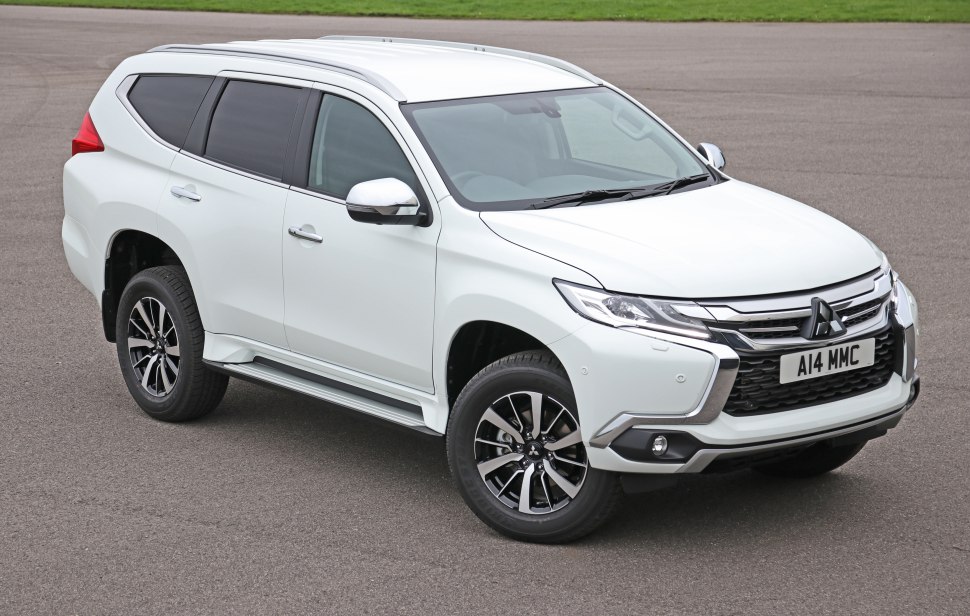
The design of the Mitsubishi Pajero Sport III is unequivocally that of a traditional, capable SUV, blending a rugged aesthetic with practical functionality. Its body type is a dedicated SUV, featuring five doors and a versatile seven-seat configuration, making it an ideal family vehicle for markets where its presence is strong. The exterior design, characterized by its substantial dimensions and prominent stance, reflects its capability both on and off the pavement. With a length of 188.39 inches (4785 mm), a width of 71.46 inches (1815 mm), and a height ranging from 70.87 to 71.06 inches (1800-1805 mm), the Pajero Sport III commands a significant road presence. The generous wheelbase of 110.24 inches (2800 mm) contributes to both interior space and ride stability.
Beyond its visual appeal, the design incorporates features critical for its intended use. A substantial ground clearance of 8.58 inches (218 mm) ensures that the vehicle can navigate uneven terrain without scraping its undercarriage. This is complemented by impressive approach, departure, and ramp-over angles of 30.0°, 24.6°, and 23.1° respectively, allowing it to tackle steep inclines, descents, and crests with confidence. The minimum turning circle of 36.75 feet (11.2 m) provides reasonable maneuverability for a vehicle of its size, aiding in urban environments and tight trail situations.
The chassis and suspension systems are engineered for durability and comfort across varying surfaces. The front suspension employs a double wishbone setup, known for its ability to provide precise handling and absorb impacts effectively. The rear features an independent multi-link suspension, which enhances ride comfort for passengers and improves handling stability, especially when the vehicle is loaded. Braking performance is handled by ventilated discs at the front, offering good stopping power and fade resistance, while the rear utilizes drum brakes, a common and robust choice for utility vehicles in its class. An Anti-lock Braking System (ABS) is included as a standard assisting system, enhancing safety by preventing wheel lock-up during hard braking. The steering system is a rack and pinion type with electric power steering, providing ease of operation at low speeds and a more controlled feel at higher velocities. The vehicle rides on 265/70 R16 tires mounted on 7.0J x 16 wheel rims, a combination that provides a good balance of grip, comfort, and sidewall protection for off-road excursions.
Inside, the seven-seat configuration offers flexibility for passenger and cargo needs, with the ability to fold down seats to expand luggage space. The kerb weight of 4188.78 lbs. (1900 kg) and a maximum gross weight of 5732.02 lbs. (2600 kg) underscore its robust construction and significant carrying capacity, with a maximum load of 1543.24 lbs. (700 kg). A fuel tank capacity of 17.96 US gallons (68 liters) ensures a decent cruising range, essential for long journeys or remote area travel. Overall, the Mitsubishi Pajero Sport III is a well-rounded SUV designed for practicality, durability, and adventure, catering to markets that demand genuine off-road capability alongside family utility.
Technical Specifications: Mitsubishi Pajero Sport III 2.5 DI-D (136 Hp)
| Brand | Mitsubishi |
| Model | Pajero Sport |
| Generation | Pajero Sport III |
| Type (Engine) | 2.5 DI-D (136 Hp) |
| Start of production | 2016 year |
| End of production | 2019 year |
| Powertrain Architecture | Internal Combustion engine |
| Body type | SUV |
| Seats | 7 |
| Doors | 5 |
| Fuel Type | Diesel |
| Maximum speed | 104.39 mph (168 km/h) |
| Emission standard | Euro 2/Euro 4 |
| Weight-to-power ratio | 14 kg/Hp, 71.6 Hp/tonne |
| Weight-to-torque ratio | 5.9 kg/Nm, 170.5 Nm/tonne |
| Power | 136 Hp @ 4000 rpm. |
| Power per liter | 54.9 Hp/l |
| Torque | 238.97 lb.-ft. (324 Nm @ 2000 rpm.) |
| Engine layout | Front, Longitudinal |
| Engine Model/Code | 4D56 |
| Engine displacement | 2.5 l (2477 cm3 / 151.16 cu. in.) |
| Number of cylinders | 4 |
| Engine configuration | Inline |
| Cylinder Bore | 3.59 in. (91.1 mm) |
| Piston Stroke | 3.74 in. (95 mm) |
| Compression ratio | 17:1 |
| Number of valves per cylinder | 2 |
| Fuel injection system | Diesel Commonrail |
| Engine aspiration | Turbocharger, Intercooler |
| Valvetrain | SOHC |
| Engine oil capacity | 6.87 US qt (6.5 l) |
| Coolant | 8.66 US qt (8.2 l) |
| Kerb Weight | 4188.78 lbs. (1900 kg) |
| Max. weight | 5732.02 lbs. (2600 kg) |
| Max load | 1543.24 lbs. (700 kg) |
| Fuel tank capacity | 17.96 US gal (68 l) |
| Length | 188.39 in. (4785 mm) |
| Width | 71.46 in. (1815 mm) |
| Height | 70.87 – 71.06 in. (1800-1805 mm) |
| Wheelbase | 110.24 in. (2800 mm) |
| Front track | 59.84 in. (1520 mm) |
| Rear (Back) track | 59.65 in. (1515 mm) |
| Front overhang | 34.65 in. (880 mm) |
| Rear overhang | 43.5 in. (1105 mm) |
| Ride height (ground clearance) | 8.58 in. (218 mm) |
| Minimum turning circle | 36.75 ft. (11.2 m) |
| Approach angle | 30.0° |
| Departure angle | 24.6° |
| Ramp-over (brakeover) angle | 23.1° |
| Drivetrain Architecture | Internal Combustion engine (ICE) drives the rear wheels |
| Drive wheel | Rear wheel drive |
| Number of gears and type of gearbox | 5 gears, manual transmission |
| Front suspension | Double wishbone |
| Rear suspension | Independent multi-link suspension |
| Front brakes | Ventilated discs |
| Rear brakes | Drum |
| Assisting systems | ABS (Anti-lock braking system) |
| Steering type | Steering rack and pinion |
| Power steering | Electric Steering |
| Tires size | 265/70 R16 |
| Wheel rims size | 7.0J x 16 |