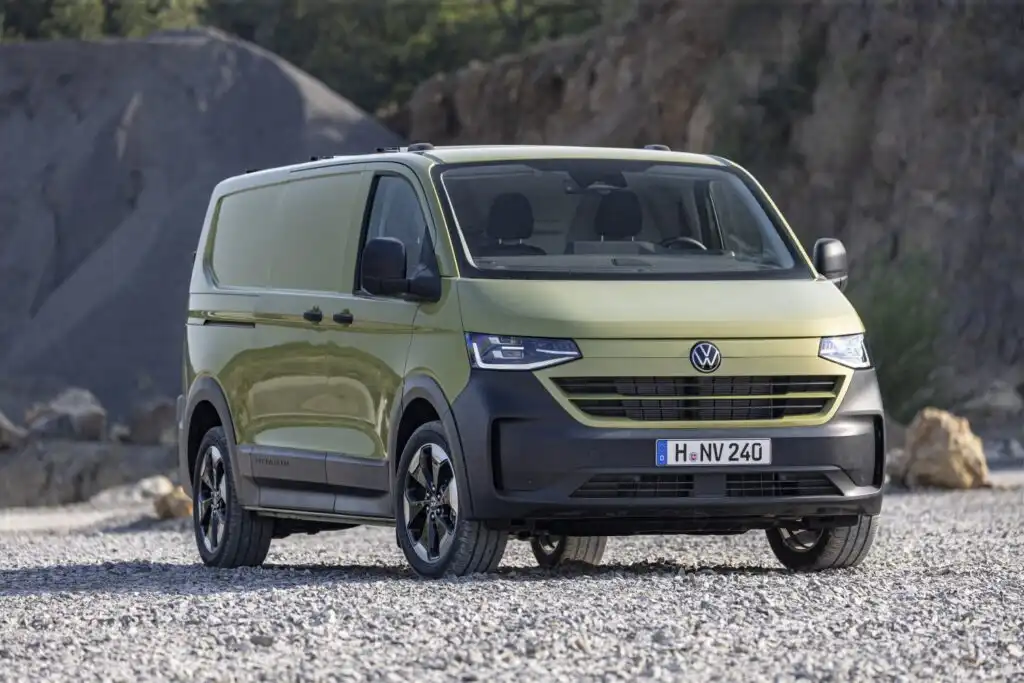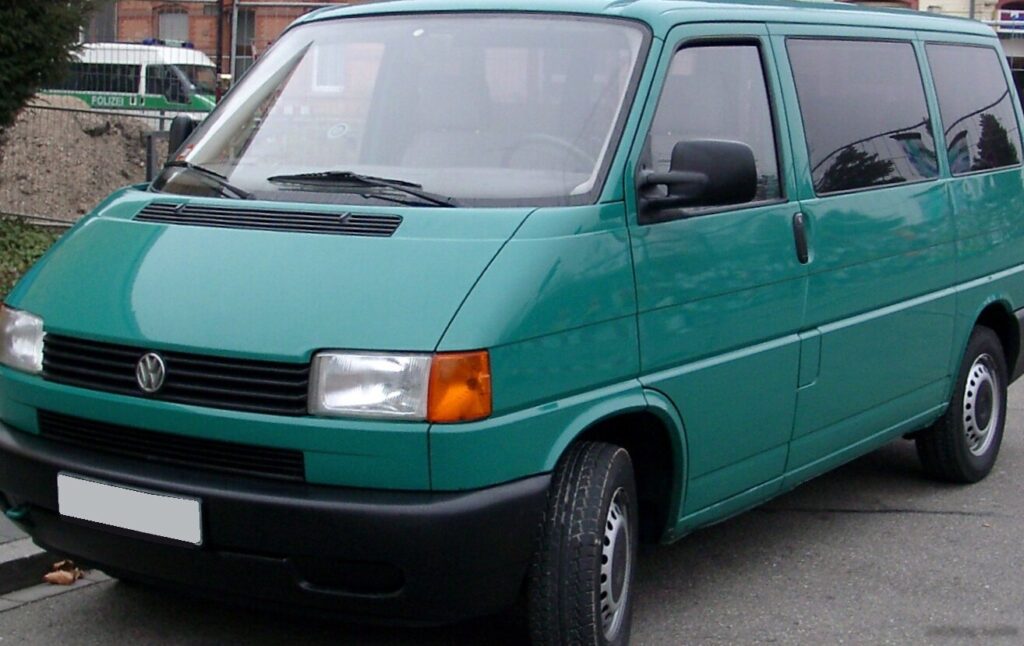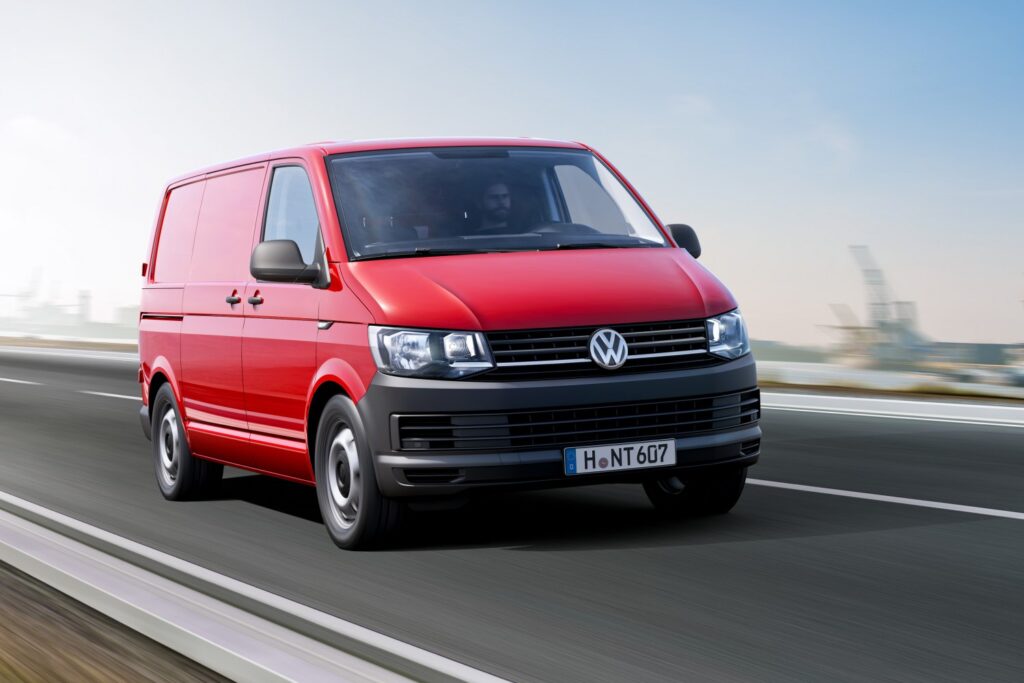
The Volkswagen Transporter (T6) Panel Van represents a significant iteration in a lineage of highly successful commercial vehicles, a cornerstone of light commercial transport in Europe and many global markets. Produced between 2015 and 2016 for this specific configuration, the T6 generation built upon the venerable T5, introducing refinements in technology, efficiency, and driver comfort while maintaining the robust utility for which the Transporter series is renowned. This particular variant, the Volkswagen Transporter (T6) Panel Van 2.0 TDI (84 Hp) L2H2, epitomizes the workhorse ethos, designed for maximum cargo capacity and operational efficiency rather than outright speed. As a dedicated panel van, it serves a diverse array of businesses, from couriers to tradespeople, offering a versatile platform for transporting goods and equipment across urban and intercity routes where its compact footprint and maneuverability are highly valued.
Engine and Performance: The Heart of the Volkswagen Transporter (T6) Panel Van
At the core of the Volkswagen Transporter (T6) Panel Van 2.0 TDI (84 Hp) L2H2 lies a robust and proven 2.0-liter (1968 cm³, 120.09 cu. in.) inline-four turbo-diesel engine, designated with the EA189 / CAAA code. This powertrain architecture, featuring an internal combustion engine driving the front wheels, is engineered for reliability and fuel economy, which are paramount for commercial operators. Despite its modest peak power output of 84 horsepower (Hp) at 3500 rpm, the engine’s true strength lies in its impressive torque delivery. It generates 220 Nm (162.26 lb.-ft.) of torque across a broad and accessible rev range, specifically from 1250 to 2500 rpm. This low-end torque is crucial for a commercial vehicle, enabling strong pulling power from a standstill, confident acceleration with a full load, and reduced need for frequent gear changes, especially in urban environments.
The engine benefits from a sophisticated Diesel Commonrail fuel injection system, paired with a turbocharger and intercooler, ensuring efficient combustion and optimal power delivery. Its DOHC (Double Overhead Camshaft) valvetrain with four valves per cylinder further enhances efficiency and responsiveness. With a compression ratio of 16.5:1, the engine is optimized for diesel fuel, contributing to its economic operation. The vehicle is equipped with a 5-speed manual transmission, a choice that prioritizes durability and driver engagement for commercial applications. While the acceleration from 0 to 60 mph in 18.8 seconds (0-100 km/h in 19.8 seconds) and a maximum speed of 88.23 mph (142 km/h) might seem sedate by passenger car standards, they are entirely appropriate for a vehicle designed for utility and load-carrying rather than high-speed sprints.
Fuel efficiency is a critical factor for commercial fleets, and the 2.0 TDI unit delivers competitive figures for its class. According to NEDC standards, combined fuel consumption ranges from 6.7 to 7.4 liters per 100 kilometers, translating to an impressive 35.1 to 31.8 US miles per gallon. Urban driving sees figures between 8.3 and 8.7 l/100 km (28.3 – 27 US mpg), while extra-urban consumption improves to 5.8-6.7 l/100 km (40.6 – 35.1 US mpg). These figures, coupled with an 80-liter (21.13 US gal) fuel tank capacity, provide an excellent operating range, reducing downtime for refueling. The engine also incorporates modern emission control technologies, including a Start & Stop System and a particulate filter, allowing it to meet the Euro 5 emission standard, reflecting Volkswagen’s commitment to environmental responsibility even in its commercial vehicle lineup.
Design and Features: Maximizing Utility and Practicality
The L2H2 designation of this Volkswagen Transporter (T6) Panel Van variant refers to its long wheelbase (L2) and high roof (H2) configuration, specifically engineered to maximize cargo volume and versatility. With an overall length of 208.82 inches (5304 mm), a width of 74.96 inches (1904 mm, or 90.43 inches including mirrors), and a height of 85.43 inches (2170 mm), the L2H2 offers an expansive cargo area. The standout feature is its cavernous trunk (boot) space, which provides a maximum volume of 7800 liters (275.45 cu. ft.), making it exceptionally well-suited for businesses requiring substantial carrying capacity. The robust construction allows for a maximum payload of 946-1063 kg (2085.57 – 2343.51 lbs.), with a maximum permissible weight (GVWR) ranging from 2800 to 3000 kg (6172.94 – 6613.87 lbs.). Furthermore, its towing capabilities are significant, with a permitted trailer load of 2200 kg (4850.17 lbs.) with brakes and 750 kg (1653.47 lbs.) without brakes, underscoring its versatility as a true workhorse.
The exterior design of the T6 maintains the iconic, functional aesthetic of the Transporter family, characterized by clean lines and a purposeful stance. The panel van body type typically features solid rear and side panels, providing security for cargo and a blank canvas for branding. Inside, the cabin is designed for durability and ergonomics, offering seating for 2-3 occupants. While primarily a utilitarian space, the T6 introduced improved materials and an updated infotainment system compared to its predecessors, enhancing the driver’s environment for long hours on the road. Practical features include a hydraulic power steering system, ensuring manageable handling even when fully loaded, and a minimum turning circle of 43.31 feet (13.2 m), which is commendable for a vehicle of its size, aiding maneuverability in tight urban spaces.
Underneath, the T6 employs a robust and dependable suspension system. The front features an independent McPherson type with coil springs and an anti-roll bar, providing a balance of comfort and load stability. The rear suspension also utilizes an independent coil spring setup with wishbones and a transverse stabilizer, further enhancing ride quality and handling characteristics when carrying heavy loads. Braking is handled by ventilated discs both front (308×29.5 mm) and rear (294×22 mm), ensuring reliable stopping power, complemented by an Anti-lock Braking System (ABS) for enhanced safety. The vehicle rides on 215/65 R16 tires mounted on 6.5J x 16 wheel rims, a practical choice that offers a good balance of durability, load rating, and ride comfort for its intended use. The combination of a high ground clearance of 7.95 inches (202 mm) and practical approach, departure, and ramp-over angles (21.2°, 16.2°, and 12.2° respectively) further contributes to its ability to navigate varied terrains and loading situations.
Technical Specifications: Volkswagen Transporter (T6) Panel Van 2.0 TDI (84 Hp) L2H2
| Brand | Volkswagen |
| Model | Transporter |
| Generation | Transporter (T6) Panel Van |
| Type (Engine) | 2.0 TDI (84 Hp) L2H2 |
| Start of production | 2015 year |
| End of production | 2016 year |
| Powertrain Architecture | Internal Combustion engine |
| Body type | Van |
| Seats | 2-3 |
| Doors | 4-5 |
| Fuel consumption (economy) – urban (NEDC) | 8.3-8.7 l/100 km (28.3 – 27 US mpg) |
| Fuel consumption (economy) – extra urban (NEDC) | 5.8-6.7 l/100 km (40.6 – 35.1 US mpg) |
| Fuel consumption (economy) – combined (NEDC) | 6.7-7.4 l/100 km (35.1 – 31.8 US mpg) |
| CO2 emissions (NEDC) | 176-195 g/km |
| Fuel Type | Diesel |
| Acceleration 0 – 60 mph | 18.8 sec |
| Maximum speed | 88.23 mph (142 km/h) |
| Emission standard | Euro 5 |
| Power | 84 Hp @ 3500 rpm |
| Torque | 220 Nm (162.26 lb.-ft.) @ 1250-2500 rpm |
| Engine layout | Front, Transverse |
| Engine Model/Code | EA189 / CAAA |
| Engine displacement | 1968 cm³ (120.09 cu. in.) |
| Number of cylinders | 4 |
| Engine configuration | Inline |
| Cylinder Bore | 81 mm (3.19 in.) |
| Piston Stroke | 95.5 mm (3.76 in.) |
| Compression ratio | 16.5:1 |
| Number of valves per cylinder | 4 |
| Fuel injection system | Diesel Commonrail |
| Engine aspiration | Turbocharger, Intercooler |
| Valvetrain | DOHC |
| Engine oil capacity | 7 l (7.4 US qt) |
| Engine systems | Start & Stop System, Particulate filter |
| Kerb Weight | 1737-2054 kg (3829.43 – 4528.29 lbs.) |
| Max. weight | 2800-3000 kg (6172.94 – 6613.87 lbs.) |
| Max load | 946-1063 kg (2085.57 – 2343.51 lbs.) |
| Trunk (boot) space – maximum | 7800 l (275.45 cu. ft.) |
| Fuel tank capacity | 80 l (21.13 US gal) |
| Permitted trailer load with brakes (12%) | 2200 kg (4850.17 lbs.) |
| Permitted trailer load without brakes | 750 kg (1653.47 lbs.) |
| Permitted towbar download | 100 kg (220.46 lbs.) |
| Length | 5304 mm (208.82 in.) |
| Width | 1904 mm (74.96 in.) |
| Width including mirrors | 2297 mm (90.43 in.) |
| Height | 2170 mm (85.43 in.) |
| Wheelbase | 3400 mm (133.86 in.) |
| Front overhang | 908 mm (35.75 in.) |
| Rear overhang | 993 mm (39.09 in.) |
| Ride height (ground clearance) | 202 mm (7.95 in.) |
| Minimum turning circle (turning diameter) | 13.2 m (43.31 ft.) |
| Approach angle | 21.2° |
| Departure angle | 16.2° |
| Ramp-over (brakeover) angle | 12.2° |
| Drivetrain Architecture | The Internal combustion engine (ICE) drives the front wheels of the vehicle. |
| Drive wheel | Front wheel drive |
| Number of gears and type of gearbox | 5 gears, manual transmission |
| Front suspension | Independent, type McPherson with coil spring and anti-roll bar |
| Rear suspension | Independent coil spring, Wishbone, Transverse stabilizer |
| Front brakes | Ventilated discs, 308×29.5 mm |
| Rear brakes | Ventilated discs, 294×22 mm |
| Assisting systems | ABS (Anti-lock braking system) |
| Steering type | Steering rack and pinion |
| Power steering | Hydraulic Steering |
| Tires size | 215/65 R16 |
| Wheel rims size | 6.5J x 16 |