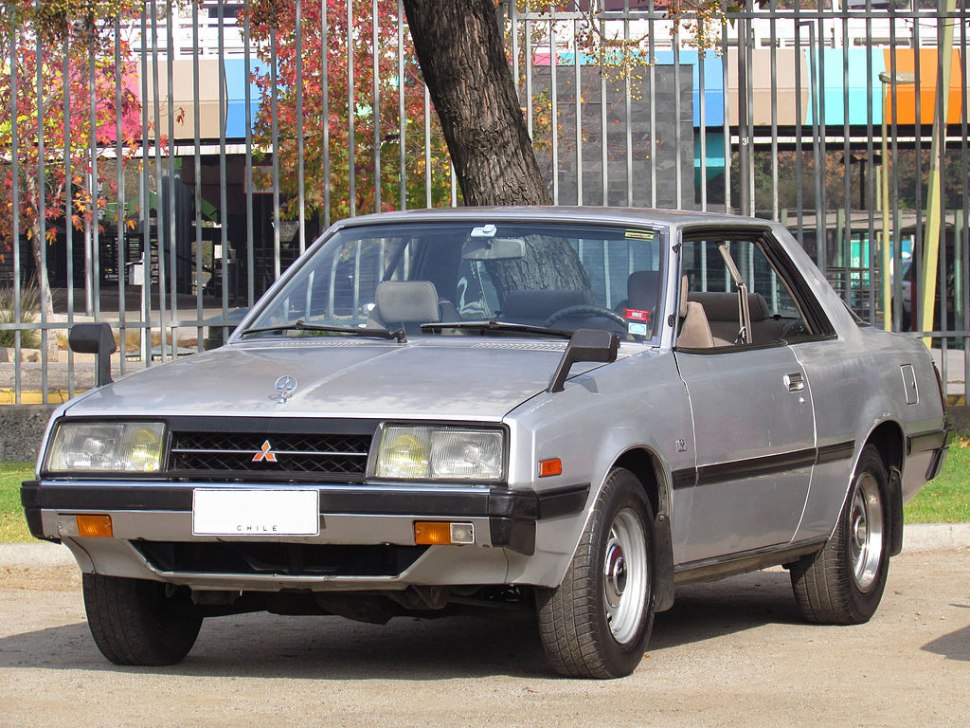
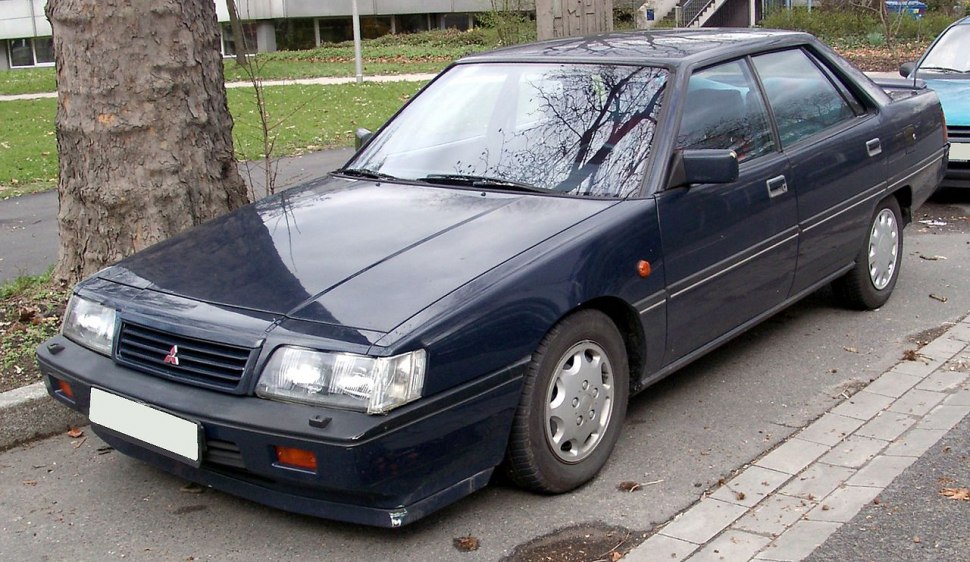
The Mitsubishi Sapporo II (A16_A) 2.0 GSL (A164A) (102 Hp) represents a significant entry in the Japanese automaker’s lineup during the early 1980s, embodying a blend of style, comfort, and accessible performance that resonated with consumers in its primary markets, particularly in Japan and Europe. As the second generation of the Sapporo, this coupe variant, produced between 1980 and 1983, continued to build on the foundations laid by its predecessor, which was often marketed globally under various names, including the Mitsubishi Galant Lambda and, notably, as the Dodge Challenger and Plymouth Sapporo in North America. However, the A16_A series specifically as the “Sapporo II” carved its own niche as a stylish personal luxury coupe. Its design and engineering reflected the evolving automotive landscape of the era, balancing conventional mechanics with a keen eye for driver and passenger experience. This generation aimed to offer a more refined and contemporary package, appealing to buyers looking for a distinctive and comfortable two-door vehicle without sacrificing practicality. Its role in the market was to provide a sporty yet elegant option within Mitsubishi’s expanding portfolio, contributing to the brand’s growing international presence and reputation for reliable, well-engineered vehicles.
Engineering and Performance of the Mitsubishi Sapporo II (A16_A) 2.0 GSL (A164A) (102 Hp)
At the heart of the Mitsubishi Sapporo II (A16_A) 2.0 GSL (A164A) (102 Hp) lay a robust and dependable internal combustion engine, a hallmark of Mitsubishi engineering during this period. The powertrain architecture was characterized by a front, longitudinal engine layout, driving the rear wheels, a configuration often favored for its balanced weight distribution and traditional driving dynamics, especially in coupes and sportier sedans. This 2.0-liter gasoline engine, naturally aspirated, produced a respectable 102 horsepower. For its time, this output provided a commendable blend of city maneuverability and highway cruising capability, striking a balance between performance and the burgeoning concerns for fuel efficiency that emerged in the late 1970s and early 1980s. The four-cylinder engine design was a practical choice, offering a good compromise between power delivery, manufacturing cost, and overall package size. Its natural aspiration meant a linear power band and predictable throttle response, attributes appreciated by drivers seeking a straightforward and engaging driving experience.
The rear-wheel-drive architecture of the Mitsubishi Sapporo II (A16_A) 2.0 GSL (A164A) (102 Hp) was a significant element of its appeal, particularly among enthusiasts. This layout provided a distinct driving feel compared to the increasing number of front-wheel-drive vehicles entering the market. It allowed for a more direct connection between the driver and the road, offering a sense of balance and traditional sportiness. The robust drivetrain ensured reliable power transmission, contributing to the Sapporo II’s reputation for durability. Furthermore, the braking system was advanced for its class and era, featuring disc brakes on both the front and rear wheels. This all-disc setup provided superior stopping power and heat dissipation compared to drum brakes, enhancing safety and driver confidence, especially during spirited driving or emergency situations. The combination of a capable engine, a balanced rear-wheel-drive platform, and effective braking made the Sapporo II 2.0 GSL a competent and enjoyable car to drive, reflecting Mitsubishi’s commitment to engineering quality even in its more style-focused offerings.
Design and Features of the Mitsubishi Sapporo II (A16_A)
The design of the Mitsubishi Sapporo II (A16_A) was a quintessential example of early 1980s Japanese automotive styling, characterized by clean lines, a relatively angular profile, and a sophisticated stance that conveyed both elegance and a hint of sportiness. As a two-door coupe, it offered a sleek and somewhat aerodynamic silhouette, distinguishing it from its sedan counterparts. The body type, a coupe, was designed to appeal to individuals or smaller families seeking a car with a more personal and less utilitarian feel. Despite its coupe designation, the Sapporo II was engineered with practicality in mind, offering seating for five occupants. This made it a versatile choice, capable of accommodating passengers for short trips while retaining its distinctive two-door appeal. The interior would have featured materials and ergonomics typical of the era, focusing on comfort and ease of use, with amenities that, while basic by today’s standards, were considered desirable at the time.
Beyond its aesthetic appeal, the Mitsubishi Sapporo II (A16_A) integrated practical features that contributed to its overall usability and driving experience. The choice of 185/70 R14 tires mounted on 14-inch wheel rims provided a comfortable ride quality while offering adequate grip for the vehicle’s performance capabilities. This tire and wheel combination was standard for many vehicles in its segment, balancing cost, availability, and performance. The exterior styling often included chrome accents, distinctive grille designs, and perhaps a subtle spoiler, all contributing to its premium image. Inside, occupants would have found a well-appointed cabin, likely featuring durable cloth or optional leatherette upholstery, a functional dashboard with analog gauges, and a period-appropriate audio system. While advanced safety features like airbags or anti-lock brakes were not standard in this era, the Sapporo II’s solid construction, all-around disc brakes, and predictable handling characteristics provided a reasonable level of passive and active safety for its time. The integration of these design elements and features underscored Mitsubishi’s intent to position the Sapporo II as a compelling choice for buyers seeking a stylish, comfortable, and reliable coupe.
Technical Specifications
| Brand | Mitsubishi |
| Model | Sapporo |
| Generation | Sapporo II (A16_A) |
| Type (Engine) | 2.0 GSL (A164A) (102 Hp) |
| Start of production | 1980 year |
| End of production | 1983 year |
| Powertrain Architecture | Internal Combustion engine |
| Body type | Coupe |
| Seats | 5 |
| Doors | 2 |
| Fuel Type | Petrol (Gasoline) |
| Power | 102 Hp |
| Engine layout | Front, Longitudinal |
| Number of cylinders | 4 |
| Engine aspiration | Naturally aspirated engine |
| Fuel tank capacity | 60 l (15.85 US gal | 13.2 UK gal) |
| Drivetrain Architecture | The Internal combustion engine (ICE) drives the rear wheels of the vehicle. |
| Drive wheel | Rear wheel drive |
| Front brakes | Disc |
| Rear brakes | Disc |
| Tires size | 185/70 R14 |
| Wheel rims size | 14 |