
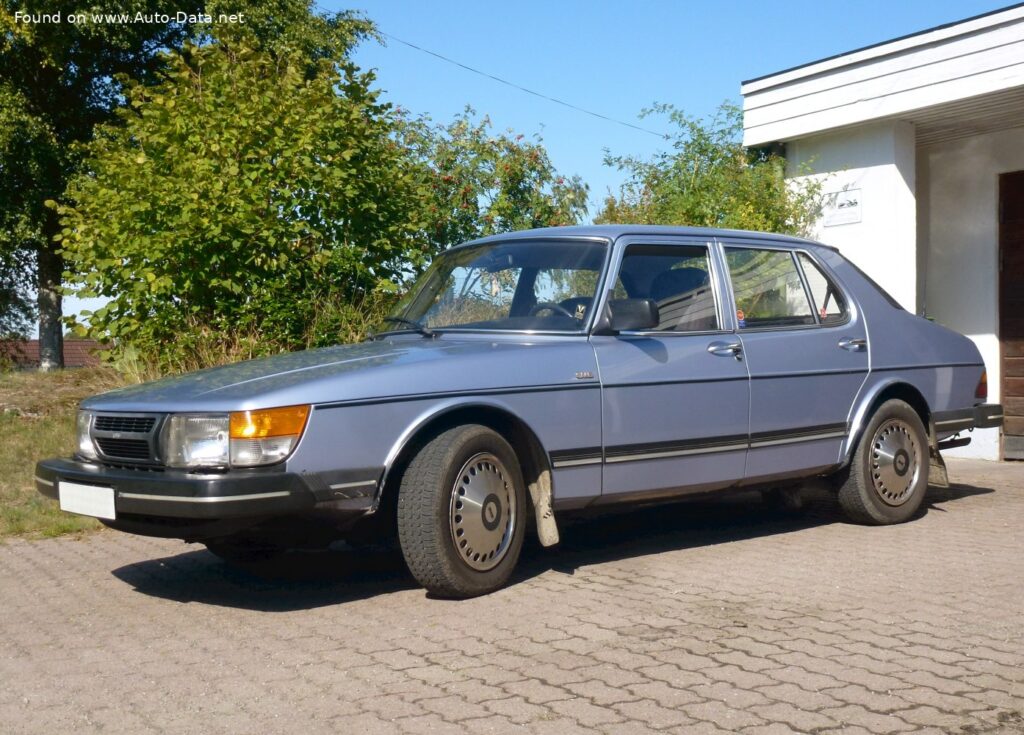
The Saab 900, specifically the first generation (900 I) produced from 1978 to 1987, represents a pivotal moment in the Swedish automaker’s history. Introduced as a replacement for the long-running Saab 96, the 900 aimed to modernize the brand while retaining the quirky, engineering-focused character that defined Saab. The 2.0 c variant, producing 101 horsepower, was a mainstay of the lineup during the 1982-1986 production run, offering a balance of performance and fuel economy for the European market. While never officially sold in large numbers in the United States during this initial generation, the Saab 900 quickly gained a reputation for its robust construction, innovative safety features, and distinctive styling, cultivating a loyal following among enthusiasts who appreciated its unconventional approach to automotive design.
Saab 900 I: A Legacy of Scandinavian Engineering
The Saab 900 I wasn’t simply a redesign of its predecessor; it was a fundamentally new vehicle. While the 96 was known for its Ford Taunus-derived engine and somewhat unusual proportions, the 900 boasted a completely new chassis, suspension, and a more modern engine family. This generation marked Saab’s transition from a niche manufacturer to a more mainstream contender in the compact car segment, particularly in Europe. The “c” designation in 2.0 c denoted a carburetor-equipped version of the 2.0-liter engine, distinguishing it from fuel-injected models available in some markets. The 900’s design prioritized driver comfort and safety, features that would become hallmarks of the Saab brand.
Engine & Performance
The heart of the Saab 900 I 2.0 c is the B201 engine, a 1,985 cc (2.0 liter) naturally aspirated inline-four cylinder gasoline engine. This engine, part of Saab’s B-engine family, was a significant departure from the three-cylinder, two-stroke engine that powered the earlier Saab 96. The B201 produced 101 horsepower (75 kW) and offered a reasonable amount of torque for its displacement. While not a performance powerhouse, the engine provided adequate power for comfortable cruising and everyday driving. The engine’s design emphasized durability and reliability, characteristics valued by Saab owners.
Power was delivered to the front wheels via a four-speed manual or three-speed automatic transmission. The front-wheel-drive layout, relatively uncommon at the time, contributed to the 900’s stable handling characteristics, particularly in adverse weather conditions. The 900’s suspension, featuring MacPherson struts in the front and a twist-beam axle in the rear, was tuned for a comfortable ride, absorbing bumps and imperfections in the road effectively. Top speed was around 99 mph (160 km/h), and acceleration from 0 to 60 mph (0 to 97 km/h) took approximately 12-13 seconds, figures typical for a family sedan of its era.
Design & Features
The Saab 900 I’s design was instantly recognizable, characterized by its aerodynamic silhouette, steeply raked windshield, and distinctive front grille. The body style was a four-door sedan, offering practical space for passengers and cargo. The interior was designed with the driver in mind, featuring ergonomically placed controls and comfortable seating. Saab prioritized safety in the 900’s design, incorporating features such as a reinforced safety cage, side impact protection, and a collapsible steering column. These features were ahead of their time and contributed to the 900’s reputation as a safe and reliable vehicle.
The 900 also featured a number of unique design elements, such as the ignition key located between the front seats (a feature carried over from earlier Saab models) and a distinctive dashboard layout. Ventilation was also a key focus, with a sophisticated system designed to minimize drafts and ensure even temperature distribution throughout the cabin. While not lavishly equipped by modern standards, the 900 offered a comfortable and well-appointed interior for its time. The car’s relatively simple construction also made it relatively easy to maintain and repair, further adding to its appeal among enthusiasts.
Technical Specifications
| Brand | Saab |
| Model | 900 |
| Generation | 900 I |
| Type (Engine) | 2.0 c (101 Hp) |
| Start of production | 1982 |
| End of production | 1986 |
| Powertrain Architecture | Internal Combustion engine |
| Body type | Sedan |
| Seats | 5 |
| Doors | 4 |
| Fuel Type | Petrol (Gasoline) |
| Power | 101 Hp |
| Engine Model/Code | B201 |
| Engine aspiration | Naturally aspirated engine |
| Engine oil capacity | 3.8 l / 4.02 US qt | 3.34 UK qt |
| Coolant capacity | 10 l / 10.57 US qt | 8.8 UK qt |
The Saab 900 I 2.0 c, despite its relatively modest performance figures, remains a significant vehicle in automotive history. It represents a turning point for Saab, demonstrating the brand’s commitment to innovation, safety, and driver-focused design. While the first generation 900 may not have achieved widespread sales success in the United States, it laid the foundation for the brand’s future growth and cemented its reputation as a manufacturer of distinctive and well-engineered automobiles. The enduring appeal of the 900 I, particularly among Saab enthusiasts, is a testament to its timeless design and enduring quality.
