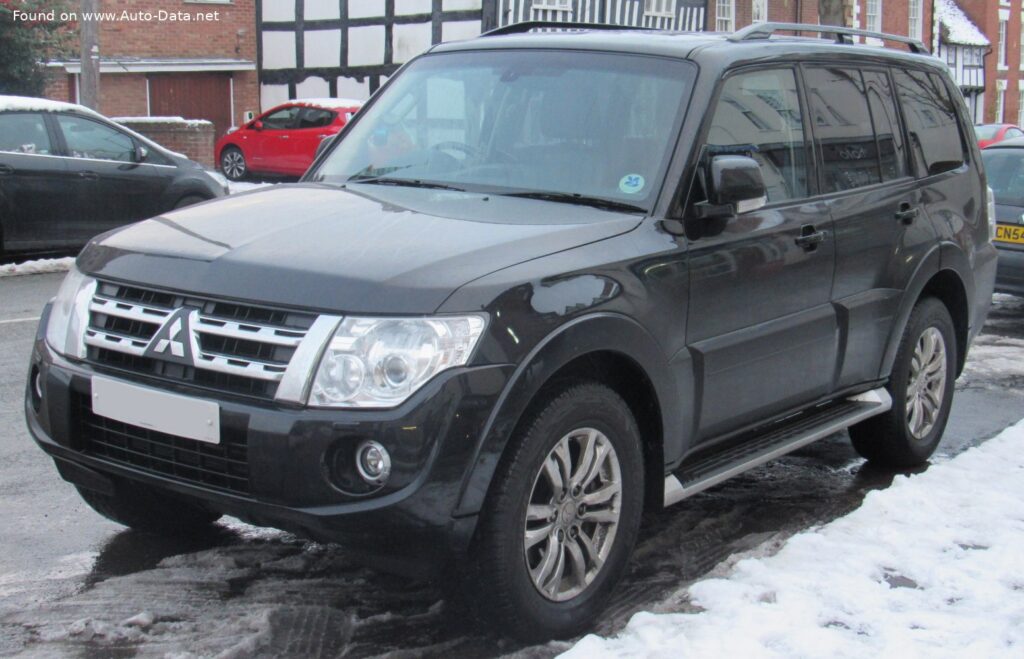
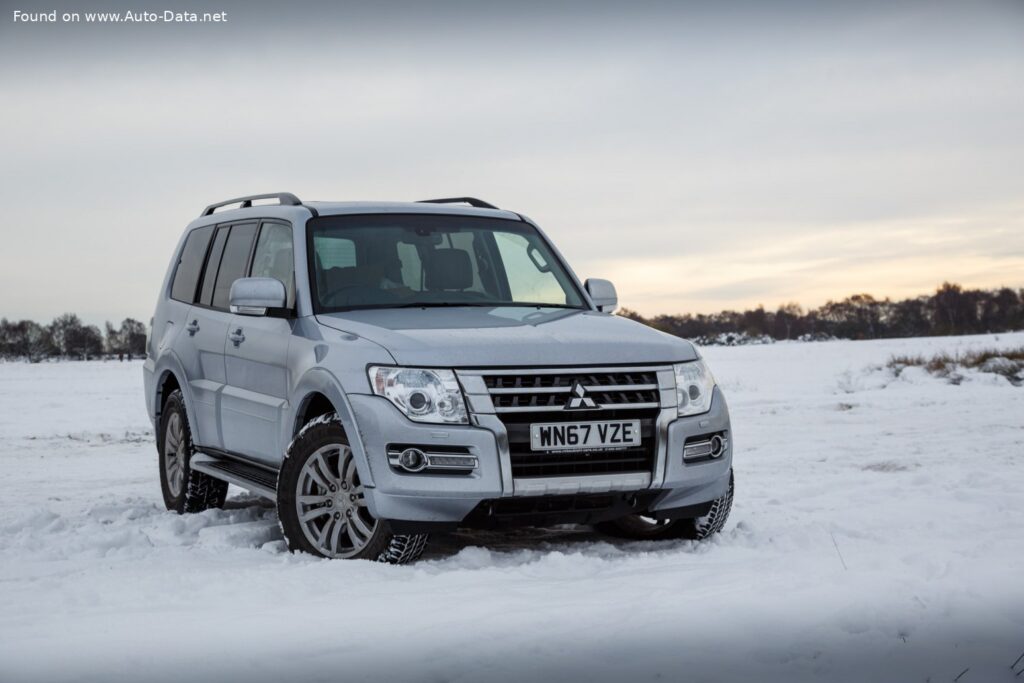
The Mitsubishi Shogun IV (facelifted in 2014) is a robust, body-on-frame sport utility vehicle (SUV) primarily marketed in Europe and other international markets. While not officially sold in the United States, it represents a significant vehicle in the lineage of Mitsubishi’s off-road capable vehicles. The Shogun, known as the Pajero in many regions, has a long history dating back to 1982, and the fourth generation, introduced in 2007, continued this tradition with a focus on combining off-road prowess with improved on-road comfort and refinement. The 2014 facelift brought styling updates and refinements to the 3.2-liter diesel engine, solidifying its position as a capable and practical SUV for those needing both utility and durability.
Mitsubishi Shogun IV: Overview and Market Position
The Shogun IV, particularly the 3-door variant, caters to a niche market seeking a rugged, capable vehicle for both on and off-road adventures. In Europe, it competed with vehicles like the Land Rover Discovery and Toyota Land Cruiser, offering a more affordable alternative with a strong reputation for reliability. The 3-door configuration prioritized off-road maneuverability and a more compact footprint, appealing to those who didn’t require the space of a larger, five-door SUV. The facelifted 2014 model year brought subtle cosmetic changes and improvements to the engine’s efficiency and performance, extending the model’s lifespan until production ended in 2019.
Engine & Performance
The 2014 Mitsubishi Shogun IV 3.2 DI-D is powered by a 3.2-liter inline-four cylinder diesel engine, designated the 4M41. This engine produces 187 horsepower at 3500 rpm and a substantial 441 Nm (325.26 lb.-ft.) of torque at 2000 rpm. The engine features a turbocharger with an intercooler and a diesel commonrail fuel injection system, contributing to its responsive performance and relatively efficient fuel consumption for a vehicle of its size and capability. Power is delivered to all four wheels via Mitsubishi’s Super Select 4WD system, coupled with an INVECS-II five-speed automatic transmission. This drivetrain allows the driver to seamlessly switch between two-wheel drive, four-wheel drive, and four-wheel drive with a locked center differential, providing optimal traction in a variety of conditions. Acceleration from 0 to 100 km/h (0-62 mph) takes 10.4 seconds, while the vehicle reaches a maximum speed of 180 km/h (111.85 mph). The weight-to-power ratio of 11.7 kg/Hp and weight-to-torque ratio of 5 kg/Nm demonstrate a good balance between power and vehicle mass.
Design & Features
The Shogun IV maintains a traditional SUV aesthetic, characterized by its boxy shape and robust construction. The 3-door configuration offers a more compact and agile profile compared to the five-door model. The 2014 facelift included minor styling updates to the front grille, headlights, and bumpers, giving the vehicle a more modern appearance. Inside, the Shogun IV offers seating for five passengers, although rear passenger space in the 3-door model is limited. The interior is functional and durable, with a focus on practicality rather than luxury. Key features include ABS (Anti-lock braking system), ventilated disc brakes on all four wheels, hydraulic power steering, and a coil spring suspension with double wishbones at the front and an independent multi-link setup at the rear. The vehicle’s high ground clearance (210 mm / 8.27 in) and impressive approach, departure, and ramp-over angles (34.6°, 34.3°, and 24.1° respectively) highlight its off-road capabilities. A wading depth of 700 mm (27.56 in) further enhances its ability to tackle challenging terrain. The Shogun IV also boasts a substantial cargo capacity of 1120 liters (39.55 cu. ft.) with the rear seats folded down.
Technical Specifications
| Brand | Mitsubishi |
| Model | Shogun |
| Generation | Shogun IV (3-door, facelift 2014) |
| Type (Engine) | 3.2 DI-D (187 Hp) Super Select 4WD INVECS-II |
| Start of production | 2014 |
| End of production | 2019 |
| Powertrain Architecture | Internal Combustion engine |
| Body type | SUV |
| Seats | 5 |
| Doors | 3 |
| Fuel consumption (urban) | 10.3 l/100 km (22.8 US mpg) |
| Fuel consumption (extra urban) | 8.3 l/100 km (28.3 US mpg) |
| Fuel consumption (combined) | 9 l/100 km (26.1 US mpg) |
| CO2 emissions | 238 g/km |
| Fuel Type | Diesel |
| Acceleration 0 – 100 km/h | 10.4 sec |
| Acceleration 0 – 60 mph | 9.9 sec |
| Maximum speed | 180 km/h (111.85 mph) |
| Power | 187 Hp @ 3500 rpm |
| Torque | 441 Nm @ 2000 rpm (325.26 lb.-ft. @ 2000 rpm) |
| Engine Displacement | 3200 cm3 (195.28 cu. in.) |
| Number of cylinders | 4 |
| Kerb Weight | 2185 kg (4817.1 lbs.) |
| Max. weight | 2665 kg (5875.32 lbs.) |
| Trunk (boot) space – maximum | 1120 l (39.55 cu. ft.) |
| Fuel tank capacity | 69 l (18.23 US gal) |
| Length | 4385 mm (172.64 in.) |
| Width | 1875 mm (73.82 in.) |
| Height | 1870 mm (73.62 in.) |
| Wheelbase | 2545 mm (100.2 in.) |
| Number of gears | 5 |
| Gearbox type | automatic transmission INVECS-II |
The Mitsubishi Shogun IV (2014 facelift) remains a compelling choice for those seeking a durable, capable, and relatively affordable SUV. Its blend of off-road prowess, practical design, and reliable diesel engine ensures its continued appeal in markets where ruggedness and dependability are highly valued.