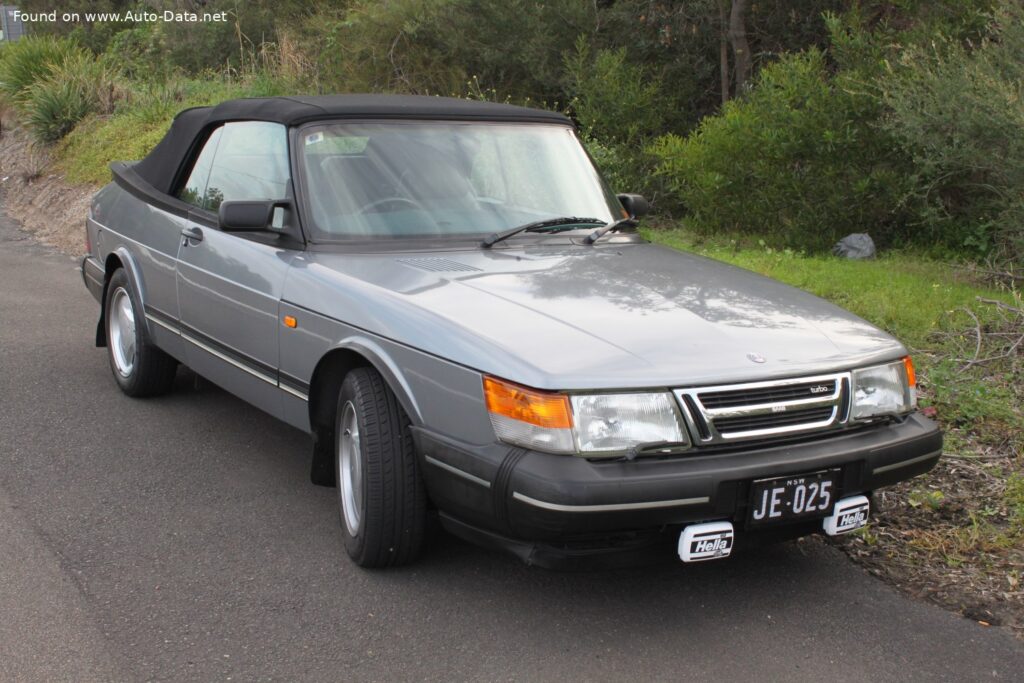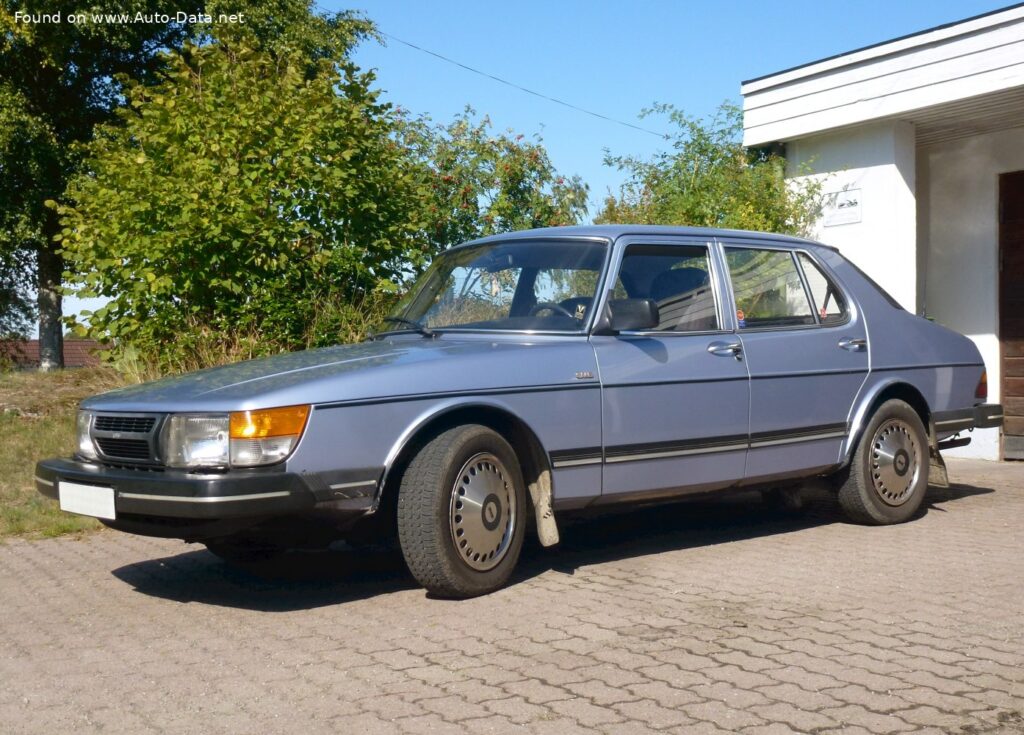
The Saab 900, specifically the first generation (900 I) produced from 1978 to 1987, represents a pivotal moment in the Swedish automaker’s history. Introduced as a replacement for the long-running Saab 96, the 900 aimed to modernize the brand while retaining the quirky, engineering-focused ethos that defined Saab. The 2.0 Turbo variant, launched in 1980, was a particularly significant model, bringing forced induction to the 900 lineup and establishing Saab’s reputation for performance and innovative technology. This model, producing 146 horsepower, was a relatively early adopter of turbocharging in the mainstream automotive market, offering a compelling blend of efficiency and spirited driving. The Saab 900 I 2.0 Turbo was primarily sold in Europe and Australia, with limited official imports to the United States until later in the 900’s production run. It carved a niche for itself as a practical, yet distinctive, family sedan appealing to drivers seeking something different from the conventional offerings of the time.
The Saab 900 I 2.0 Turbo: A Legacy of Innovation
The original Saab 900 was more than just a replacement for the 96; it was a complete re-think of the compact car. Saab engineers prioritized safety, aerodynamics, and driver comfort, resulting in a vehicle that stood apart from its competitors. The 900’s design, penned by Italian firm Bertone, was a departure from the more angular styling of the 96, offering a smoother, more contemporary aesthetic. The introduction of the 2.0 Turbo engine in 1980 further enhanced the 900’s appeal, providing a significant power boost without a substantial increase in fuel consumption – a key selling point in the late 1970s and early 1980s energy crises. The turbocharger allowed Saab to offer performance comparable to larger-engined vehicles, while maintaining the 900’s relatively lightweight construction and nimble handling.
Engine & Performance
The heart of the Saab 900 I 2.0 Turbo is the B201S engine, a 1,985 cc (2.0 liter) inline-four cylinder gasoline engine. This engine is notable for its robust construction and relatively simple design, contributing to its reliability. The key feature, of course, is the turbocharger, which forces more air into the engine, allowing it to burn more fuel and produce more power. The 146 horsepower output was a substantial increase over the naturally aspirated versions of the 900, providing noticeably quicker acceleration and improved highway cruising ability. The engine was typically paired with a four-speed manual transmission, although a three-speed automatic was also available. While not a sports car by modern standards, the 900 Turbo offered a surprisingly engaging driving experience, characterized by strong mid-range torque and a distinctive exhaust note. The turbocharger wasn’t particularly sophisticated by today’s standards, lacking features like intercooling in the early models, which meant some degree of turbo lag was present. However, once the turbo spooled up, the power delivery was strong and linear. The engine’s design also incorporated features aimed at improving cold-weather starting, a crucial consideration given Saab’s Scandinavian origins.
Design & Features
The Saab 900 I was offered exclusively as a four-door sedan, although a five-door hatchback version was introduced later in the 900’s lifespan. The body design, while relatively conventional in overall shape, incorporated several distinctive Saab styling cues, including a wraparound windscreen and a sloping rear deck. The interior was characterized by its functional, ergonomic design, prioritizing driver comfort and visibility. Saab was known for its attention to detail, and the 900’s interior featured well-placed controls and comfortable seats. Safety was a major focus for Saab, and the 900 incorporated several features designed to protect occupants in the event of a collision. These included a reinforced safety cage, side impact protection, and a collapsible steering column. The ventilation system was also noteworthy, featuring a sophisticated system of vents and filters designed to provide clean, fresh air to the cabin. The 900 Turbo models often included additional features such as upgraded instrumentation, alloy wheels, and a more luxurious interior trim. The car’s relatively simple construction and durable components contributed to its longevity, and many examples remain on the road today, testament to Saab’s engineering prowess.
Technical Specifications
| Brand | Saab |
| Model | 900 |
| Generation | 900 I |
| Type (Engine) | 2.0 Turbo (146 Hp) |
| Start of production | 1980 |
| End of production | 1985 |
| Powertrain Architecture | Internal Combustion engine |
| Body type | Sedan |
| Seats | 5 |
| Doors | 4 |
| Fuel Type | Petrol (Gasoline) |
| Power | 146 Hp |
| Engine Model/Code | B201S |
| Engine aspiration | Turbocharger |
| Engine oil capacity | 4.3 l / 4.54 US qt / 3.78 UK qt |
| Coolant capacity | 10 l / 10.57 US qt / 8.8 UK qt |
The Saab 900 I 2.0 Turbo, while not a high-volume seller in many markets, remains a significant vehicle in automotive history. It demonstrated Saab’s commitment to innovation, safety, and driver enjoyment. The combination of turbocharging, a well-engineered chassis, and a distinctive design made the 900 Turbo a compelling alternative to more mainstream offerings. Its legacy continues to influence automotive design and engineering today, and the 900 remains a popular choice among enthusiasts seeking a classic car with a unique character and a rich heritage. The car’s enduring appeal is a testament to the vision and engineering expertise of Saab’s designers and engineers.