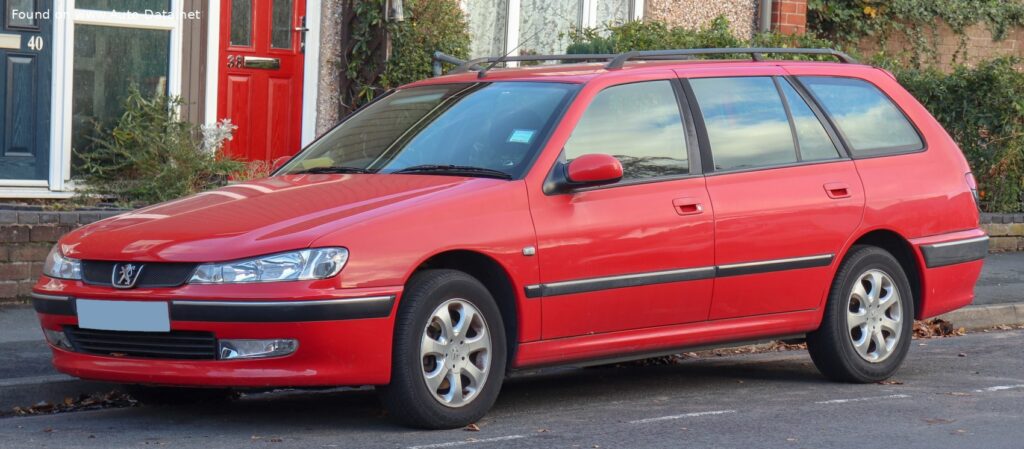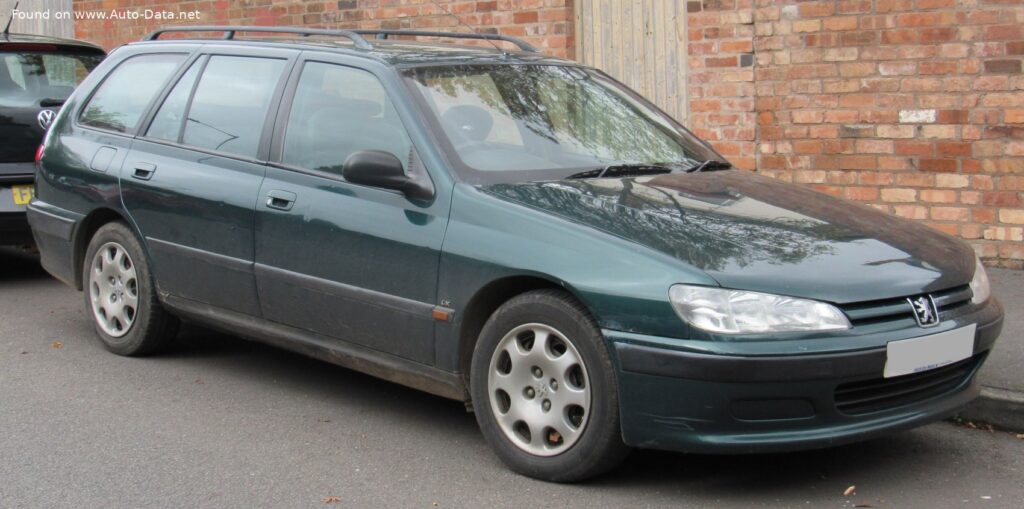
The Peugeot 406 Break, specifically the Phase I model produced from 1996 to 1999, represents a significant offering from the French automaker in the mid-size station wagon segment. While not widely sold in the United States, the 406 held a prominent position in the European market, competing with vehicles like the Ford Mondeo Estate, Volkswagen Passat Variant, and Renault Laguna Estate. The “Break” designation, traditional for Peugeot station wagons, signified its practicality and spaciousness. This generation of the 406 aimed to blend stylish design with robust engineering, offering a comfortable and capable vehicle for families and those requiring ample cargo space. The 1.9 TD variant, powered by a turbocharged diesel engine, was particularly popular in Europe due to its fuel efficiency and torque, making it well-suited for long-distance travel.
Peugeot 406 Break: A European Family Hauler
The 406 Break was part of the larger 406 family, which included saloon (sedan) and coupe body styles. Introduced in 1995 as a replacement for the Peugeot 405, the 406 represented a step forward in terms of design, comfort, and technology. The Break version, launched shortly after the saloon, capitalized on the growing demand for practical, yet stylish, station wagons. It offered a compelling alternative to more conventional estate cars, with Peugeot’s characteristic attention to detail and a focus on driver enjoyment. The Phase I models, produced until 1997, were characterized by specific styling cues and mechanical components that were later revised in subsequent phases.
Engine & Performance
The heart of the 406 Break 1.9 TD is the DHX XUD9TE engine, a 1.9-liter inline-four cylinder diesel engine equipped with a turbocharger. This engine produced 90 horsepower, a respectable figure for a diesel engine of that era, and more importantly, a substantial 151 lb-ft of torque. The turbocharger significantly enhanced the engine’s performance, providing improved acceleration and responsiveness compared to naturally aspirated diesel engines. This torque output made the 406 Break 1.9 TD a capable tow vehicle and well-suited for carrying heavy loads. The engine is an indirect injection diesel, a common technology in the 1990s, known for its durability and relatively quiet operation compared to earlier direct injection diesels.
Power is delivered to the front wheels through a five-speed manual transmission, the standard configuration for this model. While an automatic transmission was available on some 406 variants, it was less common on the diesel-powered Break. The front-wheel-drive layout contributed to the vehicle’s fuel efficiency and reduced mechanical complexity. The 406 Break 1.9 TD wasn’t designed for outright speed, but its strong torque allowed for relaxed cruising and effortless overtaking on highways. Fuel economy was a key selling point, with the diesel engine offering significantly better mileage than the gasoline alternatives. The engine’s robust construction and relatively simple design contributed to its longevity and reliability, making it a popular choice for high-mileage drivers.
Design & Features
The Peugeot 406 Break Phase I boasts a classic station wagon silhouette, characterized by a long roofline and a generous cargo area. The design, penned by Pininfarina, is elegant and understated, with clean lines and a relatively low-slung profile for a vehicle of its type. The front end features Peugeot’s signature styling cues of the mid-1990s, including a prominent grille and distinctive headlights. The interior of the 406 Break is spacious and comfortable, with seating for five passengers. The rear seats can be folded down to create a larger cargo area, further enhancing the vehicle’s practicality.
Standard features on the 406 Break 1.9 TD typically included power steering, central locking, and electric front windows. Higher trim levels offered additional features such as air conditioning, alloy wheels, and a sunroof. Safety features, while not as comprehensive as those found on modern vehicles, included anti-lock brakes (ABS) on some models and a driver’s airbag. The emphasis in the design was on providing a comfortable and practical vehicle for everyday use. The large tailgate and low loading lip made it easy to access the cargo area, while the spacious interior provided ample room for passengers and luggage. The 406 Break was designed to be a versatile vehicle, capable of handling a variety of tasks, from family trips to transporting goods.
Technical Specifications
| Brand | Peugeot |
| Model | 406 |
| Generation | 406 Break (Phase I, 1996) |
| Type (Engine) | 1.9 TD (90 Hp) |
| Start of production | 1996 |
| End of production | 1999 |
| Powertrain Architecture | Internal Combustion engine |
| Body type | Station wagon (estate) |
| Fuel Type | Diesel |
| Power | 90 Hp |
| Engine Model/Code | DHX XUD9TE |
| Engine aspiration | Turbocharger |
| Engine oil capacity | 4.5 l / 4.76 US qt / 3.96 UK qt |
| Coolant capacity | 9 l / 9.51 US qt / 7.92 UK qt |
The Peugeot 406 Break 1.9 TD, while not a performance car, offered a compelling package of practicality, fuel efficiency, and comfort. Its robust diesel engine and spacious interior made it a popular choice for families and those requiring a versatile vehicle. Although it wasn’t officially sold in the US market, the 406 Break represents a significant example of European automotive engineering from the 1990s, showcasing Peugeot’s commitment to stylish design and practical functionality. Its enduring appeal lies in its ability to blend these qualities into a vehicle that remains capable and comfortable even today.