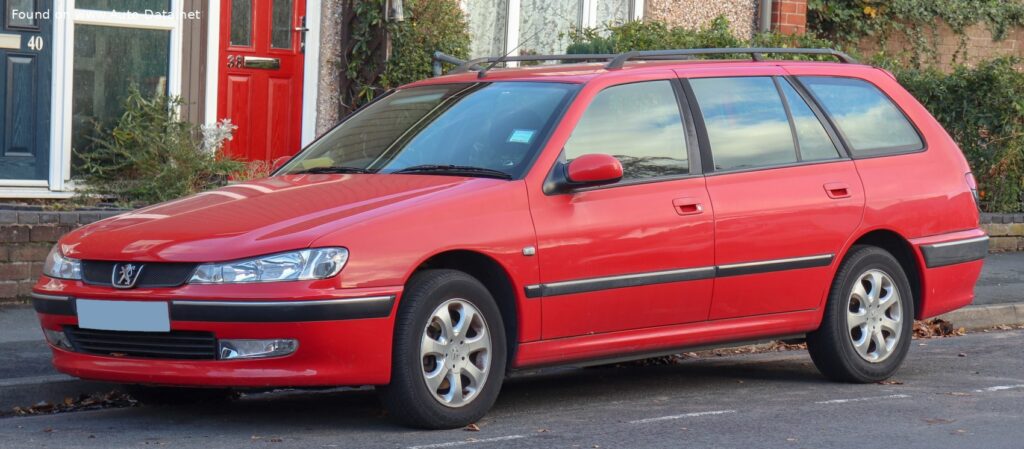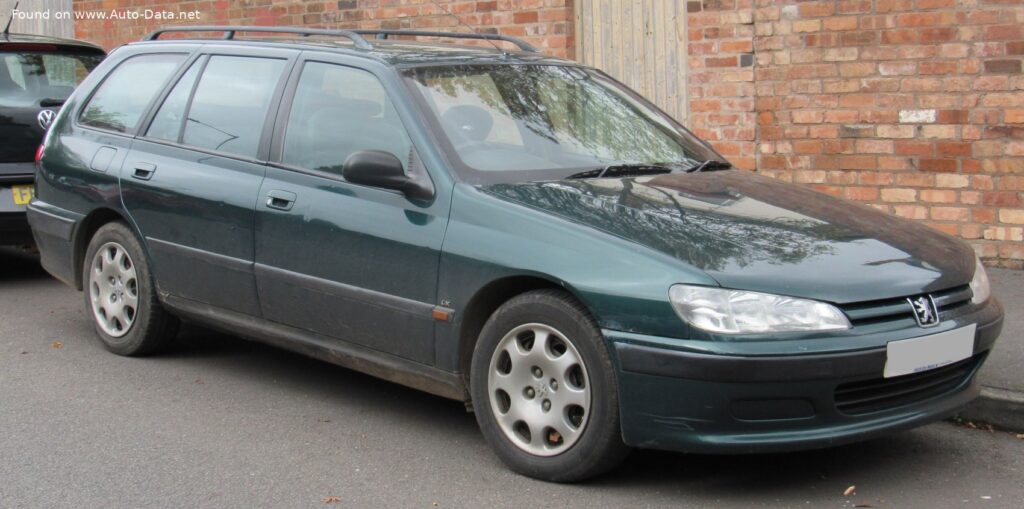
The Peugeot 406 Break (Phase I), produced from 1996 to 1999, represents a significant offering from the French automaker in the mid-size family car segment. As the station wagon (estate) variant of the popular 406, it catered to buyers seeking practicality and versatility without sacrificing the comfort and style Peugeot was becoming known for. While not officially sold in the United States, the 406 and its Break derivative were highly successful in Europe, offering a compelling alternative to rivals like the Ford Mondeo Estate and Volkswagen Passat Variant. The Phase I models, like the 2.0 16V detailed here, established the 406 Break as a refined and capable vehicle.
Peugeot 406 Break: A Detailed Overview
The 406 Break was designed to provide a spacious and functional cargo area, appealing to families and those with active lifestyles. It built upon the success of the 405 Break, offering improved styling, enhanced safety features, and a more modern driving experience. The Phase I models, launched in 1996, were characterized by their distinctive front-end styling and interior appointments. The 2.0 16V engine option provided a balance of performance and fuel economy, making it a popular choice for buyers.
Engine & Performance
The heart of the 1996 Peugeot 406 Break 2.0 16V is a naturally aspirated, 2.0-liter inline four-cylinder engine, designated RFV XU10J4R. This engine produces 132 horsepower at 5500 rpm and 180 Nm (132.76 lb.-ft.) of torque at 4200 rpm. The engine utilizes multi-port fuel injection and a double overhead camshaft (DOHC) valvetrain, contributing to its relatively efficient operation. Power is delivered to the front wheels via a five-speed manual transmission. Performance figures indicate a 0-62 mph (0-100 km/h) acceleration time of 11.2 seconds and a maximum speed of 122.41 mph (197 km/h). The weight-to-power ratio of 10.4 kg/Hp and a weight-to-torque ratio of 7.7 kg/Nm suggest a reasonably responsive driving experience for its time. The engine displacement is 1998 cm3 (121.93 cu. in.), with a bore and stroke of 86 mm (3.39 in) each, and a compression ratio of 11:1.
Design & Features
The Peugeot 406 Break is a five-door station wagon, offering seating for five passengers. Its exterior design is characterized by flowing lines and a relatively low-slung profile for a vehicle of its type. The Phase I models feature a distinctive front grille and headlight design. The primary appeal of the Break model lies in its generous cargo capacity. With the rear seats in place, it offers 525 liters (18.54 cu. ft.) of trunk space, expanding to a substantial 1740 liters (61.45 cu. ft.) with the rear seats folded down. This versatility made it a practical choice for families and those needing to transport larger items. Safety features for the era included ABS (Anti-lock Braking System) as standard equipment. The vehicle’s suspension utilizes a wishbone setup at the front and a multi-lever arrangement at the rear, aiming to provide a comfortable ride and stable handling. Hydraulic power steering further enhances the driving experience.
Technical Specifications
| Brand | Peugeot |
| Model | 406 |
| Generation | 406 Break (Phase I, 1996) |
| Type (Engine) | 2.0 16V (132 Hp) |
| Start of production | 1996 |
| End of production | 1999 |
| Powertrain Architecture | Internal Combustion engine |
| Body type | Station wagon (estate) |
| Seats | 5 |
| Doors | 5 |
| Fuel Type | Petrol (Gasoline) |
| Acceleration 0 – 100 km/h | 11.2 sec |
| Acceleration 0 – 62 mph | 11.2 sec |
| Acceleration 0 – 60 mph | 10.6 sec |
| Maximum speed | 197 km/h / 122.41 mph |
| Weight-to-power ratio | 10.4 kg/Hp |
| Weight-to-torque ratio | 7.7 kg/Nm |
| Power | 132 Hp @ 5500 rpm |
| Power per litre | 66.1 Hp/l |
| Torque | 180 Nm @ 4200 rpm / 132.76 lb.-ft. @ 4200 rpm |
| Engine layout | Front, Transverse |
| Engine Model/Code | RFV XU10J4R |
| Engine displacement | 1998 cm3 / 121.93 cu. in. |
| Number of cylinders | 4 |
| Engine configuration | Inline |
| Cylinder Bore | 86 mm / 3.39 in. |
| Piston Stroke | 86 mm / 3.39 in. |
| Compression ratio | 11:1 |
| Number of valves per cylinder | 4 |
| Fuel injection system | Multi-port manifold injection |
| Engine aspiration | Naturally aspirated engine |
| Valvetrain | DOHC |
| Engine oil capacity | 4.25 l / 4.49 US qt | 3.74 UK qt |
| Coolant | 7.5 l / 7.93 US qt | 6.6 UK qt |
| Kerb Weight | 1378 kg / 3037.97 lbs. |
| Max. weight | 1932 kg / 4259.33 lbs. |
| Max load | 554 kg / 1221.36 lbs. |
| Trunk (boot) space – minimum | 525 l / 18.54 cu. ft. |
| Trunk (boot) space – maximum | 1740 l / 61.45 cu. ft. |
| Fuel tank capacity | 70 l / 18.49 US gal | 15.4 UK gal |
| Length | 4725 mm / 186.02 in. |
| Width | 1765 mm / 69.49 in. |
| Height | 1500 mm / 59.06 in. |
| Wheelbase | 2700 mm / 106.3 in. |
| Front track | 1500 mm / 59.06 in. |
| Rear (Back) track | 1480 mm / 58.27 in. |
| Drivetrain Architecture | Front wheel drive |
| Number of gears and type of gearbox | 5 gears, manual transmission |
| Front suspension | Wishbone |
| Rear suspension | Several levers and rods |
| Front brakes | Disc |
| Rear brakes | Disc |
| Assisting systems | ABS (Anti-lock braking system) |
| Steering type | Steering rack and pinion |
| Power steering | Hydraulic Steering |
| Tires size | 195/65 R15 |
The Peugeot 406 Break Phase I, particularly the 2.0 16V model, represents a well-rounded and practical family car from the 1990s. Its combination of stylish design, comfortable interior, and generous cargo space made it a popular choice in Europe, and a testament to Peugeot’s engineering capabilities.