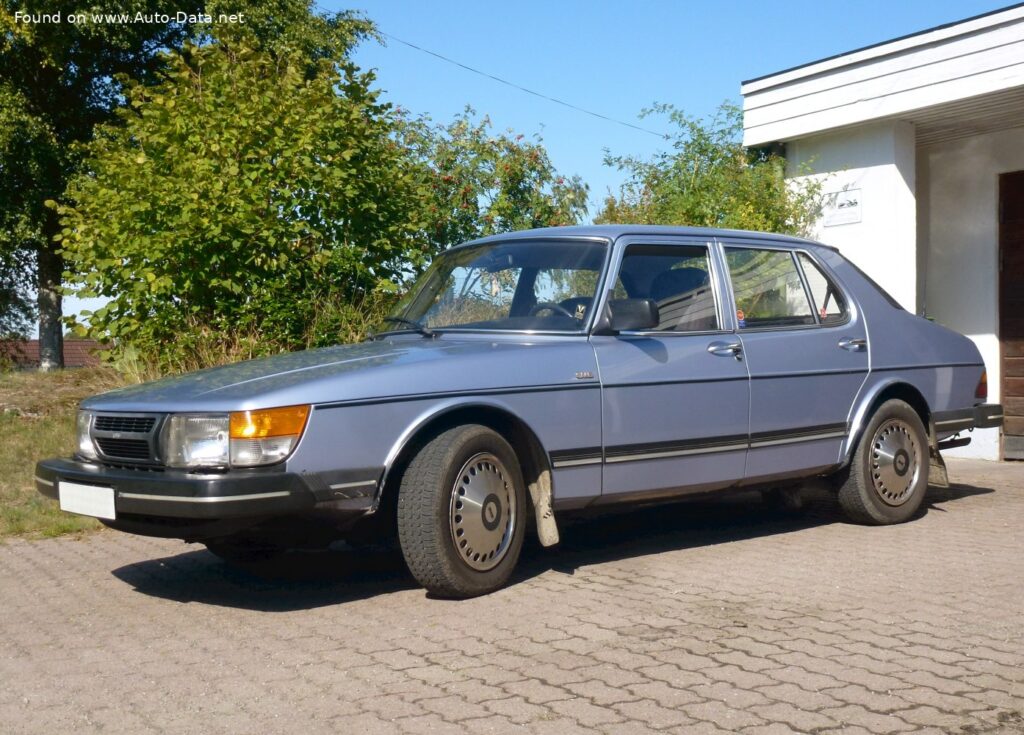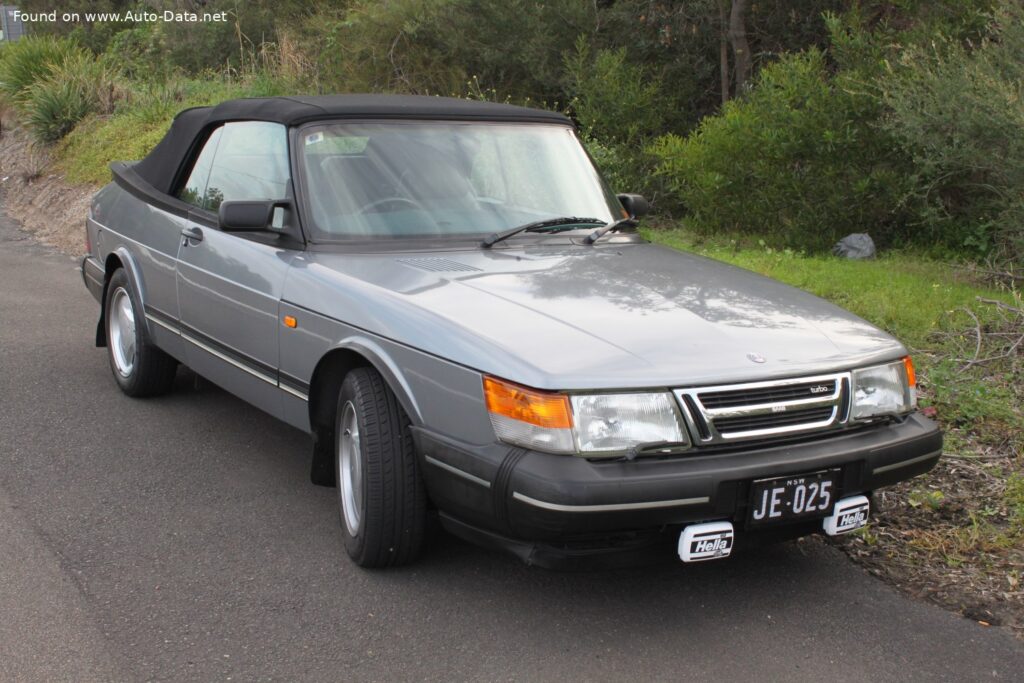
The Saab 900 I Cabriolet 2.0i 16V, produced between 1990 and 1994, represents a significant iteration of Saab’s iconic 900 series. As the convertible variant of the first-generation 900, it offered an open-air driving experience while retaining the brand’s reputation for quirky design and robust engineering. Primarily sold in Europe, the 900 Cabriolet was a relatively niche vehicle, appealing to buyers seeking a stylish and practical alternative to more mainstream convertibles. It built upon the success of the original 900, which had established Saab as a maker of distinctive and well-regarded automobiles.
Saab 900 I Cabriolet: A Detailed Overview
The 900 I Cabriolet was a two-door, four-seater convertible distinguished by its unique styling and focus on driver comfort. It was positioned as a premium compact car, competing with models like the Volkswagen Golf Cabriolet and Peugeot 205 Convertible. The “16V” designation refers to the engine’s 16-valve cylinder head, a feature that enhanced performance and efficiency. The model’s appeal lay in its blend of Scandinavian design, practical features, and a relatively affordable price point within the convertible market.
Engine & Performance
The Saab 900 I Cabriolet 2.0i 16V was powered by a 2.0-liter inline-four cylinder engine, designated the B202. This naturally aspirated engine produced 126 horsepower at 6000 rpm and 170 Nm (125.39 lb.-ft.) of torque at 3000 rpm. The engine featured multi-port fuel injection and a compression ratio of 10:1. Power was delivered to the front wheels via a five-speed manual transmission. Performance figures included a 0-100 km/h (0-62 mph) acceleration time of 11.5 seconds and a top speed of 175 km/h (108.74 mph). The 0-60 mph time was calculated at 10.9 seconds. The engine’s power-to-weight ratio was 9.5 kg/Hp, and the torque-to-weight ratio was 7.1 kg/Nm. The engine displacement of 1985 cm³ (121.13 cu. in.) and a bore/stroke of 90 mm / 78 mm contributed to its responsive character.
Design & Features
The 900 I Cabriolet’s design was characterized by its distinctive wraparound windshield, sloping hood, and relatively upright cabin. The convertible top was manually operated, offering a classic open-air experience. Inside, the car featured a functional and ergonomically designed interior, typical of Saab’s focus on driver comfort. Safety features for the time included an Anti-lock Braking System (ABS), which was becoming increasingly common in European vehicles. The car’s kerb weight of 1200 kg (2645.55 lbs) and maximum weight of 1640 kg (3615.58 lbs) contributed to its handling characteristics. The trunk offered a practical 650 liters (22.95 cu. ft.) of space with the rear seats up, expanding to 1500 liters (52.97 cu. ft.) when folded down. The fuel tank capacity was 63 liters (16.64 US gal).
Technical Specifications
| Brand | Saab |
| Model | 900 |
| Generation | 900 I Cabriolet |
| Type (Engine) | 2.0i 16V (126 Hp) |
| Start of production | 1990 |
| End of production | 1994 |
| Powertrain Architecture | Internal Combustion engine |
| Body type | Cabriolet |
| Seats | 4 |
| Doors | 2 |
| Fuel consumption (urban) | 12.9 l/100 km (18.2 US mpg, 21.9 UK mpg, 7.8 km/l) |
| Fuel consumption (extra urban) | 7.4 l/100 km (31.8 US mpg, 38.2 UK mpg, 13.5 km/l) |
| Fuel consumption (combined) | 10 l/100 km (23.5 US mpg, 28.2 UK mpg, 10 km/l) |
| Fuel Type | Petrol (Gasoline) |
| Acceleration 0 – 100 km/h | 11.5 sec |
| Acceleration 0 – 62 mph | 11.5 sec |
| Acceleration 0 – 60 mph | 10.9 sec |
| Maximum speed | 175 km/h (108.74 mph) |
| Weight-to-power ratio | 9.5 kg/Hp |
| Weight-to-torque ratio | 7.1 kg/Nm |
| Power | 126 Hp @ 6000 rpm |
| Power per litre | 63.5 Hp/l |
| Torque | 170 Nm @ 3000 rpm (125.39 lb.-ft. @ 3000 rpm) |
| Engine layout | Front, Transverse |
| Engine Model/Code | B202 |
| Engine displacement | 1985 cm3 (121.13 cu. in.) |
| Number of cylinders | 4 |
| Engine configuration | Inline |
| Cylinder Bore | 90 mm (3.54 in.) |
| Piston Stroke | 78 mm (3.07 in.) |
| Compression ratio | 10:1 |
| Number of valves per cylinder | 4 |
| Fuel injection system | Multi-port manifold injection |
| Engine aspiration | Naturally aspirated engine |
| Engine oil capacity | 4 l (4.23 US qt | 3.52 UK qt) |
| Coolant capacity | 10 l (10.57 US qt | 8.8 UK qt) |
| Kerb Weight | 1200 kg (2645.55 lbs.) |
| Max. weight | 1640 kg (3615.58 lbs.) |
| Max load | 440 kg (970.03 lbs.) |
| Trunk (boot) space – minimum | 650 l (22.95 cu. ft.) |
| Trunk (boot) space – maximum | 1500 l (52.97 cu. ft.) |
| Fuel tank capacity | 63 l (16.64 US gal | 13.86 UK gal) |
| Length | 4680 mm (184.25 in.) |
| Width | 1690 mm (66.54 in.) |
| Height | 1420 mm (55.91 in.) |
| Wheelbase | 2515 mm (99.02 in.) |
| Front track | 1430 mm (56.3 in.) |
| Rear (Back) track | 1440 mm (56.69 in.) |
| Drivetrain Architecture | Front wheel drive |
| Number of gears and type of gearbox | 5 gears, manual transmission |
| Front suspension | Wishbone |
| Rear suspension | Coil spring |
| Front brakes | Ventilated discs |
| Rear brakes | Disc |
| Assisting systems | ABS (Anti-lock braking system) |
| Steering type | Steering rack and pinion |
| Power steering | Hydraulic Steering |
| Tires size | 185/65 TR15 |
| Wheel rims size | 15 |
The Saab 900 I Cabriolet 2.0i 16V remains a popular classic car, appreciated for its distinctive styling, comfortable driving experience, and the enduring appeal of the Saab brand. Its relatively simple mechanical design makes it a viable option for enthusiasts interested in classic car ownership and maintenance.