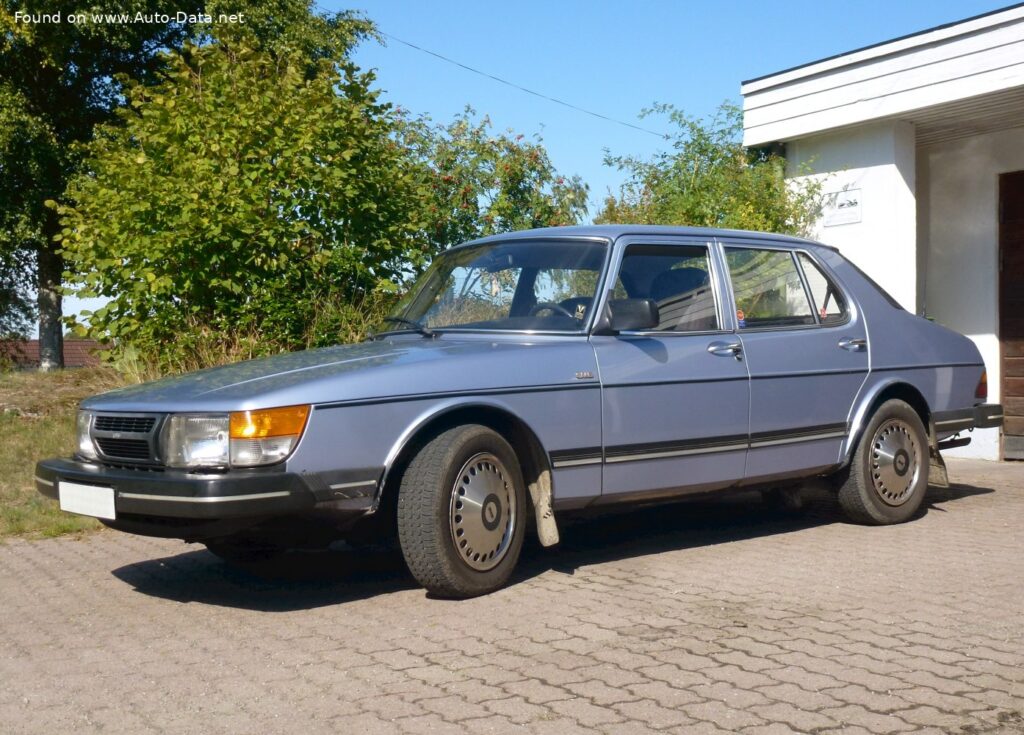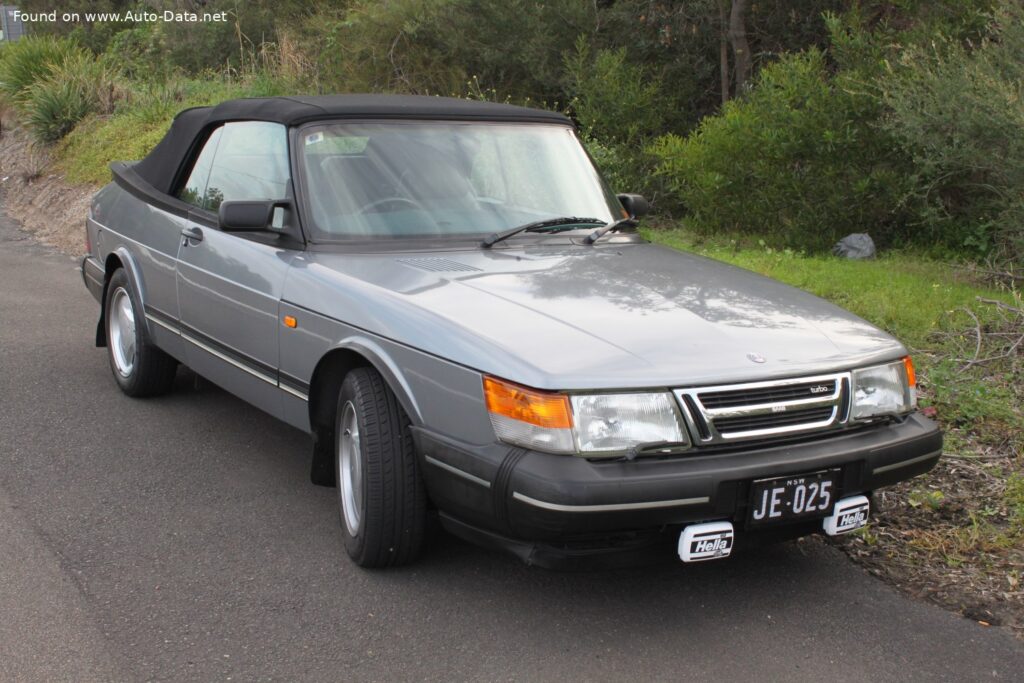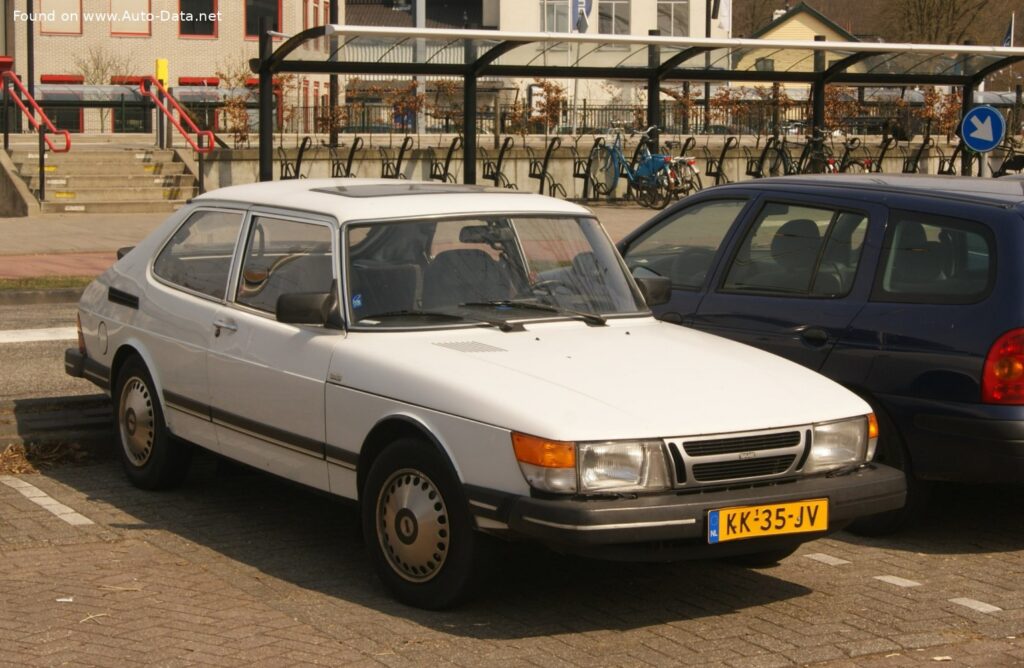
The Saab 900, particularly the first generation (1979-1986) Combi Coupe 2.0 c, represents a distinctive chapter in automotive history. Launched as a replacement for the long-running Saab 96, the 900 aimed to modernize the brand while retaining the quirky engineering and safety focus that defined Saab. The Combi Coupe, a five-door liftback, was a key variant, offering increased practicality without sacrificing the 900’s unique character. While Saab never achieved mainstream sales volumes in the United States, the 900 cultivated a loyal following among enthusiasts who appreciated its unconventional design, robust construction, and driver-focused experience. This model, with its 2.0-liter engine producing 100 horsepower, was a popular choice for those seeking a blend of Scandinavian practicality and spirited driving.
The Saab 900 I Combi Coupe: A Legacy of Innovation
The original Saab 900, encompassing the models produced from 1979 to 1986, marked a significant departure from its predecessor. While the 96 was known for its Ford Taunus-derived engine and somewhat rudimentary design, the 900 boasted a completely new platform and a more modern aesthetic. The Combi Coupe body style, introduced shortly after the initial 900 launch, was particularly innovative. It offered the versatility of a station wagon with the sleek profile of a coupe, a combination rarely seen at the time. This design, along with the 900’s emphasis on safety and aerodynamic efficiency, helped establish Saab as a brand known for its forward-thinking approach to automotive engineering.
Engineering Philosophy
Saab’s engineering philosophy during the 900’s development centered around safety, aerodynamics, and driver comfort. The car featured a robust safety cell, designed to protect occupants in the event of a collision. Aerodynamic considerations were also paramount, influencing the car’s shape and contributing to its relatively low drag coefficient for the era. Furthermore, Saab prioritized the driving experience, focusing on visibility, ergonomics, and a responsive chassis. This commitment to driver-centric design set the 900 apart from many of its competitors.
Engine & Performance
The Saab 900 I Combi Coupe 2.0 c was powered by the B201 engine, a naturally aspirated 2.0-liter inline-four cylinder gasoline engine. This engine produced 100 horsepower, providing adequate performance for the time. While not a powerhouse, the B201 was known for its durability and smooth operation. Power was delivered to the front wheels via a four-speed manual or three-speed automatic transmission. The engine’s relatively modest output, combined with the car’s weight, resulted in a 0-60 mph time of around 12-13 seconds, and a top speed of approximately 105 mph. The engine’s torque characteristics favored mid-range responsiveness, making it well-suited for everyday driving. The B201 engine was a significant improvement over the older engines used in the Saab 96, offering increased refinement and reliability.
The 900’s suspension system consisted of independent front suspension with MacPherson struts and a solid axle rear suspension. This setup provided a comfortable ride while maintaining reasonable handling characteristics. The steering was rack and pinion, offering precise control and feedback. While not a sports car, the 900 Combi Coupe offered a surprisingly engaging driving experience, particularly for those accustomed to more conventional vehicles.
Design & Features
The Saab 900 I Combi Coupe’s design was instantly recognizable, characterized by its wedge-shaped profile, large glass areas, and distinctive front grille. The five-door liftback configuration provided easy access to the spacious cargo area, making it a practical choice for families and those with active lifestyles. The interior was functional and ergonomically designed, with a focus on driver comfort. The dashboard featured a clean layout with clearly labeled controls.
Safety features were a key selling point of the 900. The car’s robust safety cell, combined with reinforced side impact protection, provided a high level of occupant protection. Other notable features included ventilated front disc brakes, a heated rear window, and a comprehensive ventilation system. The 900 also featured a unique ignition key placement, located between the front seats, a design intended to enhance safety by reducing knee injuries in the event of a collision. While seemingly minor, these details underscored Saab’s commitment to innovative and safety-conscious design.
The Combi Coupe’s liftback design offered a significant advantage in terms of cargo capacity and versatility. The rear seats could be folded down to create a large, flat cargo area, capable of accommodating a wide range of items. This practicality, combined with the car’s distinctive styling, made it a popular choice among those seeking a vehicle that was both stylish and functional.
Technical Specifications
| Brand | Saab |
| Model | 900 |
| Generation | 900 I Combi Coupe |
| Type (Engine) | 2.0 c (100 Hp) |
| Start of production | 1979 |
| End of production | 1986 |
| Powertrain Architecture | Internal Combustion engine |
| Body type | Liftback |
| Seats | 5 |
| Doors | 3-5 |
| Fuel Type | Petrol (Gasoline) |
| Power | 100 Hp |
| Engine Model/Code | B201 |
| Engine aspiration | Naturally aspirated engine |
| Engine oil capacity | 3.8 l / 4.02 US qt | 3.34 UK qt |
| Coolant capacity | 10 l / 10.57 US qt | 8.8 UK qt |