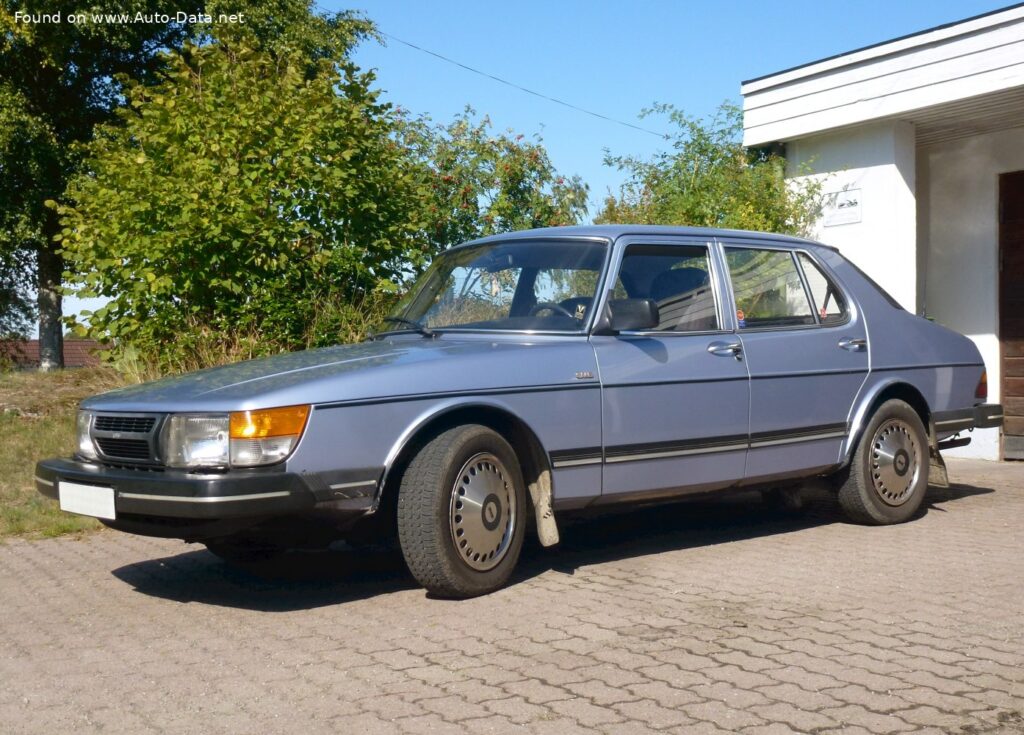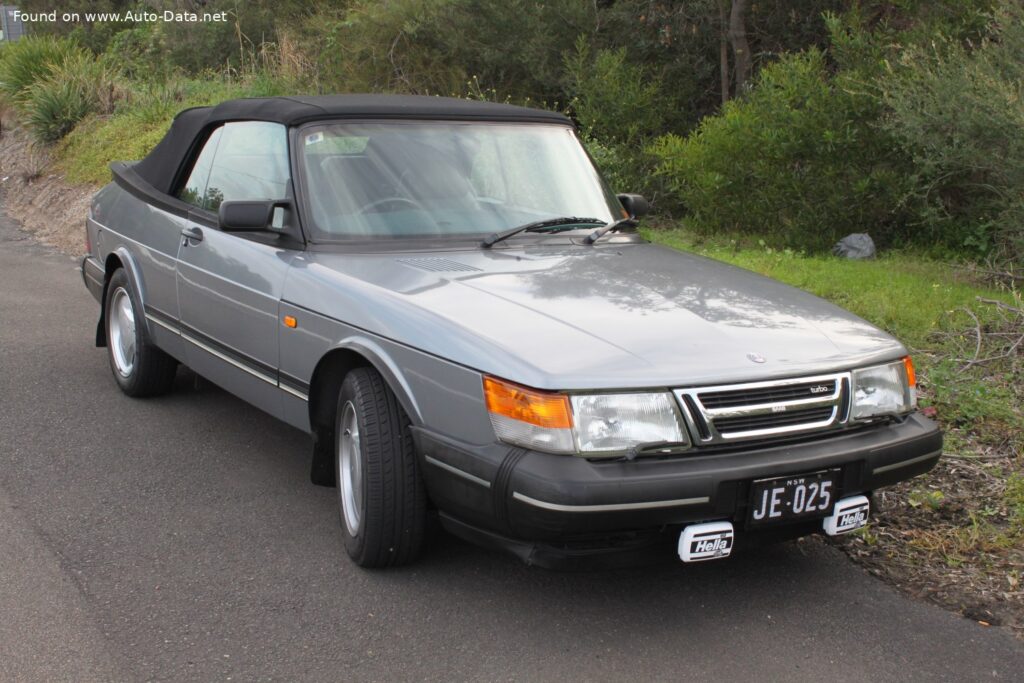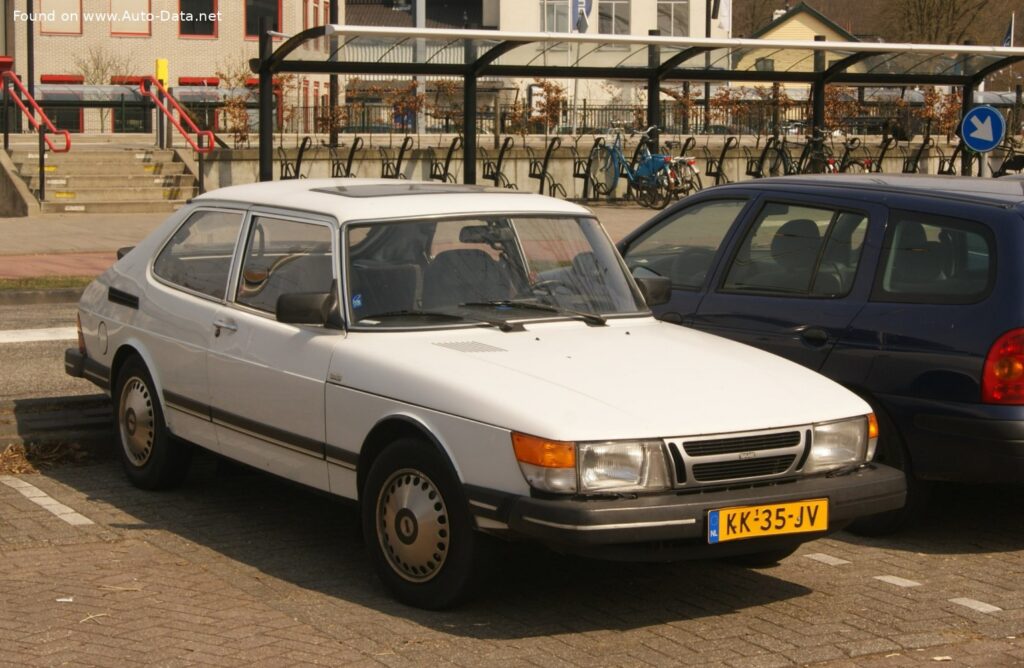
The Saab 900, particularly the first generation (1978-1987) and specifically the Combi Coupe variant, represents a pivotal moment in the Swedish automaker’s history. Introduced as a replacement for the long-running Saab 96, the 900 aimed to modernize the brand while retaining its reputation for safety, innovation, and quirky design. The Combi Coupe, a five-door liftback, was a particularly significant addition, offering a practical and stylish alternative to traditional sedans and wagons. While Saab never achieved massive sales volumes in the United States, the 900 cultivated a devoted following among enthusiasts who appreciated its unique character and engineering. The 2.0 c model, producing 108 horsepower, was a common iteration, balancing performance with fuel economy for the European market.
The Saab 900 I Combi Coupe: A Legacy of Innovation
The original Saab 900, designated the 900 I, was a clean-sheet design, though it built upon the aerodynamic principles pioneered in earlier Saab models. It represented a significant leap forward in terms of comfort, safety, and refinement compared to the 96. The Combi Coupe body style, launched in 1980, was a key differentiator. It wasn’t simply a wagon; the extended roofline and large rear hatch created a versatile and visually distinctive vehicle. The Saab 900 I was sold primarily in Europe and Australia, with limited imports to the United States beginning in 1980. Its appeal lay in its unconventional approach to automotive design and its focus on driver-centric ergonomics.
Engine & Performance
The 2.0 c variant of the Saab 900 I Combi Coupe was powered by the B201 engine, a naturally aspirated 2.0-liter inline-four cylinder gasoline engine. This engine produced 108 horsepower, providing adequate performance for the time. While not a sports car, the 900 offered a responsive driving experience, aided by its relatively lightweight construction and well-tuned suspension. The engine featured a Bosch K-Jetronic fuel injection system, which was considered advanced for its era, contributing to improved fuel efficiency and reduced emissions compared to carbureted engines. The B201 was known for its durability and relatively simple maintenance requirements. Power was delivered to the front wheels via a four-speed manual or three-speed automatic transmission. The 2.0 c model wasn’t about outright speed; it prioritized usability and a comfortable cruising experience. Acceleration from 0 to 60 mph was typically around 11-12 seconds, and top speed was approximately 105 mph. The engine’s torque characteristics were well-suited to everyday driving, providing sufficient pulling power for overtaking and hill climbing.
Design & Features
The Saab 900 I Combi Coupe’s design was instantly recognizable. Its aerodynamic shape, characterized by a sloping hood, wraparound windshield, and distinctive rear end, set it apart from its contemporaries. The five-door liftback configuration offered exceptional practicality, with a large cargo area accessible through the rear hatch. Inside, the 900 featured a driver-focused cockpit with ergonomically designed seats and controls. Saab was renowned for its attention to driver comfort and visibility. The dashboard layout was functional and straightforward, prioritizing ease of use. Safety was a paramount concern for Saab, and the 900 incorporated several advanced safety features for its time, including a reinforced safety cage, side impact protection, and a collapsible steering column. The ventilation system was particularly noteworthy, featuring a pollen filter to provide clean air for occupants. Other features included power-assisted steering, front disc brakes, and a basic sound system. The interior materials were durable and practical, reflecting the car’s Swedish origins. The Combi Coupe’s design wasn’t about flashy aesthetics; it was about functionality, safety, and a unique, understated style.
Technical Specifications: Saab 900 I Combi Coupe 2.0 c (108 Hp)
| Brand | Saab |
| Model | 900 |
| Generation | 900 I Combi Coupe |
| Type (Engine) | 2.0 c (108 Hp) |
| Start of production | 1978 |
| End of production | 1984 |
| Powertrain Architecture | Internal Combustion engine |
| Body type | Liftback |
| Seats | 5 |
| Doors | 3-5 |
| Fuel Type | Petrol (Gasoline) |
| Power | 108 Hp |
| Engine Model/Code | B201 |
| Engine aspiration | Naturally aspirated engine |
| Engine oil capacity | 3.8 l / 4.02 US qt | 3.34 UK qt |
| Coolant capacity | 10 l / 10.57 US qt | 8.8 UK qt |
The Saab 900 I Combi Coupe, particularly the 2.0 c model, remains a beloved classic among automotive enthusiasts. Its unique design, practical features, and focus on driver comfort and safety have ensured its enduring appeal. While it may not have been a mainstream success in the United States, the 900 established Saab as a brand known for its individuality and engineering excellence. The Combi Coupe variant, with its versatile liftback body style, further cemented the 900’s reputation as a practical and stylish alternative to conventional cars. The B201 engine, while not particularly powerful by modern standards, provided reliable and efficient performance, making the 900 a comfortable and enjoyable vehicle to drive. Today, well-maintained examples of the Saab 900 I Combi Coupe are highly sought after by collectors and enthusiasts who appreciate its unique character and historical significance.
The Saab 900 I’s influence can be seen in subsequent Saab models and even in the designs of other automakers. Its emphasis on aerodynamics, safety, and driver ergonomics helped to shape the development of modern automobiles. The Combi Coupe body style, in particular, paved the way for the popularity of liftback designs, which are now common in a wide range of vehicles. The Saab 900 I Combi Coupe 2.0 c represents a high point in Saab’s history, a testament to the company’s commitment to innovation and its unwavering focus on the driver.