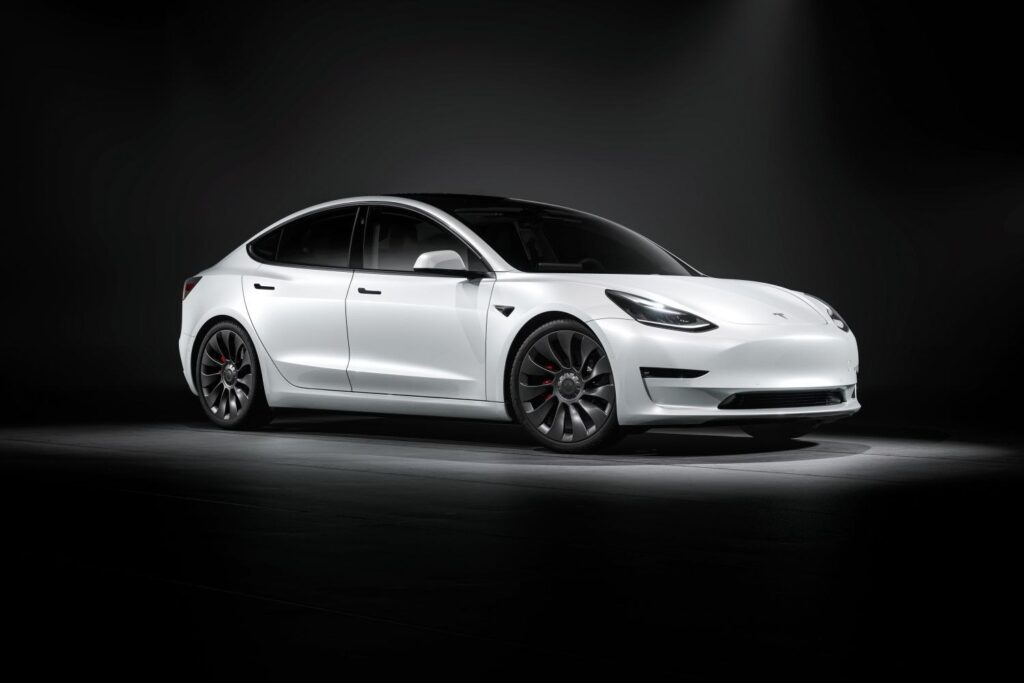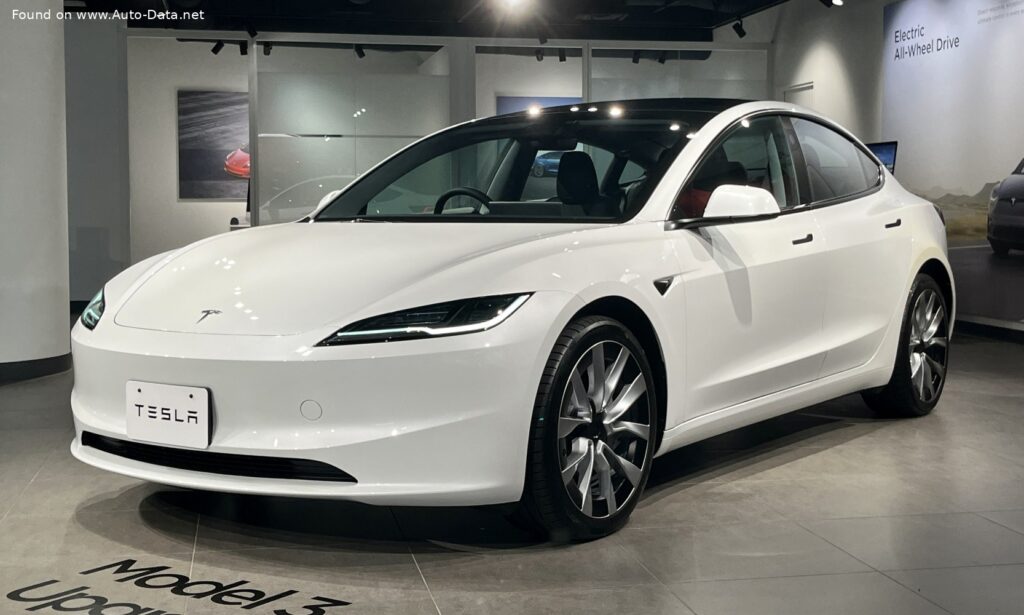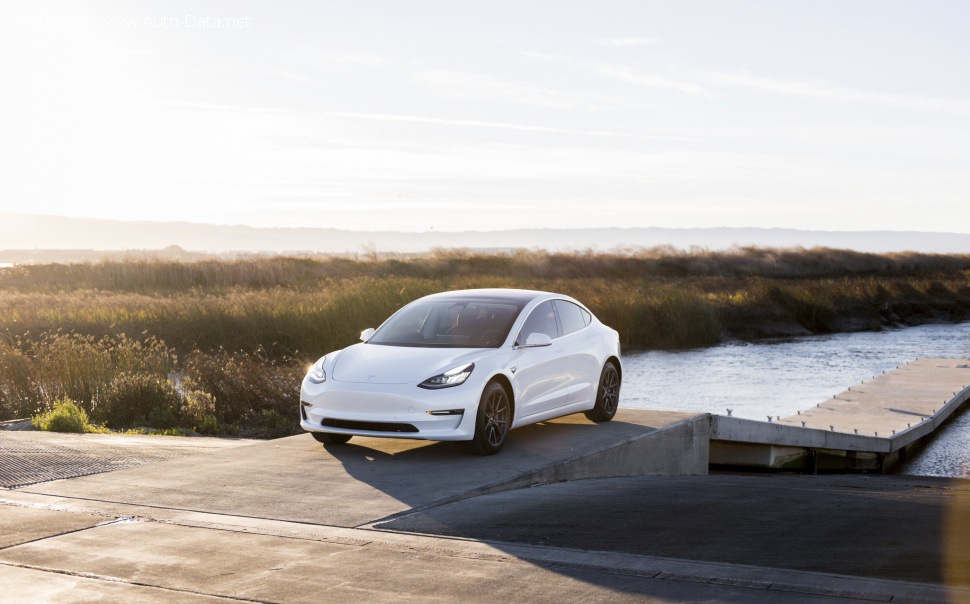
The Tesla Model 3 Standard Range, produced from June 2019 to 2020, represents a pivotal entry point into the Tesla lineup and the broader electric vehicle (EV) market. Positioned as a compact executive sedan, the Model 3 aimed to democratize electric vehicle ownership by offering a more affordable option compared to the Model S, while still delivering Tesla’s signature performance and technology. This variant, equipped with a 68.3 kWh battery pack and a single-motor rear-wheel-drive configuration, played a crucial role in establishing Tesla as a mainstream automotive manufacturer, particularly in North America and Europe.
Tesla Model 3 Standard Range: An Overview
The Model 3 was Tesla’s first mass-market vehicle, designed with a focus on simplicity, efficiency, and a compelling driving experience. The Standard Range model specifically targeted buyers seeking a practical and environmentally conscious daily driver. It distinguished itself from higher-trim Model 3 variants through its single-motor setup, offering a balance between range, performance, and cost. The vehicle’s fastback sedan body style contributed to its aerodynamic efficiency, maximizing range and minimizing drag. It quickly became a popular choice for those transitioning to electric mobility.
Engine & Performance
The Tesla Model 3 Standard Range is powered by a single electric motor located on the rear axle. This motor delivers a peak power output of 325 horsepower (Hp) at 5525 rpm and 420 Nm (309.78 lb.-ft.) of torque available from 325 to 5200 rpm. This configuration provides brisk acceleration, with a 0-60 mph time of approximately 5.3 seconds, as calculated by Auto-Data.net, and a 0-62 mph (0-100 km/h) time of 5.6 seconds. The vehicle boasts a maximum speed of 225 km/h (139.81 mph). The powertrain architecture is a Battery Electric Vehicle (BEV), relying solely on electricity for propulsion. The weight-to-power ratio is 5 kg/Hp, or 202 Hp/tonne, contributing to its responsive handling. The gross battery capacity is 68.3 kWh, providing an all-electric range of 409 km (254.14 miles).
Design & Features
The Model 3 features a minimalist and modern design, both externally and internally. Its fastback sedan body style emphasizes aerodynamic efficiency, while the clean lines and lack of traditional grilles contribute to its distinctive appearance. The interior is characterized by a large, centrally-mounted touchscreen that controls most vehicle functions, minimizing physical buttons and switches. The vehicle comfortably seats five passengers and offers a trunk (boot) space of 425 liters (15.01 cu. ft.). Safety features were a key consideration in the Model 3’s design, incorporating a robust safety cell and advanced driver-assistance systems (ADAS) such as ABS (Anti-lock braking system). The vehicle’s design prioritized both aesthetics and functionality, creating a spacious and comfortable cabin despite its compact exterior dimensions. The Model 3’s over-the-air software updates allowed for continuous improvement and the addition of new features throughout its lifespan.
Technical Specifications
| Brand | Tesla |
| Model | Model 3 |
| Generation | Model 3 |
| Type (Engine) | Standard Range 68.3 kWh (325 Hp) |
| Start of production | June, 2019 |
| End of production | 2020 |
| Powertrain Architecture | BEV (Electric Vehicle) |
| Body type | Sedan, Fastback |
| Seats | 5 |
| Doors | 4 |
| Fuel Type | Electricity |
| Acceleration 0 – 100 km/h | 5.6 sec |
| Acceleration 0 – 62 mph | 5.6 sec |
| Acceleration 0 – 60 mph | 5.3 sec |
| Maximum speed | 225 km/h (139.81 mph) |
| Weight-to-power ratio | 5 kg/Hp, 202 Hp/tonne |
| Gross battery capacity | 68.3 kWh |
| All-electric range | 409 km (254.14 mi) |
| Electric motor power | 325 Hp @ 5525 rpm |
| Electric motor Torque | 420 Nm @ 325-5200 rpm (309.78 lb.-ft. @ 325-5200 rpm) |
| Electric motor location | Rear axle, Transverse |
| System power | 325 Hp |
| Kerb Weight | 1609 kg (3547.24 lbs) |
| Max. weight | 2060 kg (4541.52 lbs) |
| Max load | 451 kg (994.28 lbs) |
| Trunk (boot) space – minimum | 425 l (15.01 cu. ft) |
| Length | 4694 mm (184.8 in) |
| Width | 1849 mm (72.8 in) |
| Width with mirrors folded | 1933 mm (76.1 in) |
| Width including mirrors | 2088 mm (82.2 in) |
| Height | 1443 mm (56.81 in) |
| Wheelbase | 2875 mm (113.19 in) |
| Front track | 1580 mm (62.2 in) |
| Rear (Back) track | 1580 mm (62.2 in) |
| Front overhang | 841 mm (33.11 in) |
| Rear overhang | 978 mm (38.5 in) |
| Ride height (ground clearance) | 140 mm (5.51 in) |
| Minimum turning circle (turning diameter) | 11.8 m (38.71 ft) |
| Drivetrain Architecture | One electric motor drives the rear wheels |
| Drive wheel | Rear wheel drive |
| Number of gears and type of gearbox | 1 gears, automatic transmission |
| Front suspension | Double wishbone |
| Rear suspension | Independent multi-link suspension |
| Front brakes | Ventilated discs, 320×25 mm |
| Rear brakes | Ventilated discs, 335×20 mm |
| Assisting systems | ABS (Anti-lock braking system) |
| Steering type | Steering rack and pinion |
| Power steering | Electric Steering |
| Tires size | P235/45 R18; P235/40 R19; P235/35 R20; 245/35 ZR20 |
| Wheel rims size | 8.5J x 18; 8.5J x 19; 8.5J x 20 |
The Tesla Model 3 Standard Range, despite its relatively short production run in this specific configuration, left a significant mark on the automotive industry. It demonstrated the viability of affordable electric vehicles and paved the way for wider EV adoption. Its combination of performance, technology, and practicality made it a compelling alternative to traditional gasoline-powered vehicles, solidifying Tesla’s position as a leader in the electric vehicle revolution.