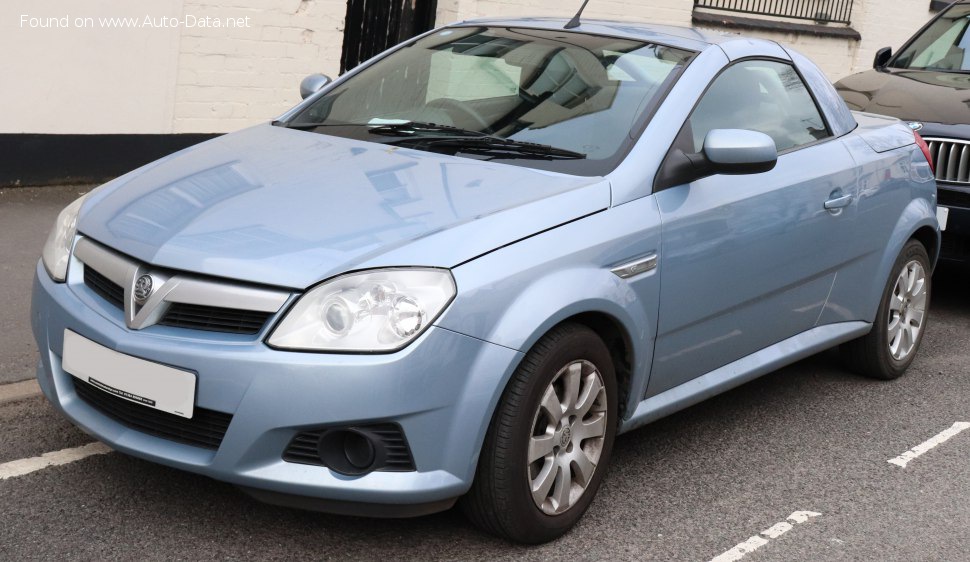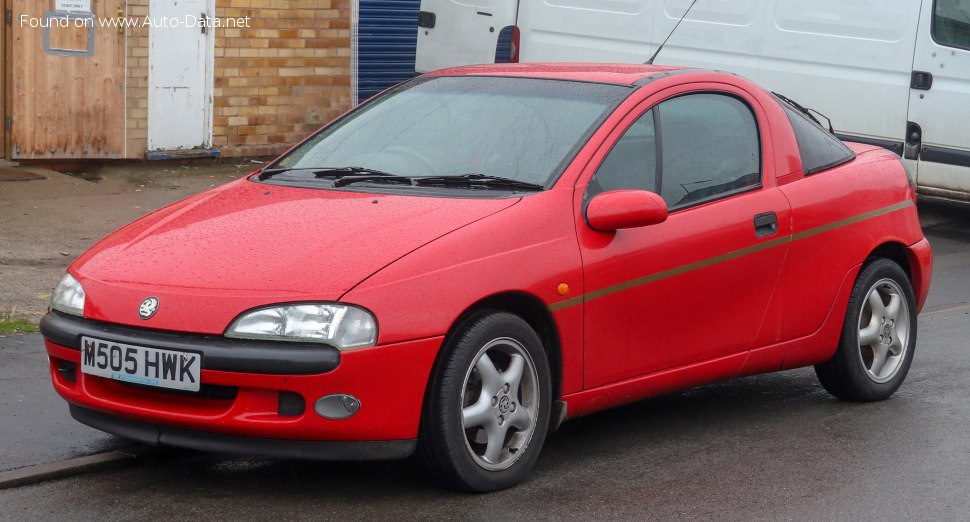
The Vauxhall Tigra Mk I, produced between 1994 and 2000, was a small, sporty coupe aimed at the affordable end of the market. Developed as a more stylish and driver-focused alternative to mainstream hatchbacks, the Tigra was based on the Corsa B platform. While not officially sold in the United States, it was a popular choice in Europe, particularly for younger drivers seeking an attractive and relatively inexpensive vehicle. The Tigra Mk I represented Vauxhall’s attempt to capitalize on the growing demand for compact coupes, offering a blend of practicality and sporty aesthetics.
Vauxhall Tigra Mk I: Overview and Market Position
The Tigra Mk I occupied a niche market segment, competing with vehicles like the Peugeot 106 XSi and Renault 5 GT Turbo. It distinguished itself with its distinctive, rounded styling and a focus on providing a fun driving experience. Vauxhall, as a British brand under General Motors ownership, aimed the Tigra at buyers who wanted a car that looked good and was enjoyable to drive, without the high price tag of more established sports coupes. The car’s design prioritized aesthetics, resulting in a relatively small interior and limited rear passenger space, characteristics typical of the coupe segment.
Engine & Performance
The 1.4 16V engine powering the Tigra Mk I produced 90 horsepower at 6000 rpm and 125 Nm (92.2 lb.-ft.) of torque at 4000 rpm. This naturally aspirated, inline-four cylinder engine, designated X14XE, featured multi-port fuel injection and a double overhead camshaft (DOHC) valvetrain. While not exceptionally powerful, the engine provided adequate performance for its intended purpose, delivering a 0-60 mph time of approximately 13.3 seconds and a top speed of 113.09 mph (182 km/h). The four-speed automatic transmission, while offering convenience, did slightly impact acceleration compared to the available five-speed manual gearbox. The engine’s power-to-weight ratio of 10.9 kg/Hp and torque-to-weight ratio of 7.8 kg/Nm contributed to a reasonably responsive driving experience. Fuel economy was rated at 8.4 l/100 km (28 US mpg) combined, a typical figure for a vehicle of this type and era.
Design & Features
The Tigra Mk I’s most striking feature was its distinctive coupe body style. The rounded roofline and integrated rear spoiler gave it a modern and sporty appearance. The car was a three-door model with seating for four, although rear passenger space was limited. Interior features were relatively basic, reflecting the car’s affordable price point. Standard equipment typically included power steering, ventilated front disc brakes, and an Anti-lock Braking System (ABS). Safety features, while present, were limited by the standards of the 1990s. The focus was more on providing an aesthetically pleasing and enjoyable driving experience than on advanced safety technology. The trunk offered a usable 215-425 liters (7.59-15.01 cu. ft.) of space, depending on the rear seats’ configuration. The Tigra’s design prioritized form over ultimate practicality, making it a stylish choice for those who didn’t require a large amount of passenger or cargo space.
Technical Specifications
| Brand | Vauxhall |
| Model | Tigra |
| Generation | Tigra Mk I |
| Type (Engine) | 1.4 16V (90 Hp) Automatic |
| Start of production | 1994 |
| End of production | 2000 |
| Powertrain Architecture | Internal Combustion engine |
| Body type | Coupe |
| Seats | 4 |
| Doors | 3 |
| Fuel consumption (urban) | 11.4 l/100 km (20.6 US mpg) |
| Fuel consumption (extra urban) | 6.4 l/100 km (36.8 US mpg) |
| Fuel consumption (combined) | 8.4 l/100 km (28 US mpg) |
| Fuel Type | Petrol (Gasoline) |
| Acceleration 0 – 100 km/h | 14 sec |
| Acceleration 0 – 62 mph | 14 sec |
| Acceleration 0 – 60 mph | 13.3 sec |
| Maximum speed | 182 km/h (113.09 mph) |
| Weight-to-power ratio | 10.9 kg/Hp |
| Weight-to-torque ratio | 7.8 kg/Nm |
| Power | 90 Hp @ 6000 rpm |
| Torque | 125 Nm @ 4000 rpm (92.2 lb.-ft. @ 4000 rpm) |
| Engine layout | Front, Transverse |
| Engine Model/Code | X14XE |
| Engine displacement | 1389 cm3 (84.76 cu. in.) |
| Number of cylinders | 4 |
| Engine configuration | Inline |
| Compression ratio | 10:1 |
| Number of valves per cylinder | 4 |
| Fuel injection system | Multi-port manifold injection |
| Engine aspiration | Naturally aspirated |
| Engine oil capacity | 3.5 l (3.7 US qt | 3.08 UK qt) |
| Coolant capacity | 5.6 l (5.92 US qt | 4.93 UK qt) |
| Kerb Weight | 980 kg (2160.53 lbs.) |
| Max. weight | 1330 kg (2932.15 lbs.) |
| Max load | 350 kg (771.62 lbs.) |
| Trunk (boot) space – minimum | 215 l (7.59 cu. ft.) |
| Trunk (boot) space – maximum | 425 l (15.01 cu. ft.) |
| Fuel tank capacity | 46 l (12.15 US gal | 10.12 UK gal) |
| Length | 3922 mm (154.41 in.) |
| Width including mirrors | 1812 mm (71.34 in.) |
| Height | 1340 mm (52.76 in.) |
| Wheelbase | 2443 mm (96.18 in.) |
| Drag coefficient (Cd) | 0.31 |
| Drivetrain Architecture | ICE, Front Wheel Drive |
| Drive wheel | Front wheel drive |
| Number of gears and type of gearbox | 4 gears, automatic transmission |
| Front brakes | Ventilated discs |
| Rear brakes | Drum |
| Assisting systems | ABS (Anti-lock braking system) |
| Steering type | Steering rack and pinion |
| Power steering | Hydraulic |
| Tires size | 175/65 R14 |
| Wheel rims size | 14 |
The Vauxhall Tigra Mk I, despite its limited practicality, remains a fondly remembered vehicle for its stylish design and enjoyable driving characteristics. It represents a specific era of affordable, sporty coupes that appealed to a generation of drivers seeking a vehicle that stood out from the crowd.