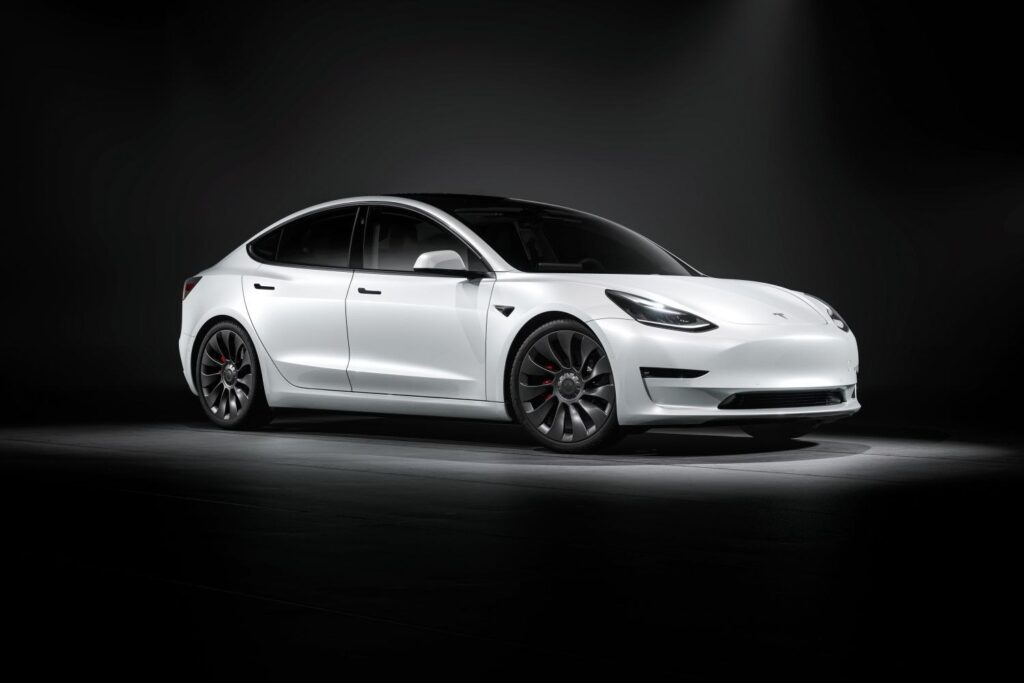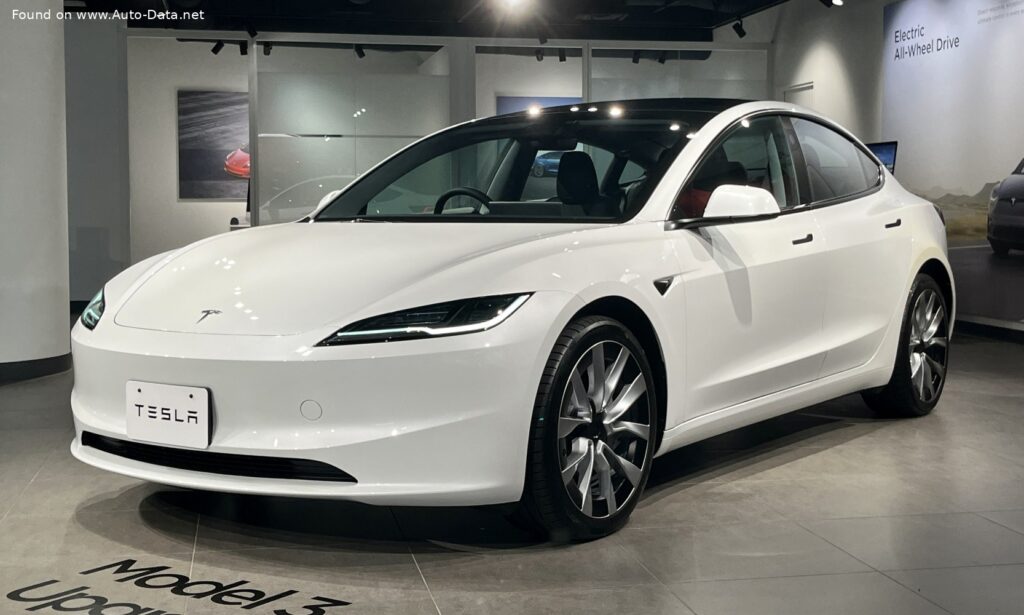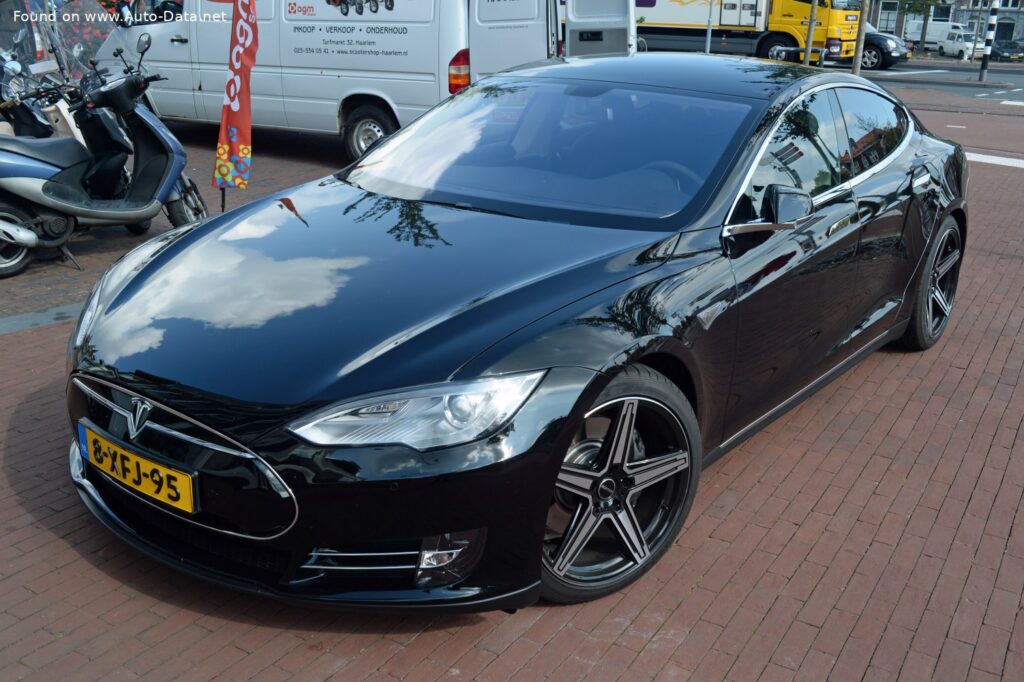
The Tesla Model S 60, produced from April 2012 to June 2015, represents a pivotal moment in the automotive industry. As the first mass-produced all-electric sedan, the Model S 60 challenged conventional notions of luxury, performance, and sustainability. Positioned in the premium large car segment, it aimed to deliver a compelling alternative to established gasoline-powered vehicles, offering a blend of long-range capability, brisk acceleration, and advanced technology. The “60” designation refers to the battery pack capacity in kilowatt-hours (kWh), influencing the vehicle’s range and performance characteristics. This model served as a crucial stepping stone for Tesla, establishing the brand and demonstrating the viability of electric vehicles to a wider audience.
Tesla Model S 60: A Technological Leap
The Model S 60 was a groundbreaking vehicle, introducing a new paradigm for electric vehicle design and functionality. Unlike earlier electric cars that often compromised on space or performance, the Model S was designed from the ground up as an electric vehicle, allowing for optimal packaging and efficiency. Its liftback body style offered a unique combination of sedan elegance and hatchback practicality, providing ample cargo space. The vehicle’s interior was minimalist yet luxurious, dominated by a large central touchscreen that controlled most vehicle functions. This touchscreen interface, a hallmark of Tesla design, became a defining feature and influenced the industry as a whole.
Engine & Performance
The Tesla Model S 60 is powered by a single rear-mounted electric motor producing 302 horsepower and 430 Newton-meters (317.15 lb.-ft.) of torque. This powertrain delivers instant torque, resulting in quick acceleration. The 0-60 mph sprint takes approximately 5.9 seconds, and 0-100 km/h is achieved in 6.2 seconds. The top speed is electronically limited to 193 km/h (119.92 mph). The 60 kWh lithium-ion battery pack, located beneath the floor of the vehicle, provides an all-electric range of approximately 335 kilometers (208.16 miles) under typical driving conditions. Energy consumption is rated at 21.7 kWh per 100 kilometers (34.92 kWh per 100 miles), equating to 96 MPGe (miles per gallon equivalent) and 4.6 km/kWh (2.9 mi/kWh). The single-speed automatic transmission ensures smooth and seamless power delivery.
Design & Features
The Model S 60 features a sleek and aerodynamic liftback design, contributing to its efficiency and range. The vehicle seats up to seven passengers, offering a spacious and comfortable cabin. Key features include a panoramic glass roof, regenerative braking, and over-the-air software updates, which allowed Tesla to continuously improve the vehicle’s functionality and performance even after purchase. Safety was also a priority, with the Model S 60 incorporating advanced safety features such as anti-lock brakes (ABS) and a robust structural design. The vehicle’s low center of gravity, due to the battery pack’s placement, contributes to its stable handling characteristics. The Model S 60’s design prioritized both aesthetics and functionality, creating a vehicle that was both visually appealing and practical for everyday use.
Technical Specifications
| Brand | Tesla |
| Model | Model S |
| Generation | Model S |
| Type (Engine) | 60 60 kWh (302 Hp) |
| Start of production | April, 2012 |
| End of production | June, 2015 |
| Powertrain Architecture | BEV (Electric Vehicle) |
| Body type | Liftback |
| Seats | 7 |
| Doors | 5 |
| Fuel Type | Electricity |
| Acceleration 0 – 100 km/h | 6.2 sec |
| Acceleration 0 – 62 mph | 6.2 sec |
| Acceleration 0 – 60 mph | 5.9 sec |
| Maximum speed | 193 km/h (119.92 mph) |
| Weight-to-power ratio | 6.6 kg/Hp, 151.1 Hp/tonne |
| Weight-to-torque ratio | 4.6 kg/Nm, 215.1 Nm/tonne |
| Gross battery capacity | 60 kWh |
| Battery voltage | 366 V |
| Battery technology | Lithium-ion (Li-Ion) |
| Battery location | Below the floor |
| All-electric range | 335 km (208.16 mi) |
| Average Energy consumption | 21.7 kWh/100 km (34.92 kWh/100 mi) |
| MPGe | 96 |
| km/kWh | 4.6 |
| mi/kWh | 2.9 |
| Electric motor power | 302 Hp @ 5000-8000 rpm |
| Electric motor Torque | 430 Nm @ 0-5000 rpm (317.15 lb.-ft. @ 0-5000 rpm) |
| Maximum revolutions of the electric motor | 16000 rpm |
| Electric motor location | Rear axle, Transverse |
| System power | 302 Hp @ 5000-8000 rpm |
| System torque | 430 Nm @ 0-5000 rpm (317.15 lb.-ft. @ 0-5000 rpm) |
| Kerb Weight | 1999 kg (4407.04 lbs) |
| Max. weight | 2590 kg (5709.97 lbs) |
| Max load | 591 kg (1302.93 lbs) |
| Trunk (boot) space – minimum | 745 l (26.31 cu. ft) |
| Trunk (boot) space – maximum | 1645 l (58.09 cu. ft) |
| Max. roof load | 75 kg (165.35 lbs) |
| Length | 4970 mm (195.67 in) |
| Width | 1963 mm (77.28 in) |
| Width including mirrors | 2189 mm (86.18 in) |
| Height | 1427 mm (56.18 in) |
| Wheelbase | 2960 mm (116.54 in) |
| Front track | 1661 mm (65.39 in) |
| Rear (Back) track | 1699 mm (66.89 in) |
| Front overhang | 929 mm (36.57 in) |
| Rear overhang | 1080 mm (42.52 in) |
| Ride height (ground clearance) | 155 mm (6.1 in) |
| Drag coefficient (Cd) | 0.24 |
| Minimum turning circle (turning diameter) | 11.3 m (37.07 ft) |
| Drivetrain Architecture | One electric motor drives the rear wheels |
| Drive wheel | Rear wheel drive |
| Number of gears and type of gearbox | 1 gears, automatic transmission |
| Front suspension | Double wishbone, Transverse stabilizer |
| Rear suspension | Independent multi-link suspension |
| Front brakes | Ventilated discs, 355×32 mm |
| Rear brakes | Ventilated discs, 365×28 mm |
| Assisting systems | ABS (Anti-lock braking system) |
| Steering type | Steering rack and pinion |
| Power steering | Electric Steering |
| Tires size | Front wheel tires: 245/45 R19; 245/35 R21Rear wheel tires: 245/45 R19; 245/35 R21; 265/35 R21 |
| Wheel rims size | Front wheel rims: 8J x 19; 8.5J x 21Rear wheel rims: 8J x 19; 8.5J x 21; 9J x 21 |
The Tesla Model S 60 was more than just a car; it was a statement. It demonstrated that electric vehicles could be desirable, high-performing, and practical, paving the way for the widespread adoption of electric mobility. Its innovative technology, combined with its luxurious design and long-range capability, established Tesla as a major player in the automotive industry and continues to influence the development of electric vehicles today.