
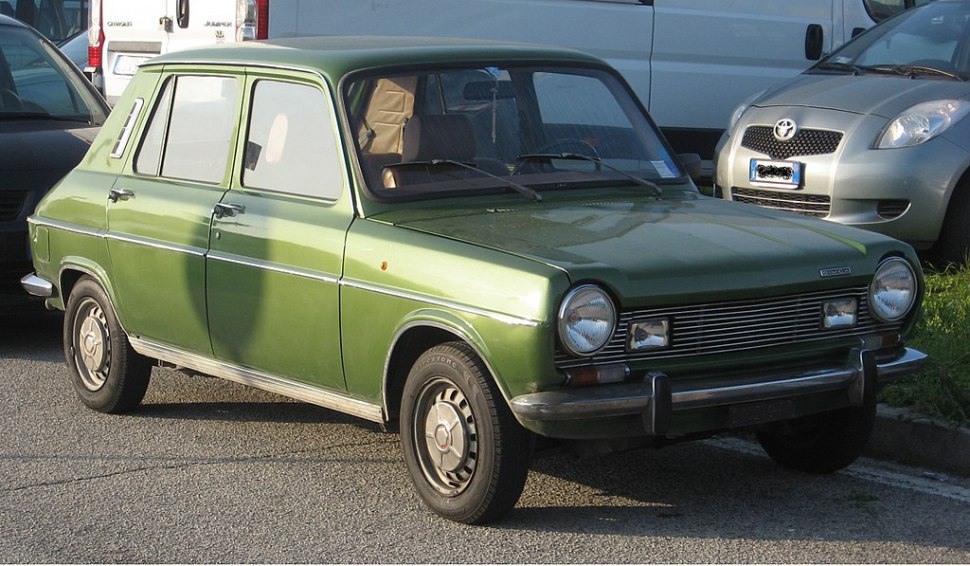
The Talbot Simca 1100 was a small family car produced between 1967 and 1981, initially by Simca, and later by Chrysler Europe and finally Talbot. The model underwent several iterations, but the 1100 Hatchback, particularly the 0.9 LE variant produced from 1976 to 1980, represents a significant refinement of the original design. This vehicle was primarily aimed at the European market, offering a practical and economical transportation solution during a period of rising fuel costs and increasing demand for compact cars. While never officially sold in the United States, the 1100’s engineering and design influenced small car development in Europe and beyond. The 0.9 LE trim level signified a slightly more equipped version of the base model, appealing to buyers seeking a balance of affordability and comfort.
The Talbot Simca 1100 Hatchback: A European Compact
The Talbot Simca 1100 emerged from a period of significant change for Simca, a French automaker acquired by Chrysler in 1958. The 1100 was originally conceived as a replacement for the Simca 1000, aiming to offer a more modern and spacious vehicle. The hatchback body style, relatively uncommon at the time of its introduction in 1967, provided enhanced practicality and cargo capacity compared to traditional saloon (sedan) designs. Following Chrysler’s financial difficulties, the European operations, including Simca, were sold to Peugeot S.A. in 1978, leading to the rebranding as Talbot. The 1100 continued in production under the Talbot name until 1981, with the 0.9 LE representing one of the final iterations of this popular model.
Origins and Market Position
The Simca 1100 was designed to compete in the burgeoning European small family car segment, facing rivals such as the Renault 5, Fiat 127, and Ford Fiesta. Its key strengths lay in its spacious interior, comfortable ride, and relatively sophisticated engineering for its price point. The hatchback configuration was a major selling point, offering greater versatility than many of its competitors. The 0.9 LE trim level, introduced later in the production run, added features like improved interior trim and potentially additional equipment to enhance its appeal. The car was a common sight on European roads throughout the 1970s, known for its reliability and affordability.
Engine & Performance
The Talbot Simca 1100 Hatchback 0.9 LE was powered by a 935cc, inline-four cylinder, naturally aspirated gasoline engine. This engine produced 47 horsepower, which, while modest by modern standards, was adequate for the vehicle’s weight and intended purpose. The engine featured a single overhead camshaft and a two-barrel carburetor. The powertrain was designed for fuel efficiency and reliability rather than outright performance. The engine was mounted transversely at the front of the vehicle, driving the front wheels – a configuration that was becoming increasingly common in small European cars during this period.
Performance figures were typical for a small car of the era. Acceleration was leisurely, with a 0 to 60 mph time estimated to be around 16-18 seconds. Top speed was approximately 85-90 mph. However, the 1100 was not intended to be a sports car; its focus was on providing comfortable and economical transportation. The four-speed manual transmission offered precise shifts, and the front-wheel-drive layout contributed to good handling and traction in various weather conditions. The relatively light weight of the vehicle helped to offset the modest power output, making it reasonably nimble in urban environments.
Design & Features
The Talbot Simca 1100 Hatchback featured a distinctive, though somewhat boxy, design. The hatchback body style provided a large rear opening for easy access to the cargo area. The car’s overall dimensions were compact, making it easy to maneuver in crowded city streets. The exterior styling was functional rather than flamboyant, reflecting the design trends of the 1970s. Chrome trim was used sparingly, and the overall aesthetic was understated.
Inside, the 1100 offered a surprisingly spacious cabin for its size. The front seats were comfortable, and the rear seats provided adequate legroom for passengers. The dashboard was simple and functional, with clearly labeled controls. The 0.9 LE trim level typically included upgraded interior materials, such as cloth upholstery and a more refined dashboard finish. Safety features were relatively basic by modern standards, consisting primarily of seat belts and a collapsible steering column. However, these were significant improvements over earlier vehicles of similar size and price. The car’s suspension system was designed to provide a comfortable ride, absorbing bumps and imperfections in the road surface effectively. The steering was light and responsive, making it easy to control. The 1100’s practicality and affordability made it a popular choice for families and commuters.
Technical Specifications
| Brand | Talbot |
| Model | Simca |
| Generation | Simca 1100 Hatchback |
| Type (Engine) | 0.9 LE (47 Hp) |
| Start of production | 1976 |
| End of production | 1980 |
| Powertrain Architecture | Internal Combustion engine |
| Body type | Hatchback |
| Fuel Type | Petrol (Gasoline) |
| Power | 47 Hp |
| Engine aspiration | Naturally aspirated engine |
The Talbot Simca 1100 Hatchback, particularly the 0.9 LE variant, represents a significant chapter in the history of European small car design. While it never reached American shores, its influence can be seen in the development of subsequent compact cars. Its combination of practicality, affordability, and relatively sophisticated engineering made it a popular choice for European drivers during the 1970s. The car’s legacy continues to be appreciated by classic car enthusiasts who recognize its importance as a well-engineered and reliable vehicle of its era.

