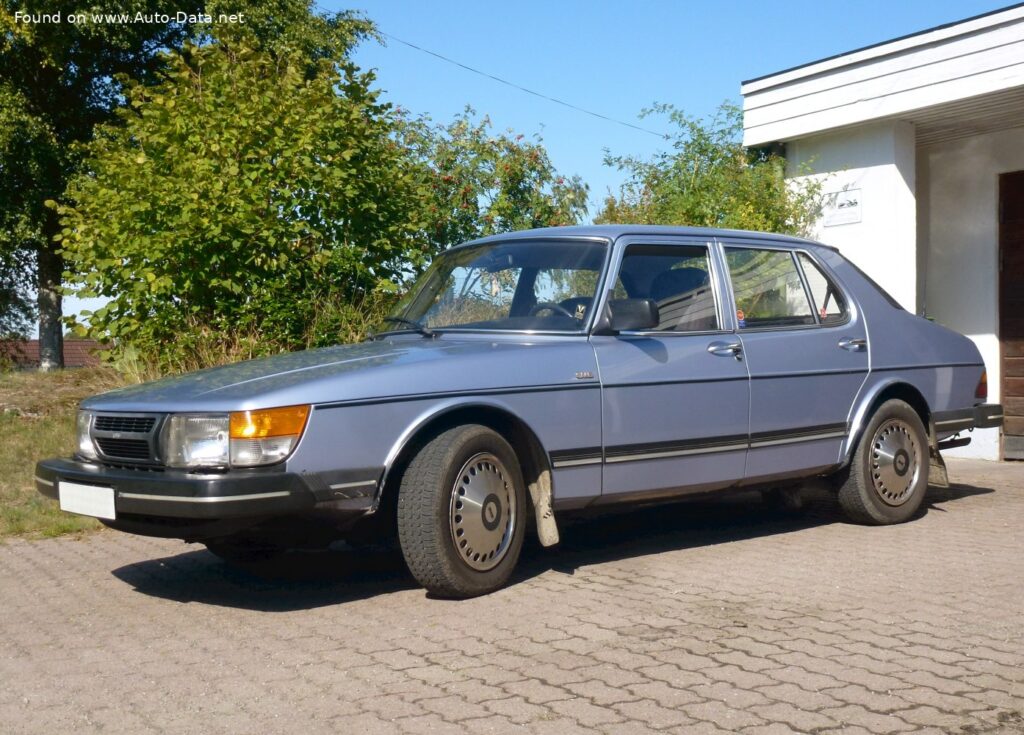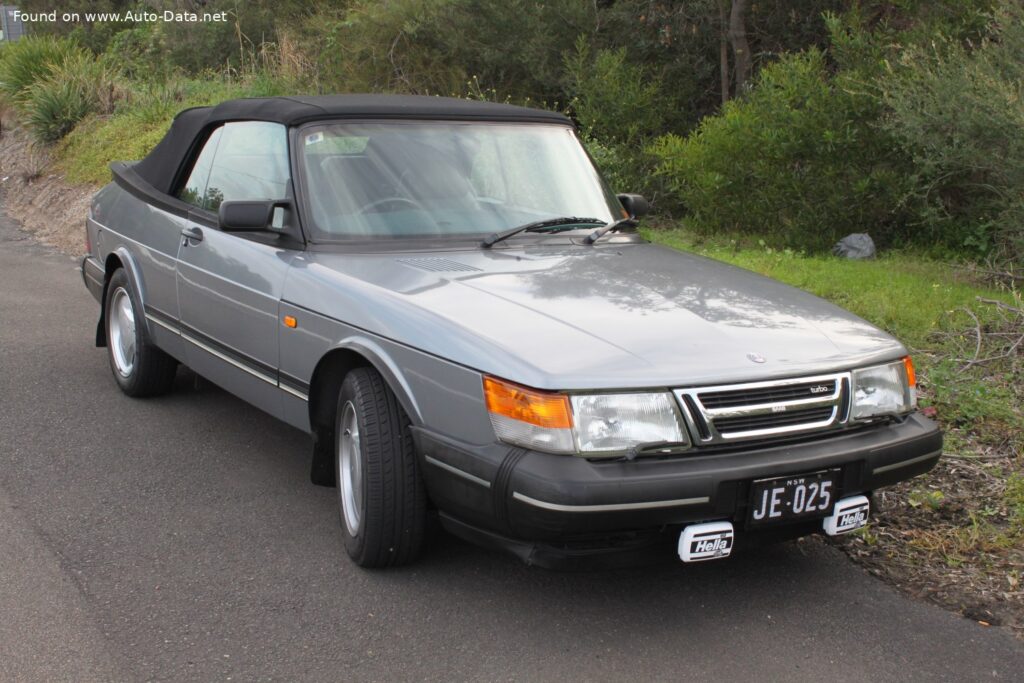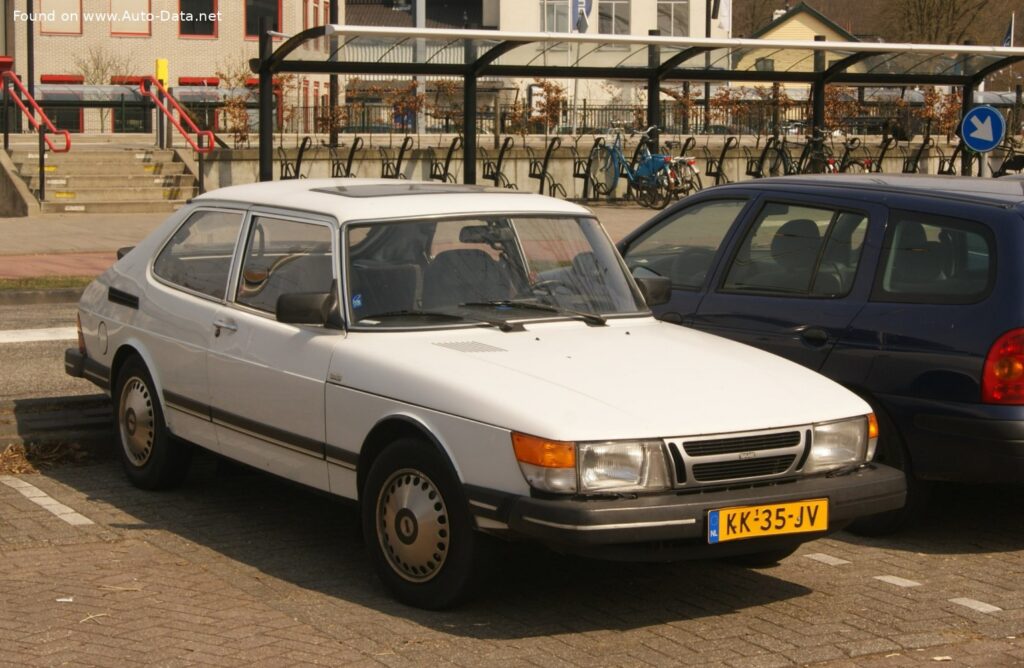
The Saab 900 I Combi Coupe 2.0 Turbo 16V, produced from 1985 to 1986, represents a pivotal moment in Saab’s history, blending distinctive Scandinavian design with turbocharged performance. This iteration of the original 900, launched in 1978, expanded the model line with a practical and stylish liftback body style, offering a unique alternative to more conventional European hatchbacks. While Saab never achieved mainstream sales volumes in the United States, the 900 cultivated a loyal following among enthusiasts who appreciated its engineering innovation, safety features, and quirky character. The Combi Coupe, specifically, aimed to broaden the 900’s appeal by providing increased cargo capacity and versatility without sacrificing the car’s inherent driving dynamics.
The Saab 900 I Combi Coupe: A Legacy of Innovation
The original Saab 900 was born from a desire to create a modern, safe, and driver-focused vehicle. Saab, historically an aircraft manufacturer, brought its aeronautical engineering expertise to the automotive world. This influence is evident in the 900’s aerodynamic design and emphasis on driver visibility. The introduction of the Combi Coupe in 1985 was a direct response to market demand for a more practical body style. It wasn’t simply a stretched version of the saloon; Saab engineers carefully designed the rear end to maintain the car’s structural rigidity and handling balance. The 2.0 Turbo 16V variant, with its 160 horsepower, positioned the Combi Coupe as a performance-oriented option within the 900 range, appealing to drivers seeking a blend of practicality and spirited driving.
Engine & Performance
The heart of the Saab 900 I Combi Coupe 2.0 Turbo 16V is the B202 engine, a 2.0-liter inline-four cylinder powerplant. This engine is notable for its use of a Garrett turbocharger and a 16-valve cylinder head, a configuration that significantly boosted power output compared to naturally aspirated versions. The turbocharger forces more air into the engine, allowing it to burn more fuel and produce more power. The 16 valves improve breathing, further enhancing performance. Producing 160 horsepower, the B202 provided a respectable level of performance for its time, allowing the Combi Coupe to accelerate briskly and maintain comfortable cruising speeds on motorways. The engine was typically paired with a four-speed manual or a three-speed automatic transmission. While not a sports car in the modern sense, the 900 Combi Coupe offered a unique driving experience characterized by strong mid-range torque and a responsive feel. The turbocharger did introduce a degree of turbo lag, common in early turbo systems, but the resulting surge of power was exhilarating for many drivers. The engine’s robust construction and relatively simple design contributed to its reliability, although regular maintenance was crucial to ensure optimal performance.
Design & Features
The Saab 900 I Combi Coupe’s design is instantly recognizable, characterized by its wedge-shaped profile, sloping rear hatch, and distinctive front grille. The liftback configuration provides a large, easily accessible cargo area, making it a practical choice for families or those needing to transport bulky items. The car’s aerodynamic shape wasn’t just for aesthetics; it contributed to reduced drag and improved fuel efficiency. Inside, the 900 Combi Coupe featured a driver-centric cockpit with well-placed controls and comfortable seating. Saab prioritized ergonomics, and the interior was designed to minimize driver fatigue. Safety was also a key consideration, and the 900 incorporated features such as a reinforced safety cage and impact-absorbing crumple zones. While not as sophisticated as modern safety systems, these features represented a significant advancement in automotive safety during the 1980s. The dashboard layout was functional and straightforward, with a clear instrument cluster providing essential information to the driver. Features like power windows and central locking were becoming increasingly common during this period, and many 900 Combi Coupes were equipped with these amenities. The overall aesthetic was one of understated elegance and functional design, reflecting Saab’s Scandinavian heritage.
Technical Specifications
| Brand | Saab |
| Model | 900 |
| Generation | 900 I Combi Coupe |
| Type (Engine) | 2.0 Turbo 16V (160 Hp) |
| Start of production | 1985 |
| End of production | 1986 |
| Powertrain Architecture | Internal Combustion engine |
| Body type | Liftback |
| Seats | 5 |
| Doors | 3-5 |
| Fuel Type | Petrol (Gasoline) |
| Power | 160 Hp |
| Engine Model/Code | B202 |
| Engine aspiration | Turbocharger |
| Engine oil capacity | 4 l (4.23 US qt | 3.52 UK qt) |
| Coolant capacity | 10 l (10.57 US qt | 8.8 UK qt) |
The Saab 900 I Combi Coupe 2.0 Turbo 16V, though a relatively short-lived model, remains a significant vehicle in automotive history. It embodies Saab’s commitment to innovation, safety, and driver enjoyment. Its unique design and turbocharged performance continue to attract enthusiasts today, ensuring that the legacy of the original 900 lives on. While production numbers were limited, the Combi Coupe’s impact on the automotive landscape, particularly in Europe, was substantial, establishing Saab as a maker of distinctive and desirable vehicles.