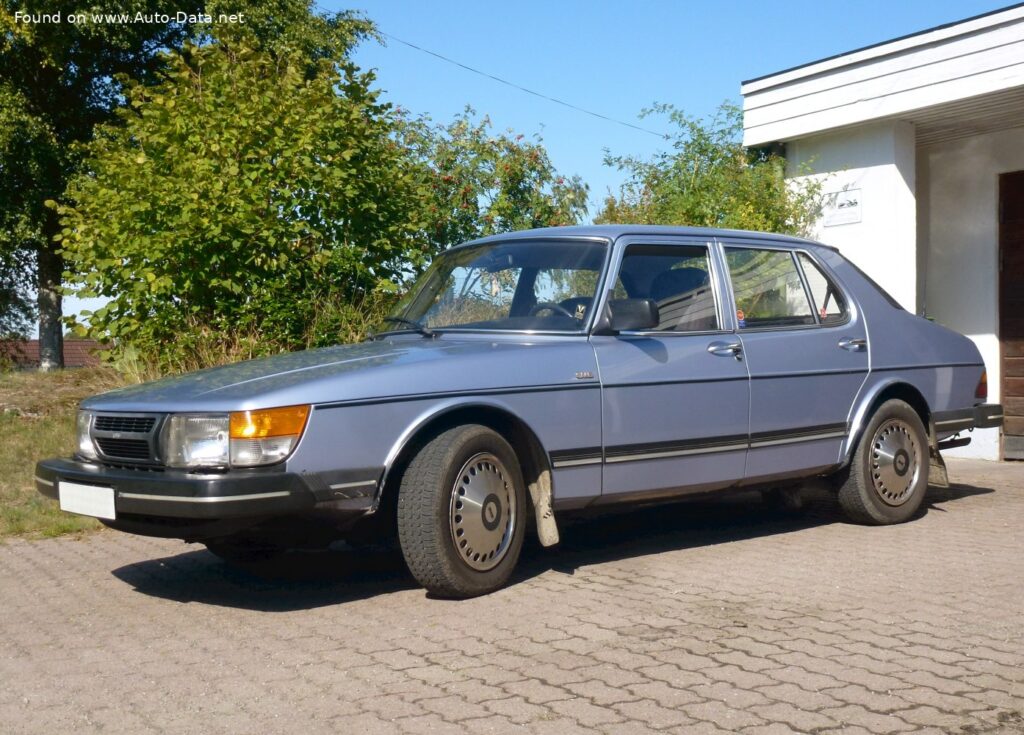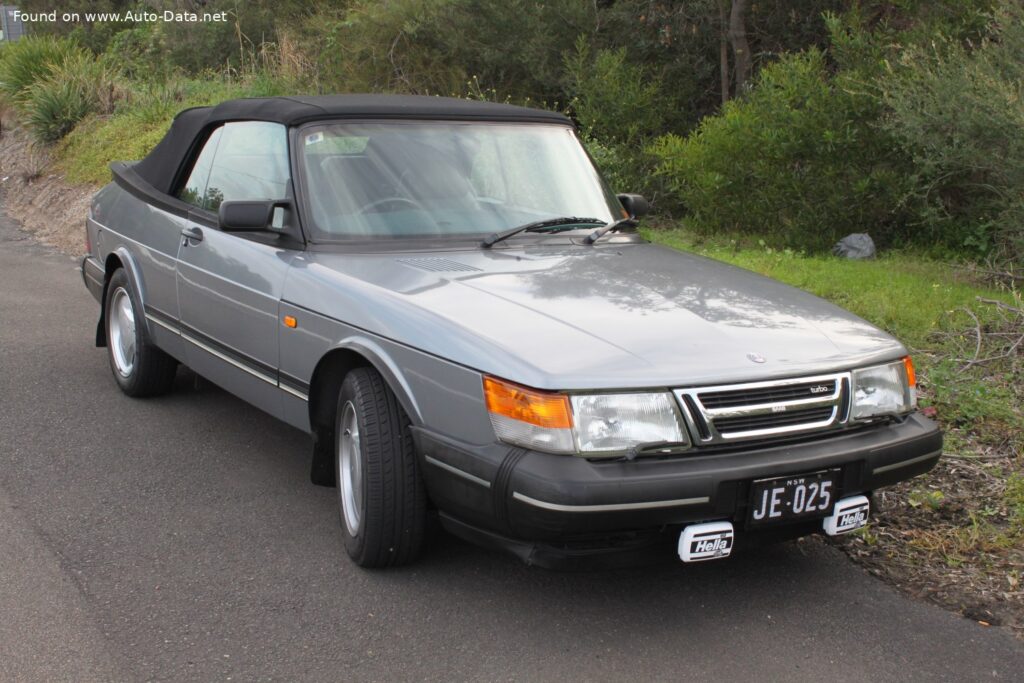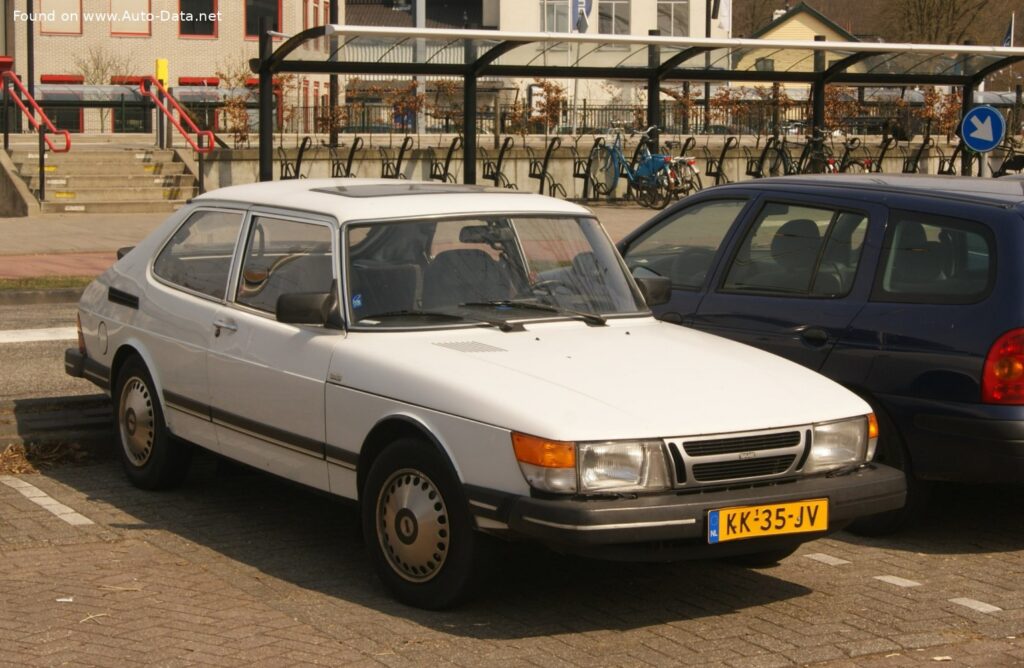
The Saab 900, particularly the first generation (1978-1987) and specifically the Combi Coupe variant, represents a pivotal moment in the Swedish automaker’s history. Introduced as a replacement for the long-running Saab 96, the 900 aimed to modernize the brand while retaining its reputation for safety, innovation, and quirky design. The 900 Combi Coupe, launched in 1984, was Saab’s take on a practical, five-door liftback, offering increased versatility without sacrificing the brand’s distinctive aesthetic. The 2.0 Turbo 16V S model, producing 175 horsepower, was a performance-oriented version that cemented the 900’s appeal to enthusiasts. This model was never officially sold in the United States, but was a popular choice in Europe for drivers seeking a blend of practicality, performance, and Scandinavian design.
The Saab 900 I Combi Coupe: A Legacy of Innovation
The original Saab 900, and the Combi Coupe derivative, were significant departures from conventional automotive design. Saab, with its roots in aircraft manufacturing, brought a unique engineering philosophy to the car world. This translated into features like aerodynamic styling, a robust chassis, and a focus on driver ergonomics. The Combi Coupe, with its distinctive sloping rear hatch, offered a larger cargo area than the traditional sedan, making it a popular choice for families and those needing to transport larger items. The “S” designation denoted a sportier trim level, typically including upgraded suspension components and interior appointments. The 16-valve engine further enhanced the performance capabilities, making the 2.0 Turbo 16V S a desirable variant within the 900 range.
Engine & Performance
The heart of the Saab 900 I Combi Coupe 2.0 Turbo 16V S is the B202 engine, a 2.0-liter inline-four cylinder powerplant. This engine is notable for its use of a Garrett turbocharger and a 16-valve cylinder head, which significantly boosted its power output compared to naturally aspirated versions. Producing 175 horsepower, the B202 delivered brisk acceleration for its time. The turbocharger provided a noticeable boost in torque, enhancing both drivability and overtaking capability. The engine was paired with either a four-speed manual or a three-speed automatic transmission, with the manual being the preferred choice for performance enthusiasts.
While precise performance figures varied depending on transmission and testing conditions, the 2.0 Turbo 16V S could achieve a 0-60 mph time in approximately 7.8 to 8.5 seconds, and a top speed of around 130 mph. The engine’s turbocharging system required careful management to prevent turbo lag, but Saab engineers implemented solutions to minimize this effect. The B202 was known for its durability and responsiveness, making it a reliable and enjoyable engine to drive. Fuel injection and electronic ignition further contributed to its efficiency and performance. The engine’s design also incorporated features to reduce emissions, reflecting growing environmental concerns during the 1980s.
Design & Features
The Saab 900 Combi Coupe’s design was instantly recognizable, characterized by its wedge-shaped profile, large glass areas, and distinctive front grille. The liftback configuration provided easy access to the cargo area, and the rear seats could be folded down to create even more space. The interior was designed with a focus on ergonomics, with controls logically placed and easily accessible to the driver. Saab’s attention to detail was evident in features like the ignition key placement between the front seats – a design intended to improve safety by reducing knee injuries in a collision.
The “S” trim level added several enhancements to the standard 900 Combi Coupe. These typically included sport seats, upgraded suspension components for improved handling, and exterior styling cues such as a rear spoiler. Safety features, a hallmark of Saab design, were also prominent. The 900 featured a robust safety cage, crumple zones, and a reinforced passenger compartment. While not equipped with modern safety systems like airbags or ABS, the 900’s structural design provided a high level of protection for its occupants. The car’s heating and ventilation system was also highly regarded, providing effective climate control in all weather conditions. The 900 Combi Coupe offered a unique blend of practicality, performance, and Scandinavian design, making it a popular choice for discerning drivers.
Technical Specifications
| Brand | Saab |
| Model | 900 |
| Generation | 900 I Combi Coupe |
| Type (Engine) | 2.0 Turbo 16V S (175 Hp) |
| Start of production | 1984 |
| End of production | 1986 |
| Powertrain Architecture | Internal Combustion engine |
| Body type | Liftback |
| Seats | 5 |
| Doors | 3-5 |
| Fuel Type | Petrol (Gasoline) |
| Power | 175 Hp |
| Engine Model/Code | B202 |
| Engine aspiration | Turbocharger |
| Engine oil capacity | 4 l (4.23 US qt | 3.52 UK qt) |
| Coolant capacity | 10 l (10.57 US qt | 8.8 UK qt) |
The Saab 900 I Combi Coupe 2.0 Turbo 16V S remains a cherished classic among automotive enthusiasts. Its unique design, innovative features, and spirited performance have ensured its place in automotive history. While not widely available in the United States during its production run, the 900 Combi Coupe continues to be appreciated for its Scandinavian charm and engineering excellence. The model represents a high point in Saab’s design and engineering prowess, and a testament to the brand’s commitment to safety, innovation, and driver enjoyment.