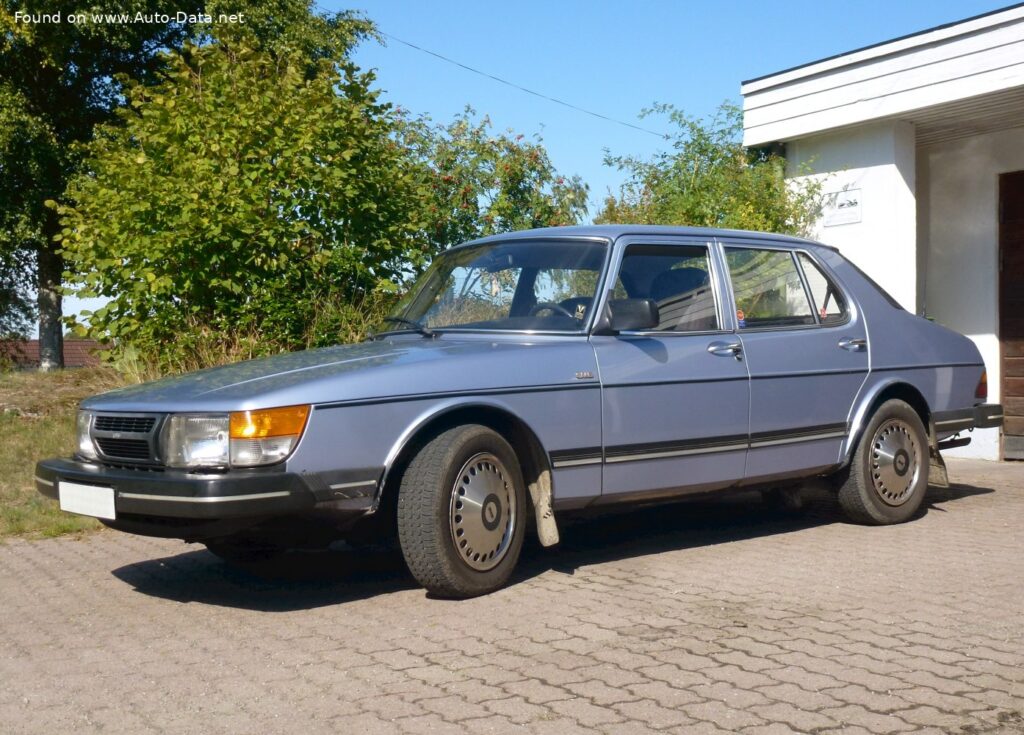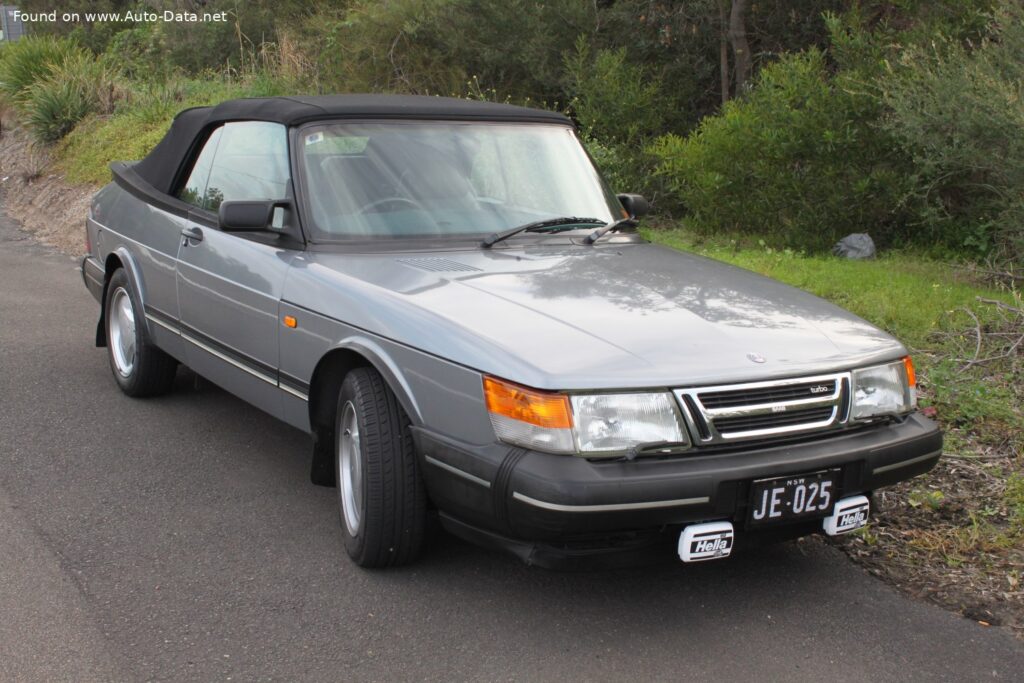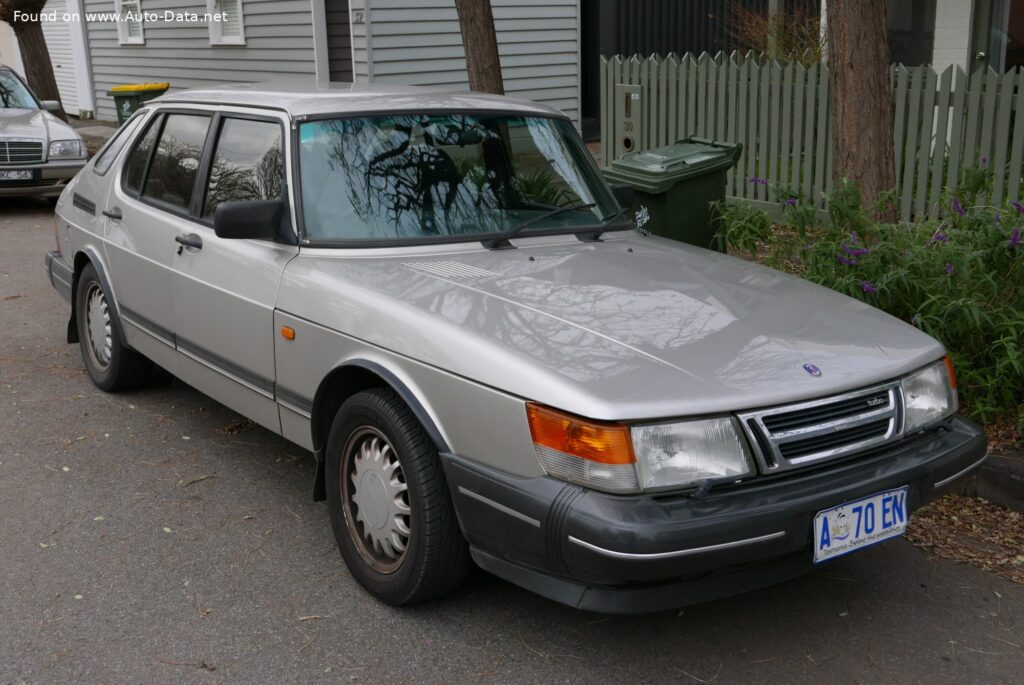
The Saab 900, particularly the first generation (1978-1993), represents a unique chapter in automotive history. The 900 I Combi Coupe, specifically the facelifted version introduced in 1987, is a distinctive variant of this iconic Swedish vehicle. Positioned as a compact family car, the 900 aimed to blend practicality with Saab’s reputation for innovative engineering and safety. The “Combi Coupe” designation refers to its liftback body style, offering a larger cargo area than traditional sedans while maintaining a relatively compact footprint. The 1987 facelift brought subtle but important updates to the exterior and interior, enhancing the car’s appeal and addressing some earlier criticisms. This model, equipped with the 2.0-liter turbocharged engine producing 140 horsepower, was a popular choice for those seeking a blend of performance and Scandinavian practicality.
The Saab 900 I Combi Coupe: A Legacy of Innovation
The Saab 900 was never a high-volume seller like its German or Japanese competitors, but it cultivated a fiercely loyal following. This was due to its unconventional design, robust build quality, and a commitment to driver-focused engineering. Saab, as a company, had roots in aviation, and this influence was clearly visible in the 900’s design and engineering. The car prioritized aerodynamics and visibility, features that were often overlooked by other manufacturers at the time. The Combi Coupe, with its distinctive hatchback design, further emphasized practicality and versatility. In Europe, the 900 competed with cars like the Volkswagen Golf, Ford Escort, and Opel Astra, offering a more individualistic alternative.
Engine & Performance
The heart of the 1987 facelifted Saab 900 I Combi Coupe 2.0 Turbo is the B201 engine, a 1,985 cc inline-four cylinder powerplant. This engine is notable for its use of a Garrett turbocharger, which significantly boosted its power output. Producing 140 horsepower, the 2.0-liter turbo offered a spirited driving experience, particularly considering the car’s relatively light weight. Torque figures, while not explicitly stated in original data, were substantial for the era, providing good acceleration and effortless cruising. The engine was paired with either a four-speed automatic transmission or a five-speed manual gearbox, the latter being favored by enthusiasts for its greater control and engagement. The turbocharger, while enhancing performance, also required careful management to prevent turbo lag, a common characteristic of early turbocharging systems. Saab engineers addressed this through careful tuning and the use of an intercooler, which cooled the intake air and improved engine efficiency. The engine’s robust construction and relatively simple design contributed to its reliability, although regular maintenance was crucial to ensure optimal performance.
Design & Features
The 1987 facelift of the 900 I Combi Coupe brought subtle refinements to the exterior styling. These included a revised front grille, updated headlights, and a smoother front bumper. The liftback body style remained a defining feature, providing a large and accessible cargo area. The interior was characterized by its functional design and comfortable seating. Saab prioritized ergonomics, and the 900’s dashboard and controls were designed to be intuitive and easy to use. Safety was also a key consideration. The 900 featured a robust safety cell and a reinforced chassis, providing excellent protection in the event of a collision. While not equipped with the advanced safety features found in modern cars, the 900’s structural integrity and thoughtful design made it a relatively safe vehicle for its time. Features like heated seats and a premium sound system were available as options, enhancing the car’s comfort and convenience. The distinctive wrap-around dashboard, a hallmark of Saab design, contributed to the car’s unique character. The 900’s design wasn’t about flashy aesthetics; it was about functionality, practicality, and a subtle, understated elegance.
The Combi Coupe’s liftback design offered a significant advantage in terms of cargo capacity and accessibility. The rear seats could be folded down to create a large, flat loading area, making it ideal for carrying bulky items. The three or five-door configuration provided flexibility in terms of passenger access, depending on the specific model. The 900’s suspension was tuned to provide a comfortable ride, while still offering good handling and stability. The car’s steering was precise and responsive, contributing to its engaging driving experience.
Technical Specifications
| Brand | Saab |
| Model | 900 |
| Generation | 900 I Combi Coupe (facelift 1987) |
| Type (Engine) | 2.0 Turbo (140 Hp) |
| Start of production | 1987 |
| End of production | 1991 |
| Powertrain Architecture | Internal Combustion engine |
| Body type | Liftback |
| Seats | 5 |
| Doors | 3-5 |
| Fuel Type | Petrol (Gasoline) |
| Power | 140 Hp |
| Engine Model/Code | B201 |
| Engine aspiration | Turbocharger |
| Engine oil capacity | 3.8 l / 4.02 US qt | 3.34 UK qt |
| Coolant capacity | 10 l / 10.57 US qt | 8.8 UK qt |
The Saab 900 I Combi Coupe (facelift 1987) 2.0 Turbo represents a high point in Saab’s engineering and design philosophy. It was a car that prioritized driver engagement, practicality, and safety, offering a unique alternative to the more mainstream offerings of its competitors. While production ended in 1991, the 900’s legacy continues to resonate with enthusiasts who appreciate its distinctive character and enduring appeal. The Combi Coupe, in particular, stands out as a versatile and stylish vehicle that embodies the spirit of Scandinavian design and engineering. Its blend of performance, practicality, and safety made it a popular choice for those seeking a car that was both enjoyable to drive and capable of meeting the demands of everyday life.