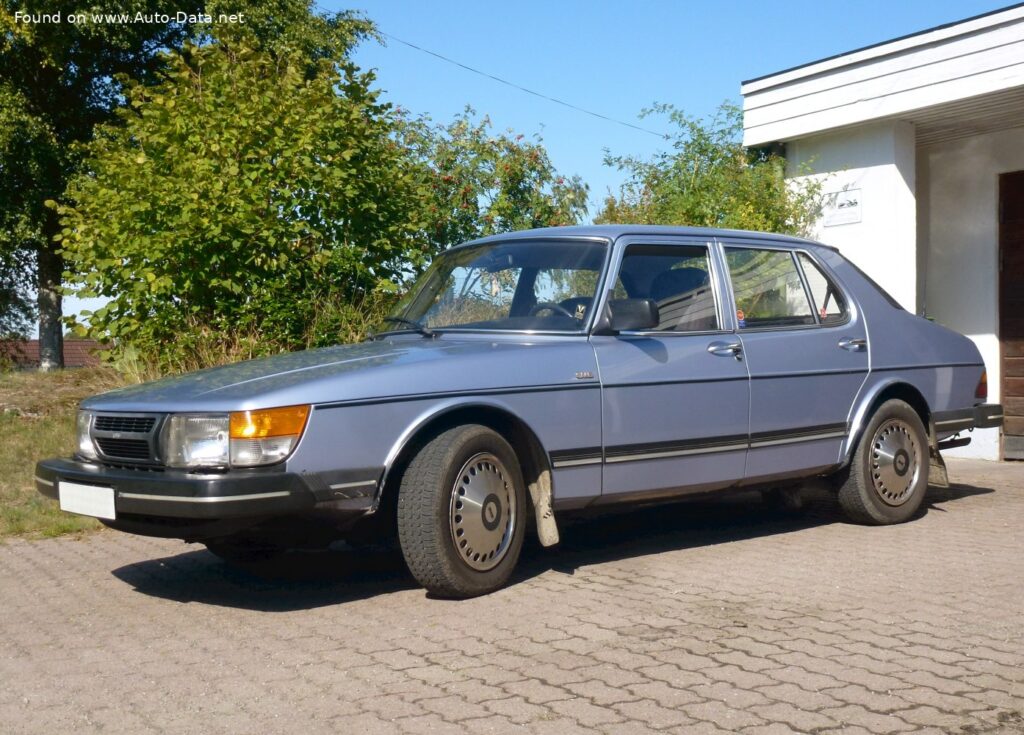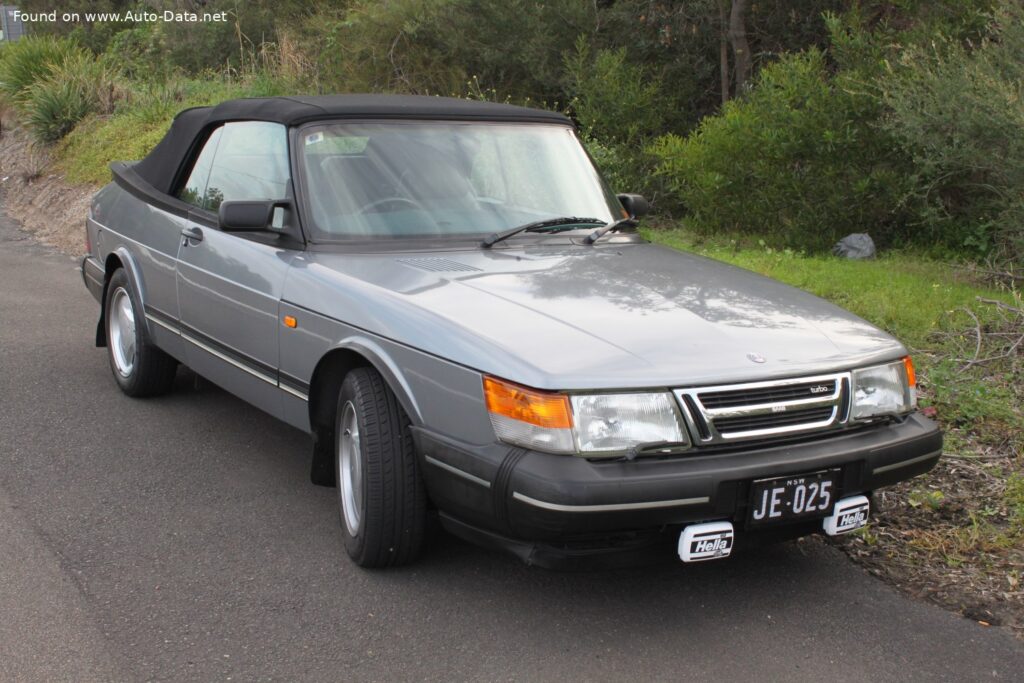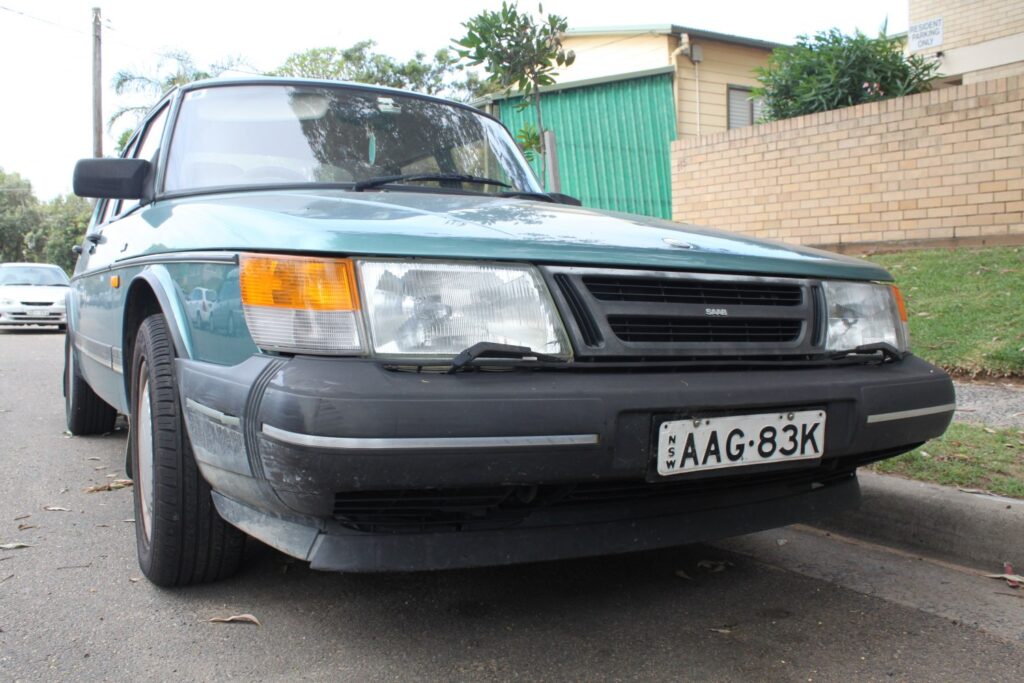
The Saab 900, particularly the first generation (900 I) produced from 1978 to 1993, represents a pivotal moment in the Swedish automaker’s history. The 1987 facelift brought significant updates, and the 2.0i 16V model, introduced in 1989, became a popular choice for drivers seeking a blend of performance, safety, and distinctive Scandinavian design. Positioned as a compact family car, the 900 competed with vehicles like the Volvo 240, Ford Sierra, and Opel Ascona in the European market. While Saab never achieved massive sales volumes in the United States, the 900 developed a devoted following among enthusiasts who appreciated its unique character and engineering.
Saab 900 I (Facelift 1987) 2.0i 16V: A Detailed Overview
The Saab 900 I, and specifically the 1987 facelift, marked a refinement of the original design. This iteration featured subtle but important changes to the exterior styling, including a revised front grille, updated bumpers, and improved aerodynamics. The 2.0i 16V variant, launched in 1989, represented a performance upgrade with its multi-valve engine, offering increased horsepower and torque compared to earlier models. This version solidified the 900’s reputation as a driver’s car, capable of providing an engaging and enjoyable experience.
Engine & Performance
The heart of the 1989 Saab 900 2.0i 16V is its naturally aspirated, inline-four cylinder B202 engine. Displacing 1,985 cubic centimeters (121.13 cubic inches), this engine produces 126 horsepower at 6,000 rpm and 170 Nm (125.39 lb.-ft.) of torque at 3,000 rpm. The 16-valve cylinder head, coupled with multi-port fuel injection, contributes to the engine’s improved breathing and power output. Power per liter is a respectable 63.5 hp/l. The engine is mounted longitudinally in the front of the vehicle, driving the front wheels. Acceleration from 0 to 100 km/h (0-62 mph) takes 11.5 seconds, while 0 to 60 mph is achieved in approximately 10.9 seconds. The car boasts a maximum speed of 175 km/h (108.74 mph). The weight-to-power ratio of 9.5 kg/Hp and a weight-to-torque ratio of 7.1 kg/Nm contribute to a reasonably responsive driving experience for its time.
Design & Features
The Saab 900 I (facelift 1987) is a four-door sedan with a distinctive, aerodynamic silhouette. Its design prioritized both form and function, reflecting Saab’s commitment to safety and practicality. The interior offers seating for five passengers and provides a comfortable and spacious cabin. A key feature of the 900 was its emphasis on driver ergonomics, with well-placed controls and a clear instrument panel. The 1987 facelift included improvements to the interior trim and materials. Safety features, while not as comprehensive as those found in modern vehicles, included ventilated disc brakes on the front wheels, disc brakes on the rear, and an Anti-lock Braking System (ABS) which was becoming increasingly common during this period. The trunk offers a generous amount of space, ranging from a minimum of 600 liters (21.19 cubic feet) to a maximum of 1,600 liters (56.5 cubic feet) with the rear seats folded down. The steering utilizes a rack and pinion system with hydraulic power assistance, providing precise and responsive handling.
Technical Specifications
| Brand | Saab |
| Model | 900 |
| Generation | 900 I (facelift 1987) |
| Type (Engine) | 2.0i 16V (126 Hp) |
| Start of production | 1989 |
| End of production | 1993 |
| Powertrain Architecture | Internal Combustion engine |
| Body type | Sedan |
| Seats | 5 |
| Doors | 4 |
| Fuel consumption (urban) | 12.9 l/100 km (18.2 US mpg, 21.9 UK mpg, 7.8 km/l) |
| Fuel consumption (extra urban) | 7.4 l/100 km (31.8 US mpg, 38.2 UK mpg, 13.5 km/l) |
| Fuel consumption (combined) | 10 l/100 km (23.5 US mpg, 28.2 UK mpg, 10 km/l) |
| Fuel Type | Petrol (Gasoline) |
| Acceleration 0 – 100 km/h | 11.5 sec |
| Acceleration 0 – 62 mph | 11.5 sec |
| Acceleration 0 – 60 mph | 10.9 sec |
| Maximum speed | 175 km/h (108.74 mph) |
| Weight-to-power ratio | 9.5 kg/Hp |
| Weight-to-torque ratio | 7.1 kg/Nm |
| Power | 126 Hp @ 6000 rpm |
| Power per litre | 63.5 Hp/l |
| Torque | 170 Nm @ 3000 rpm (125.39 lb.-ft. @ 3000 rpm) |
| Engine layout | Front, Longitudinal |
| Engine Model/Code | B202 |
| Engine displacement | 1985 cm3 (121.13 cu. in.) |
| Number of cylinders | 4 |
| Engine configuration | Inline |
| Cylinder Bore | 90 mm (3.54 in.) |
| Piston Stroke | 78 mm (3.07 in.) |
| Compression ratio | 10:1 |
| Number of valves per cylinder | 4 |
| Fuel injection system | Multi-port manifold injection |
| Engine aspiration | Naturally aspirated |
| Engine oil capacity | 4 l (4.23 US qt | 3.52 UK qt) |
| Coolant capacity | 10 l (10.57 US qt | 8.8 UK qt) |
| Kerb Weight | 1200 kg (2645.55 lbs.) |
| Max. weight | 1790 kg (3946.27 lbs.) |
| Max load | 590 kg (1300.73 lbs.) |
| Trunk (boot) space – minimum | 600 l (21.19 cu. ft.) |
| Trunk (boot) space – maximum | 1600 l (56.5 cu. ft.) |
| Fuel tank capacity | 63 l (16.64 US gal | 13.86 UK gal) |
| Length | 4680 mm (184.25 in.) |
| Width | 1690 mm (66.54 in.) |
| Height | 1420 mm (55.91 in.) |
| Wheelbase | 2515 mm (99.02 in.) |
| Front track | 1430 mm (56.3 in.) |
| Rear track | 1440 mm (56.69 in.) |
| Drivetrain Architecture | ICE, Front wheel drive |
| Drive wheel | Front wheel drive |
| Number of gears | 5 |
| Gearbox type | Manual transmission |
| Front suspension | Wishbone |
| Rear suspension | Coil spring |
| Front brakes | Ventilated discs |
| Rear brakes | Disc |
| Assisting systems | ABS (Anti-lock braking system) |
| Steering type | Steering rack and pinion |
| Power steering | Hydraulic |
| Tires size | 185/65 TR15 |
| Wheel rims size | 15 |
The Saab 900 I (facelift 1987) 2.0i 16V remains a cherished classic among automotive enthusiasts. Its combination of distinctive styling, robust engineering, and engaging driving dynamics ensures its continued appeal for years to come. While no longer in production, the 900’s legacy as a uniquely Swedish automobile endures.