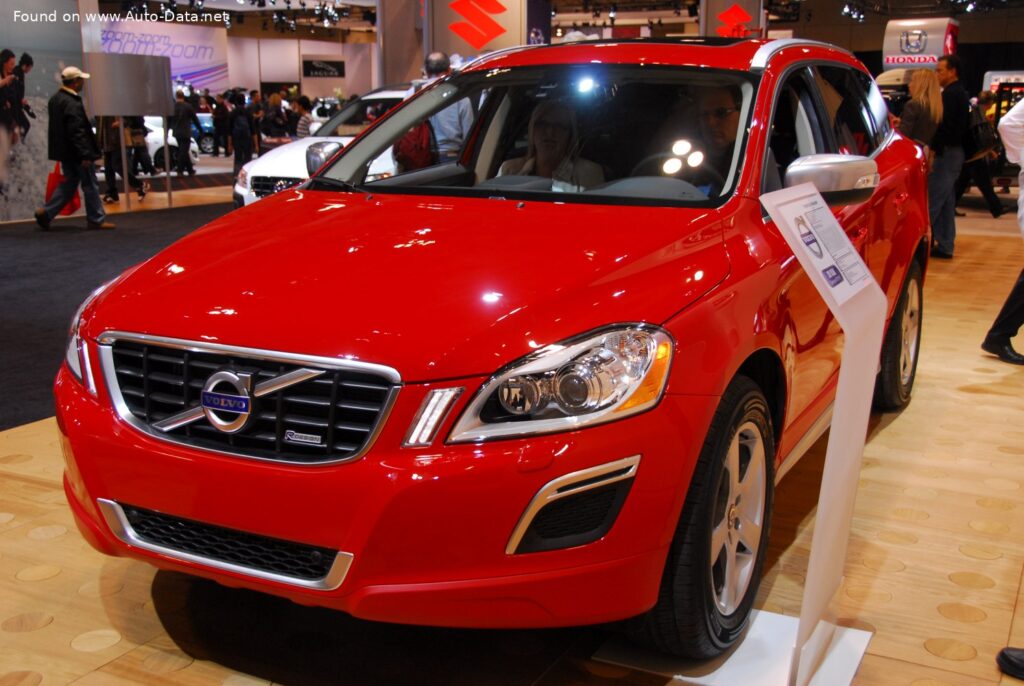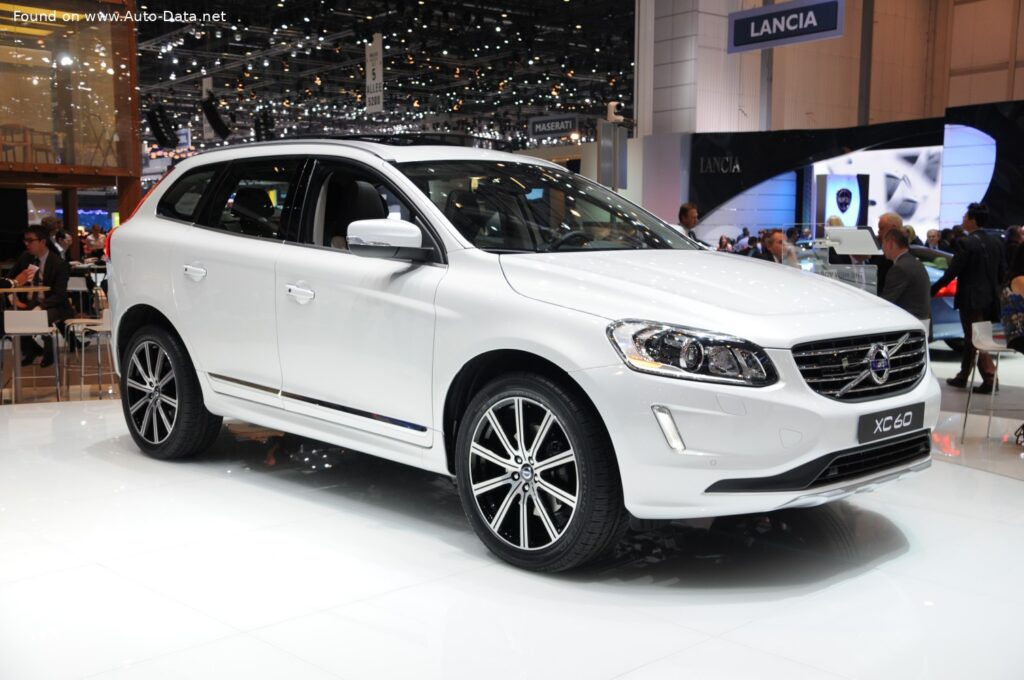
The Volvo XC60 I, specifically the 2.0 T5 AWD Automatic model produced from 2016 to 2017, represents a significant iteration of Volvo’s popular compact luxury crossover SUV. Positioned between the smaller XC40 and the larger XC90, the XC60 aimed to deliver a blend of Scandinavian design, safety, and practicality to the North American and European markets. This facelifted version of the first-generation XC60 (introduced in 2008) brought updated styling, improved technology, and refined powertrain options, solidifying its position as a competitive offering in the premium crossover segment.
Volvo XC60 I (2013 Facelift) 2.0 T5 AWD Automatic: An Overview
The XC60 was a crucial model for Volvo, helping to redefine the brand’s image and attract a wider customer base. While not initially designed with the US market as a primary focus, the XC60 quickly gained popularity due to its distinctive styling and reputation for safety. The 2.0 T5 variant, powered by a turbocharged four-cylinder engine, offered a balance of performance and fuel efficiency, appealing to buyers seeking a practical yet engaging driving experience. The “AWD” designation indicates an all-wheel-drive system, enhancing stability and traction in various driving conditions.
Engine & Performance
At the heart of the 2016-2017 Volvo XC60 2.0 T5 AWD Automatic lies a 2.0-liter inline four-cylinder engine, designated the B4204T11. This engine utilizes direct fuel injection and a turbocharger with an intercooler to produce 245 horsepower at 5500 rpm and 350 Nm (258.15 lb.-ft.) of torque between 1500 and 4800 rpm. This configuration provides a broad torque curve, resulting in responsive acceleration and effortless cruising. Power is delivered to all four wheels via an eight-speed automatic transmission, ensuring smooth and efficient gear changes.
Performance figures demonstrate the XC60 T5’s capabilities. Acceleration from 0 to 100 km/h (0-62 mph) takes 7.2 seconds, while the 0-60 mph sprint is achieved in approximately 6.8 seconds. The vehicle boasts a maximum speed of 210 km/h (130.49 mph). The weight-to-power ratio of 7.5 kg/Hp and a weight-to-torque ratio of 5.2 kg/Nm contribute to a feeling of agility and responsiveness. Fuel economy is rated at 7.5 liters per 100 kilometers (31.4 US mpg), with CO2 emissions of 175 g/km.
Design & Features
The XC60 I (2013 facelift) features a sleek and modern SUV/Crossover body style, characterized by Volvo’s signature Scandinavian design language. The exterior showcases clean lines, a sculpted hood, and distinctive LED daytime running lights. The 2013 facelift brought subtle but noticeable changes to the front fascia, including a revised grille and bumper. The vehicle offers seating for five passengers and provides 490 liters (17.3 cu. ft.) of trunk space with the rear seats up, expanding to 1450 liters (51.21 cu. ft.) when folded down.
Safety remains a paramount concern for Volvo, and the XC60 is equipped with a comprehensive suite of safety features, including ABS (Anti-lock Braking System). The XC60’s structure is designed to absorb and distribute impact forces, protecting occupants in the event of a collision. Beyond safety, the XC60 offers a comfortable and well-appointed interior with quality materials and a user-friendly infotainment system. Features like a panoramic sunroof, leather upholstery, and advanced audio systems were often available as options, enhancing the overall driving experience.
Technical Specifications
| Brand | Volvo |
| Model | XC60 |
| Generation | XC60 I (2013 facelift) |
| Type (Engine) | 2.0 T5 (245 Hp) AWD Automatic |
| Start of production | 2016 |
| End of production | 2017 |
| Powertrain Architecture | Internal Combustion engine |
| Body type | SUV, Crossover |
| Seats | 5 |
| Doors | 5 |
| Fuel consumption (combined) | 7.5 l/100 km |
| Fuel consumption (US mpg) | 31.4 US mpg |
| CO2 emissions | 175 g/km |
| Fuel Type | Petrol (Gasoline) |
| Acceleration 0 – 100 km/h | 7.2 sec |
| Acceleration 0 – 62 mph | 7.2 sec |
| Acceleration 0 – 60 mph | 6.8 sec |
| Maximum speed | 210 km/h (130.49 mph) |
| Weight-to-power ratio | 7.5 kg/Hp |
| Weight-to-torque ratio | 5.2 kg/Nm |
| Power | 245 Hp @ 5500 rpm |
| Torque | 350 Nm @ 1500-4800 rpm (258.15 lb.-ft. @ 1500-4800 rpm) |
| Engine layout | Front, Transverse |
| Engine Model/Code | B4204T11 |
| Engine displacement | 1969 cm3 (120.16 cu. in.) |
| Number of cylinders | 4 |
| Engine configuration | Inline |
| Cylinder Bore | 82 mm (3.23 in.) |
| Piston Stroke | 93.2 mm (3.67 in.) |
| Compression ratio | 10.8:1 |
| Number of valves per cylinder | 4 |
| Fuel injection system | Direct injection |
| Engine aspiration | Turbocharger, Intercooler |
| Valvetrain | DOHC |
| Engine oil capacity | 5.4 l (5.71 US qt | 4.75 UK qt) |
| Kerb Weight | 1834-1921 kg (4043.28 – 4235.08 lbs.) |
| Max. weight | 2390-2505 kg (5269.05 – 5522.58 lbs.) |
| Max load | 556-584 kg (1225.77 – 1287.5 lbs.) |
| Trunk (boot) space – minimum | 490 l (17.3 cu. ft.) |
| Trunk (boot) space – maximum | 1450 l (51.21 cu. ft.) |
| Fuel tank capacity | 70 l (18.49 US gal | 15.4 UK gal) |
| Max. roof load | 100 kg (220.46 lbs.) |
| Permitted trailer load with brakes (8%) | 1800 kg (3968.32 lbs.) |
| Permitted trailer load without brakes | 750 kg (1653.47 lbs.) |
| Length | 4644 mm (182.83 in.) |
| Width | 1891 mm (74.45 in.) |
| Width including mirrors | 2120 mm (83.46 in.) |
| Height | 1713 mm (67.44 in.) |
| Wheelbase | 2774 mm (109.21 in.) |
| Front track | 1632 mm (64.25 in.) |
| Rear (Back) track | 1586 mm (62.44 in.) |
| Ride height (ground clearance) | 230 mm (9.06 in.) |
| Drag coefficient (Cd) | 0.35 |
| Minimum turning circle (turning diameter) | 12.1 – 12.6 m (39.7 – 41.34 ft.) |
| Drive wheel | All wheel drive (4×4) |
| Number of gears and type of gearbox | 8 gears, automatic transmission |
| Front suspension | Independent, type McPherson with coil spring and anti-roll bar |
| Rear suspension | Independent coil spring |
| Front brakes | Ventilated discs |
| Rear brakes | Disc |