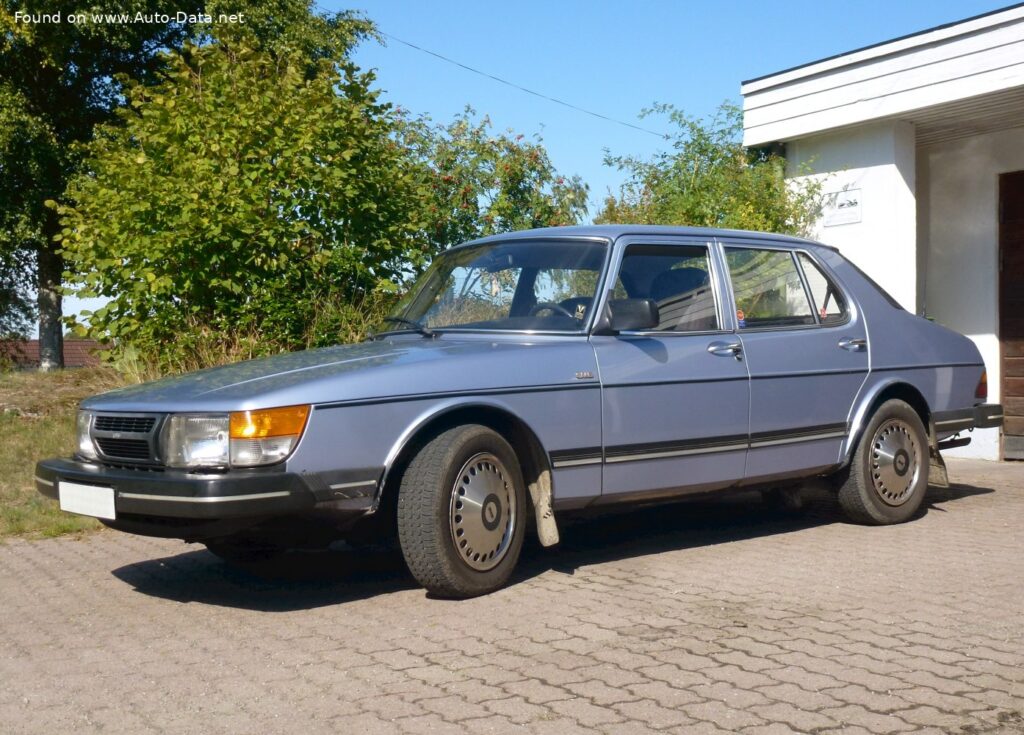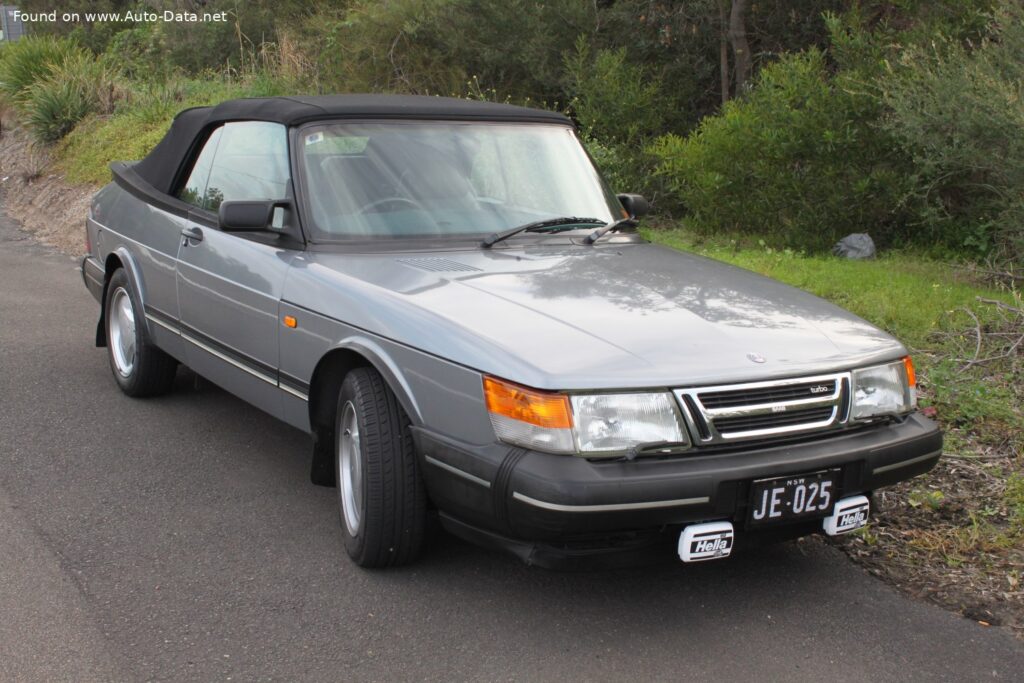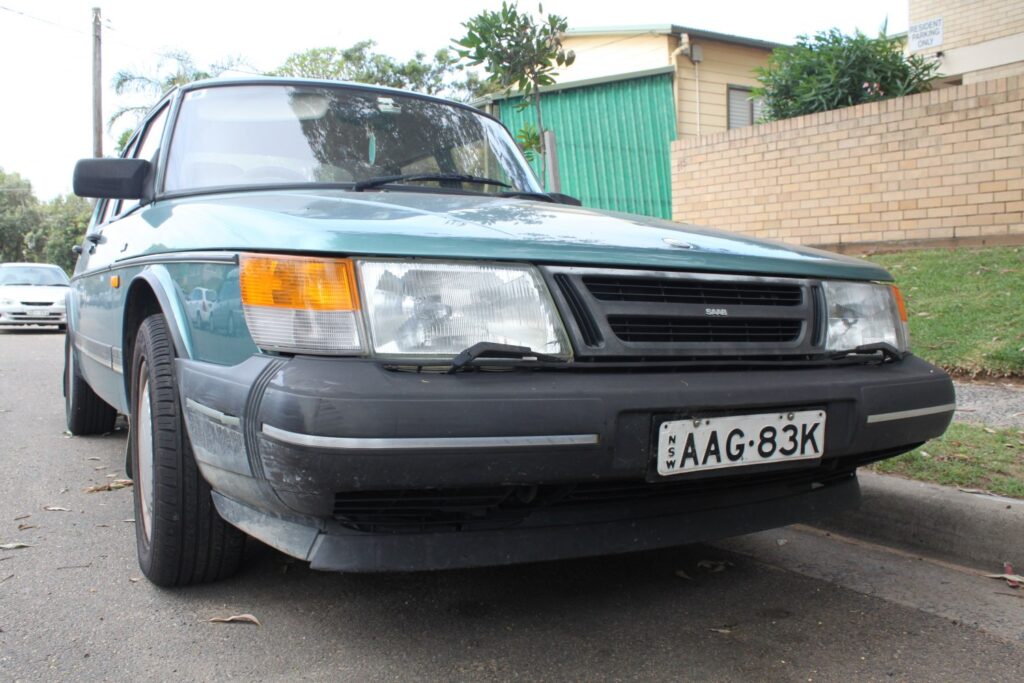
The Saab 900 is a compact executive car that was manufactured by the Swedish automobile manufacturer Saab from 1978 to 1993. The first generation, known as the 900 I, underwent a significant facelift in 1987, improving both its aesthetics and mechanical components. This iteration, particularly the 2.0i 16V model with an automatic transmission, represented a refined offering in the European market, known for its blend of practicality, safety, and distinctive Scandinavian design. While never officially a high-volume seller in the United States, the Saab 900 cultivated a loyal following among enthusiasts who appreciated its unique character and engineering.
The Saab 900 I (1987 Facelift): A Detailed Overview
The 1987 facelift of the Saab 900 I brought notable changes to the vehicle’s exterior, including a revised front grille, updated headlights, and a more streamlined body shape. These modifications enhanced the car’s aerodynamic efficiency and gave it a more modern appearance. The 2.0i 16V variant, equipped with a four-cylinder, sixteen-valve engine, was positioned as a performance-oriented option within the 900 range. The availability of an automatic transmission broadened its appeal to drivers seeking a more comfortable and convenient driving experience.
Engine & Performance
The heart of the 1987 Saab 900 2.0i 16V is a 1,985 cc (121.13 cubic inches) inline-four cylinder engine. This naturally aspirated engine produces 126 horsepower at 6,000 rpm and 170 Nm (125.39 lb-ft) of torque at 3,000 rpm. The engine features multi-port fuel injection and a compression ratio of 10:1. The power-to-weight ratio of 9.5 kg/Hp (105 Hp/tonne) and torque-to-weight ratio of 7.1 kg/Nm (141.7 Nm/tonne) provide adequate, though not exceptional, performance for its time. Acceleration from 0 to 100 km/h (0-62 mph) takes approximately 14 seconds, while 0 to 60 mph is achieved in around 13.3 seconds. The top speed is rated at 170 km/h (105.63 mph). Fuel economy figures are 11.1 l/100 km (21.2 US mpg, 25.4 UK mpg) combined, with 12.8 l/100 km (18.4 US mpg, 22.1 UK mpg) in urban settings and 8.6 l/100 km (27.4 US mpg, 32.8 UK mpg) on the open road.
Design & Features
The Saab 900 I is a four-door sedan with a five-seat configuration. Its design prioritizes functionality and safety, hallmarks of Saab engineering. The body is characterized by its relatively boxy shape, which maximizes interior space. The 1987 facelift refined this shape, giving it a more contemporary look. Inside, the 900 offers a practical and comfortable cabin. Safety features, while not as advanced as modern standards, were considered progressive for the late 1980s and early 1990s, including ventilated disc brakes on the front wheels and disc brakes on the rear, along with an Anti-lock Braking System (ABS). The car utilizes a hydraulic power steering system for ease of maneuverability. Trunk space is generous, ranging from a minimum of 600 liters (21.19 cubic feet) to a maximum of 1,600 liters (56.5 cubic feet) with the rear seats folded down. The fuel tank capacity is 63 liters (16.64 US gallons, 13.86 UK gallons).
Technical Specifications
| Brand | Saab |
| Model | 900 |
| Generation | 900 I (facelift 1987) |
| Type (Engine) | 2.0i 16V (126 Hp) Automatic |
| Start of production | 1989 |
| End of production | 1993 |
| Powertrain Architecture | Internal Combustion engine |
| Body type | Sedan |
| Seats | 5 |
| Doors | 4 |
| Fuel consumption (urban) | 12.8 l/100 km (18.4 US mpg, 22.1 UK mpg) |
| Fuel consumption (extra urban) | 8.6 l/100 km (27.4 US mpg, 32.8 UK mpg) |
| Fuel consumption (combined) | 11.1 l/100 km (21.2 US mpg, 25.4 UK mpg) |
| Fuel Type | Petrol (Gasoline) |
| Acceleration 0 – 100 km/h | 14 sec |
| Acceleration 0 – 62 mph | 14 sec |
| Acceleration 0 – 60 mph | 13.3 sec |
| Maximum speed | 170 km/h (105.63 mph) |
| Weight-to-power ratio | 9.5 kg/Hp |
| Weight-to-torque ratio | 7.1 kg/Nm |
| Power | 126 Hp @ 6000 rpm |
| Torque | 170 Nm @ 3000 rpm (125.39 lb.-ft. @ 3000 rpm) |
| Engine layout | Front, Longitudinal |
| Engine Model/Code | B202 |
| Engine displacement | 1985 cm3 (121.13 cu. in.) |
| Number of cylinders | 4 |
| Engine configuration | Inline |
| Cylinder Bore | 90 mm (3.54 in.) |
| Piston Stroke | 78 mm (3.07 in.) |
| Compression ratio | 10:1 |
| Number of valves per cylinder | 4 |
| Fuel injection system | Multi-port manifold injection |
| Engine aspiration | Naturally aspirated |
| Engine oil capacity | 4 l (4.23 US qt | 3.52 UK qt) |
| Coolant capacity | 10 l (10.57 US qt | 8.8 UK qt) |
| Kerb Weight | 1200 kg (2645.55 lbs.) |
| Max. weight | 1790 kg (3946.27 lbs.) |
| Max load | 590 kg (1300.73 lbs.) |
| Trunk (boot) space – minimum | 600 l (21.19 cu. ft.) |
| Trunk (boot) space – maximum | 1600 l (56.5 cu. ft.) |
| Fuel tank capacity | 63 l (16.64 US gal | 13.86 UK gal) |
| Length | 4680 mm (184.25 in.) |
| Width | 1690 mm (66.54 in.) |
| Height | 1420 mm (55.91 in.) |
| Wheelbase | 2515 mm (99.02 in.) |
| Front track | 1430 mm (56.3 in.) |
| Rear track | 1440 mm (56.69 in.) |
| Drivetrain Architecture | Front wheel drive |
| Number of gears | 3 |
| Gearbox type | Automatic transmission |
| Front suspension | Wishbone |
| Rear suspension | Coil spring |
| Front brakes | Ventilated discs |
| Rear brakes | Disc |
| Assisting systems | ABS (Anti-lock braking system) |
| Steering type | Steering rack and pinion |
| Power steering | Hydraulic |
| Tires size | 185/65 TR 15 |
| Wheel rims size | 6J x 15 |
The Saab 900 I, particularly the 1987 facelifted 2.0i 16V automatic, remains a cherished vehicle among Saab enthusiasts. Its blend of Scandinavian design, practical features, and a focus on driver safety cemented its place as a unique and appealing offering in the compact executive car segment.