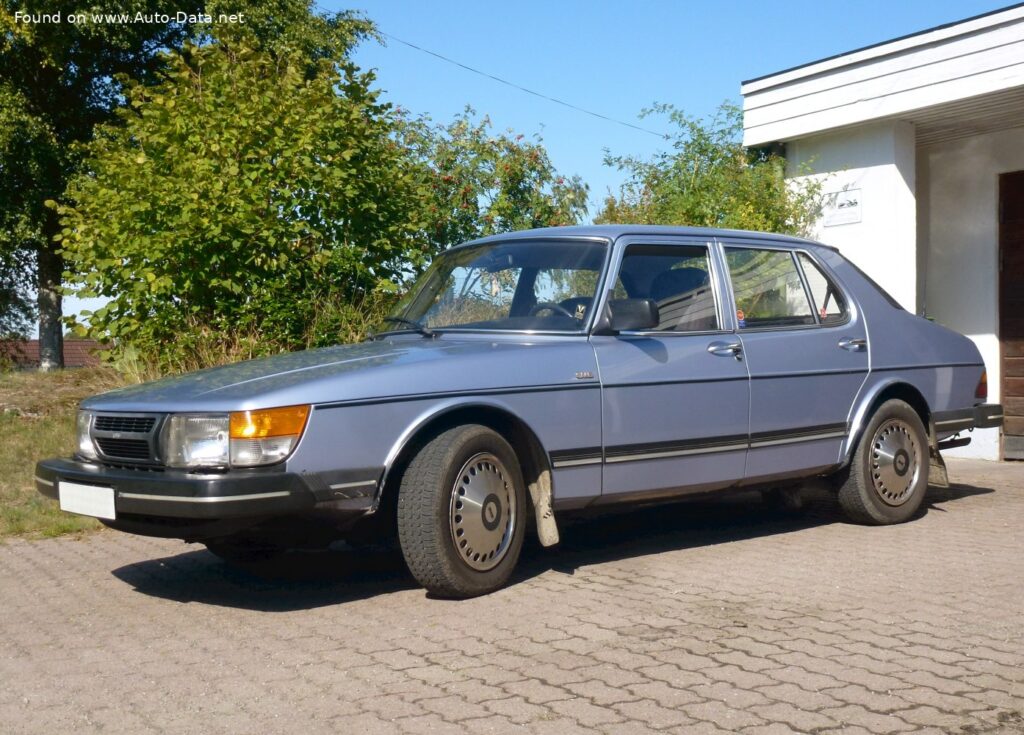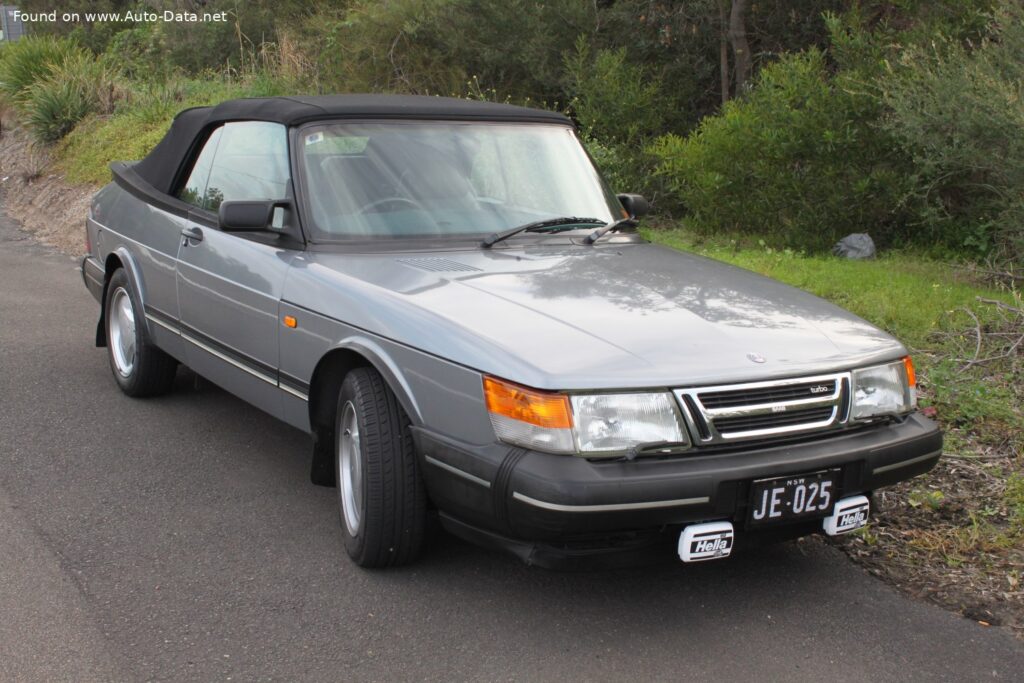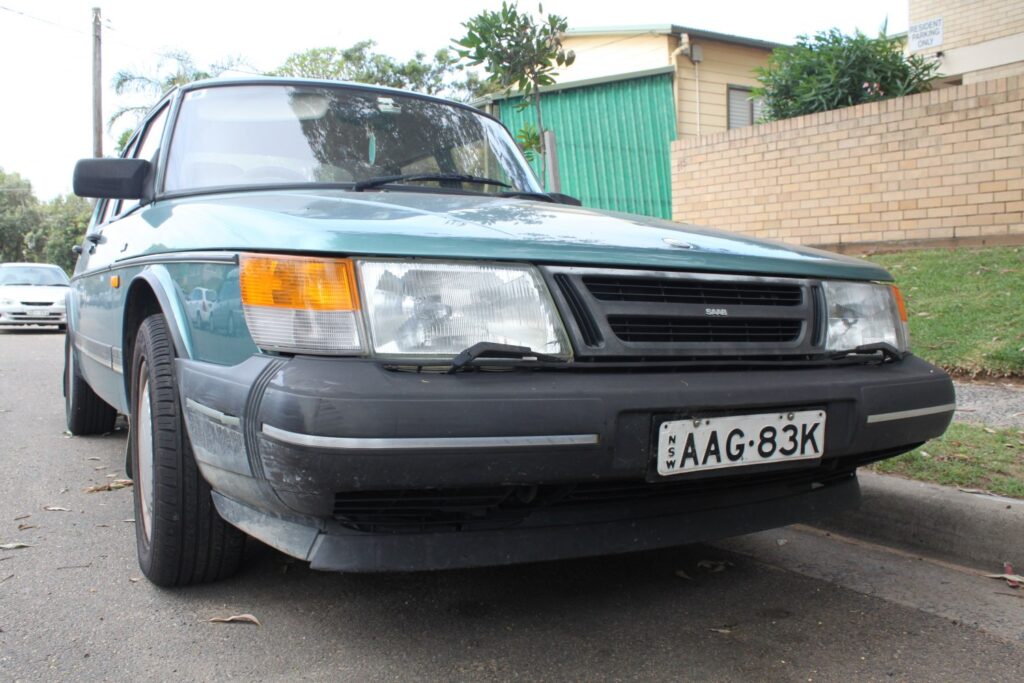
The Saab 900, particularly the first generation (900 I) produced from 1978 to 1993, represents a pivotal moment in the Swedish automaker’s history. The 1987 facelift brought significant updates, and the 2.0i 16V Turbo model, available from 1991-1993, was a popular choice for drivers seeking a blend of performance and practicality. While Saab was a relatively small manufacturer, the 900 established a loyal following, known for its distinctive design, robust engineering, and a focus on driver safety. This model wasn’t widely sold in the United States until later in its production run, but it gained a cult following among enthusiasts who appreciated its unique character and Scandinavian design philosophy.
The Saab 900 I (1987 Facelift) 2.0i 16V Turbo
The Saab 900 I, and specifically the 1987 facelift, was a significant evolution of the original 900. The facelift included revised styling, improved aerodynamics, and enhanced safety features. The 2.0i 16V Turbo variant, produced between 1991 and 1993, represented the performance peak of the first-generation 900. It combined a turbocharged engine with a comfortable interior and practical four-door sedan body style, making it a versatile vehicle for both daily commuting and longer journeys. The 900 competed with other European sedans like the Volvo 240, BMW 3 Series, and Audi 80, offering a unique alternative with its distinctive styling and engineering.
Engine & Performance
The heart of the 1991-1993 Saab 900 2.0i 16V Turbo is its 1985 cc (121.13 cubic inches) inline-four cylinder engine. This engine, designated the B202i, utilizes a multi-port fuel injection system and, crucially, a turbocharger to boost power output. It produces 141 horsepower at 5600 rpm and 202 Nm (148.99 lb-ft) of torque at 3800 rpm. This provides a respectable power-to-weight ratio for its time. Power per liter is rated at 71 hp/l. The engine is transversely mounted at the front of the vehicle. The power is delivered to the front wheels via a 3-speed automatic transmission. Acceleration from 0 to 100 km/h (0-62 mph) takes approximately 13 seconds, while 0-60 mph is achieved in around 12.4 seconds. The top speed is rated at 185 km/h (114.95 mph). Fuel economy is rated at 11.8 l/100 km (19.9 US mpg, 23.9 UK mpg) combined, with 13.1 l/100 km (18 US mpg, 21.6 UK mpg) in urban driving and 8.7 l/100 km (27 US mpg, 32.5 UK mpg) on the open road.
Design & Features
The Saab 900 I (facelift) is instantly recognizable by its distinctive wedge shape and aerodynamic design. The 1987 facelift refined the original styling, with a more integrated front end and smoother lines. The 2.0i 16V Turbo model is a four-door sedan with seating for five passengers. The interior is characterized by its functional design and comfortable seating. Safety was a key consideration in the 900’s design, and the 1987 facelift included improvements to the body structure and braking system. The inclusion of ABS (Anti-lock Braking System) was a notable safety feature for the time. The trunk offers a generous amount of space, ranging from 600 liters (21.19 cubic feet) with the rear seats up to 1600 liters (56.5 cubic feet) with the seats folded down. The vehicle’s dimensions are: length 4680 mm (184.25 in), width 1690 mm (66.54 in), height 1420 mm (55.91 in), and wheelbase 2515 mm (99.02 in).
Technical Specifications
| Brand | Saab |
| Model | 900 |
| Generation | 900 I (facelift 1987) |
| Type (Engine) | 2.0i 16V Turbo (141 Hp) Automatic |
| Start of production | 1991 |
| End of production | 1993 |
| Powertrain Architecture | Internal Combustion engine |
| Body type | Sedan |
| Seats | 5 |
| Doors | 4 |
| Fuel consumption (urban) | 13.1 l/100 km (18 US mpg, 21.6 UK mpg) |
| Fuel consumption (extra urban) | 8.7 l/100 km (27 US mpg, 32.5 UK mpg) |
| Fuel consumption (combined) | 11.8 l/100 km (19.9 US mpg, 23.9 UK mpg) |
| Fuel Type | Petrol (Gasoline) |
| Acceleration 0 – 100 km/h | 13 sec |
| Acceleration 0 – 62 mph | 13 sec |
| Acceleration 0 – 60 mph | 12.4 sec |
| Maximum speed | 185 km/h (114.95 mph) |
| Power | 141 Hp @ 5600 rpm |
| Torque | 202 Nm @ 3800 rpm (148.99 lb.-ft. @ 3800 rpm) |
| Engine layout | Front, Transverse |
| Engine Model/Code | B202i |
| Engine displacement | 1985 cm3 (121.13 cu. in.) |
| Number of cylinders | 4 |
| Engine configuration | Inline |
| Cylinder Bore | 90 mm (3.54 in.) |
| Piston Stroke | 78 mm (3.07 in.) |
| Compression ratio | 9:1 |
| Number of valves per cylinder | 4 |
| Fuel injection system | Multi-port manifold injection |
| Engine aspiration | Turbocharger |
| Engine oil capacity | 4 l (4.23 US qt | 3.52 UK qt) |
| Coolant capacity | 10 l (10.57 US qt | 8.8 UK qt) |
| Trunk (boot) space (minimum) | 600 l (21.19 cu. ft.) |
| Trunk (boot) space (maximum) | 1600 l (56.5 cu. ft.) |
| Fuel tank capacity | 63 l (16.64 US gal | 13.86 UK gal) |
| Length | 4680 mm (184.25 in.) |
| Width | 1690 mm (66.54 in.) |
| Height | 1420 mm (55.91 in.) |
| Wheelbase | 2515 mm (99.02 in.) |
| Front track | 1430 mm (56.3 in.) |
| Rear track | 1440 mm (56.69 in.) |
| Drivetrain Architecture | Front wheel drive |
| Number of gears and type of gearbox | 3 gears, automatic transmission |
| Front suspension | Wishbone |
| Rear suspension | Coil spring |
| Front brakes | Ventilated discs |
| Rear brakes | Disc |
| Assisting systems | ABS (Anti-lock braking system) |
| Steering type | Steering rack and pinion |
| Power steering | Hydraulic Steering |
| Tires size | 185/55 R15 |
| Wheel rims size | 15 |
The Saab 900 I 2.0i 16V Turbo, while not a high-volume seller in the US market, remains a beloved classic among automotive enthusiasts. Its unique blend of Scandinavian design, turbocharged performance, and practical features continues to attract a dedicated following. The car represents a significant chapter in Saab’s history and a testament to the company’s commitment to innovation and driver enjoyment.