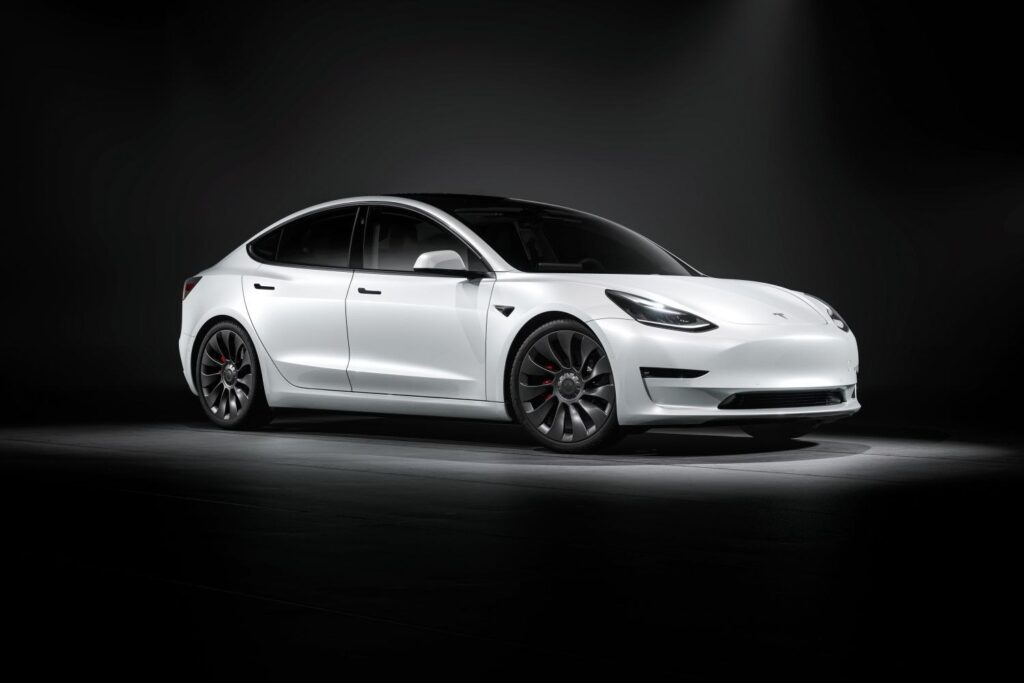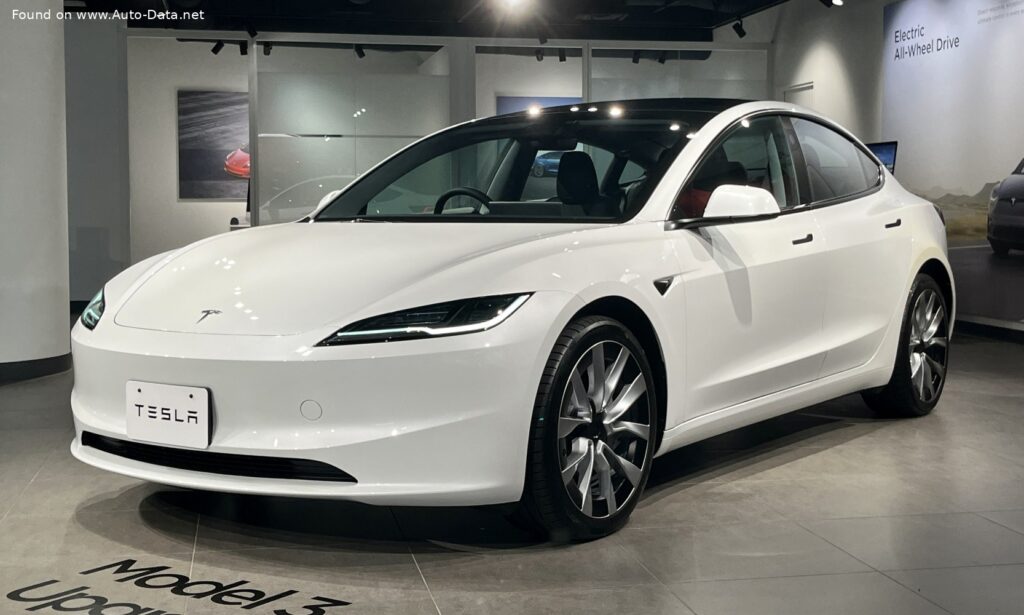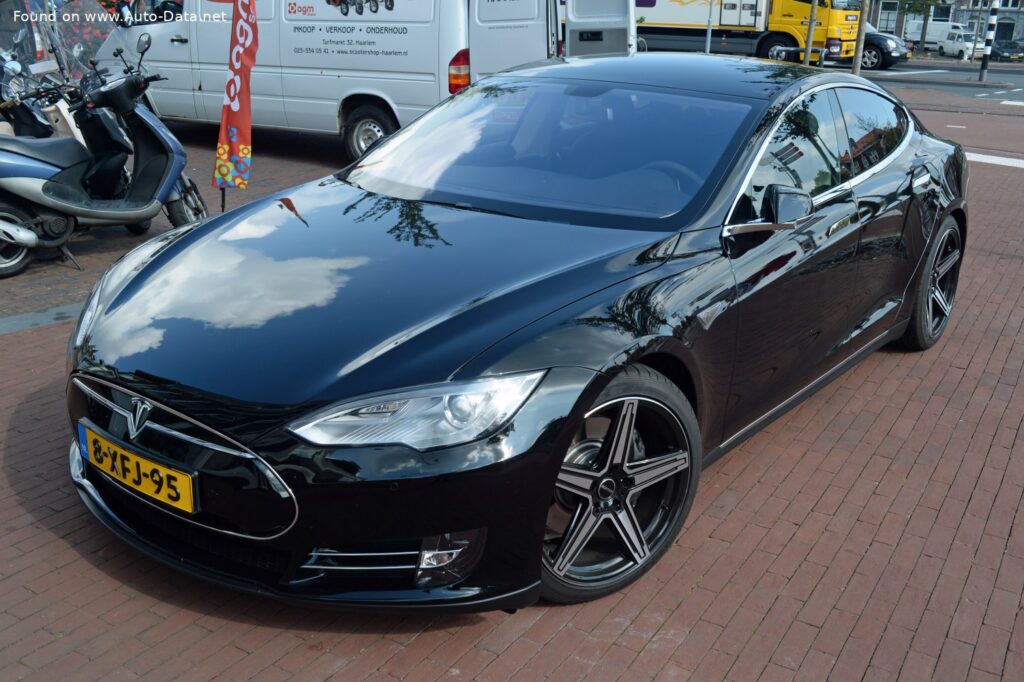
The Tesla Model S P85D, produced from November 2014 to February 2016, represents a pivotal moment in the adoption of electric vehicles. As a high-performance variant of the Model S, Tesla’s flagship sedan, the P85D aimed to dispel the notion that electric cars couldn’t deliver exhilarating performance. It occupies the premium large car segment, competing with established luxury brands while pioneering a new era of electric mobility. The “P85D” designation signifies its performance-oriented nature, 85 kWh battery pack, and dual-motor all-wheel-drive configuration. This model was instrumental in establishing Tesla as a serious automotive manufacturer and demonstrating the potential of battery-electric technology.
Tesla Model S P85D: A Technological Leap
The Model S P85D was more than just a fast electric car; it was a showcase of advanced technology. Its dual-motor setup, a relatively novel concept at the time, provided significant advantages in both acceleration and handling. The placement of the battery pack beneath the floor contributed to a low center of gravity, enhancing stability and responsiveness. The P85D also benefited from Tesla’s over-the-air software updates, allowing for continuous improvements and feature additions throughout its lifespan. This capability set a new standard for the automotive industry and solidified Tesla’s position as a technology leader.
Engine & Performance
The Tesla Model S P85D utilizes a Battery Electric Vehicle (BEV) powertrain, meaning it is powered solely by electricity stored in a lithium-ion battery pack. Unlike traditional internal combustion engine vehicles, it doesn’t rely on gasoline or diesel. The P85D features two electric motors – one driving the front wheels and another powering the rear wheels, creating an all-wheel-drive (AWD) system. The front motor produces 259 Hp, while the rear motor delivers 503 Hp, resulting in a combined system output of 463 Hp and a substantial 967 Nm (713.22 lb.-ft.) of torque. This potent combination allows for blistering acceleration: 0 to 60 mph in just 3.1 seconds and 0 to 100 km/h in 3.3 seconds. The P85D boasts a maximum speed of 250 km/h (155.34 mph). The weight-to-power ratio is 4.9 kg/Hp, and the weight-to-torque ratio is 2.3 kg/Nm, highlighting the vehicle’s impressive power delivery relative to its weight.
Design & Features
The Tesla Model S P85D is a five-door liftback, offering a unique blend of sedan practicality and hatchback versatility. Its sleek, aerodynamic design contributes to its efficiency and performance, with a drag coefficient of just 0.24. The vehicle seats up to seven passengers, providing ample space for both occupants and cargo. The interior is minimalist and modern, dominated by a large touchscreen display that controls most vehicle functions. Key features include an advanced autopilot system (which has been significantly updated since the P85D’s production), regenerative braking, and a panoramic glass roof. Safety features were also a priority, with the Model S earning high safety ratings. The P85D’s spacious trunk offers 745 liters (26.31 cu. ft.) of storage space, expandable to 1645 liters (58.09 cu. ft.) with the rear seats folded down. The vehicle’s air suspension provides a comfortable ride and adjustable ride height (119-163 mm or 4.69 – 6.42 in.).
Technical Specifications
| Brand | Tesla |
| Model | Model S |
| Generation | Model S |
| Type (Engine) | P85D 85 kWh (463 Hp) Dual Motor AWD |
| Start of production | November, 2014 |
| End of production | February, 2016 |
| Powertrain Architecture | BEV (Electric Vehicle) |
| Body type | Liftback |
| Seats | 7 |
| Doors | 5 |
| Fuel Type | Electricity |
| Acceleration 0 – 100 km/h | 3.3 sec |
| Acceleration 0 – 62 mph | 3.3 sec |
| Acceleration 0 – 60 mph | 3.1 sec |
| Maximum speed | 250 km/h (155.34 mph) |
| Weight-to-power ratio | 4.9 kg/Hp |
| Weight-to-torque ratio | 2.3 kg/Nm |
| Gross battery capacity | 85 kWh |
| Battery voltage | 346 V |
| Battery technology | Lithium-ion (Li-Ion) |
| Battery location | Below the floor |
| All-electric range (NEDC) | 480 km (298.26 mi) |
| Average Energy consumption (NEDC) | 16.5 kWh/100 km (26.55 kWh/100 mi) |
| Electric motor 1 power | 503 Hp |
| Electric motor 1 location | Rear axle, Transverse |
| Electric motor 2 power | 259 Hp |
| Electric motor 2 location | Front axle, Transverse |
| System power | 463 Hp |
| System torque | 967 Nm (713.22 lb.-ft.) |
| Kerb Weight | 2251 kg (4962.61 lbs.) |
| Max. weight | 2670 kg (5886.34 lbs.) |
| Max load | 419 kg (923.74 lbs.) |
| Trunk (boot) space – minimum | 745 l (26.31 cu. ft.) |
| Trunk (boot) space – maximum | 1645 l (58.09 cu. ft.) |
| Max. roof load | 75 kg (165.35 lbs.) |
| Length | 4970 mm (195.67 in.) |
| Width | 1964 mm (77.32 in.) |
| Width including mirrors | 2189 mm (86.18 in.) |
| Height | 1445 mm (56.89 in.) |
| Wheelbase | 2960 mm (116.54 in.) |
| Front track | 1662 mm (65.43 in.) |
| Rear (Back) track | 1700 mm (66.93 in.) |
| Front overhang | 929 mm (36.57 in.) |
| Rear overhang | 1080 mm (42.52 in.) |
| Ride height (ground clearance) | 119-163 mm (4.69 – 6.42 in.) |
| Drag coefficient (Cd) | 0.24 |
| Minimum turning circle (turning diameter) | 12.4 m (40.68 ft.) |
| Drivetrain Architecture | One electric motor drives the front wheels, one electric motor drives the rear wheels. |
| Drive wheel | All wheel drive (4×4) |
| Number of gears and type of gearbox | 1 gears, automatic transmission |
| Front suspension | Double wishbone, Transverse stabilizer, Air suspension |
| Rear suspension | Independent multi-link suspension, Air suspension, Transverse stabilizer |
| Front brakes | Ventilated discs, 355×32 mm |
| Rear brakes | Ventilated discs, 365×28 mm |
| Assisting systems | ABS (Anti-lock braking system) |
| Steering type | Steering rack and pinion |
| Power steering | Electric Steering |
| Tires size | Front wheel tires: 245/45 R19; 245/35 R21Rear wheel tires: 245/45 R19; 245/35 R21; 265/35 R21 |
| Wheel rims size | Front wheel rims: 8J x 19; 8.5J x 21Rear wheel rims: 8J x 19; 8.5J x 21; 9J x 21 |
The Tesla Model S P85D was a groundbreaking vehicle that helped to redefine the automotive landscape. Its combination of performance, technology, and practicality made it a compelling alternative to traditional luxury cars, and it paved the way for the widespread adoption of electric vehicles.