The Peugeot 406, launched in 1995, represented a significant step forward for the French automaker, replacing the aging Peugeot 309 and 405 models. Positioned in the mid-size segment, the 406 aimed to compete with established rivals like the Ford Mondeo, Vauxhall/Opel Vectra, and Renault Laguna. The Phase I version, produced from 1995 to 1999, established the 406’s reputation for comfortable ride quality, stylish Pininfarina-designed aesthetics, and a range of efficient engine options. While not initially a major seller in the United States due to Peugeot’s limited presence in the North American market, the 406 was a popular choice in Europe, offering a compelling blend of practicality, refinement, and affordability.
Peugeot 406: A European Mid-Size Sedan
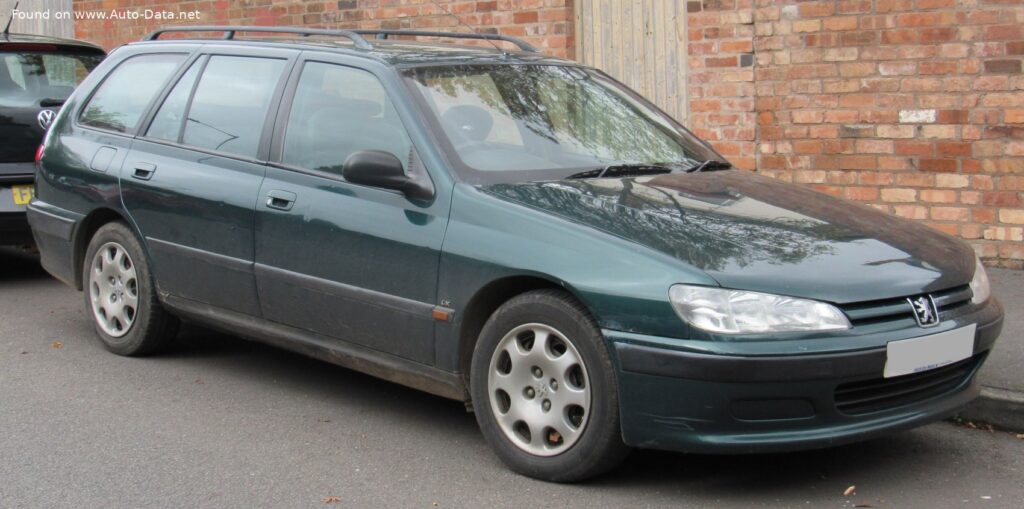
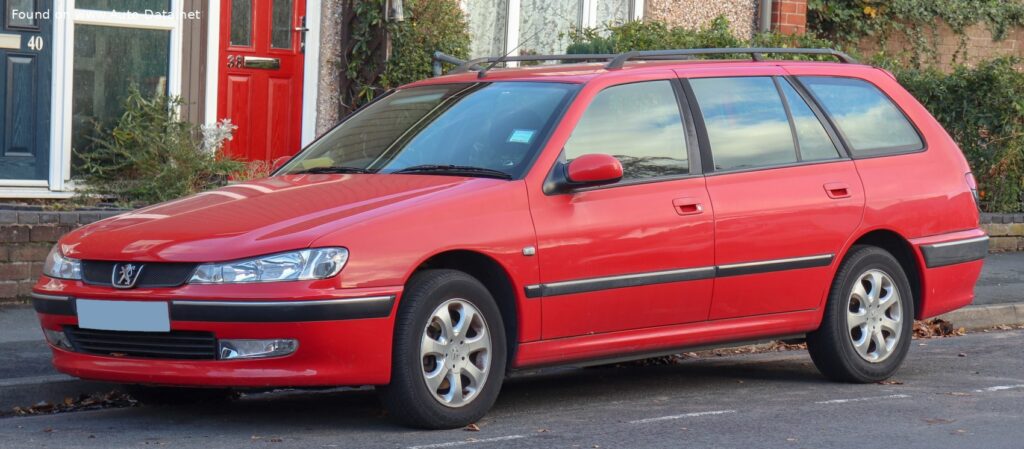
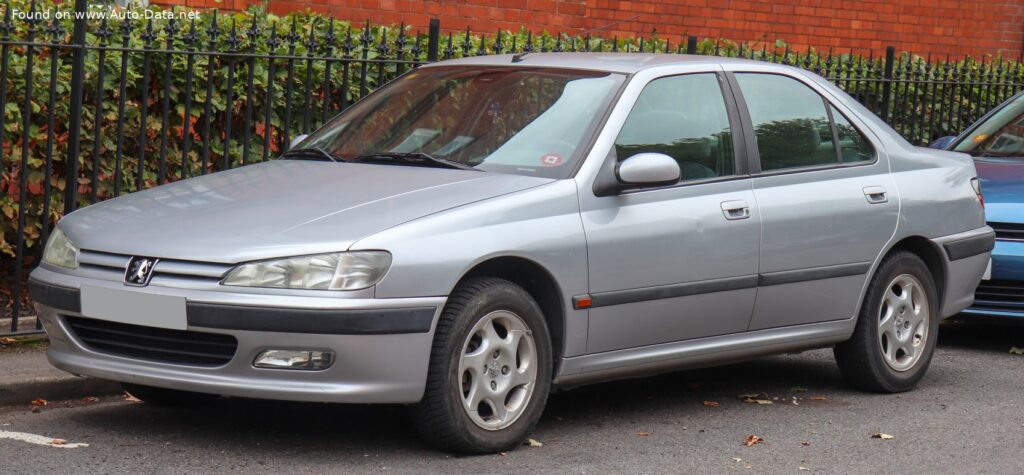
The Peugeot 406 Phase I was available in a variety of body styles, including a sedan (saloon), station wagon (estate), and coupe. The sedan, the focus of this article, was particularly well-regarded for its spacious interior and well-balanced handling. The 406 was designed to appeal to families and drivers seeking a comfortable and reliable vehicle for both daily commuting and longer journeys. It represented Peugeot’s ambition to move upmarket and offer a more sophisticated alternative to its competitors.
Engine & Performance
The 2.1 TD 12V variant of the Peugeot 406, produced between 1996 and 1999, featured a 2.1-liter inline-four cylinder diesel engine. This engine, designated P8C XUD11BTE, produced 109 horsepower at 4300 rpm and 250 Nm (184.39 lb.-ft.) of torque at 2000 rpm. Utilizing a precombustion chamber injection system and a turbocharger, the engine delivered a good balance of power and fuel efficiency. The engine’s output translated to a 0-60 mph (0-97 km/h) acceleration time of approximately 11.9 seconds and a maximum speed of 118.06 mph (190 km/h). The 406 2.1 TD offered a combined fuel economy of 6.6 liters per 100 kilometers (35.6 US mpg), making it an economical choice for long-distance travel. The engine’s transverse mounting and front-wheel-drive configuration contributed to its compact footprint and efficient packaging.
Design & Features
The Peugeot 406 Phase I sedan boasted a sleek and modern design, penned by the renowned Italian design house Pininfarina. The car’s flowing lines, rounded edges, and relatively low-slung profile gave it a distinctly European aesthetic. Inside, the 406 offered a comfortable and well-appointed cabin with seating for five passengers. Standard features typically included power steering, central locking, and electric windows. Safety features, while not as comprehensive as those found in modern vehicles, included an Anti-lock Braking System (ABS) which was becoming increasingly common during this period. The 406’s trunk offered a practical 430 liters (15.19 cubic feet) of cargo space. The overall design prioritized both aesthetics and functionality, creating a vehicle that was both pleasing to the eye and practical for everyday use.
Technical Specifications
| Brand | Peugeot |
| Model | 406 |
| Generation | 406 (Phase I, 1995) |
| Type (Engine) | 2.1 TD 12V (109 Hp) |
| Start of production | 1996 |
| End of production | 1999 |
| Powertrain Architecture | Internal Combustion engine |
| Body type | Sedan |
| Seats | 5 |
| Doors | 4 |
| Fuel consumption (combined) | 6.6 l/100 km |
| Fuel consumption (US mpg) | 35.6 US mpg |
| Fuel consumption (UK mpg) | 42.8 UK mpg |
| Fuel consumption (km/l) | 15.2 km/l |
| Fuel Type | Diesel |
| Acceleration 0 – 100 km/h | 12.5 sec |
| Acceleration 0 – 62 mph | 12.5 sec |
| Acceleration 0 – 60 mph | 11.9 sec |
| Maximum speed | 190 km/h (118.06 mph) |
| Weight-to-power ratio | 13 kg/Hp |
| Weight-to-torque ratio | 5.7 kg/Nm |
| Power | 109 Hp @ 4300 rpm |
| Power per litre | 52.2 Hp/l |
| Torque | 250 Nm @ 2000 rpm (184.39 lb.-ft. @ 2000 rpm) |
| Engine layout | Front, Transverse |
| Engine Model/Code | P8C XUD11BTE |
| Engine displacement | 2088 cm3 (127.42 cu. in.) |
| Number of cylinders | 4 |
| Engine configuration | Inline |
| Cylinder Bore | 85 mm (3.35 in.) |
| Piston Stroke | 92 mm (3.62 in.) |
| Compression ratio | 21.5:1 |
| Number of valves per cylinder | 3 |
| Fuel injection system | Precombustion chamber injection |
| Engine aspiration | Turbocharger |
| Valvetrain | OHC |
| Engine oil capacity | 4.75 l (5.02 US qt | 4.18 UK qt) |
| Coolant | 10 l (10.57 US qt | 8.8 UK qt) |
| Kerb Weight | 1415 kg (3119.54 lbs.) |
| Max. weight | 2015 kg (4442.31 lbs.) |
| Max load | 600 kg (1322.77 lbs.) |
| Trunk (boot) space – minimum | 430 l (15.19 cu. ft.) |
| Fuel tank capacity | 70 l (18.49 US gal | 15.4 UK gal) |
| Length | 4600 mm (181.1 in.) |
| Width | 1765 mm (69.49 in.) |
| Height | 1396 mm (54.96 in.) |
| Wheelbase | 2700 mm (106.3 in.) |
| Front track | 1502 mm (59.13 in.) |
| Rear (Back) track | 1488 mm (58.58 in.) |
| Front overhang | 937 mm (36.89 in.) |
| Rear overhang | 963 mm (37.91 in.) |
| Drivetrain Architecture | ICE, Front wheel drive |
| Drive wheel | Front wheel drive |
| Number of gears and type of gearbox | 5 gears, manual transmission |
| Front suspension | Wishbone |
| Rear suspension | Several levers and rods |
| Front brakes | Ventilated discs |
| Rear brakes | Disc |
| Assisting systems | ABS (Anti-lock braking system) |
| Steering type | Steering rack and pinion |
| Power steering | Hydraulic Steering |
| Tires size | 195/65 R15 |
The Peugeot 406 Phase I, particularly the 2.1 TD variant, offered a compelling package of style, comfort, and efficiency. While it didn’t achieve widespread popularity in the United States, it remains a well-regarded vehicle among enthusiasts and a testament to Peugeot’s engineering prowess during the 1990s.