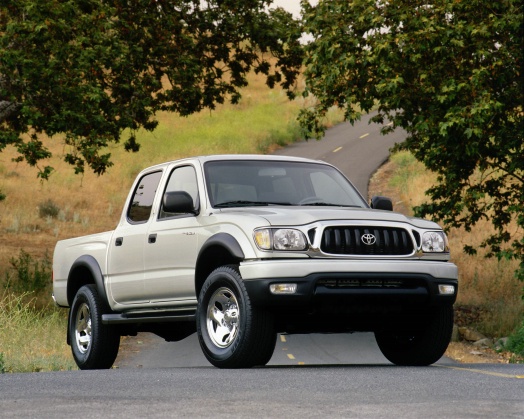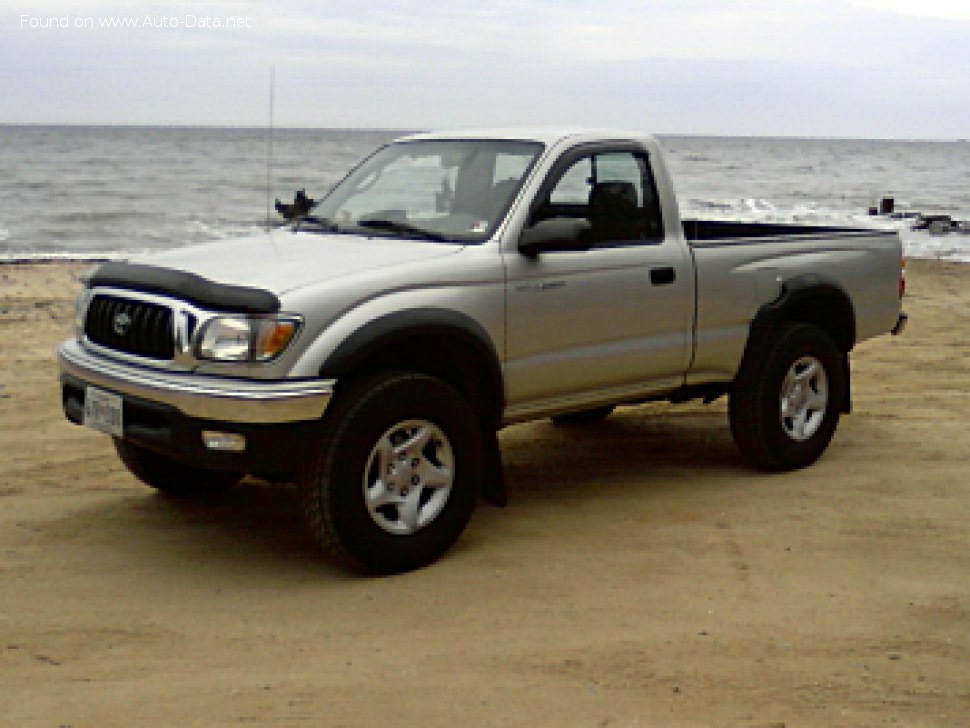
The Toyota Tacoma I Single Cab 2.7 (182 Hp) 4WD represents the first generation of the popular Tacoma compact pickup truck, produced between 1995 and 2000. This model marked Toyota’s entry into a more modern, feature-rich compact truck segment, aiming to replace the aging Hilux in many markets, though the Hilux continued in production globally. Specifically designed for North America, the Tacoma I Single Cab offered a blend of rugged capability, reliability, and a more comfortable driving experience than its predecessors. It quickly gained a reputation for durability and off-road prowess, establishing the Tacoma as a leading contender in the competitive US pickup truck market. The 2.7-liter engine option provided a balance between fuel efficiency and sufficient power for everyday tasks and light-duty work.
Toyota Tacoma I Single Cab: A First Generation Overview
The first-generation Tacoma, internally codenamed XtraCab and Single Cab, was a significant departure from the previous Toyota compact trucks sold in the United States. It offered a more rounded, aerodynamic design compared to the boxy aesthetics of earlier models. The Single Cab configuration, as described here, catered to buyers prioritizing utility and affordability, offering a no-frills, work-oriented option. While the XtraCab version (with a small rear seat) became more popular, the Single Cab remained a viable choice for those needing a basic, dependable truck. The 4WD system was a key selling point, enhancing the Tacoma’s ability to handle challenging terrain and adverse weather conditions.
Engine & Performance
Powering the Toyota Tacoma I Single Cab 2.7 4WD is the 3RZ-FE 2.7-liter inline-four cylinder gasoline engine. This naturally aspirated engine produces 182 horsepower at 4800 rpm and 240 Newton-meters (177.01 lb.-ft.) of torque at 4000 rpm. The engine features a double overhead camshaft (DOHC) valvetrain with four valves per cylinder and utilizes a multi-port fuel injection system. This configuration delivers a power-to-weight ratio of 146 horsepower per tonne and a torque-to-weight ratio of 192.5 Nm per tonne. The engine’s longitudinal front-engine layout contributes to balanced handling. The Tacoma I Single Cab 2.7 4WD is equipped with a 5-speed manual transmission, providing drivers with direct control over gear selection. The 6.9 kg/Hp weight-to-power ratio indicates a reasonably efficient powertrain for its time. The engine oil capacity is 5.4 liters (5.71 US qt / 4.75 UK qt) and requires a specific oil specification (details not provided in the source data). The cooling system holds 8.2 liters (8.66 US qt / 7.21 UK qt) of coolant.
Design & Features
The Toyota Tacoma I Single Cab is a two-door pickup truck with a seating capacity of three passengers. Its body-on-frame construction provides a robust and durable platform, essential for truck applications. The vehicle measures 4585 mm (180.51 in) in length, 1689 mm (66.5 in) in width, and 1549 mm (60.98 in) in height, with a wheelbase of 2624 mm (103.31 in). Ground clearance is a respectable 215 mm (8.46 in), aiding in off-road capability. The Single Cab configuration prioritizes cargo space over passenger comfort. Features were relatively basic for this generation, focusing on functionality and reliability. Safety features of the era were limited compared to modern standards, typically including seatbelts and a basic chassis structure. The Tacoma’s design emphasized a utilitarian aesthetic, with a focus on durability and practicality. Available tire sizes included 205/75 R15 and 235/55 R16, mounted on 15 or 16-inch wheel rims. The truck’s kerb weight is 1247 kg (2749.16 lbs), with a maximum weight of 1928 kg (4250.51 lbs) and a maximum load capacity of 681 kg (1501.35 lbs).
Technical Specifications
| Brand | Toyota |
| Model | Tacoma |
| Generation | Tacoma I Single Cab |
| Type (Engine) | 2.7 (182 Hp) 4WD |
| Start of production | 1995 year |
| End of production | 2000 year |
| Powertrain Architecture | Internal Combustion engine |
| Body type | Pick-up |
| Seats | 3 |
| Doors | 2 |
| Fuel Type | Petrol (Gasoline) |
| Weight-to-power ratio | 6.9 kg/Hp |
| Hp/tonne | 146 Hp/tonne |
| Weight-to-torque ratio | 5.2 kg/Nm |
| Nm/tonne | 192.5 Nm/tonne |
| Power | 182 Hp @ 4800 rpm |
| Power per litre | 67.6 Hp/l |
| Torque | 240 Nm @ 4000 rpm / 177.01 lb.-ft. @ 4000 rpm |
| Engine layout | Front, Longitudinal |
| Engine Model/Code | 3RZ-FE |
| Engine displacement | 2694 cm3 / 164.4 cu. in. |
| Number of cylinders | 4 |
| Engine configuration | Inline |
| Cylinder Bore | 95 mm / 3.74 in. |
| Piston Stroke | 95 mm / 3.74 in. |
| Compression ratio | 9.5:1 |
| Number of valves per cylinder | 4 |
| Fuel injection system | Multi-port manifold injection |
| Engine aspiration | Naturally aspirated engine |
| Valvetrain | DOHC |
| Engine oil capacity | 5.4 l / 5.71 US qt | 4.75 UK qt |
| Coolant | 8.2 l / 8.66 US qt | 7.21 UK qt |
| Kerb Weight | 1247 kg / 2749.16 lbs |
| Max. weight | 1928 kg / 4250.51 lbs |
| Max load | 681 kg / 1501.35 lbs |
| Fuel tank capacity | 57 l / 15.06 US gal | 12.54 UK gal |
| Length | 4585 mm / 180.51 in |
| Width | 1689 mm / 66.5 in |
| Height | 1549 mm / 60.98 in |
| Wheelbase | 2624 mm / 103.31 in |
| Front track | 1395 mm / 54.92 in |
| Rear (Back) track | 1414 mm / 55.67 in |
| Ride height (ground clearance) | 215 mm / 8.46 in |
| Drive wheel | All wheel drive (4×4) |
| Number of gears and type of gearbox | 5 gears, manual transmission |
| Front brakes | Ventilated discs |
| Rear brakes | Drum |
| Tires size | 205/75 R15; 235/55 R16 |
| Wheel rims size | 15; 16 |